
There’s a particular kind of myth that surrounds certain films: the ones that feel like they could only have been made once, by someone who had everything figured out and then, somehow, never made another. Most directors spend decades building a body of work, trading on pattern recognition and hard-won industry relationships. These seven didn’t get that chance, or didn’t take it, or simply burned too bright too fast.
The reasons vary. Studio battles, personal devastation, illness, bad timing, self-doubt. Some filmmakers have a number of hits to their name, while others never score one in their lifetime. Then, somewhere in the middle, there are those who get it right just once and never recapture that winning formula. What follows are seven directors whose single defining work still outlasts the silence that followed it.
Charles Laughton – The Night of the Hunter (1955)


Charles Laughton was a respected English actor with a solid career in Hollywood, but his interests stretched beyond his praiseworthy work in front of the camera. He wanted to direct a film, and producer Paul Gregory thought Davis Grubb’s bestselling novel “The Night of the Hunter” was a perfect opportunity for Laughton to make his filmmaking debut. The film’s lyrical and expressionistic style, borrowing techniques from silent film, sets it apart from other Hollywood films of the era, and it has influenced later directors from Robert Altman to Martin Scorsese, the Coen Brothers, and Guillermo del Toro.
At the time of its original release, the film was a critical and box-office failure, and Laughton never directed again. It was not until the film began appearing on late-night television that movie buffs found it, recognized it for the extraordinary work of high art it is, and proclaimed it a masterpiece. But the damage was done: Laughton, dispirited, was never able to direct again. It became one of the most famous films of all time, named “second best film ever made after Citizen Kane” by Cahiers du Cinéma and picked by Roger Ebert as one of the greatest films of all time.
Barbara Loden – Wanda (1970)

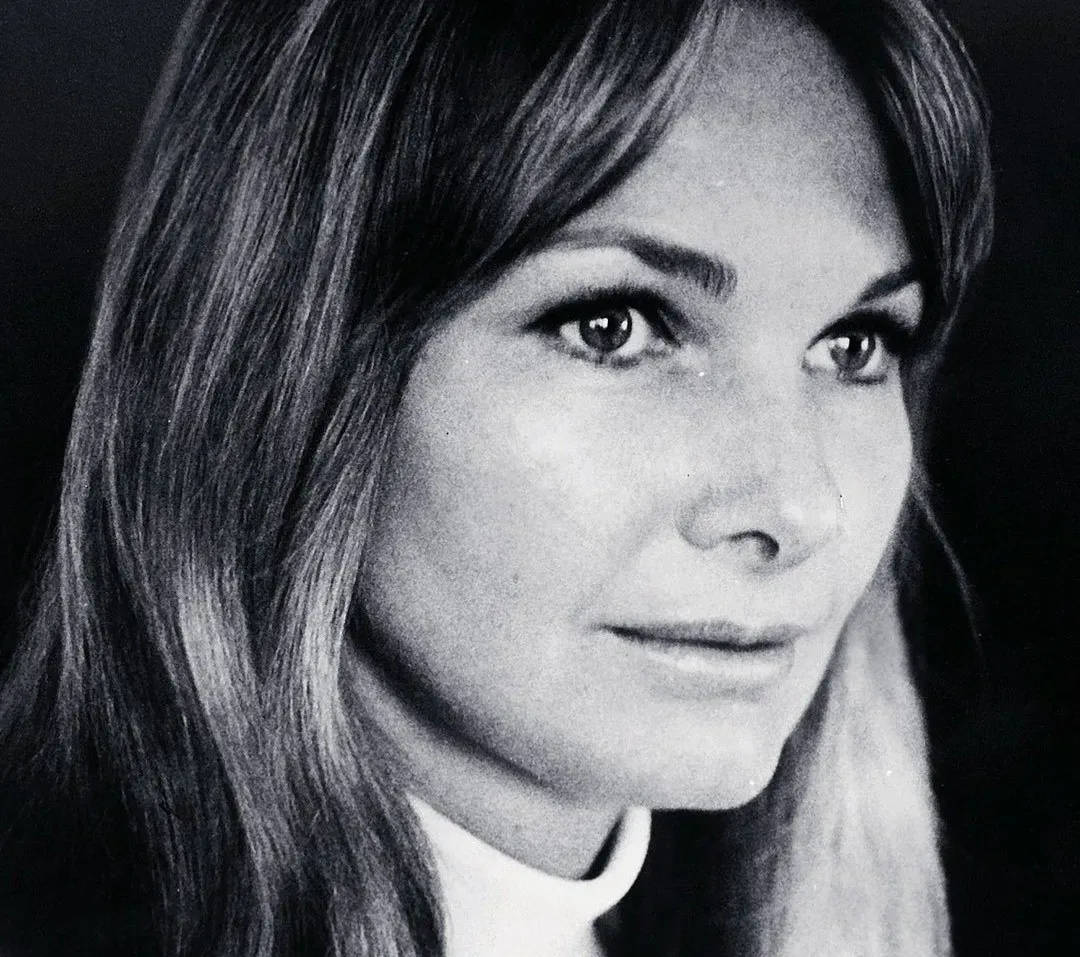
In 1970, Loden wrote, directed, and starred in Wanda, a groundbreaking independent film that won the International Critics Award at the 1970 Venice Film Festival. The film is a semi-autobiographical portrait of a passive, disconnected coal miner’s wife who attaches herself to a petty crook. Innovative in its cinéma vérité and improvisational style, it was one of the few American films directed by a woman to be theatrically released at that time.
Loden, whose own life was cut short a mere ten years after Wanda was released due to breast cancer, had other movie aspirations, but she was never able to get another independent feature film financed. Wanda’s only feature as a filmmaker considers a wanderer who abandons her life as a miner’s wife and mother, electing to drift through America, taking up with several terrible men. Long difficult to see, it has recently gained cult status, emblematic of all the films by women that remain unknown and unseen. She died in 1980 at the age of forty-eight, leaving a single masterpiece that took the rest of the world decades to find.
Tony Kaye – American History X (1998)

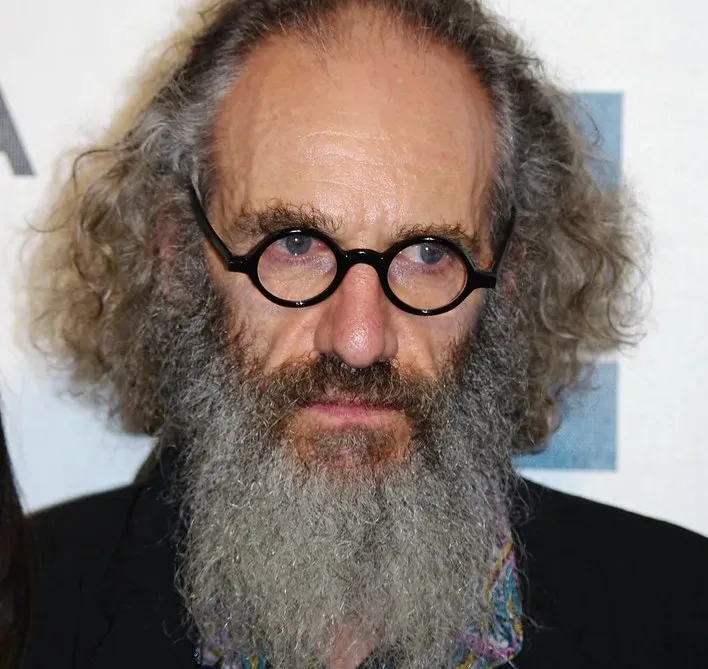
The cautionary tale of Tony Kaye is one still spoken about in hushed whispers in Hollywood circles. In 1998, his debut feature, American History X, an incendiary piece of filmmaking that attacked the dark heart of white supremacy, was released to rave reviews and an Oscar nomination for star Edward Norton. The final version was forty minutes longer than Kaye’s ninety-five-minute cut, which resulted in him publicly disowning the film through dozens of trade paper advertisements, thus negatively affecting his directing career.
The battle over artistic control of the film, which has become part of Hollywood folklore, all but destroyed Kaye’s career. All the adverts, expensive lawsuits, and curious antics in meetings did little for the director other than alienate him from an industry he clearly loved. The debacle surrounding American History X left him teetering on financial collapse, and it would take more than a decade before he finally released another feature film. His film The Trainer eventually premiered at the 2024 Rome Film Festival, but in the public imagination, Kaye will forever be the man who made one searing masterpiece and then disappeared into his own war with the studio system.
Richard Kelly – Donnie Darko (2001)

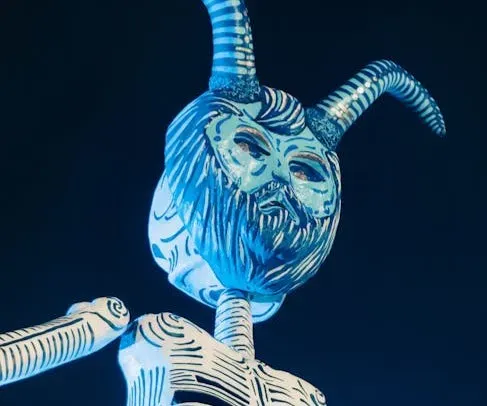
Kelly was just twenty-six years old when Donnie Darko was released in October 2001. It bombed theatrically, recouping barely a third of its $4.5 million budget, but on home video and DVD it became one of the defining cult films of its generation. Donnie Darko was nominated for twenty-one awards and won eleven. It later made number two on Empire magazine’s list of the fifty greatest independent films of all time, behind Quentin Tarantino’s Reservoir Dogs.
What followed was Southland Tales, an apocalyptic Los Angeles satire featuring Dwayne Johnson, Sarah Michelle Gellar, and Justin Timberlake, that premiered at Cannes in 2006. It did not go well. The crowd booed. His third feature, The Box, effectively ended his career as a working director. He has not directed a feature since. As of 2025, Kelly claimed to have ten different projects in the works, all in various stages of development, though none have materialized into a release that comes close to matching the strange electricity of his debut.
Robin Hardy – The Wicker Man (1973)

In a career spanning forty-three years, Robin Hardy directed a meagre three feature films, one of which can be considered a cult hit – and it just happens to be one of the most influential horror films ever made. The Wicker Man is a cornerstone of British cinema, and its influence permeates throughout the horror genre to this day. The Wicker Man is a strange movie, expertly weaving offbeat comedy, murder mystery, folk musical, and harrowing horror to create a film that’s often hilarious and constantly menacing. It poses thought-provoking questions about gender politics and religion, going against the grain of traditional societal norms at the time.
It would stand to reason that Hardy, who made his feature film directing debut with the movie, went on to become a force in filmmaking. Unfortunately, Hardy didn’t direct another film for thirteen years. He then made two more pictures before passing away in 2016, one of which was a loose sequel to The Wicker Man, but even hardcore folk horror fans would struggle to name them, let alone claim to have seen them. The original film, meanwhile, has never stopped growing in stature, becoming a touchstone of an entire horror subgenre known today as folk horror.
Bill Gunn – Ganja & Hess (1973)


Bill Gunn’s Ganja & Hess is a cult classic that took the vampire film to places no one expected. With its poetic dialogue, dreamlike visuals, and examination of addiction and race, this movie was unlike anything else in early seventies cinema. Gunn, who was also a playwright and actor, crafted a film that earned praise from critics, yet despite its later acclaim, Ganja & Hess was misunderstood and heavily edited upon release, leading Gunn away from directing more feature films. He turned to theater and writing, leaving fans with just one haunting gem that continues to inspire filmmakers today.
The film’s legacy has only grown, especially in the Black independent film community, where it’s seen as a groundbreaking work of art. Gunn had the talent and the vision to build a formidable directorial career, but the industry gave him no real path to do so. His single feature stands as both a monument to what he achieved and a reminder of what systemic indifference costs cinema.
Jean-Jacques Beineix – Diva (1981)

Jean-Jacques Beineix burst onto the international scene with Diva, a film that dazzled audiences with its vibrant colors, kinetic camera work, and pulse-pounding soundtrack. The story, revolving around a young postman obsessed with an opera singer, was fresh and thrilling, helping to launch the “cinéma du look” movement in France. Its stylish visuals and daring narrative choices made it an instant classic and a favorite among cinephiles.
Beineix attempted to follow up with films like Betty Blue, but none could recapture the spellbinding magic of Diva. The film industry’s fickle nature and the heavy expectations after such a breakout hit seemed to have played a role in his retreat. One masterpiece doesn’t guarantee a lasting career. Whether due to bad luck, personal struggles, or industry pressures, their follow-ups never matched their early triumphs. Beineix drifted toward documentaries and writing in his later years, and when he died in 2022, it was Diva that the world remembered – that single, dazzling opening act that somehow never had a second.