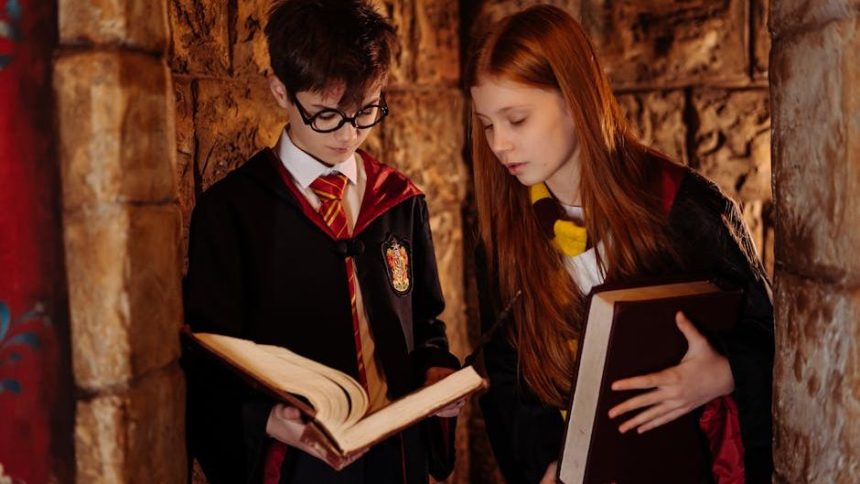
Romance tends to steal the spotlight in fiction. It gets the dramatic music, the tearful confessions, the slow-motion reunions. Yet some of the most emotionally powerful bonds ever written between characters never involved a single kiss. They were built on something harder to name but just as real: loyalty, mutual need, shared history, or the quiet knowledge that someone simply gets you in a way no one else does.
Platonic, mentorship, and found-family relationships in literature and film often do the heaviest emotional lifting. Great friendships make great books, and while romantic relationships can be thrilling to read with their twists and turns, we shouldn’t forget the power a platonic relationship can have. These ten fictional bonds prove that depth, sacrifice, and genuine love don’t require romance to be completely devastating.
1. Frodo Baggins and Samwise Gamgee – The Lord of the Rings
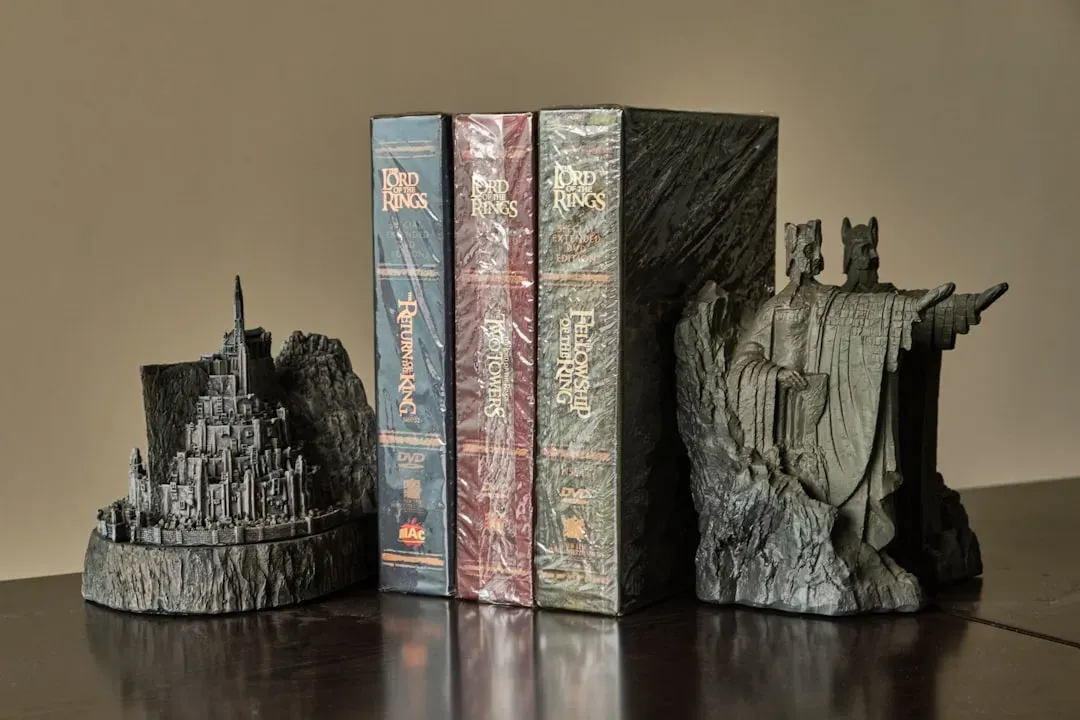
Frodo and Sam easily top the list when it comes to loyalty. Though they seem to have a master-servant relationship at first, that all melts away as they confront an unfamiliar world and the powers that covet the One Ring. Their journey across Middle-earth strips everything else away until only the bond between them remains standing, raw and unshakeable.
While the nine Fellowship members are only together in the first book of the trilogy, they demonstrate great loyalty throughout the entire story. From Aragorn, Legolas, and Gimli running for days to save Merry and Pippin, to Sam’s undying loyalty to Frodo, this is a story where men are not afraid to show tenderness toward each other. Tolkien gave us something enduring here: proof that the willingness to carry someone else’s burden when they can no longer carry their own is its own kind of profound love.
2. Sherlock Holmes and Dr. John Watson – The Sherlock Holmes Series

Logic meets loyalty in the legendary partnership of Sherlock Holmes and Dr. John Watson. Holmes, with his razor-sharp intellect, often seems detached from ordinary human emotions, yet Watson’s steadfast presence grounds him. Their adventures are filled with danger, but it’s the quiet moments – Holmes asking for advice, Watson’s concern for his friend – that reveal the depth of their connection.
Psychological research into “buddy cop” dynamics in fiction notes that such duos resonate because they show how mutual respect and trust can bridge even the widest personality gaps. Arthur Conan Doyle created this partnership across more than sixty stories, and across more than a century, it has never stopped feeling true. Watson was not a sidekick. He was the person who made Holmes human.
3. Harry Potter, Ron Weasley, and Hermione Granger – Harry Potter
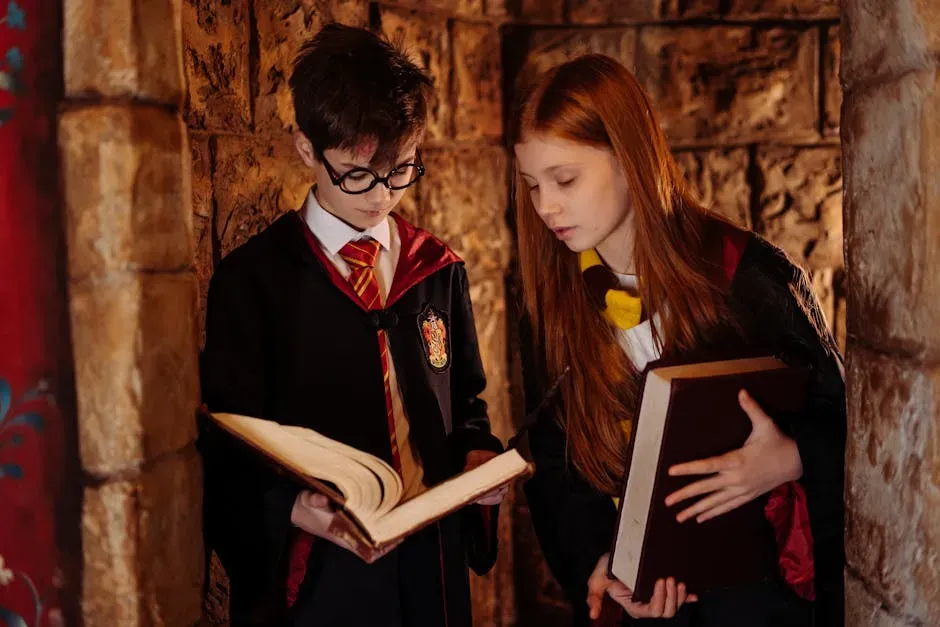
Harry is the Chosen One fated to be a hero, Hermione is one of the most intelligent teen characters you’ll find in a book, and Ron is loyal and brave in his own way as he constantly pushes aside his fears for his friends. Arguably, it’s this friendship which brings the books together. Teens always have the struggle of figuring out where they fit into the world, and these three did that together.
What makes this trio so enduring is that none of them could have survived alone. Harry needed Hermione’s mind and Ron’s heart in equal measure. If you look at the books and movies, there is nothing significant to suggest anything other than a platonic friendship between Harry and Hermione. Perhaps the desire to read romance into the relationship is a prime example of why we see so few genuinely platonic friendships in stories. J.K. Rowling resisted the easy route, and the friendship is stronger for it.
4. Don Quixote and Sancho Panza – Don Quixote

Cervantes’ masterpiece is the tale of Don Quixote and his faithful squire, Sancho Panza. Though they start as master and servant, as the two travel the Spanish countryside their relationship becomes far more profound. Quixote is lost in delusion and Sancho is rooted in practicality, yet something between them flourishes precisely because of that gap rather than despite it.
Published in two parts in 1605 and 1615, Don Quixote is widely considered the first modern novel in the Western tradition, and this friendship is part of what gives it its lasting emotional weight. Sancho doesn’t abandon his master when the windmills turn out to be windmills. He stays. That loyalty – offered without illusion – is quietly one of the most moving things in all of literature.
5. Kirk and Spock – Star Trek
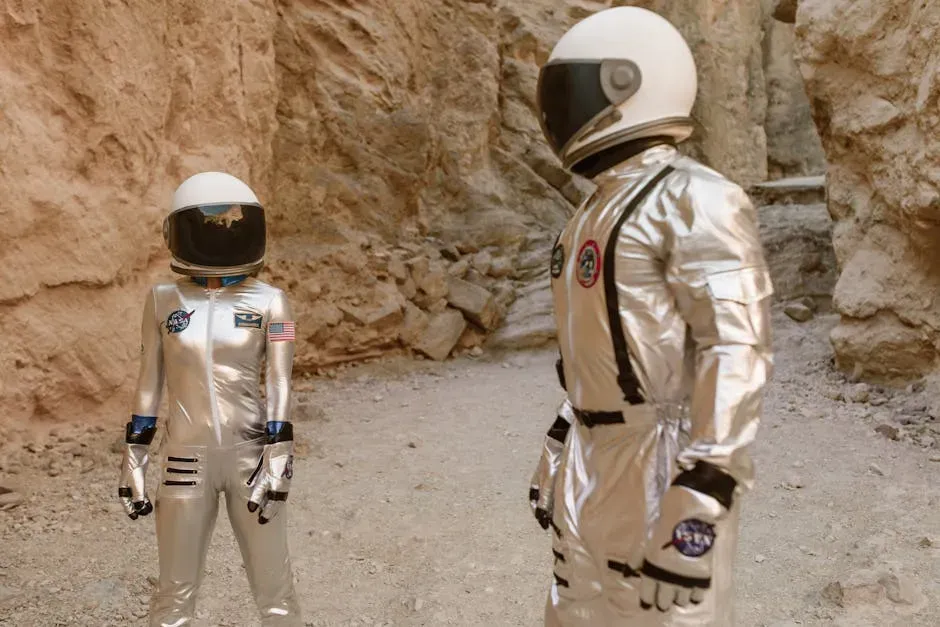
What happens when you put a passionate human and a logical Vulcan in charge of a starship? You get one of the most enduring friendships in science fiction history. Captain Kirk and Spock’s relationship is a dance of opposites: emotion versus reason, instinct versus calculation. Yet their trust in each other is unshakeable.
In a 2023 study of Star Trek fans, over three in five identified Kirk and Spock’s friendship as the series’ moral center. Their ability to respect each other’s differences while working together to face the unknown is a lesson in empathy and collaboration. Few fictional relationships have sparked as much academic, cultural, and fan discussion. The reason is simple: their bond feels genuinely mutual. Neither of them is diminished by the other’s presence. They’re enlarged by it.
Partner offer
6. Sula and Nel – Sula by Toni Morrison

In Sula, Toni Morrison explores the friendship of two girls, Sula and Nel, as they grow up in a Black community in Medallion, Ohio. She writes about the pressures of living in a patriarchal and racist society, and Nel and Sula create a little world within each other as a refuge. This is a bond built in defiance of the world outside it, which gives it a strange, fragile intensity.
Set in a Black community in the Ohio hills between 1919 and 1965, the book circles around the bond between the pair as they become women. Hurt each other they do and must, but the power they exhibit together comes from their difference and the paradigm-altering questions they bring to the table. The ending, calamitous yet liberating, is a masterful study of regret. Morrison understood that the closest friendships are not always serene. Sometimes they’re the relationships that break you open.
7. Steve Harrington and Dustin Henderson – Stranger Things

Steve and Dustin’s friendship in Stranger Things is pure, unexpected, and downright adorable. Nobody watching the first season could have predicted that the arrogant high school jock would become a beloved de facto older brother to a group of middle-school nerds. Yet that unexpected pivot produced one of the most warmly received non-romantic relationships in recent television history.
Their relationship is proof that platonic love can be just as moving, as vital, and as enduring as any romance. Steve teaches Dustin how to talk to girls. Dustin gives Steve a reason to be someone worth admiring. The mentorship flows in both directions, quietly, without either of them quite realizing it. That’s what makes it feel so real.
8. Leslie Knope and Ron Swanson – Parks and Recreation

AdamScott08TIFF.jpg: gdcgraphics at https://www.flickr.com/photos/gdcgraphics/
Aziz_Ansari_2011_Shankbone.JPG: David Shankbone
Rob_Lowe_cropped.jpg:
Rob_Lowe_and_David_Spade.jpg: dodge challenger1
derivative work: KEN (talk)
Rashida_Jones.jpg: Arnold Gatilao from Fremont, CA, USA
Chris_Pratt_2009.jpg: Kristin Dos Santos
Chris Pratt by Gage Skidmore.jpg: Gage Skidmore
Aubrey_Plaza_by_Gage_Skidmore.jpg: Gage Skidmore
derivative work: Hunter Kahn at English Wikipedia, CC BY-SA 3.0)
Leslie Knope and Ron Swanson might seem like total opposites: one’s an eternal optimist who believes in government, the other a stoic libertarian who’d rather eat bacon in silence. Their dynamic is played mostly for comedy, but over seven seasons the show builds something underneath the jokes that turns out to be remarkably tender. These two genuinely care about each other, even when they represent completely opposing worldviews.
What makes their bond worth examining is what it says about connection itself. You don’t need shared beliefs to share something meaningful. Ron shows up for Leslie at crucial moments not because of ideology but because of affection, and Leslie’s relentless belief in him shifts something in him over time. The series finale gives their friendship a proper send-off that many fans found more emotionally resonant than any of the romantic storylines on the show.
9. Elena and Lila – The Neapolitan Novels by Elena Ferrante

The Neapolitan novels follow the lives of Elena and Lila over fifty years or so, across four novels: My Brilliant Friend, The Story of a New Name, Those Who Leave and Those Who Stay, and The Story of the Lost Child. It’s a sprawling portrait of female friendship that spans a lifetime, mapping every stage from childhood fascination through rivalry, resentment, and the specific kind of love that only decades of shared history can produce.
Long before this series, we had Sula and Nel busy dancing all over societal notions of class, race, and marriage. Ferrante picks up that same tradition and expands it to an operatic scale. Elena and Lila push each other, betray each other, and sustain each other. If love makes the world go round, then friendship is the glue that keeps it from coming apart. In other words, friendship is, at its core, stronger. Ferrante’s novels make that argument more convincingly than almost anything else in contemporary fiction.
10. Will Herondale and James Carstairs – The Infernal Devices by Cassandra Clare

Will Herondale and James Carstairs are as close as brothers, fighters in many ways, and their love for each other is so great they’re willing to die for one another, literally. They’ve been through hell and back, yet their relationship only strengthens. Their dialogue feels so natural, with their quick wits making readers laugh out loud often. They’re always there for each other.
Even when they both fall for Tessa Gray, each boy simply wants the other to be happy. Will is cursed to believe that no one in the world can love him, so he pushes them all away, but with Jem already dying he takes the risk of letting him in. For a long time, they’re each other’s only constant, the epitome of platonic soulmates. Clare built a love story here that just happens to be entirely platonic, and it is no less devastating for it. Will and Jem remain one of the clearest reminders in fantasy fiction that the deepest devotion doesn’t always arrive with a confession – sometimes it simply shows up, quietly, and stays.
Romantic love dominates the conversation around emotional storytelling, but these ten relationships offer a quiet counterargument. Loyalty forged under pressure, mutual admiration that never crosses into romance, friendships that endure betrayal and still hold – these are not lesser connections. They’re just described differently. The grief when Sam carries Frodo, or when Nel loses Sula, or when Dustin talks about Steve with that particular pride, lands in the same place every great story aims for. Some bonds don’t need a label to be unforgettable.
Partner offer
Planning a trip to Vegas?
Compare hotel rates and show tickets on VEGAS.com.