A weak opening weekend can look like a final verdict. For many films, it was only the first chapter.
Before streaming, rentals, DVD shelves and late night cable reruns gave some movies a second chance, and the audience that showed up later was often bigger than the one that skipped them. These ten films are well documented examples of that pattern.
Fight Club (1999)
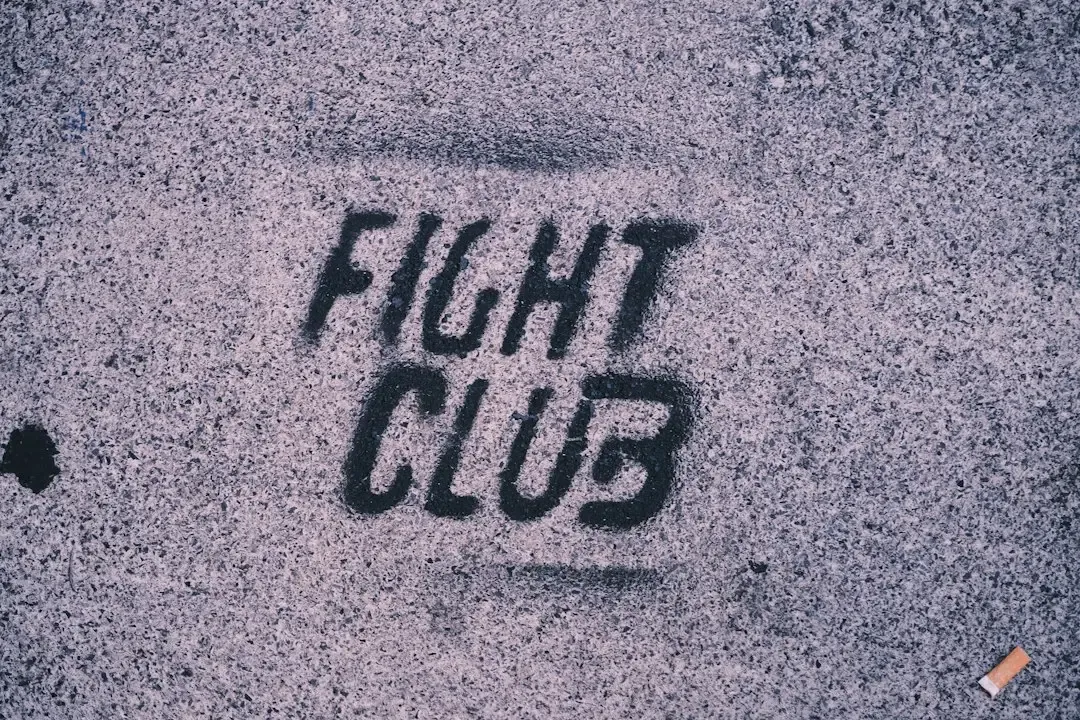
David Fincher’s adaptation cost roughly sixty million dollars to make and earned about one hundred million worldwide. Those numbers were a letdown for 20th Century Fox, and the film’s marketing and mixed reviews did it no favors.
The DVD release changed the story. Strong sales and word of mouth turned it into a staple of dorm rooms and rental stores. Its reputation has grown steadily since, and it is now widely treated as a defining film of its era.
The Shawshank Redemption (1994)
Shawshank earned only around sixteen million dollars in its first run in the United States, against a budget of about twenty five million. That came despite seven Academy Award nominations, which should have helped.
Video rental is what rescued it. Rental shops kept it moving, and later television airings widened the audience further. It now regularly appears near the top of audience rated lists, which is a long way from its quiet theatrical start.
Blade Runner (1982)

Ridley Scott’s science fiction film cost around thirty million dollars and took in roughly the same amount at the domestic box office. Reviews were divided, and audiences at the time seemed to want something lighter.
Home video and repertory screenings kept it alive. A director’s cut appeared in 1992, and The Final Cut followed in 2007. Each version gave viewers another reason to return, and its influence on the genre is now widely acknowledged.
Office Space (1999)
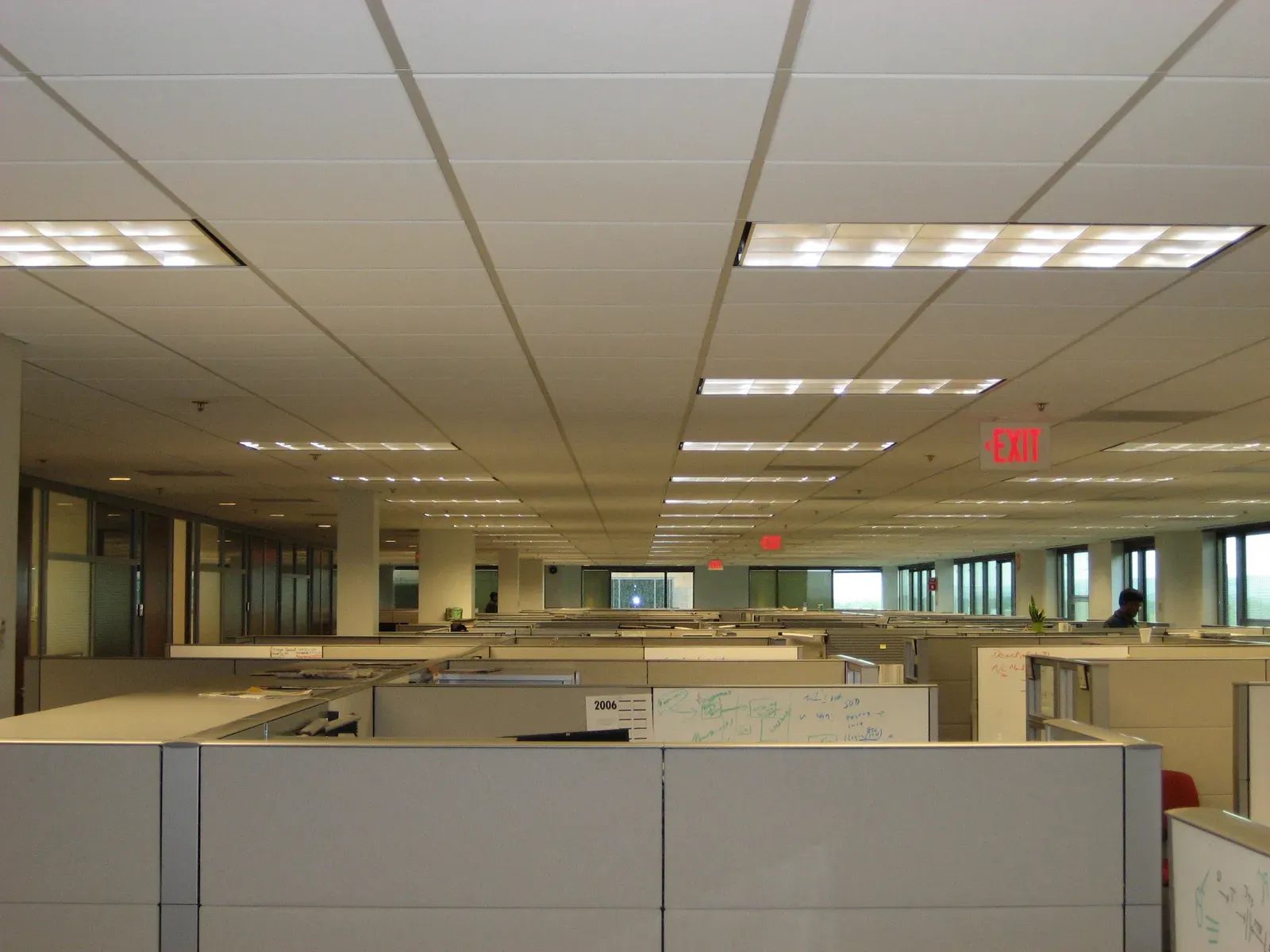
Mike Judge’s workplace comedy cost about ten million dollars and made only a little more than that in North American theaters. Fox did not appear to know quite how to sell it.
Cable airings and DVD sales did the work instead. People who had spent time in cubicles recognized the humor, and they passed the film along to coworkers. It became one of the most quoted comedies of its generation.
The Big Lebowski (1998)
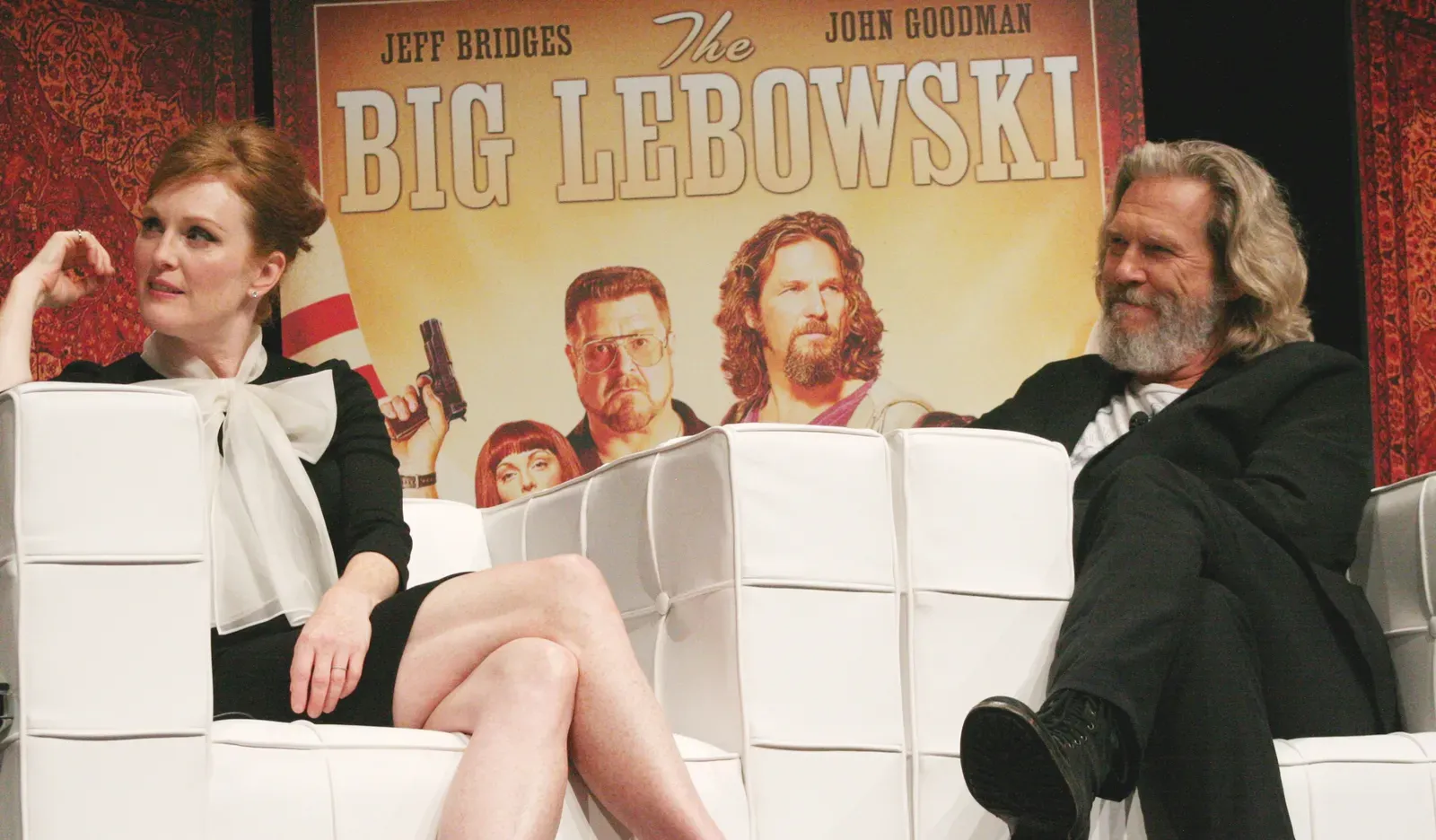
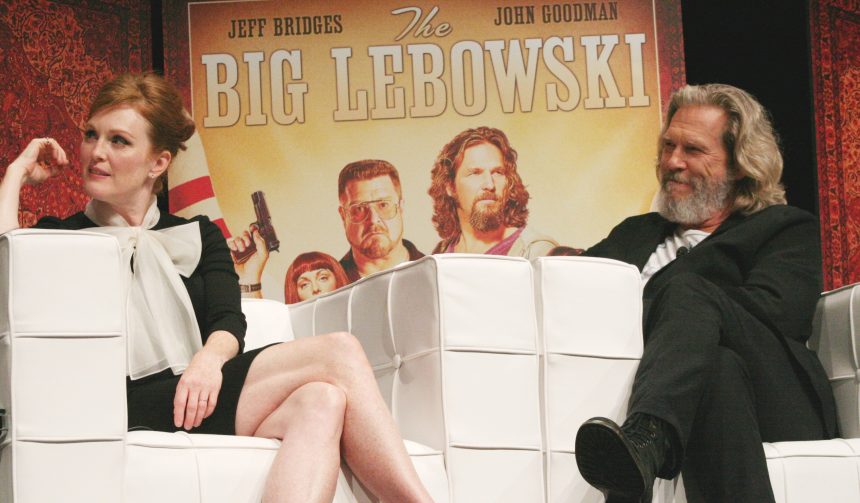
The Coen brothers’ follow up to Fargo had a budget of around fifteen million dollars. Its domestic gross was only slightly higher, and critics were not unanimous.
Home video turned the film into a ritual. Fans kept rewatching it, and an annual gathering called Lebowski Fest began in 2002. The film was later selected for preservation by the United States National Film Registry.
Donnie Darko (2001)

Richard Kelly’s debut was made for roughly four and a half million dollars. Its theatrical run was tiny, partly because its release came shortly after the September 2001 attacks, and it earned little in the United States.
The DVD gave it real momentum. Viewers debated its time travel puzzle and traded theories, which led to a director’s cut in theaters in 2004. That extended version helped cement its cult standing.
Idiocracy (2006)

Mike Judge’s satire barely got a theatrical release at all. Fox opened it in a limited number of theaters with almost no promotion, so its box office figures were minimal.
The DVD and cable showings gave it a long second life. Viewers found it on their own and shared it online. Its premise has been cited so often in public conversation that many people know the film without ever having seen its original release.
Dazed and Confused (1993)

Richard Linklater’s 1970s high school comedy had a budget of less than seven million dollars. It earned only a modest amount in theaters, with studio support that was limited.
On video, it found the audience it had been aimed at all along. Its ensemble cast, which included several future stars, drew new attention as those actors became better known. The film is now a regular on lists of the best teen movies.
Scott Pilgrim vs. the World (2010)
Edgar Wright’s comic book adaptation cost roughly sixty million dollars. Its worldwide gross landed at around forty seven million, which made it a clear theatrical disappointment.
Home video helped it recover its reputation. Blu-ray and DVD buyers embraced its visual style and packed cast, and fans kept the conversation going for years. A 2023 animated series revisited the story, which suggests the interest never really went away.
The Iron Giant (1999)

Warner Bros. spent around fifty million dollars on Brad Bird’s animated feature. It earned roughly thirty one million worldwide, partly because the studio promoted it late and with little conviction.
Television broadcasts and home video gave families the chance to discover it. Critics had liked it from the start, and viewers soon agreed. A remastered edition arrived in 2015 with a theatrical re-release, which showed how far its standing had grown.