
A film can clear every studio hurdle and still hit a wall at a national border. Censors and courts have blocked movies for religion, violence, politics, sexuality, or a single scene.
The nine titles below were all restricted somewhere around the time they arrived. Some bans lasted a few weeks. Others stretched across decades.
A Clockwork Orange (1971)

Stanley Kubrick’s dystopian drama divided critics, and its violence caused real concern in Britain. Kubrick himself had it withdrawn from British cinemas in the early 1970s after reports of copycat incidents and threats. It stayed unavailable there until after his death in 1999.
Other countries went further with official action. Ireland’s film censor banned it, and the ban lasted until 2000. The case shows how a ban can come from a filmmaker’s own decision as well as from a government.
The Exorcist (1973)

William Friedkin’s possession horror drew fainting reports, long queues, and loud protests. Some local authorities in Britain restricted screenings, and the film became a political talking point as well as a hit.
Its longest restriction came years later on home video. Britain’s film classification board refused a video certificate in 1988, which kept the film off legal shelves for a decade. It was cleared for release in 1999.
Monty Python’s Life of Brian (1979)

The comedy follows a man mistaken for the messiah, and religious groups objected right away. Several local councils in Britain refused to let it be shown in their areas. Ireland also banned it, and the ban was not lifted until 1987.
Norway’s ban became part of the film’s legend. Its Swedish marketing leaned on that fact, advertising it as a film too funny for Norway. Few bans have worked so well as publicity.
The Last Temptation of Christ (1988)

Martin Scorsese’s adaptation imagines Jesus facing doubt and desire, and it provoked protests in many places. Several countries restricted it, including Ireland and Turkey, and Singapore also kept it from audiences.
Chile’s case was especially prolonged. Its courts upheld a ban for years, and the matter went to an international human rights court. The film was finally allowed to screen there in 2003.
The Texas Chain Saw Massacre (1974)

Tobe Hooper’s low budget horror was a commercial success in the United States but met resistance abroad. Britain’s film board refused it a certificate for cinema release in the 1970s, and many other countries blocked or heavily cut it.
The British ban lasted for decades. The film was finally passed for cinemas in 1999, and its reputation as a landmark of the genre grew during the years it stayed out of sight.
Brokeback Mountain (2005)
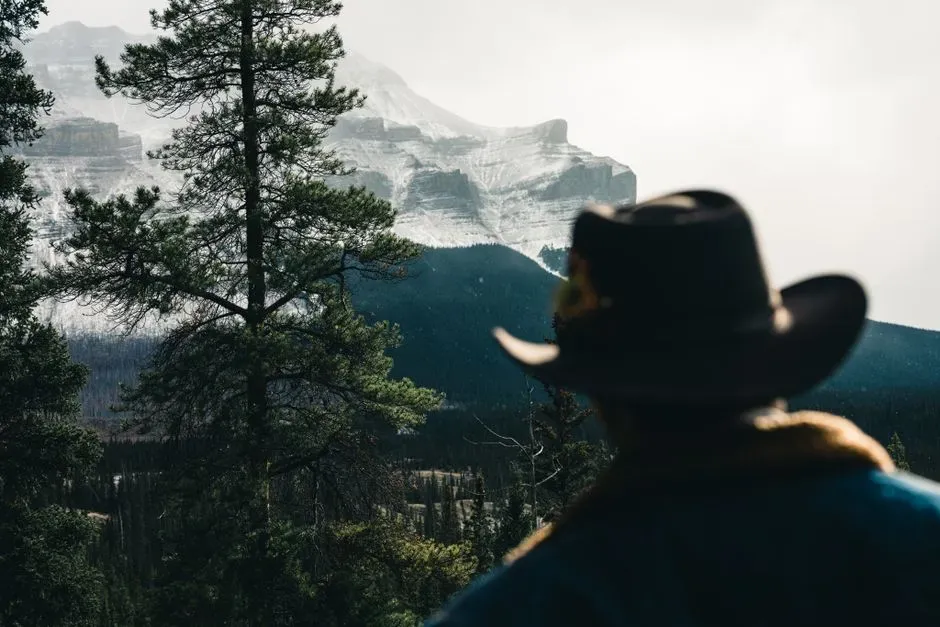
Ang Lee’s drama about two cowboys in a long, hidden relationship won major awards in the West. Several countries in the Middle East did not allow it to be shown, citing its depiction of a same sex relationship. Restrictions elsewhere in Asia also limited its release.
The film shows how awards success does not guarantee distribution. Audiences in those places mostly found it through unofficial copies or abroad.
Borat (2006)

The mockumentary starring Sacha Baron Cohen portrays a fictional reporter from Kazakhstan. Kazakhstan’s government objected strongly and banned the film at home. Russia’s release was also pulled after complaints, and several Arab countries kept it out of cinemas.
Interestingly, Kazakhstan’s attitude softened later. Its tourism officials eventually embraced the attention the film had created.
Seven Years in Tibet (1997)
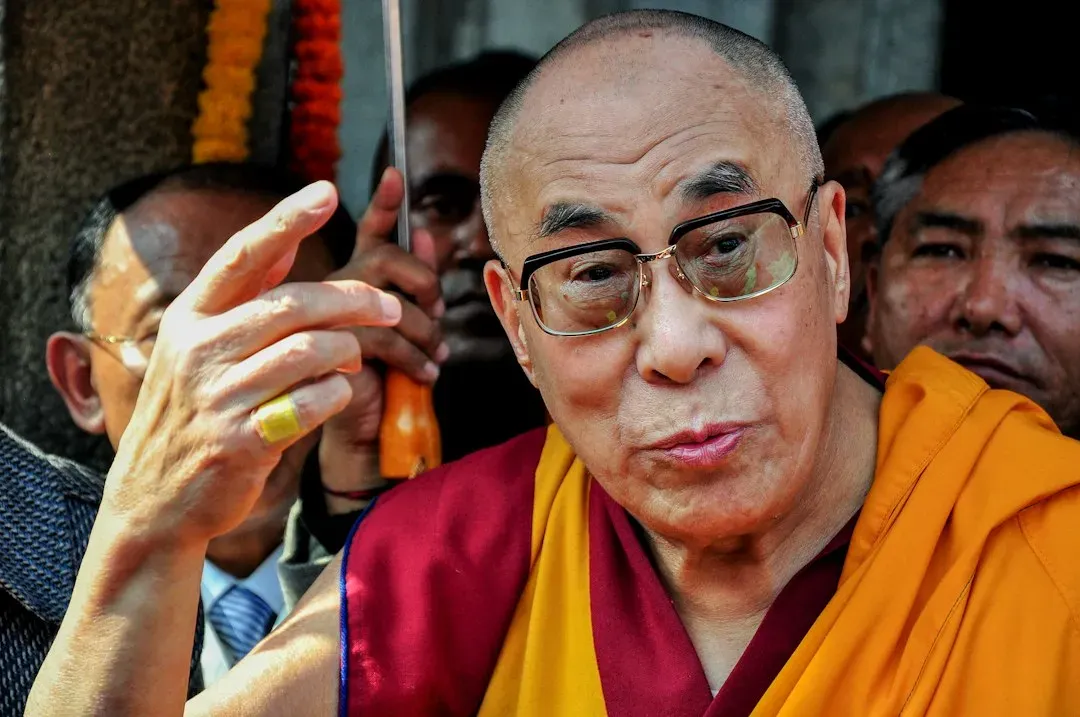
The Brad Pitt drama follows an Austrian mountaineer who befriends the young Dalai Lama. China condemned the film and banned it. Reports at the time said the country also barred people connected to the production from entering.
The ban came from the film’s sympathetic view of Tibet and its criticism of Chinese rule. It remains a clear example of a studio epic being blocked mainly for its politics.
Barbie (2023)

Greta Gerwig’s blockbuster became one of the biggest releases of its year. Vietnam pulled it from cinemas in 2023 because of a map shown in one scene, which depicted the disputed claims in the South China Sea.
Kuwait also banned it, and officials in Lebanon pushed for a ban over concerns about its themes. The film remains a recent reminder that a single image can decide whether a movie is shown in a country.