Most film crowds are assembled by casting agencies, with background actors who know where to stand and when to look surprised. A smaller group of directors has gone another way. They filmed in real neighborhoods and invited the people who lived there to fill the frame.
The choice usually comes from a wish for texture. A face that has spent decades in a place can carry something a hired extra can’t. Here are ten films where local residents, villagers, or community members helped shape what appears on screen.
Bicycle Thieves (1948)
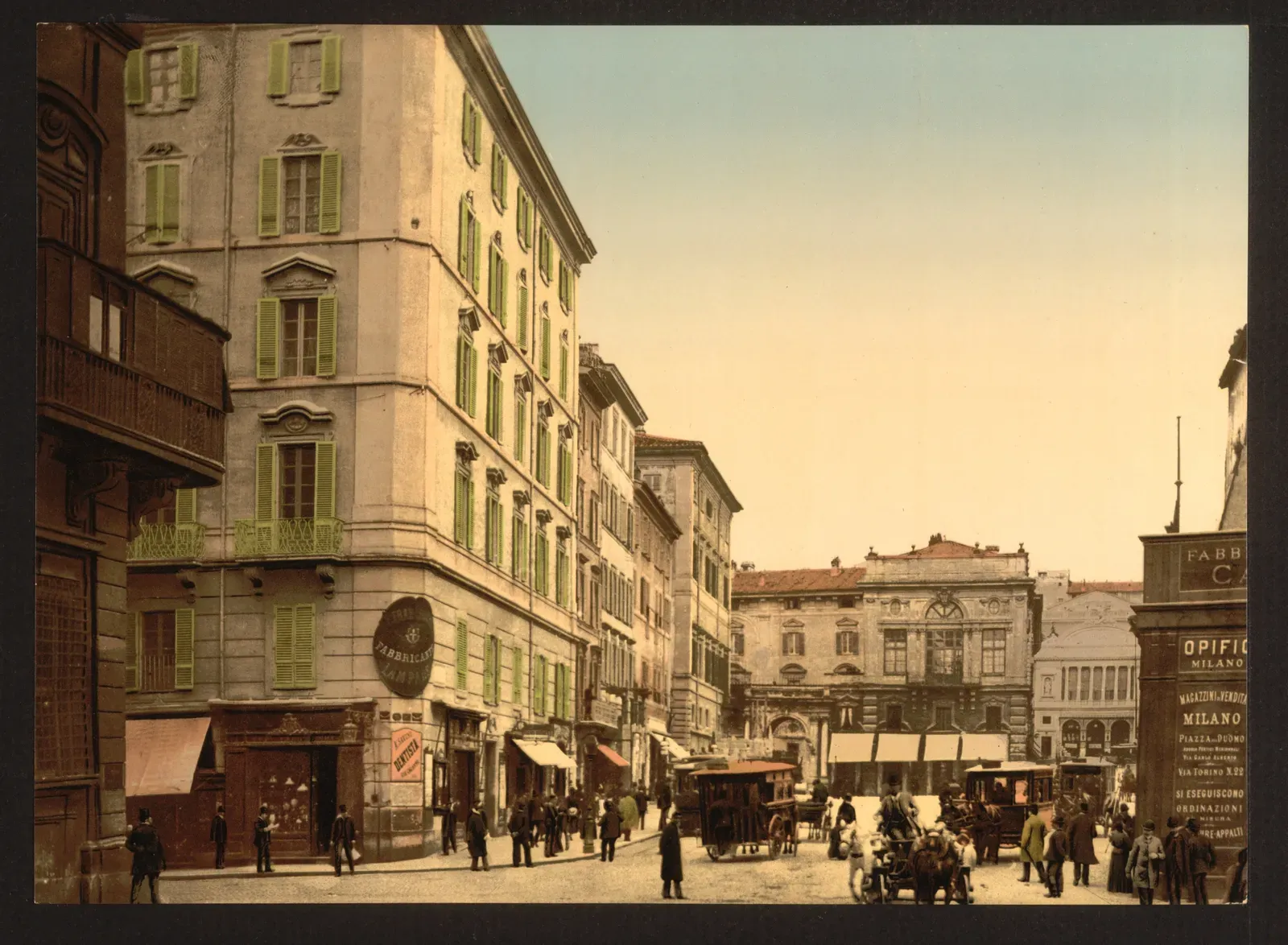
Vittorio De Sica filmed this Italian neorealist classic on the streets of postwar Rome. He avoided established stars and cast ordinary people. Lamberto Maggiorani, who played the father, was a factory worker rather than an actor.
The young son, played by Enzo Staiola, was reportedly spotted by De Sica among onlookers in the street. Passersby and city residents fill the markets and avenues around the leads. The film’s lived in look helped define a whole movement in European cinema.
The Battle of Algiers (1966)
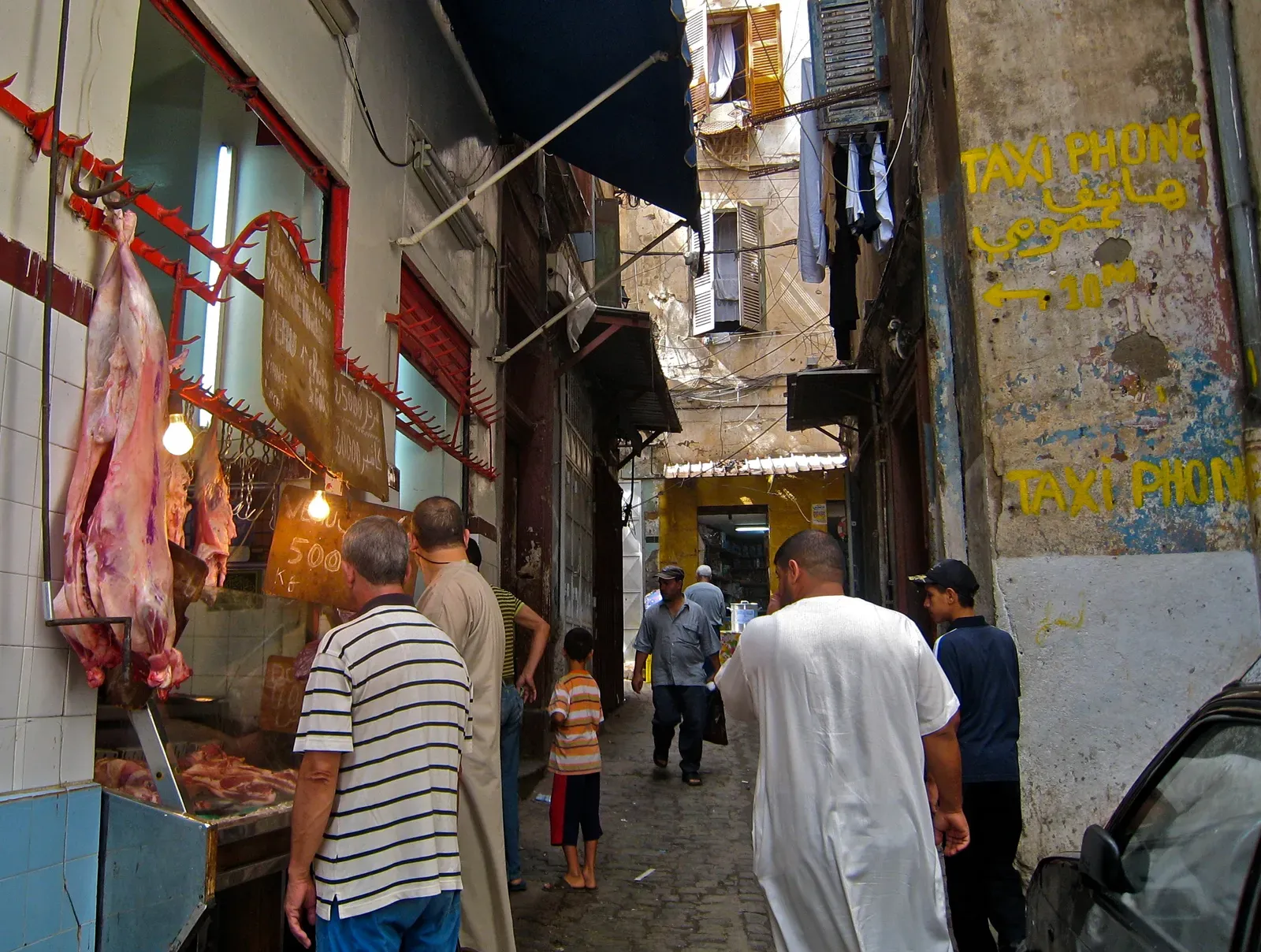
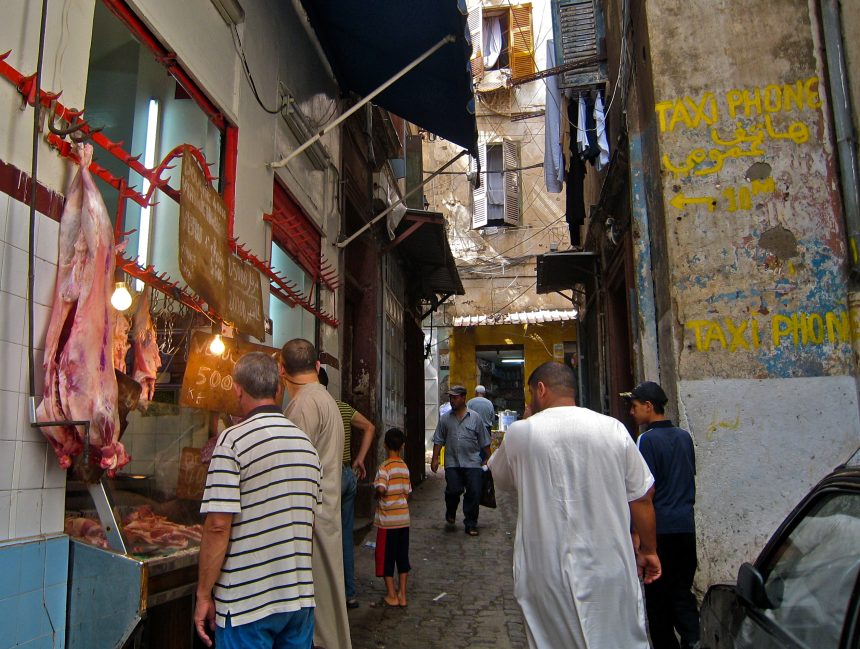
Gillo Pontecorvo shot this drama about the Algerian struggle for independence in the actual streets of Algiers. Almost the entire cast was made up of nonprofessionals, with Jean Martin the main trained actor. Many of the crowd members were residents of the Casbah, the old city quarter where the events took place.
The grainy, newsreel style made audiences believe they were watching documentary footage. Early prints even carried a notice that no documentary or newsreel footage had been used. That detail shows how convincing the locals made the scenes.
Gandhi (1982)
Richard Attenborough’s biopic is famous for its funeral sequence, shot in Delhi in early 1981. The scene is recorded in Guinness World Records for the largest number of film extras, at roughly three hundred thousand people. A large portion of them were volunteers who turned out for the filming, not paid background actors.
Crews used multiple cameras placed around the route to capture the size of the procession. The scale would have been close to impossible to stage with a conventional casting call. The result remains one of the most striking crowd scenes in film history.
City of God (2002)
Fernando Meirelles cast this Brazilian crime drama largely from young people living in Rio de Janeiro’s favelas. Many of the actors had no professional experience. They went through acting workshops before filming began, which helped them develop natural performances.
Filming took place in and around real favela communities, and residents appear throughout the background. That closeness gives the film an authenticity that studio sets rarely achieve. It was nominated for four Academy Awards, including Best Director.
Black Hawk Down (2001)
Ridley Scott’s depiction of the 1993 battle in Mogadishu was filmed in Morocco, not Somalia. Production built and dressed sets in and near Rabat and Salé. Moroccan locals were hired to play the Somali civilians and militia crowds that fill the streets.
The approach let the production put hundreds of people into chaotic street scenes at a manageable cost and in a safe setting. The Moroccan military also supported the shoot with equipment and logistics. The film earned two Academy Awards, for editing and sound.
Slumdog Millionaire (2008)
Danny Boyle shot much of this film in Mumbai, including the sprawling Dharavi settlement. The child performers who played the young leads, Azharuddin Ismail and Rubina Ali, came from Mumbai slum communities. Many background faces in the street scenes were local residents going about their own surroundings.
Filming among real crowds meant the production had to adapt to the pace of everyday city life. The energy on screen reflects that. The film won eight Academy Awards, including Best Picture.
Beasts of the Southern Wild (2012)
Benh Zeitlin made this fantasy drama in southern Louisiana with a cast of mostly first time performers from the area. Quvenzhané Wallis, who was a young child from Houma, was nominated for an Academy Award for the lead role. Dwight Henry, who played her father, ran a local bakery before taking the part.
Community members from the Louisiana bayou region filled out the world around the leads. The film drew on the real landscape, including the threat of rising water and storms. That local grounding became central to its identity and earned it four Oscar nominations.
The Florida Project (2017)

Sean Baker filmed this drama at budget motels near Walt Disney World in Kissimmee, Florida. The setting is a world of long term motel residents living just outside the tourist bubble. Real people from the surrounding area populate the background of many scenes.
Baker mixed seasoned actor Willem Dafoe with young newcomers and nonprofessionals. Bria Vinaite, cast in a leading role, had never acted before and was discovered through social media. The blend gave the film a lived in feel that earned Dafoe an Oscar nomination.
Roma (2018)
Alfonso Cuarón based this film on his childhood in Mexico City’s Colonia Roma neighborhood. He cast Yalitza Aparicio, a schoolteacher with no previous acting experience, in the lead role. Many of the supporting cast were also nonprofessionals.
The production recreated early 1970s Mexico City down to the street level, with large crowds moving through the frame. Local people helped populate those scenes, giving the black and white images a documentary closeness. The film won three Academy Awards, including Best Director.
Nomadland (2020)
Chloé Zhao’s drama follows a woman traveling the American West in a van after the economic collapse of her town. Alongside Frances McDormand, the film features real nomads who play versions of themselves. Linda May, Swankie, and Bob Wells are among them, and the film grew from Jessica Bruder’s nonfiction book on the subject.
Many of the people McDormand meets onscreen live that life off camera, which blurs the line between fiction and observation. Shooting took place across several states in real campsites and workplaces. The film won the Academy Award for Best Picture.