


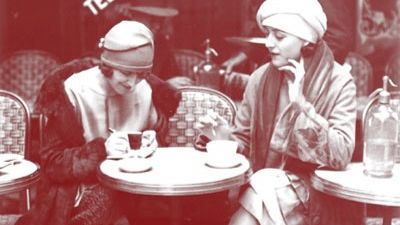
There is something quietly devastating about realizing that some of the most brilliant minds in literary history were essentially written out of it. Not because their work was poor. Not because readers didn’t care. Simply because they were women. Their erasure from literary history isn’t accidental. It results from systematic exclusion, one that prioritized male voices while silencing female innovation.
Since the Nobel Prize for Literature was created in 1901, only 15 women and 101 men have won. That number alone should give you pause. The literary world has long operated on an unspoken hierarchy, and women have consistently been placed near the bottom of it. These ten authors prove, beyond any doubt, that the hierarchy was always wrong. Let’s dive in.
1. Jessie Redmon Fauset – The Woman Who Built the Harlem Renaissance

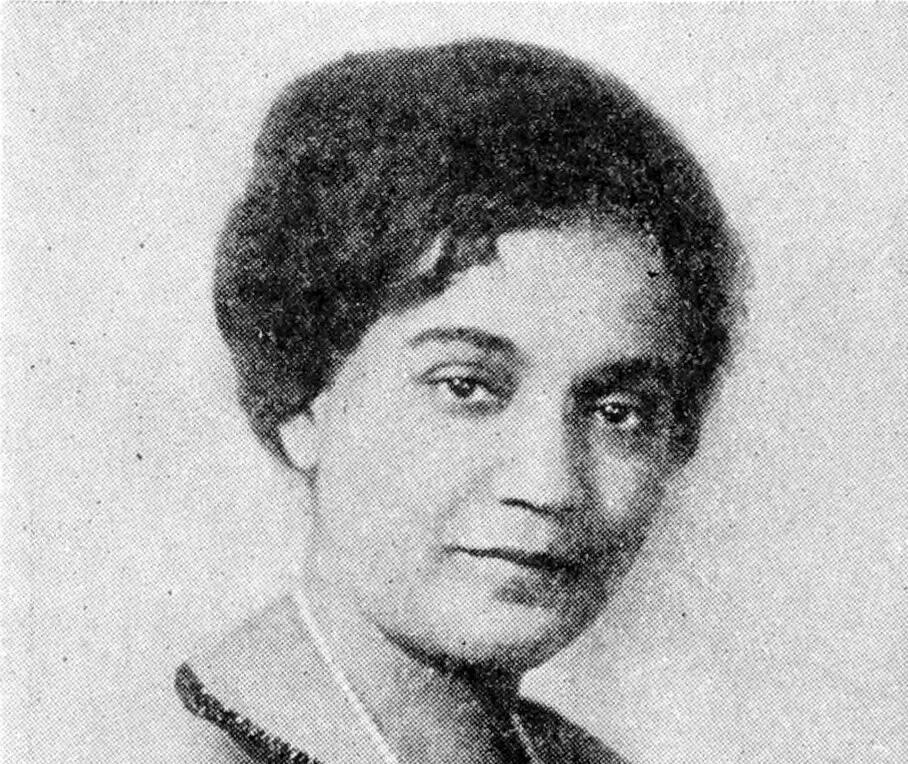
Here’s a name that should be in every literary conversation but rarely shows up in any of them. Jessie Redmon Fauset (1882–1961) was a key figure in the African American literary movement of the 1920s known as the Harlem Renaissance. As literary editor of The Crisis, the publication of the NAACP, she promoted the early careers of Harlem Renaissance luminaries including Langston Hughes, Jean Toomer, Claude McKay, and Countee Cullen.
According to scholars, Jessie Fauset is perhaps the most forgotten of the Harlem Renaissance’s pioneers. Langston Hughes himself described Fauset as one of the “midwives” of the Harlem Renaissance, placing her equally alongside two male pioneers of the era, Charles S. Johnson and Alain Locke. Yet her own name was eventually buried under those she helped to elevate.
Through her novels, Fauset explored themes of racial identity, colorism, and the search for personal fulfillment within a racially segregated society. Her work not only provided nuanced portrayals of the African American experience but also challenged the prevailing stereotypes and limitations imposed on Black women both within and outside their communities. In short, she was doing the work decades before it became fashionable to acknowledge it.
2. Nella Larsen – The Harlem Renaissance’s Most Powerful Psychologist

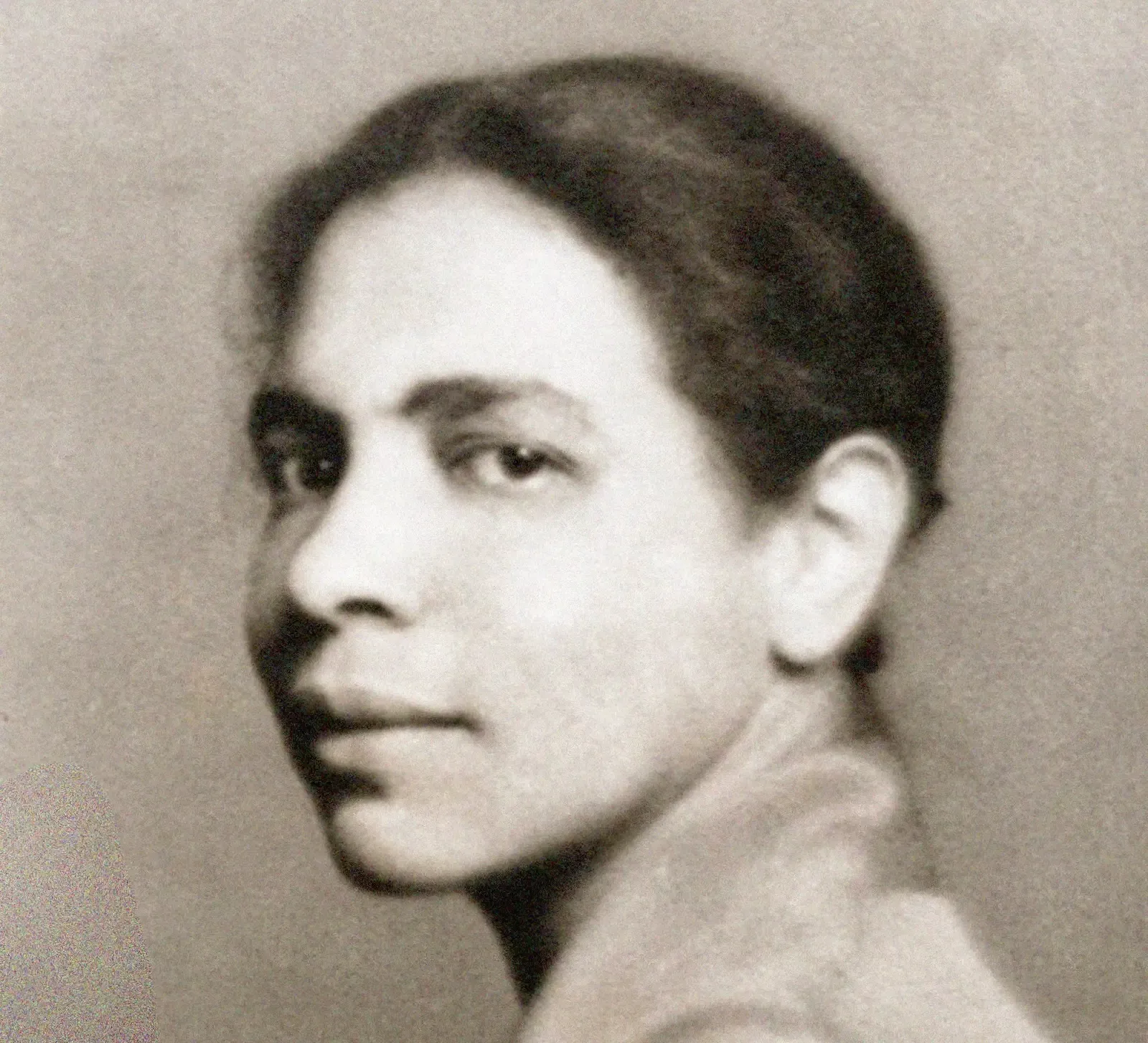
Nella Larsen wrote just two novels. Two. Yet the depth packed into those slim volumes is almost impossible to overstate. In 1928, she published her acclaimed novel “Quicksand,” which explores themes of racial identity and personal fulfillment through the story of Helga Crane, a woman of mixed heritage. Her second novel, “Passing,” released in 1929, further established her literary talent and earned her a Guggenheim Fellowship, making her the first Black woman to receive this honor.
Nella Larsen (1891–1964) may not have produced a large body of writing, but is considered one of the most influential voices of the Harlem Renaissance. As a mixed-race woman whose background included starkly different cultures, the theme of her life, and in effect, her work, was a sense of never belonging, not to any community, nor even to an immediate family.
Larsen’s novels “Quicksand” (1928) and “Passing” (1929) explored themes of racial identity, gender, and belonging with a psychological depth that wouldn’t be matched for decades. Honestly, she feels more relevant now than she did then. The conversations she was writing about are still happening.
3. Edna Ferber – A Pulitzer Winner Nobody Talks About

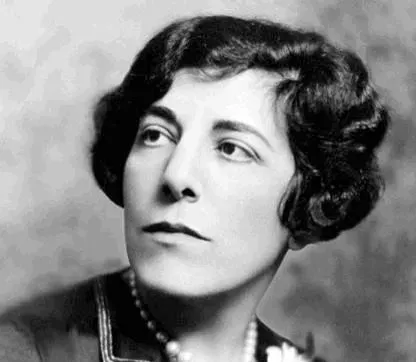
Let’s be real. If a man had won the Pulitzer Prize, written massive bestsellers, and had his stories turned into major Broadway productions, he would be required reading in every English classroom in America. Edna Ferber (1885–1968) was one of the most successful mid-20th-century authors, primarily the 1920s through the early 1950s, with earning power to prove it. Her reputation was cemented with “So Big” (1924), a surprise bestselling novel that was awarded the 1924 Pulitzer Prize for fiction.
Ferber wrote “So Big” in 1924, at a time when women were still wearing bustles, yet she was already writing about poverty, sexism, and the importance of education. She shed light on a multitude of important social and political issues, and she did it beautifully, without preaching or proselytizing.
Edna Ferber was, as some critics put it, a literary genius, and it’s essentially a travesty that she isn’t a household name. Her novel “Show Boat” later became the basis for one of the most celebrated musicals in American theater. The irony of a forgotten woman creating something so universally beloved is almost too much to sit with.
4. Djuna Barnes – The Most Famous Unknown of the Century

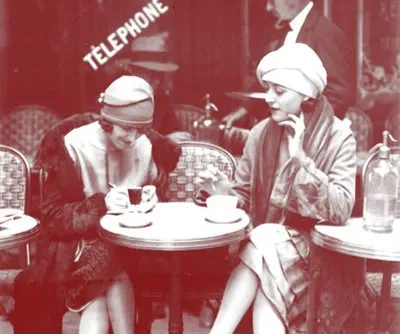
Djuna Barnes (June 12, 1892 – June 18, 1982) was an American artist, illustrator, journalist, and writer who is perhaps best known for her novel “Nightwood” (1936), a cult classic of lesbian fiction and an important work of modernist literature. The word “cult” is telling. She deserved a much wider stage.
“Nightwood” is a 1936 novel first published by Faber and Faber. It is one of the early prominent novels to portray explicit homosexuality between women and can be considered lesbian literature. It is also notable for its intense, gothic prose style. The novel employs modernist techniques and was praised by modernist authors including T. S. Eliot, who edited the novel, helped publish it, and wrote an introduction included in the 1937 edition.
Barnes, though one of the great modernist writers, never reached the heights of fame that her contemporaries T. S. Eliot, Virginia Woolf, and William Faulkner did, and she was never able to top the critical success of “Nightwood,” which sold poorly despite the praise-filled reviews. A world-class talent, undone in part by a world not yet ready for her.
5. Mary Elizabeth Braddon – The Queen of Sensation Fiction

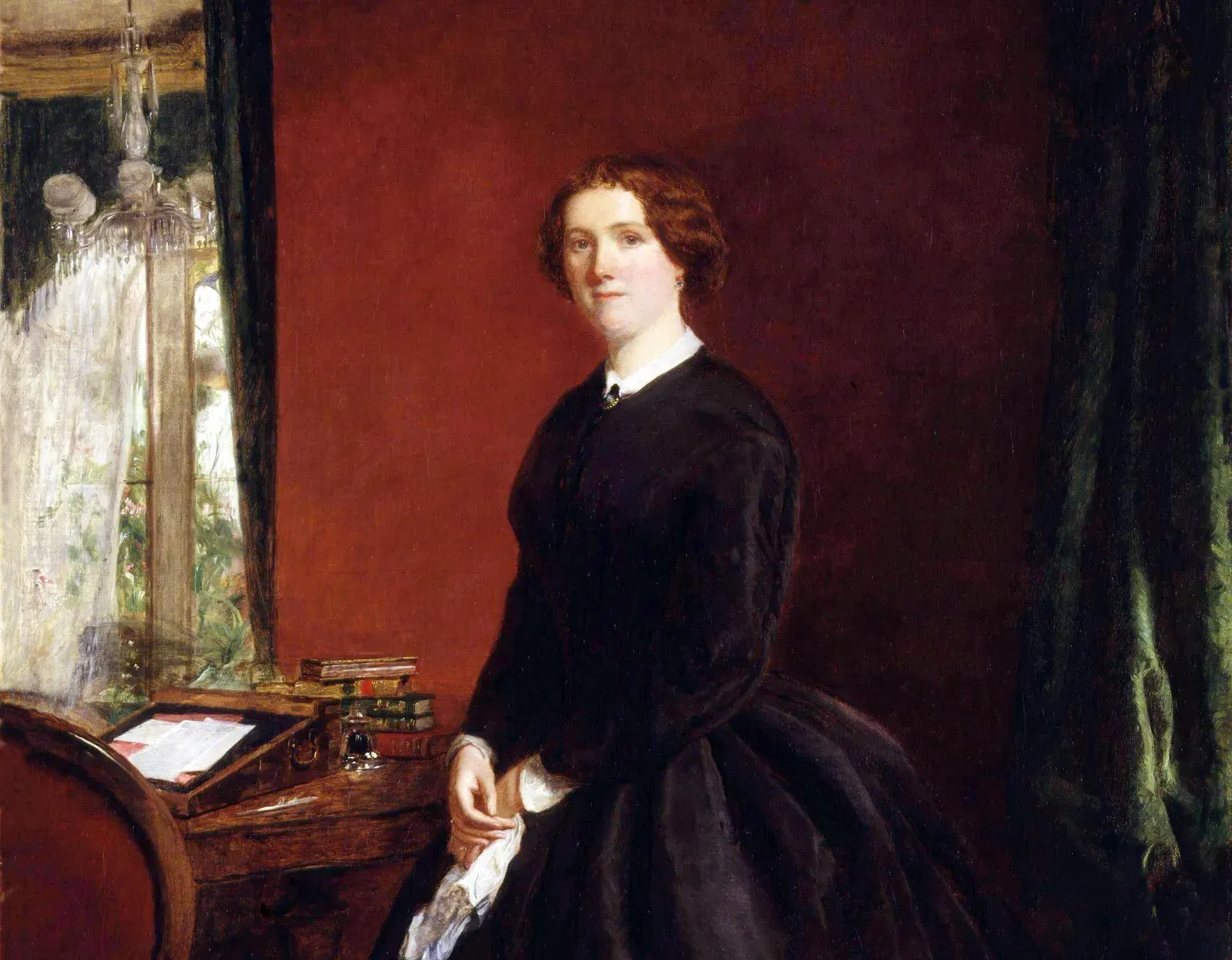
Before psychological thrillers were dominating bestseller lists, Mary Elizabeth Braddon was crafting page-turners that made Victorian readers gasp. At a time when psychological thrillers were not yet dominating bestseller lists, Mary Elizabeth Braddon was already crafting page-turners that captivated mass audiences. Her 1862 novel “Lady Audley’s Secret” sold more copies than almost anything published in that era.
During the second half of the nineteenth century, when printing technologies enabled the mass production of cheap newspapers and magazines that needed a steady supply of material, many of the writers supplying that work were women. The middle classes were demanding reading material, and the plethora of magazines, newspapers, and cheap books meant a robust marketplace for authors. Women had limited career opportunities, and writing was probably more appealing than some of the other avenues open to them.
Braddon produced over 80 novels across her career. Eighty. That kind of output, combined with genuine popular success, should have guaranteed immortality. It didn’t. Her name faded even as the genre she helped create exploded into one of the most commercially dominant forms of fiction in the world. I think there’s something deeply unfair about that.
6. Barbara Pym – The Quiet Genius of English Fiction

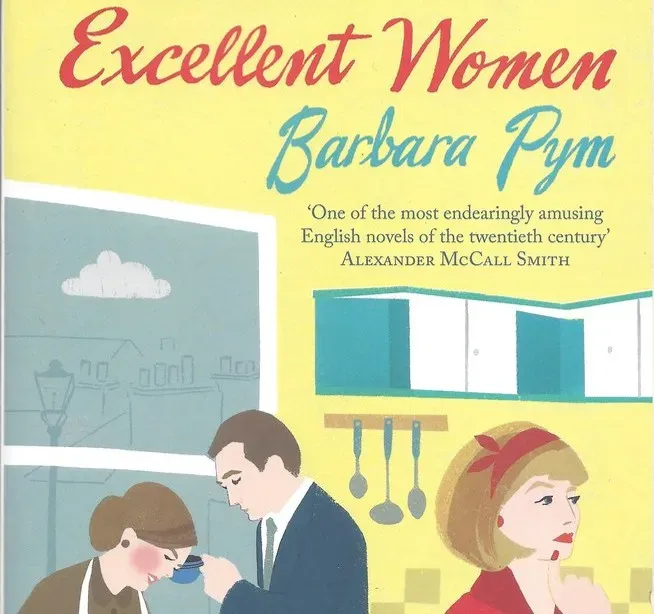
Barbara Pym is one of those writers who rewards the reader who is paying attention. There’s no fireworks in her prose. No grand drama. Just an almost surgical precision in observing human life at its most ordinary and, somehow, its most profound. As a chronicler of quiet, unassuming lives, Barbara Pym has no equal. In the words of Kingsley Amis, “she never received her due as one of the best English novelists born in this century.” This despite the fact that she left behind a body of work which abundantly demonstrates her mastery of a particular kind of writing, sharply observed, ironic, and emotionally rich stories about middle-class English life.
Partner offer

In the decades since Virginia Woolf published “A Room of One’s Own,” change has come slowly in terms of how women’s literature is viewed. With some notable exceptions, unless they tackle the “Big Issues,” women writers are either ignored or dismissed as lightweight. This is particularly true of the so-called “domestic novel,” a term typically applied to novels written by English women which are largely concerned with love, marriage, and property.
Pym was famously rejected by publishers for over a decade in the middle of her career, only to be rediscovered and praised as a major literary talent near the end of her life. In recent years, the critical tide has begun to turn, and women’s fiction and the domestic novel are finally being taken seriously as literature in their own right. Still, far too few readers know her name.
7. Anzia Yezierska – The Voice of the Immigrant Woman

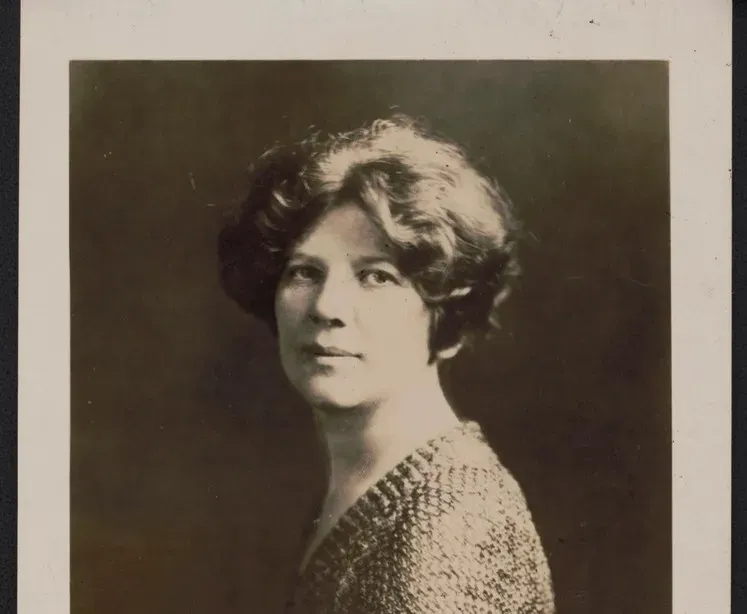
Imagine arriving in New York with nothing. No English. No money. No connections. Then writing your way into one of the most distinctive literary voices of the early twentieth century. That is essentially the story of Anzia Yezierska. Yezierska wrote a novel about growing up as a Jewish immigrant in 1920s Manhattan. Sara Smolinsky’s father is an Orthodox rabbi, rigid and unyielding in his interpretation of the faith. But Sara is fiercely independent, and her passionate struggle to live her life the way she wants is nothing short of inspirational.
Yezierska’s novels and short stories were drawn directly from lived experience, and the rawness of that experience gives her writing a quality that polished, comfortable prose simply cannot replicate. Her 1925 novel “Bread Givers” is routinely described as one of the essential documents of the immigrant experience in America. It’s hard to say for sure why she fell out of favor, but the pattern is familiar enough: a female writer celebrated briefly, then quietly shelved.
Historically, it has been almost impossible to get work by women writers labeled “literary,” much less classic, and consequently, deserving, potentially life-changing masterpieces have slipped through the cracks. Yezierska’s trajectory is one of the clearest examples of that truth in action.
8. Dorothy West – The Last Survivor of the Harlem Renaissance

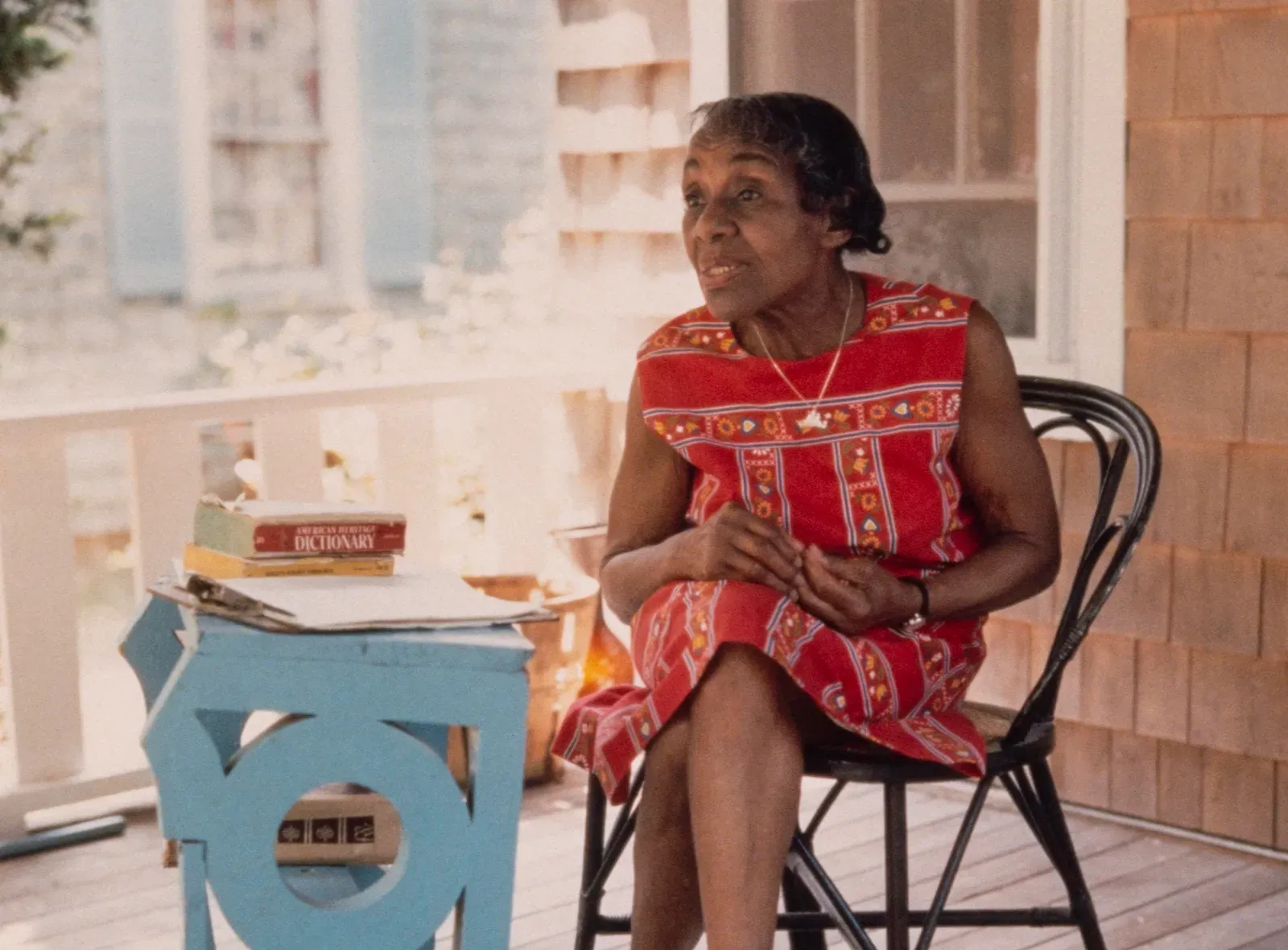
Dorothy West lived to be 91. She outlasted almost every contemporary she had. She also, for decades, outlasted her own reputation. Dorothy West was one of the few Black women writers to be published in the 1940s, and her novel about the ambitious, clever, and somewhat devious Cleo Judson is a masterpiece of subtlety.
Dorothy West’s novels portray prestigious northeastern African American elites and often satirize Black people who conform to white upper-class values. That kind of sharp social critique, delivered with literary grace, is exactly the sort of thing that wins prizes, fills syllabi, and earns legacies. West got none of that for most of her life.
Her novel “The Living Is Easy” was published in 1948. Her second novel, “The Wedding,” didn’t arrive until 1995 – nearly half a century later. She finally received recognition in her final years, including the support of figures like Jacqueline Kennedy Onassis, who helped bring “The Wedding” to publication. It took that long. That really shouldn’t have been the case.
9. Rumer Godden – Where Literary and Commercial Genius Collided

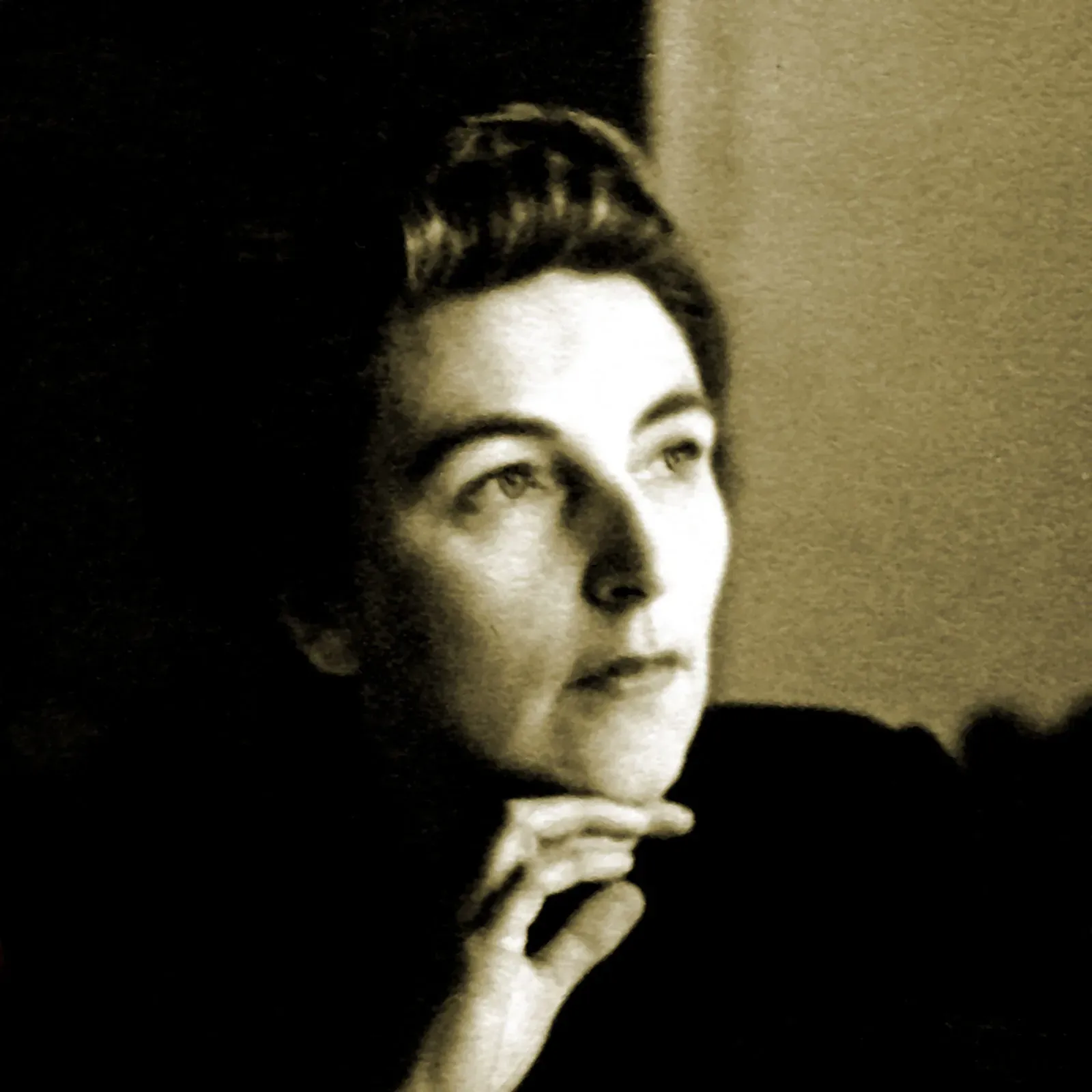
There is a peculiar bias in the literary world that treats popularity as suspicious. As if a book that too many people enjoy must somehow lack depth. Rumer Godden suffered from this prejudice more than most. A mid-20th-century favorite whose novels melded the commercial and literary, nine of them became films. One of several memoirs of her dramatic life, and arguably the best known, is “A House with Four Rooms.” In 1939, her first novel, “Black Narcissus,” was published to immediate acclaim and became a bestseller.
Godden spent much of her childhood in India during colonial rule, and that unusual upbringing gave her fiction an atmosphere and texture that was entirely her own. Her novels move between worlds with a quiet confidence that most writers spend a lifetime trying to achieve. Rumer Godden (1907–1998) was a British-born novelist and memoirist who was raised mainly in India at the height of colonial rule.
Think of her as the author who could do what many writers cannot: write a book that a professor and a beach reader could both love equally. That is not a small talent. Nine film adaptations later, she still doesn’t have the name recognition she deserves. Someone should change that.
10. May Sinclair – The Modernist Who Invented Stream of Consciousness

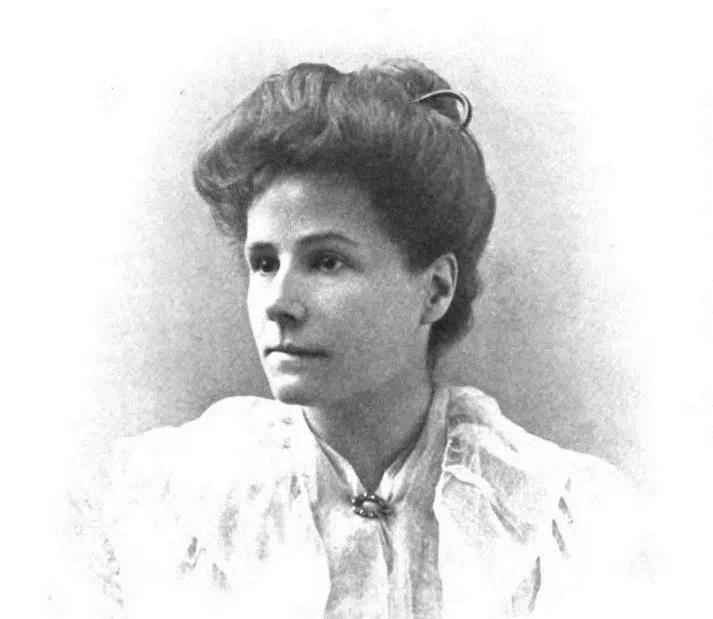
Here is perhaps the most extraordinary example of historical injustice on this entire list. May Sinclair is the person who actually coined the term “stream of consciousness” as a literary concept. She applied it to Dorothy Richardson’s “Pilgrimage” in 1918. Today, when people discuss stream of consciousness writing, they mention Virginia Woolf and James Joyce. Sinclair is almost never mentioned. What makes these modernist women’s names critical in understanding Modernist literature is that most, if not all, were not confined to writing within the parameters of fiction. Their words wove through and throughout non-fiction, playwriting, criticism, literary magazines, poetry, translating, and more.
Modernist women writers like Sinclair were well known in their day, and their names appeared regularly on bestseller lists in the early 20th century, as readers embraced their works. Some of their work has since fallen into a literary abyss, with little attention given to their writing a century later. Sinclair published over 24 novels, alongside significant philosophical and critical essays. That is not a minor footnote. That is a major literary career.
Most of these modernist women writers were connected to one another in some way, either through schooling, a crossing of literary paths, or in reviewing another’s work. Sinclair sat at the center of that network. She influenced the writers who became famous. She named the technique that defined an era. She deserves far more than a footnote.
The Bigger Picture: Why This Keeps Happening

It would be easy to treat this list as ten isolated cases of bad luck. It’s not. A 2018 study found that as female authorship of a given genre increases by 10%, its average pricing decreases by about 16.5% in traditional publishing and 5.5% in independent publishing. Conversely, as the male authorship of a given genre increased by 10%, the average pricing increased by 14.7% in traditional publishing and 7.7% in independent publishing. The market itself, in other words, has long been systematically devaluing work simply because women wrote it.
Women who were able to write often published their work under pseudonyms, including the Brontë sisters: Charlotte, Emily, and Anne, who changed their names to Currer, Ellis, and Acton Bell to publish without being questioned or ridiculed. The strategies women employed just to be taken seriously are staggering in retrospect. Many women writers were not given the proper credit or recognition they deserved, and the fact remains that with a female name, one could not and still cannot always get very far in the field. Even today, the obstacles which women writers face are challenging and numerous.
The Booker Prize, first awarded in 1969, has historically underrepresented female authors, with 36 men outnumbering the 19 female prize winners. Progress is real, but slow. Every time we read and discuss these authors, we actively participate in correcting literary history. As we continue uncovering forgotten female authors, we are doing more than just adding names to reading lists. We are fundamentally changing our understanding of literary development. That is a good reason to pick up one of these books today. Which one will you start with?
Partner offer
Planning a trip to Vegas?
Compare hotel rates and show tickets on VEGAS.com.


