There are years in music that feel, in retrospect, almost implausibly generous. A single twelve-month stretch somehow delivers not one or two great records, but a whole cluster of them – each one pointing in a different direction, each one landing hard enough to reshape what came after. It’s not a coincidence every time, but it’s also not entirely explainable.
The ten pairings below are drawn from the most seismically rich years in recorded music. In each case, the albums didn’t just coexist on a calendar – they collectively shifted the landscape, proving that sometimes the culture reaches a tipping point and multiple artists feel it at once.
1. Nirvana – Nevermind and A Tribe Called Quest – The Low End Theory (1991)
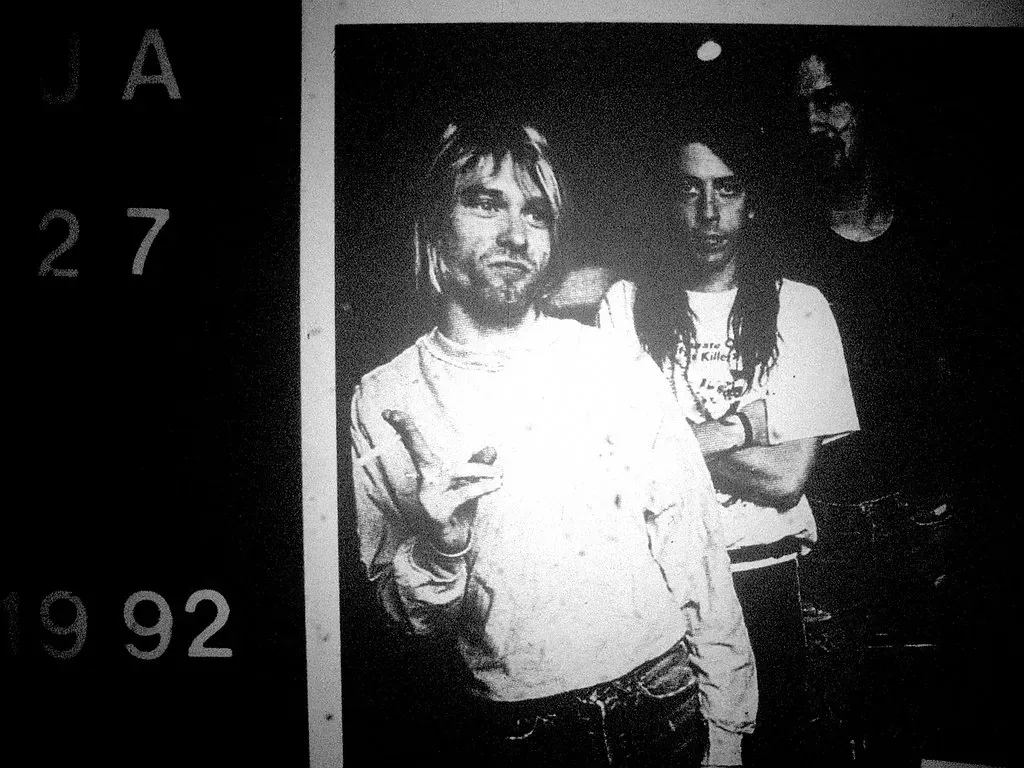
September 24, 1991, is now retrospectively considered by critics to be a seminal date in music history, as it saw the release of several key albums simultaneously. Nevermind wasn’t just an album – it was a cultural phenomenon that detonated grunge into the mainstream, with Nirvana fusing punk rock’s raw aggression and DIY ethos with pop melody, creating something simultaneously accessible and rebellious.
On the very same day, hip-hop took its own enormous leap forward. The Low End Theory, the sophomore album from A Tribe Called Quest, came to be regarded as one of the greatest albums of all time, as well as a defining album for alternative hip-hop. A Tribe Called Quest’s clever rhymes and dense, jazz-sample-heavy productions on singles like “Scenario” and “Check the Rhime” showed a new path for an entire generation of hip-hop fans. Two genres, two cities, one irreversible day.
2. The Beatles – Sgt. Pepper’s Lonely Hearts Club Band and The Velvet Underground – The Velvet Underground & Nico (1967)
Sgt. Pepper’s Lonely Hearts Club Band was more than an album – it was a world unto itself. The Beatles shed their mop-top past and embraced studio experimentation, orchestral colour, and psychedelic imagination. The album is regarded by musicologists as an early concept album that advanced the roles of sound composition, extended form, and psychedelic imagery, with an immediate cross-generational impact associated with numerous touchstones of the era’s youth culture.
Meanwhile, on the opposite end of the aesthetic spectrum, Lou Reed and John Cale’s debut with the Velvet Underground remains one of rock’s most influential provocations – songs of addiction, S&M, and urban alienation were paired with Nico’s icy vocals and distorted beauty, and though initially reviled, it later became a blueprint for punk, goth, and indie rock. In 1967 it was Sgt. Pepper’s that was hyped as groundbreaking, but The Velvet Underground’s raw debut record was to prove far more influential in the decades that followed.
3. Marvin Gaye – What’s Going On and Joni Mitchell – Blue (1971)
What’s Going On by Marvin Gaye was praised as “the moment pop music became high art.” Released in May 1971, the album marked a dramatic shift for Gaye – moving away from Motown’s traditional hit-making formula, he created a cohesive, socially conscious work that tackled issues like war, poverty and environmental destruction. Gaye produced the album himself – a revolutionary act at Motown – and the result is a painfully beautiful protest album from first track to last.
Joni Mitchell’s Blue, also from 1971, is widely considered one of the most emotionally raw and influential singer-songwriter albums ever recorded. A landmark of vulnerability and emotion, Blue strips away ornamentation, with Mitchell relying on piano, acoustic guitar, and dulcimer to create a stark, intimate canvas for her piercingly honest lyrics. Together with Led Zeppelin IV, Carole King’s Tapestry, the Who’s Who’s Next, and the Rolling Stones’ Sticky Fingers, these releases made 1971 arguably the greatest year ever for rock, pop and soul.
4. Nirvana – Nevermind and Pearl Jam – Ten (1991)
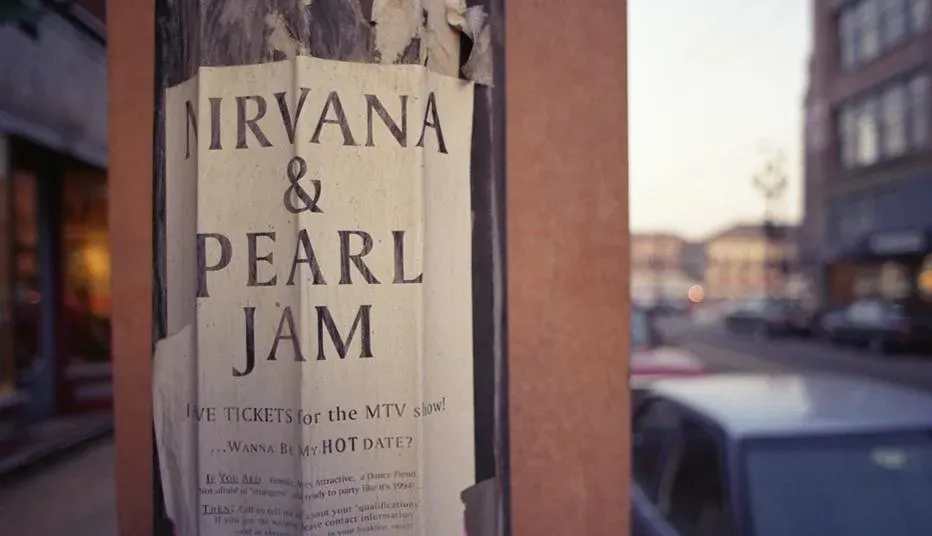
In the fall of 1991, fans were treated to a remarkable run of classics released within weeks of each other, with Pearl Jam’s Ten, Nirvana’s Nevermind, Red Hot Chili Peppers’ Blood Sugar Sex Magik and Soundgarden’s Badmotorfinger arriving almost simultaneously. Pearl Jam’s Ten not only made Pearl Jam a major force but also solidified the grunge rock genre as arguably the most popular genre of the 1990s.
Pearl Jam’s Ten was not a major success right off the bat – however, a couple of months after its initial release, the album became a bona fide hit, peaking at No. 2 on the Billboard 200 and home to the hit singles “Alive”, “Even Flow”, and “Jeremy”. Pearl Jam’s Ten arrived as a more classic rock-inflected counterpoint to Nirvana’s punk-infused grunge, yet it was equally instrumental in defining the sound of a generation, with Vedder’s tormented baritone vocals combined with a dual guitar attack creating a powerful, anthemic sound deeply rooted in 70s rock while feeling entirely contemporary.
5. U2 – Achtung Baby and R.E.M. – Out of Time (1991)

In addition to ushering in the new with breakout acts, 1991 was an incredible year for alt-rockers of the previous decade to reinvent themselves. The most pronounced example was U2, who responded to the backlash against “Rattle and Hum” by embracing irony, post-modernism and European club music for Achtung Baby. Producers Daniel Lanois and Brian Eno helped them weave layers of distortion, industrial textures, and dance beats into their signature sound, with Bono’s lyrics taking on a more personal, cynical edge, and Achtung Baby proving a bold, risky move that paid off spectacularly.
Partner offer
The album spun off megahits like “Mysterious Ways”, “Even Better Than the Real Thing” and the signature ballad “One”, while U2’s American peers R.E.M. were also preparing to level up with their own radical departure, Out of Time. Out of Time by R.E.M. was the first to throw down the gauntlet for alt-rock in the mainstream, riding in on a mandolin on “Losing My Religion”. Two veteran bands, both refusing to stand still.
6. Led Zeppelin IV and Carole King – Tapestry (1971)

In 1971, Led Zeppelin IV towered above a year already brimming with legendary releases, setting new standards for what a rock album could achieve commercially and artistically, becoming a global phenomenon and solidifying Zeppelin as the definitive hard rock band of the decade. Led Zeppelin IV is a towering hard-rock statement that includes one of the most iconic songs in music history in “Stairway to Heaven.”
Meanwhile, Tapestry by Carole King redefined the singer-songwriter era, pairing deeply personal lyrics with instantly memorable melodies. With its mix of heartfelt ballads and soulful pop, the album showcased King’s extraordinary gift for capturing universal emotions in everyday language, and her warm, unvarnished voice and piano-led arrangements gave the record an intimacy that resonated across generations. In a year crowded with landmark releases, Tapestry stood out as both a commercial triumph and an artistic high point, shaping the sound of the ’70s.
7. Metallica – The Black Album and Nirvana – Nevermind (1991)

Although 1991 is the year that grunge music made its popular breakthrough, heavy metal was still the dominant form of rock music for the year – therefore Nirvana’s Nevermind, led by the surprise hit “Smells Like Teen Spirit”, was not actually the most popular U.S. album of the year. The most popular album was Metallica’s self-titled “black album”.
Metallica’s hardcore fans found their 1991 self-titled disc to be a betrayal – metal bands weren’t supposed to score huge radio hits or write songs as catchy as “Enter Sandman” or as gentle as “Nothing Else Matters.” They may have lost some stubborn old fans, but they more than made up for it by bringing in a whole generation of new ones. Two records, two completely different artistic directions, sharing a chart and a cultural moment neither could have anticipated.
8. The Jimi Hendrix Experience – Are You Experienced and Pink Floyd – The Piper at the Gates of Dawn (1967)
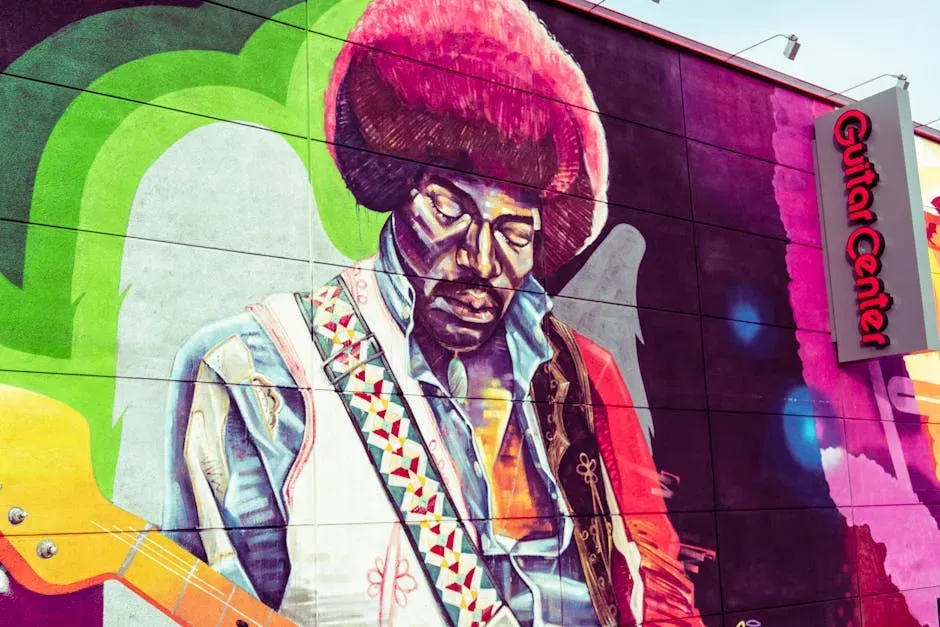
Jimi Hendrix didn’t just reinvent the guitar with Are You Experienced – he expanded its range in a way that ran the gamut from peace and love to LSD-inspired existentialism, and in the process he leveraged the instrument’s potential for distortion to evoke the anger and political unrest of his time. It’s hard to imagine rock’s future without Are You Experienced lighting the fuse.
Pink Floyd released their debut album, The Piper at the Gates of Dawn, on August 4, 1967 – it peaked at number 6 on the UK Albums Chart and is the only album made under the leadership of founder Syd Barrett. To reduce 1967 to acid trips and flower-power is to miss the sheer diversity and ambition of the music being made that year – across the globe, artists were redefining what a popular album could be, with the Beatles transforming the studio into an instrument itself and the Velvet Underground exposing the dark underbelly of city life.
9. Red Hot Chili Peppers – Blood Sugar Sex Magik and Soundgarden – Badmotorfinger (1991)

Blood Sugar Sex Magik, the fifth album from the Red Hot Chili Peppers, alongside Nevermind, helped to popularize alternative rock. From the nimble bass grooves of Flea to ballads like “Under the Bridge” and “I Could Have Lied”, the Peppers finally reached the peak of their powers and showed everyone they could have some heart. The album turned the band from cult favorites into one of the biggest acts on the planet.
While Nevermind might have opened the floodgates for grunge, Soundgarden’s Badmotorfinger was the album that truly showcased the genre’s heavy, psychedelic underbelly – Soundgarden doubled down on their Sabbath-esque riffs, complex time signatures, and Chris Cornell’s incredible vocal range, resulting in a dense, powerful, and often unsettling album exploring themes of spiritual and social decay. Soundgarden had been in the Seattle scene the longest, but Badmotorfinger officially made them superstars – this was them at their most concentrated, from the strange tunings on “Rusty Cage” to the feral energy of “Jesus Christ Pose”.
10. David Bowie – The Rise and Fall of Ziggy Stardust and Neil Young – Harvest (1972)
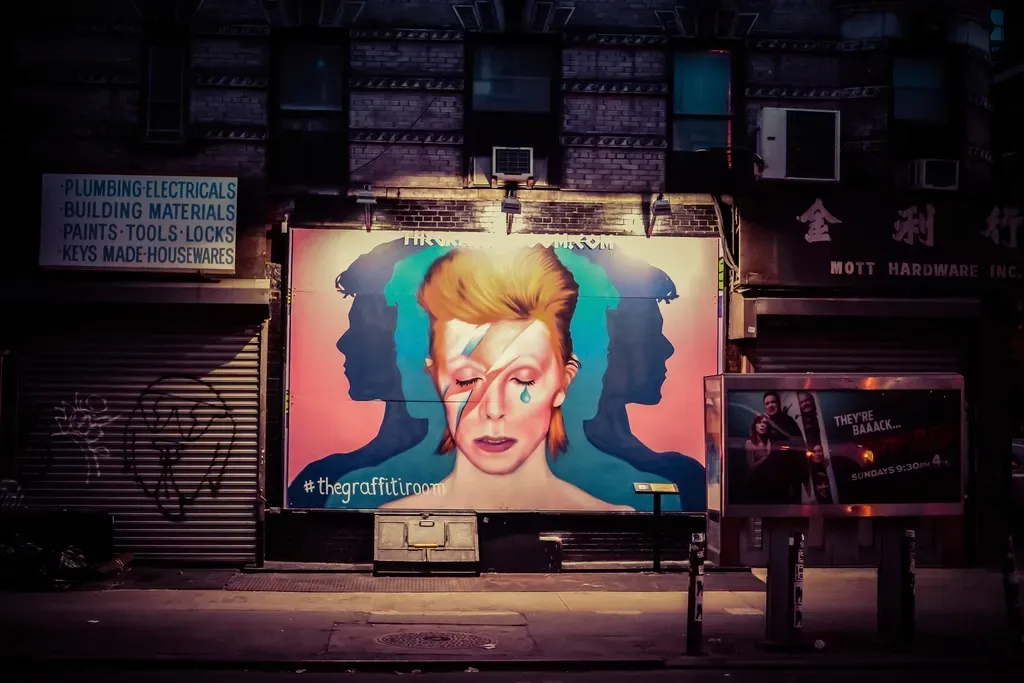
In 1972, Bowie sealed his legacy with The Rise and Fall of Ziggy Stardust and the Spiders from Mars – a powerhouse concept album that grabbed the world by the collar and demanded attention, being the album that saw Bowie become a major figure in the U.S. and introduce the first of his creative guises. It was a record that made theatricality feel urgent rather than frivolous.
Meanwhile, 1972 saw Neil Young hit the peak of his solo career with Harvest, alongside Paul Simon’s eponymous solo album and Joni Mitchell’s For the Roses. In 1972, the hard rock group Deep Purple also released their seminal sixth studio album Machine Head, while Steely Dan made their jazz fusion debut with Can’t Buy A Thrill. The year had the same quality as 1971 before it – a sense that every corner of the musical world was producing its best work simultaneously, as if the creative pressure of a decade had finally found release all at once.
Partner offer
Planning a trip to Vegas?
Compare hotel rates and show tickets on VEGAS.com.