Some riffs just sit in a song. Others rewrite the fortunes of the person who wrote them, turning a working musician into a household name overnight or resurrecting a career that seemed finished. The history of rock, metal, and blues is full of these turning points, moments when six strings and a handful of notes did more for a musician’s trajectory than years of touring ever could. What follows is a look at ten riffs that did exactly that. Each one marked a before-and-after moment for the guitarist who wrote it, whether through sheer commercial force, technical innovation, or the kind of cultural staying power that outlives trends entirely.
1. Johnny B. Goode – Chuck Berry
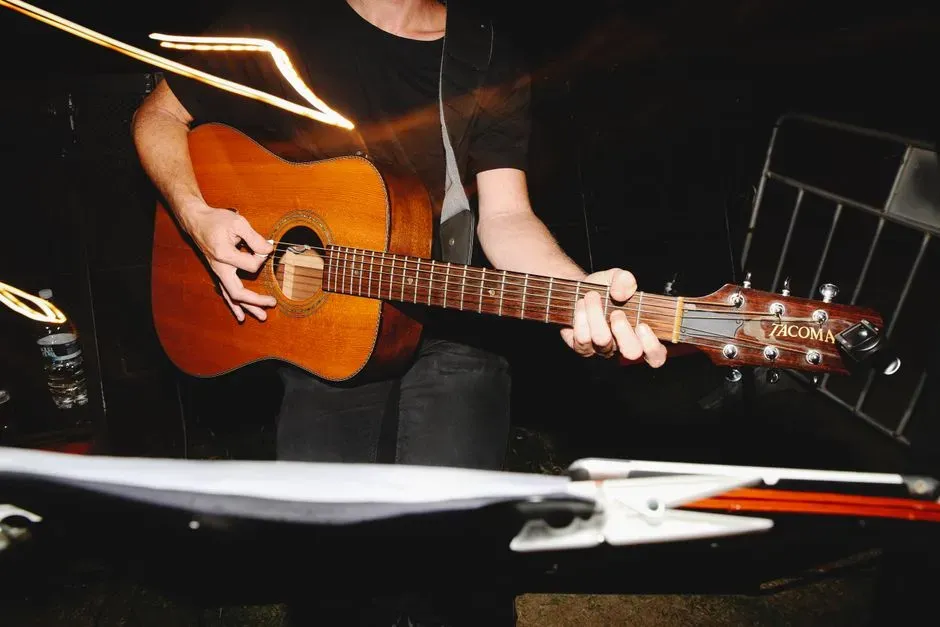
Chuck Berry’s 1958 riff didn’t just open a song, it opened a genre. The double-stop pattern he played, inspired partly by guitarist Carl Hogan’s intro on an earlier Louis Jordan recording, became the template that thousands of rock guitarists would borrow from for decades afterward. Berry was already a recording artist before this track, but “Johnny B. Goode” is the one that cemented him as rock and roll’s first true guitar hero.
The riff’s influence stretched far beyond Berry’s own catalog. Generations of players, from the Beatles to the Rolling Stones to Jimi Hendrix, have cited it as foundational listening, and its DNA runs through the opening bars of countless later hits. For Berry, it transformed a solid career into a legendary one, and it remains the riff most guitar teachers reach for when explaining where rock guitar actually began.
2. Purple Haze – Jimi Hendrix
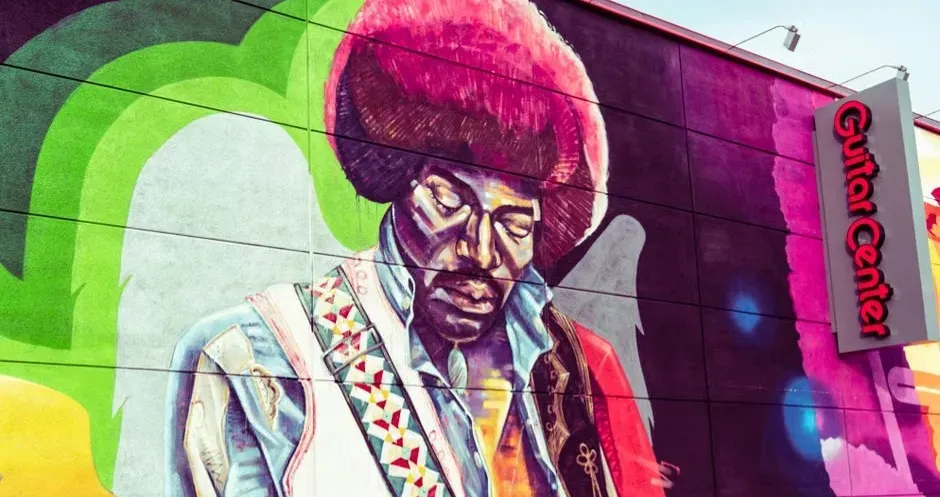
Released in 1967, Hendrix’s riff was built around what’s now known as the Hendrix chord, an extended dominant seventh voicing that sounded like nothing else on the radio at the time. Built around what is commonly referred to as the “Hendrix Chord,” an extended dominant 7th chord with an augmented sharpened ninth, this hit and its sonically stunning riff worked magic on generations of musicians. Hendrix himself said the song grew out of an unusual source of inspiration. Because of ambiguities in the lyrics, listeners often interpret the song as referring to a psychedelic experience, although Hendrix described it as a love song.
The song’s impact on Hendrix’s career was immediate and lasting. “Purple Haze” is one of Hendrix’s best-known songs and was inducted into the Grammy Hall of Fame, appearing on lists of the greatest guitar songs including at number two by Rolling Stone and number one by Q magazine. It confirmed, within months of his commercial debut, that Hendrix was operating on a different level than his peers, and it gave him the platform to push guitar playing into territory nobody had mapped before.
3. Whole Lotta Love – Jimmy Page

Jimmy Page had already built a reputation as a session player and Yardbirds veteran before Led Zeppelin II landed in 1969, but this riff is the one that turned him into rock’s reigning guitar architect. Jimmy Page would easily be a shoo-in for “Greatest Guitar Riff Master of All Time,” and the riff from “Whole Lotta Love,” between the bluesy and strikingly heavy main phrase and the jaw-dropping solo work, is the Holy Grail of riffs for Zep fans. The riff’s blues roots and sheer weight gave Led Zeppelin an identity distinct from their contemporaries, heavier and more menacing than anything else charting at the time.
Some fans still argue “Stairway to Heaven” deserves the crown, but the consensus has settled elsewhere. History has largely chosen “Whole Lotta Love” as the greatest guitar riff from Led Zeppelin. For Page, it was the riff that proved his post-Yardbirds project wasn’t a side venture but the beginning of one of rock’s defining bands, and it set the commercial and creative tone for everything Zeppelin did afterward.
4. Iron Man – Tony Iommi

Tony Iommi’s 1970 riff didn’t just define a song, it arguably invented an entire genre’s vocabulary. Iommi’s monolithic, plodding riff is the sound of heavy metal itself, slow, low, and heavier than anything that came before it, creating a blueprint for an entire genre’s attitude. Black Sabbath had already released their self-titled debut, but “Iron Man” is the track that showed the world what Iommi’s downtuned, doom-laden style could do commercially.
The song’s slow-burn success only added to its legend. “Iron Man” didn’t reach the Top 40 upon its original issue, but took on legend through repeated FM spin, and today it is a genre-defining single that delivered entire generations the dark, heavy feel of rock. For Iommi, whose playing style was partly shaped by a factory accident that cost him two fingertips, this riff proved that limitation could become innovation, and it made him one of the most influential riff writers in rock history.
5. Smoke on the Water – Ritchie Blackmore

Few riffs are as tied to a single, chaotic night as this one. Deep Purple were in Montreux, Switzerland to record what became Machine Head when Frank Zappa and the Mothers of Invention were performing at the Montreux casino when the wooden roof caught fire after a spectator fired a flare gun, forcing Deep Purple to abandon their recording plans and improvise elsewhere. Out of that disaster came a riff Blackmore built partly on classical influence. Although the riff is written in the blues scale and harmonized in parallel fourths, Blackmore claims he wrote it by tapping into his love of classical music, describing the famous passage as an interpretation of Beethoven’s Symphony No. 5.
The riff’s simplicity became its superpower. It’s a fact of life that few four-note riffs are as legendary as Deep Purple’s “Smoke on the Water,” and hardly any riff has had anywhere near the same cultural and musical impact over the past five decades. For Blackmore, it became the single most recognizable calling card of his career, a riff so ubiquitous it’s often the very first thing new guitarists are taught.
Partner offer
6. Eruption – Eddie Van Halen
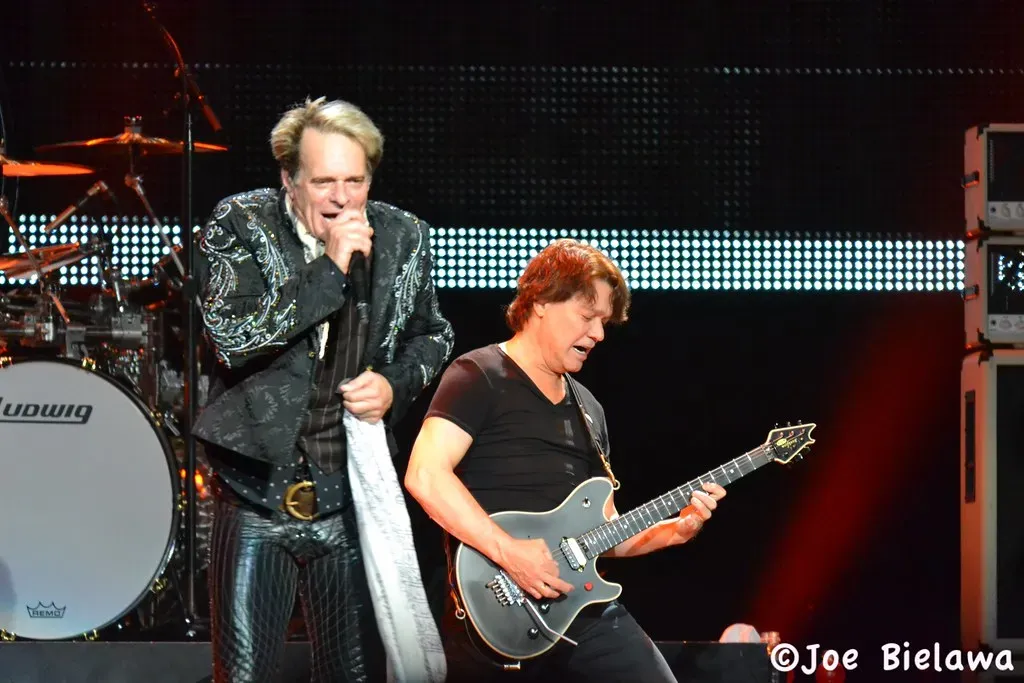
Van Halen’s 1978 instrumental wasn’t even supposed to make the album. The song wasn’t intended to be released; Eddie showed up early to the studio to warm up because he had a gig that weekend, and though he’d been mixing the solo into the band’s live show, he’d never considered recording it. A chance moment changed everything. As he rehearsed it, the sound garnered attention, and producer Ted Templeman happened to walk by, asked what it was, and told him to put it on tape.
The technique Van Halen showcased reshaped how an entire generation approached the instrument. In just one minute and 42 seconds, Van Halen changed what a guitar solo could do, with his revolutionary two-handed tapping technique producing sounds unlike what fans had ever heard before. It took a self-taught guitarist from Pasadena and made him, almost instantly, the most imitated player of his era, a status that shaped his entire career going forward.
7. Back in Black – Angus Young
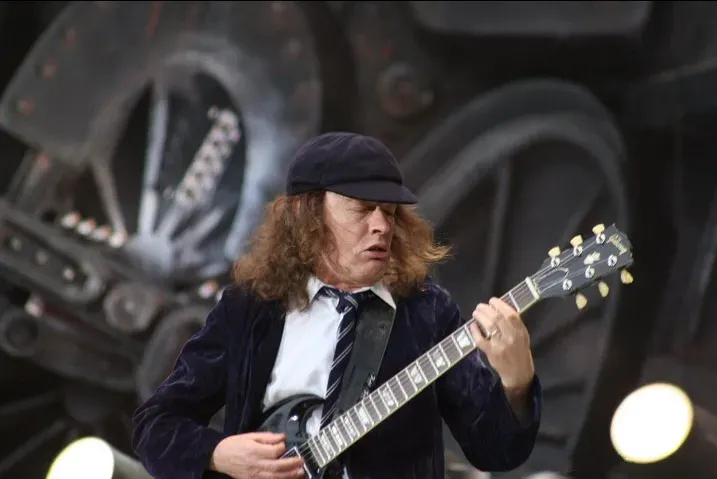
AC/DC’s 1980 riff carries weight beyond its musical simplicity because of the circumstances behind it. Written and recorded after the death of original singer Bon Scott, the song became the band’s tribute and, in commercial terms, their rebirth. Angus Young’s central riff, built on a descending pattern that’s instantly singable even by non-guitarists, gave the band a signature sound that survived the loss of their frontman and introduced new singer Brian Johnson to the world.
For Young, this riff cemented a playing style built on economy rather than flash, proving that a handful of well-placed chords could carry as much weight as any technical showcase. The album built around it went on to become one of the best-selling rock records of all time, and the riff itself remains a staple of guitar shops and beginner lesson books worldwide. It didn’t just save the band’s momentum after tragedy, it arguably made AC/DC bigger than they’d ever been before.
8. Sweet Child O’ Mine – Slash

Slash has spent years correcting the myth that this riff started as a warm-up exercise. Slash explained the rumor was false, clarifying that he was sitting around the house where Guns N’ Roses used to live around 1986 and just came up with the riff, messing around and putting notes together like any riff you’d write. The song’s origin was casual, almost accidental, growing out of a jam that Izzy Stradlin and Axl Rose happened to overhear.
What happened next turned Guns N’ Roses from a hardcore rock band into a mainstream phenomenon. The song came from the group’s 1987 debut, Appetite for Destruction, and reached number one on the Billboard Hot 100, remarkably the band’s only single to achieve that feat. For Slash, the riff became inseparable from his identity as a guitarist, a piece of music so recognizable that it’s since been voted the most iconic rock riff of all time in public polling.
9. Enter Sandman – Kirk Hammett
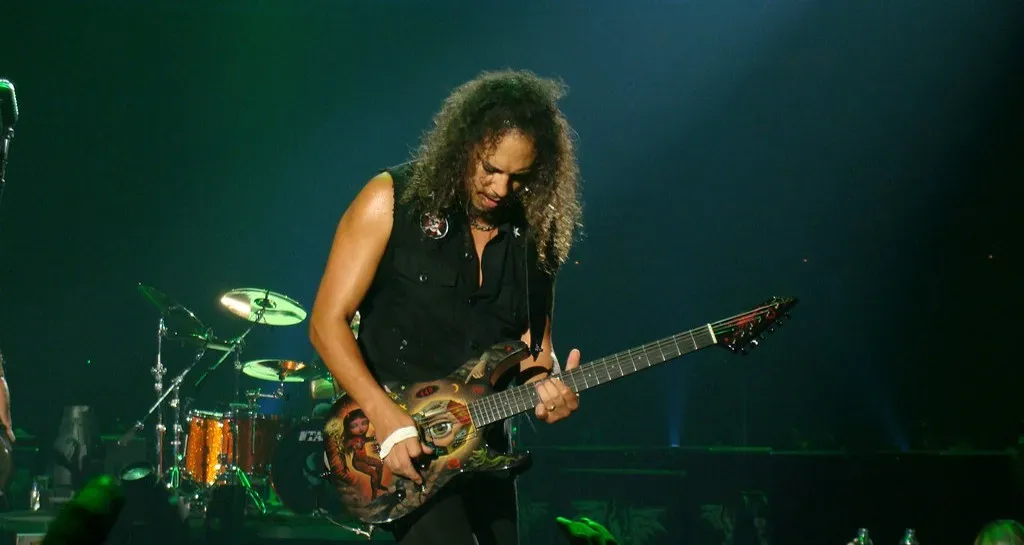
Kirk Hammett wrote the main riff for this 1991 track late at night, inspired by an album from a different band entirely. Hammett wrote the main riff at two or three in the morning after listening to Louder Than Love, the second Soundgarden album, saying he was inspired, picked up his guitar, and the riff came out. Drummer Lars Ulrich made one crucial suggestion that shaped its final form. Hammett’s original riff was only two bars in length, and Ulrich suggested the first bar be played three times, a switch-up that made all the difference.
The stakes for Metallica were enormous at the time, following the sprawling complexity of their previous album. With over one million copies sold in the US alone and helping push worldwide sales of the album to over thirty million copies, “Enter Sandman” is the song that marked a turning point in Metallica’s career and propelled them to the pedestal they still stand on today. It was, notably, Hammett’s first fully realized riff contribution to a Metallica song, and it ended up becoming the band’s signature.
10. Smells Like Teen Spirit – Kurt Cobain
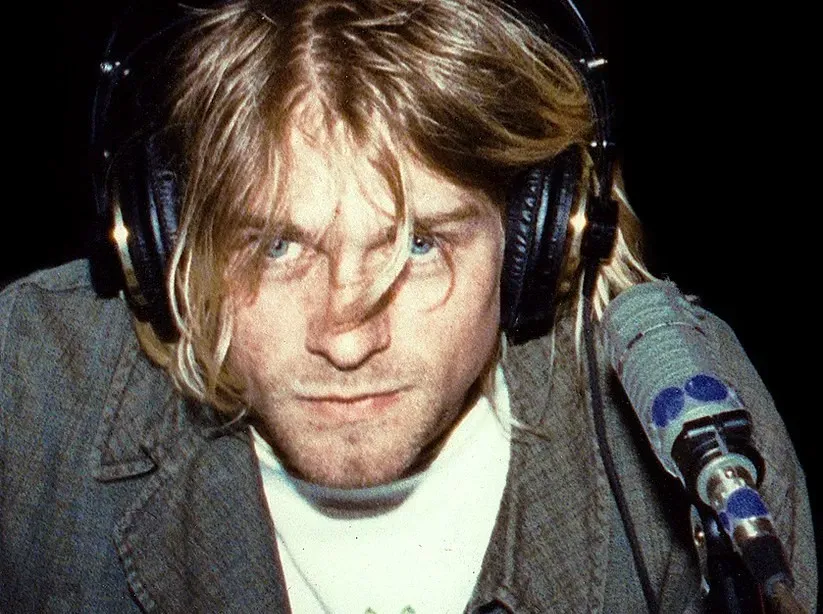
Cobain wasn’t trying to reinvent rock when he wrote this riff in 1991, he was trying to write something catchy in the style of a band he admired. Cobain was attempting to write the “ultimate pop song” and wanted to pen something in the style of Pixies, later admitting he was basically trying to rip off the Pixies, though the quiet-loud dynamic contrasts and his visceral delivery gave it a potency all its own. The four-chord riff was deliberately simple, almost anti-technical, which made it feel like a rebellion against the guitar-hero excess of the previous decade.
Its cultural weight came from timing as much as songwriting. Kurt Cobain’s quiet-loud dynamic starts with this simple, four-chord grunge anthem, its genius lying in its raw, punk simplicity and the world-altering cultural weight it carries. For Cobain, this riff ended Nirvana’s underground obscurity almost overnight, thrusting him into a level of fame he was famously uncomfortable with but which permanently changed the direction of mainstream rock music. Ten riffs, ten very different stories, but the pattern holds steady across all of them. A handful of notes, sometimes written in minutes and sometimes born out of pure accident, ended up doing more for these than years of steady work ever could. That’s the strange power of a great riff. It doesn’t ask permission, it just changes everything the moment people hear it.
Partner offer
Planning a trip to Vegas?
Compare hotel rates and show tickets on VEGAS.com.