Hollywood has always run on egos, ambition and very long memories. Most disputes fade after a bad review or a lost role, but a few stick around for decades and become part of the industry’s folklore.
The nine below aren’t all equal. Some lasted years, some lasted a lifetime, and a few ended in reconciliation. Each one is documented in interviews, memoirs or well-covered public moments.
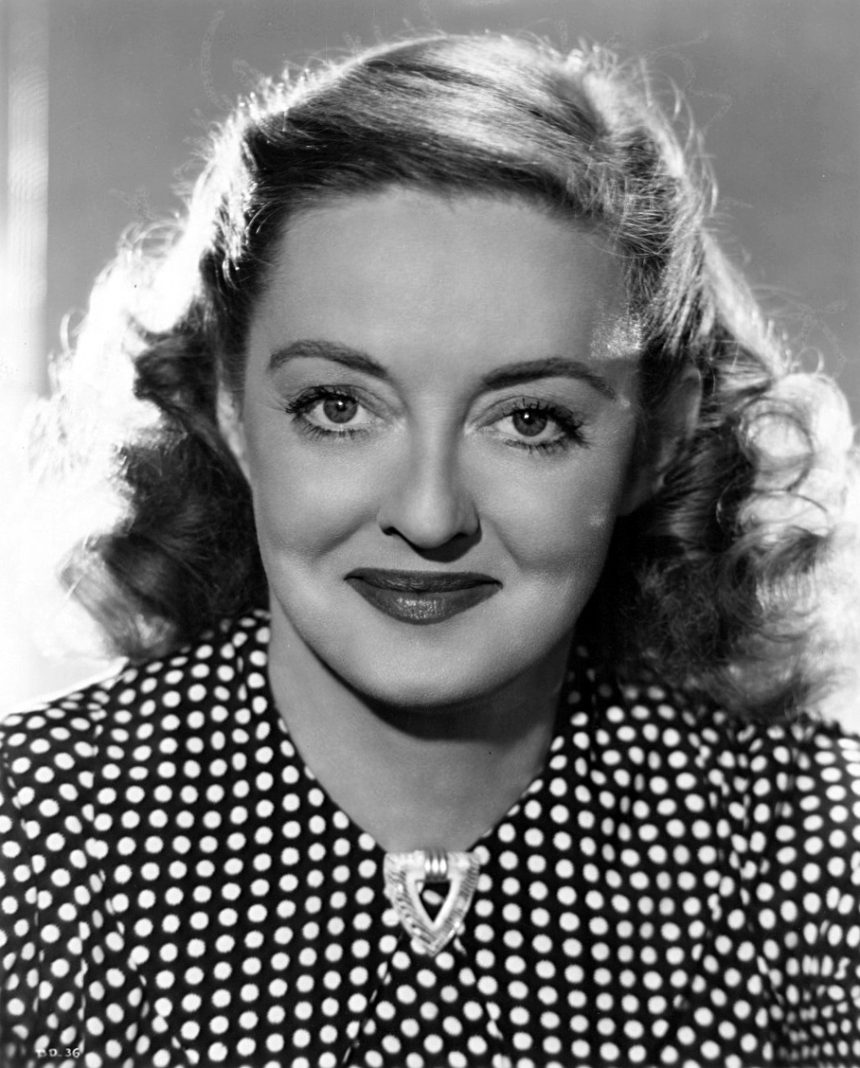
Bette Davis and Joan Crawford
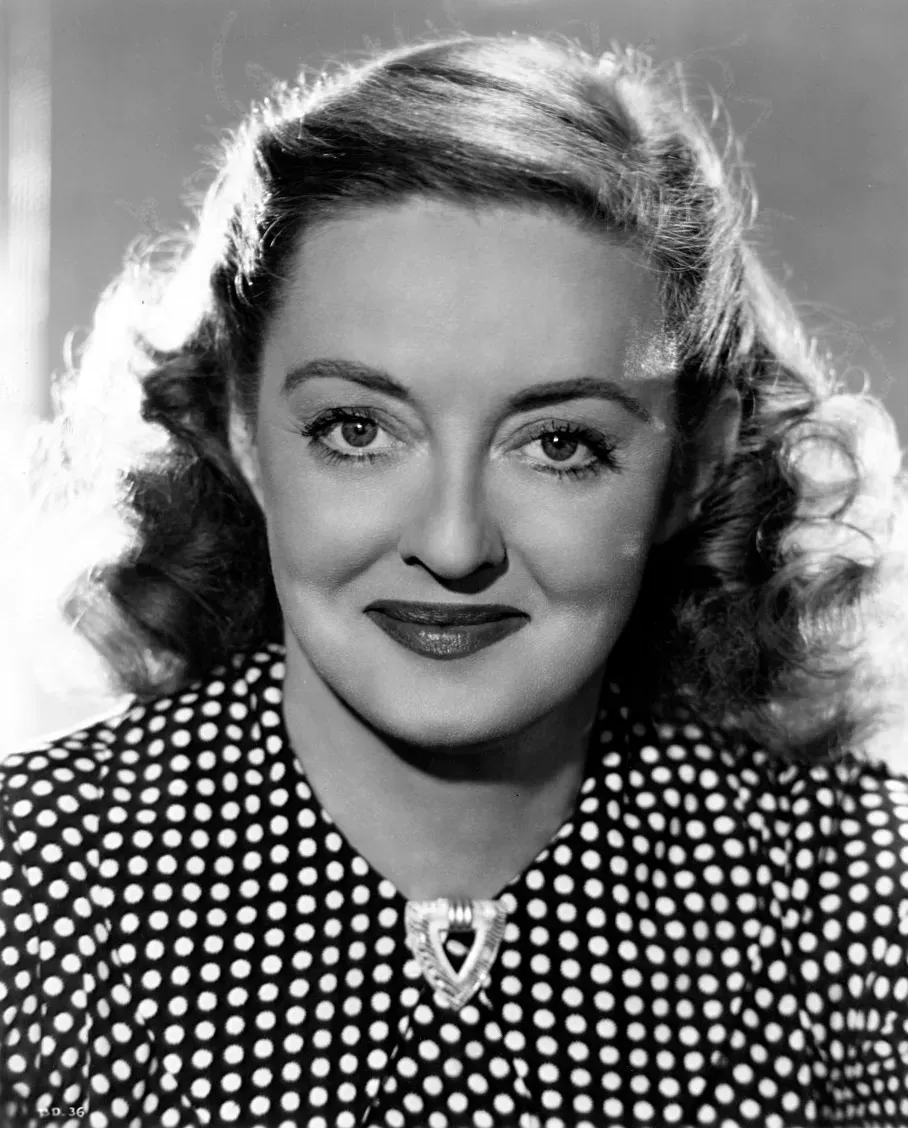
Their rivalry is probably the most famous in old Hollywood. It grew out of the studio era, when both women were major stars competing for the same kinds of roles. Davis reportedly disliked that Crawford had married Franchot Tone, an actor she admired.
The tension peaked around the 1962 thriller Whatever Happened to Baby Jane? Davis earned an Oscar nomination for it and Crawford didn’t. At the 1963 ceremony Crawford accepted the Best Actress award on behalf of Anne Bancroft, which many people saw as a pointed move. The feud was later dramatized in the 2017 television series Feud.
Olivia de Havilland and Joan Fontaine
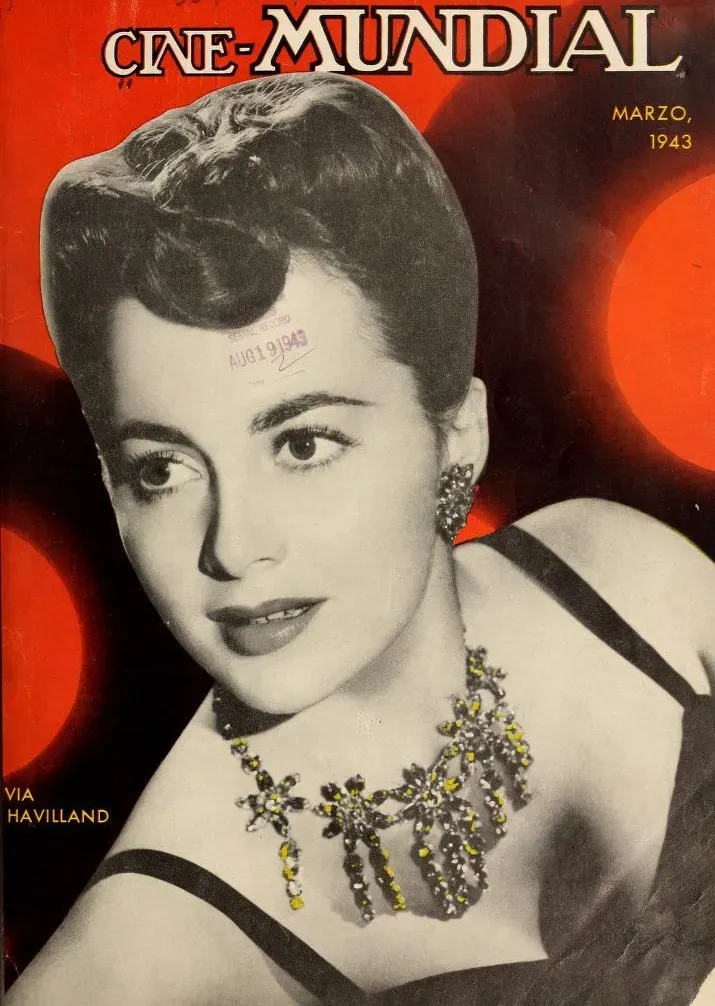
These two were sisters, which made the fallout more personal than most. Both were born in Tokyo and both became major stars. At the 1942 Academy Awards they were nominated in the same category, and Fontaine won for Suspicion.
De Havilland won her own Oscars later, for To Each His Own and The Heiress. The sisters remained distant for much of their adult lives, and Fontaine’s memoir added fuel to the story. Fontaine died in 2013, and de Havilland died in 2020 at the age of 104.
Hedda Hopper and Louella Parsons
Not every feud involved actors. Hopper and Parsons were rival gossip columnists whose words could lift a career or sink it. Parsons was already established as a Hearst columnist when Hopper began her own Hollywood column in the late 1930s.
Studios had to keep both women happy, so exclusives were often traded carefully between them. Their competition shaped how celebrity news was covered for decades. It’s an early example of how much power the entertainment press once held.
Johnny Carson and Joan Rivers
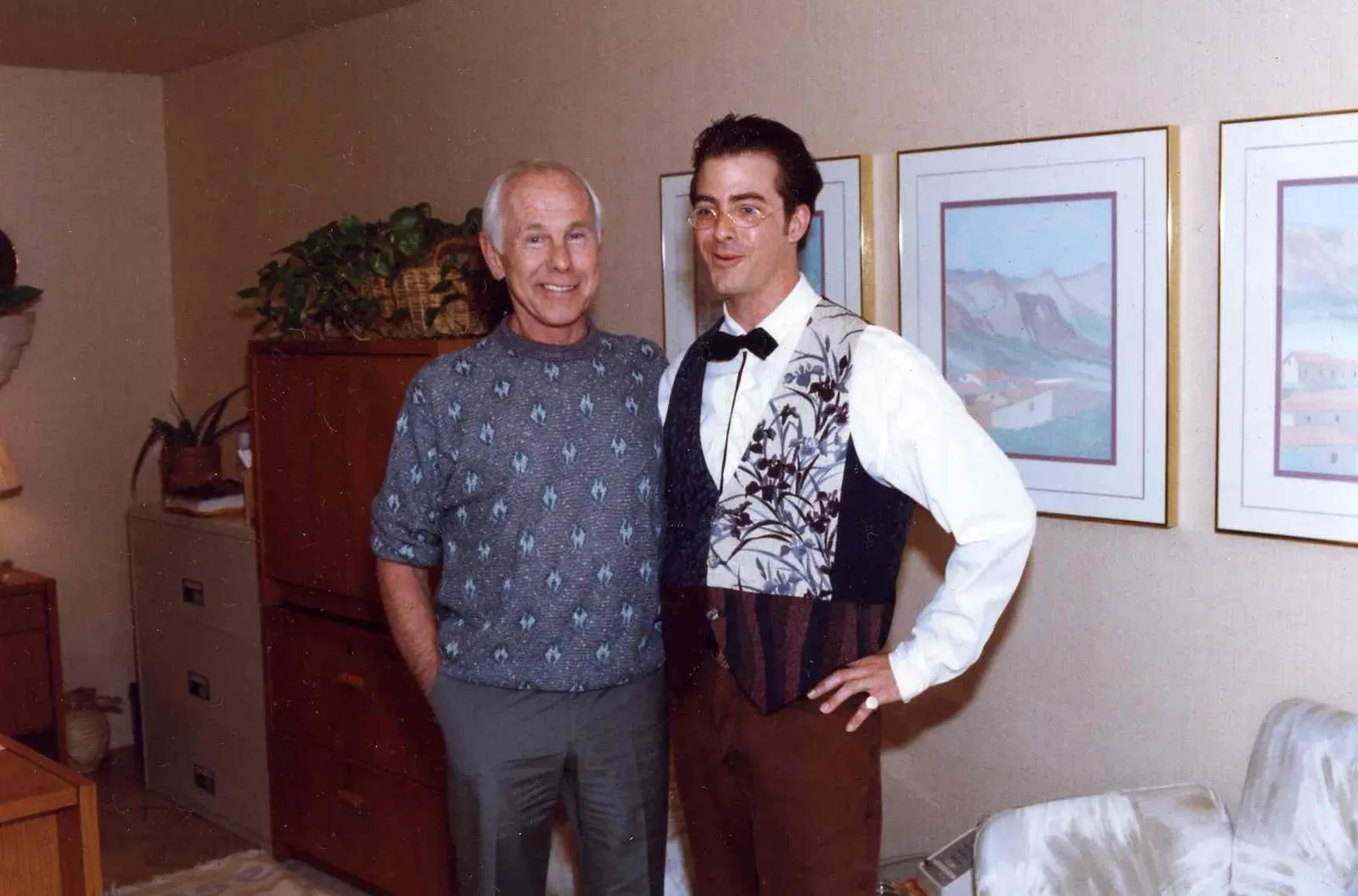
Rivers was a favorite guest on The Tonight Show and became its permanent guest host in the 1980s. In 1986 she accepted her own late night show on the new Fox network, going head to head with the man who had championed her. Carson felt betrayed, partly because she hadn’t told him first.
The two never spoke again. Rivers talked about the rift for years afterward, and it hung over the rest of her career. Carson died in 2005, and the silence was never publicly repaired.
Bill Murray and Harold Ramis
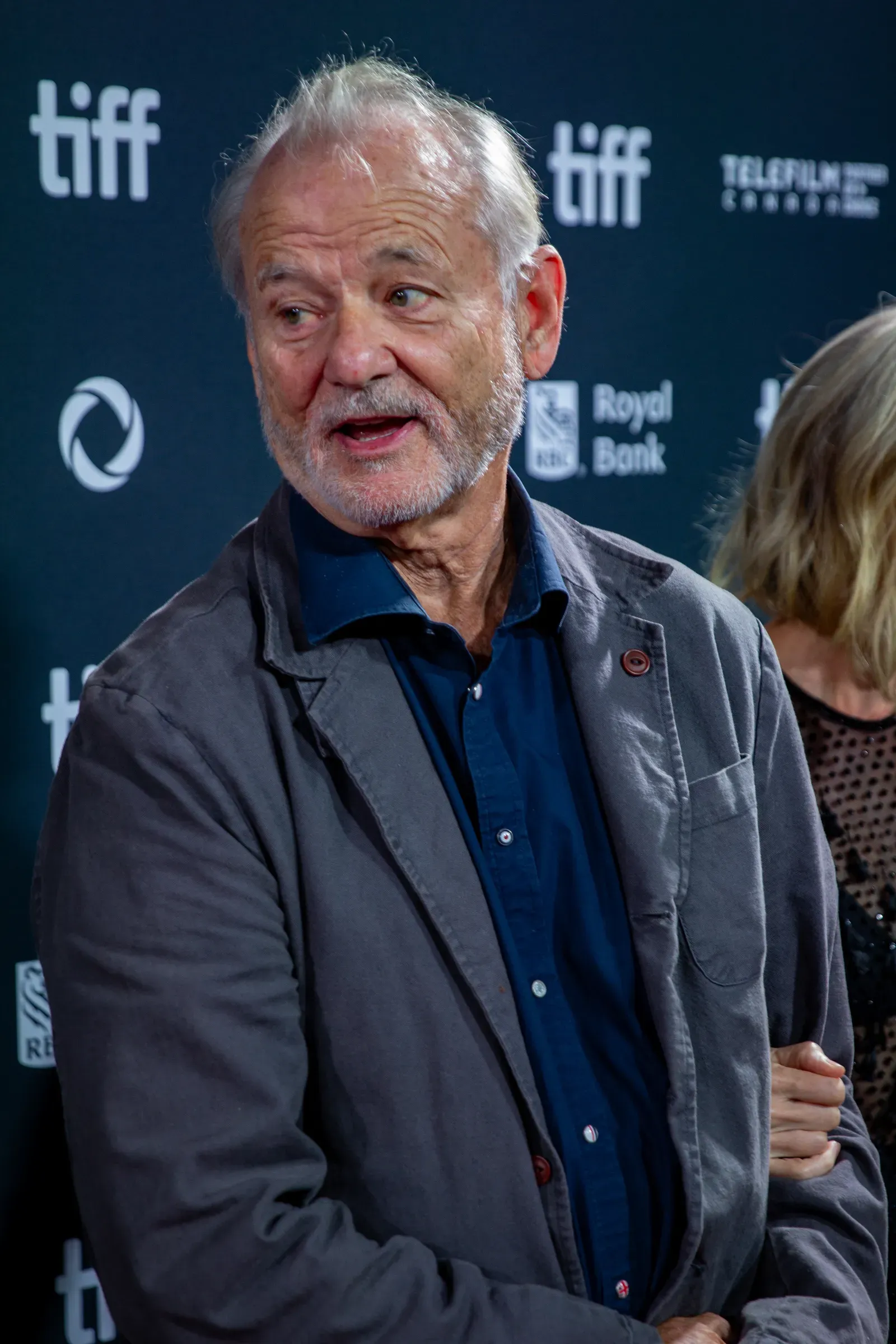
Murray and Ramis were close collaborators on Meatballs, Stripes and Ghostbusters. Their friendship broke down during the making of Groundhog Day in 1993, which Ramis directed. Reports at the time described clashing over the tone of the film and how it was made.
They barely spoke for about two decades. Accounts say they reconnected shortly before Ramis died in February 2014. It’s one of the more quietly moving endings to a Hollywood feud.
Sylvester Stallone and Arnold Schwarzenegger
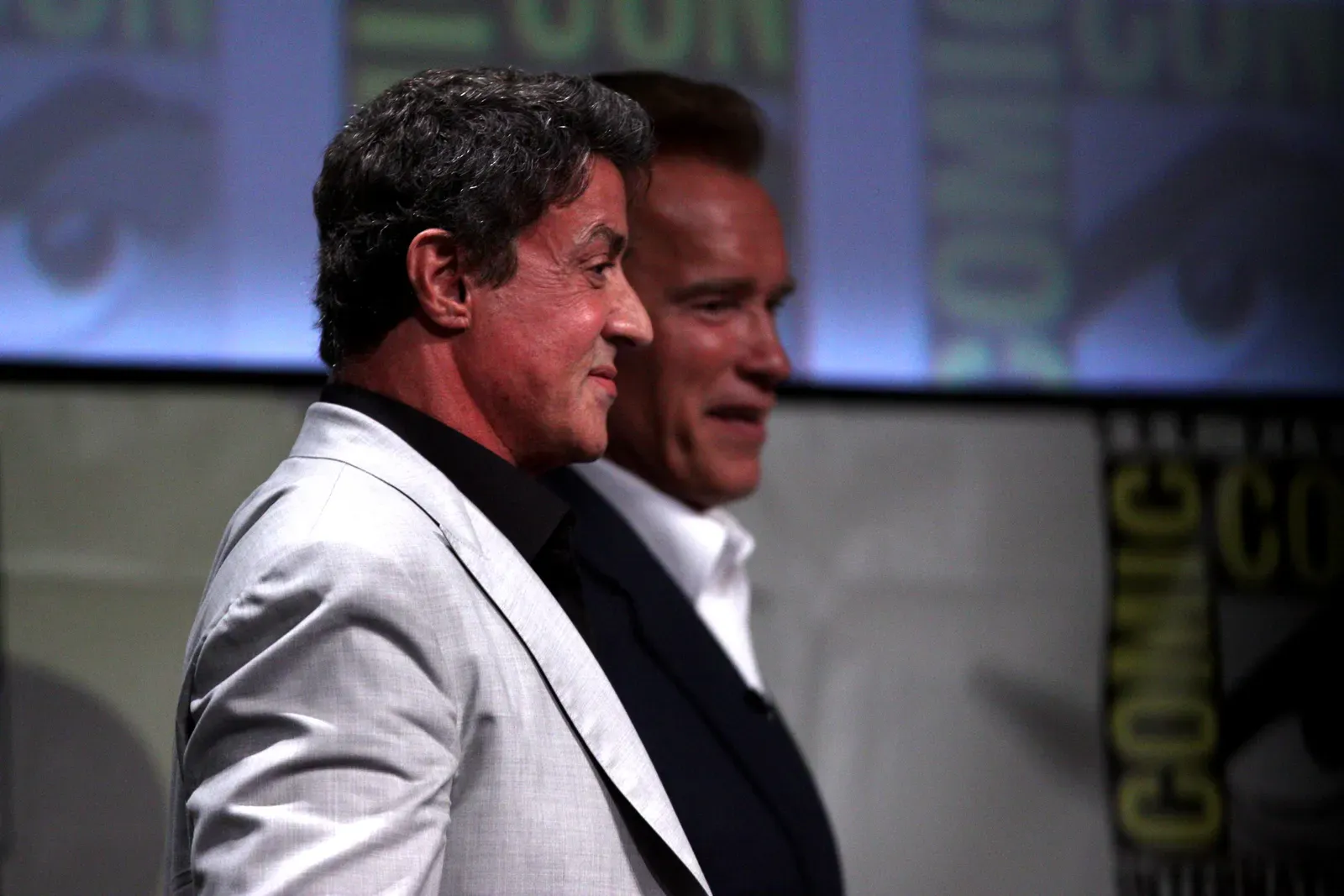
In the 1980s these two were the biggest action stars in the world, and they weren’t shy about competing. Box office numbers, muscle and image all became part of a running contest. They even both invested in themed restaurants, with Planet Hollywood becoming a shared venture along with other stars.
The rivalry softened as their careers matured. Schwarzenegger appeared in a cameo in 2010’s The Expendables, and they shared the screen in 2013’s Escape Plan. Today they’re widely viewed as friends who once happened to be enemies.
Quentin Tarantino and Spike Lee
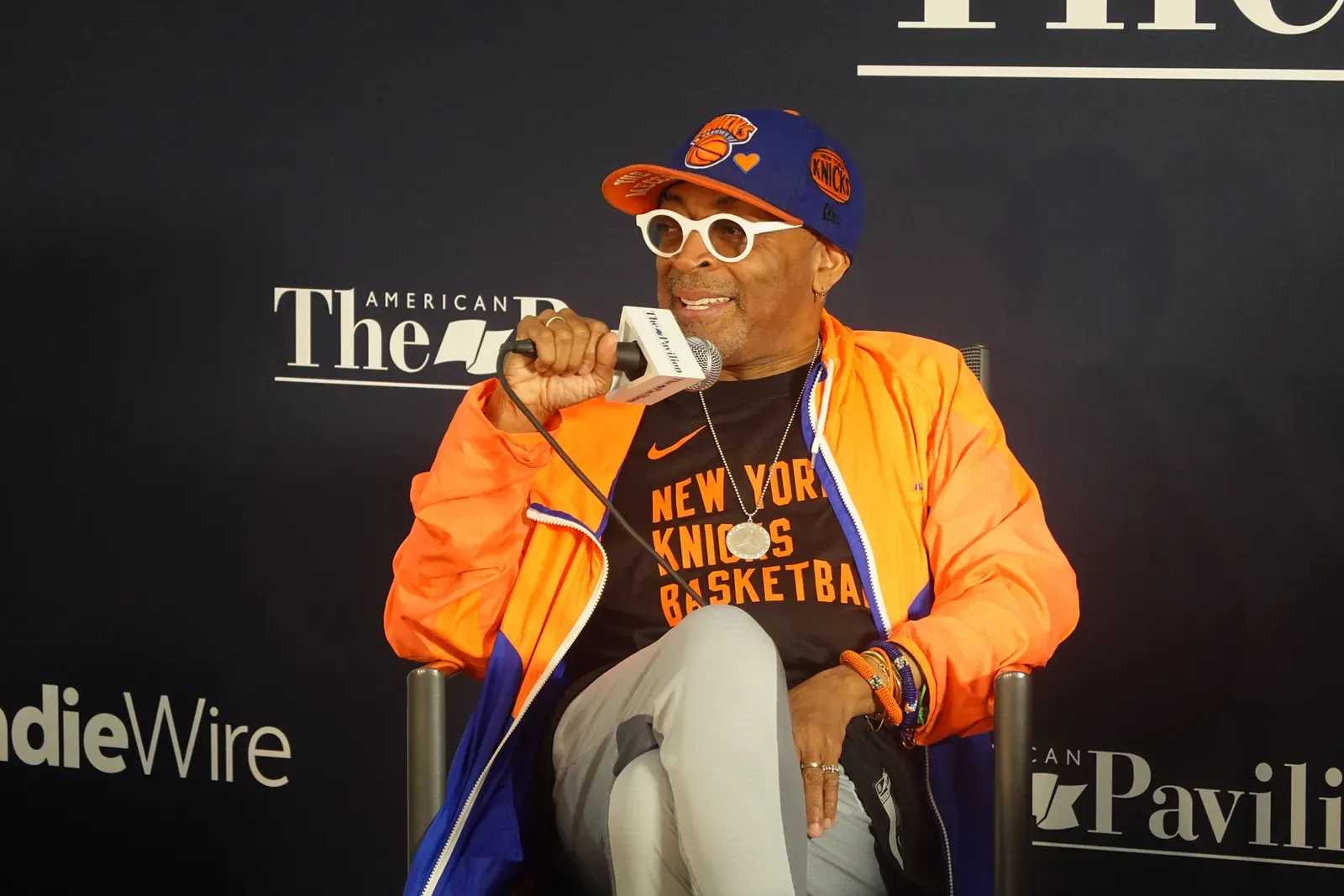
Lee publicly criticized Tarantino’s frequent use of a racial slur in his films, starting around Jackie Brown in 1997. The disagreement flared again when Django Unchained arrived in 2012. Lee said he would not watch it, and Tarantino responded in interviews.
The debate is about more than two personalities. It touches on who gets to tell certain stories and how history is portrayed on screen. As far as the public record shows, the two have never fully settled their differences.
Dean Martin and Jerry Lewis
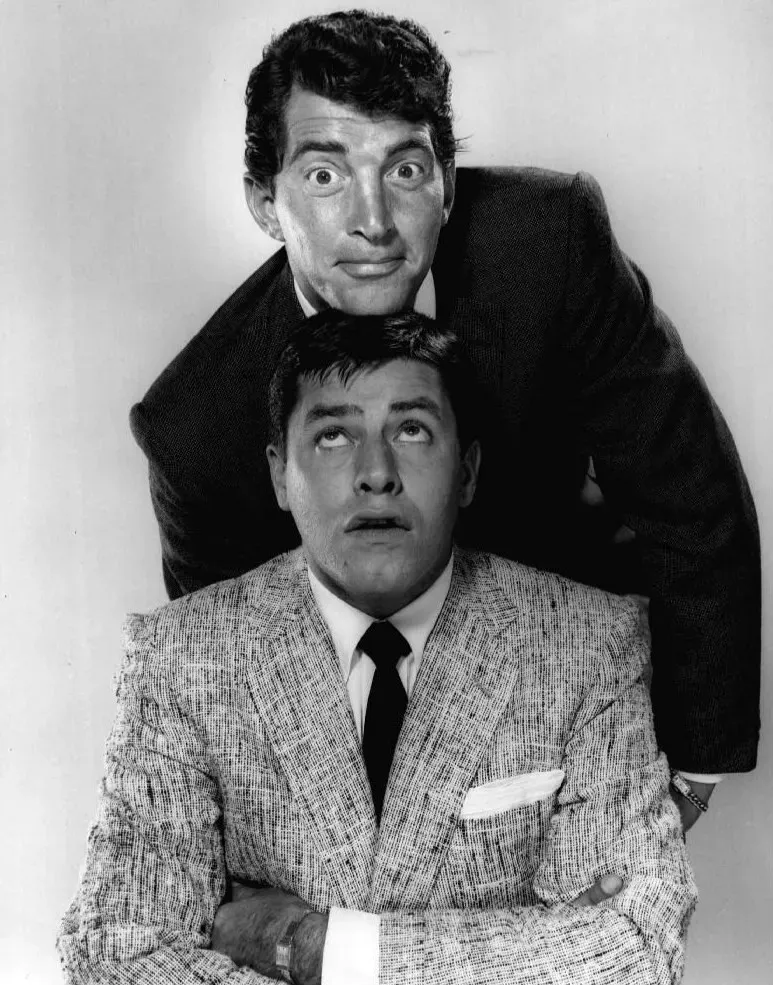
Martin and Lewis were one of the biggest comedy duos of the 1940s and 1950s. They split in July 1956 after ten years together, with tension over billing and creative direction widely reported. Both went on to solo careers, and both had success.
For about twenty years they stayed apart. Frank Sinatra brought Martin onto Lewis’s muscular dystrophy telethon in 1976 for a surprise reunion. They never made another film together, and Martin died in 1995 and Lewis in 2017.
Clint Eastwood and Spike Lee
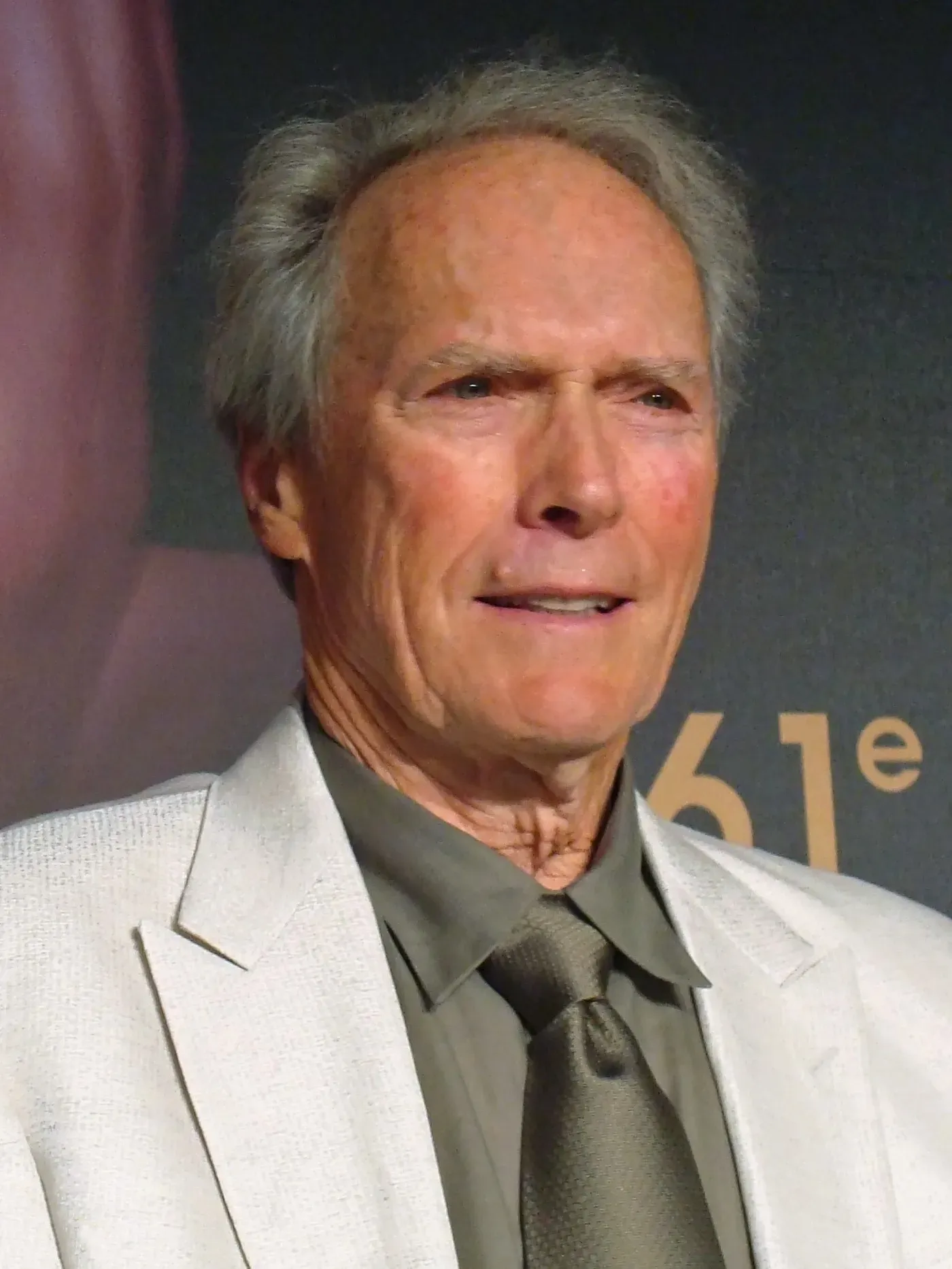
In 2008 Lee criticized Eastwood’s World War II film Flags of Our Fathers for not including Black soldiers in its story of Iwo Jima. Eastwood answered sharply, pointing out that the film was based on the specific men who raised the flag in the famous photograph. The exchange got plenty of press at the time.
Lee has since continued to speak about representation in Hollywood, and Eastwood has continued directing. The exchange remains a notable example of a disagreement over historical accuracy and who is seen on screen. It also shows how a single film can start a debate that lasts long after release.