Some of pop’s most familiar songs began as arguments. A label executive pushed, a producer insisted, or a contract left no room to say no, and the artist gave in with a shrug or a scowl. The recordings that came out of those standoffs often outlived the disagreements by decades.
The word forced covers a lot of ground here. In a few cases it means a direct order from a label boss. In others it means heavy persuasion, or a contract that left one option on the table. Where the accounts conflict, this list says so.
Mandy by Barry Manilow

Manilow didn’t much want to record a cover of Brandy, but Clive Davis, who’d just been installed as boss of the new Arista label, insisted. Manilow was also a songwriter himself, and he was reluctant to record someone else’s composition. He has said he knew the song was wrong for him, yet he recorded it anyway.
The title changed to Mandy because Looking Glass had already gotten to number one with Brandy (You’re a Fine Girl). It hit number one on January 18, 1975, and it turned around a career that had barely started. Not bad for a song its singer didn’t want.
I Write the Songs by Barry Manilow
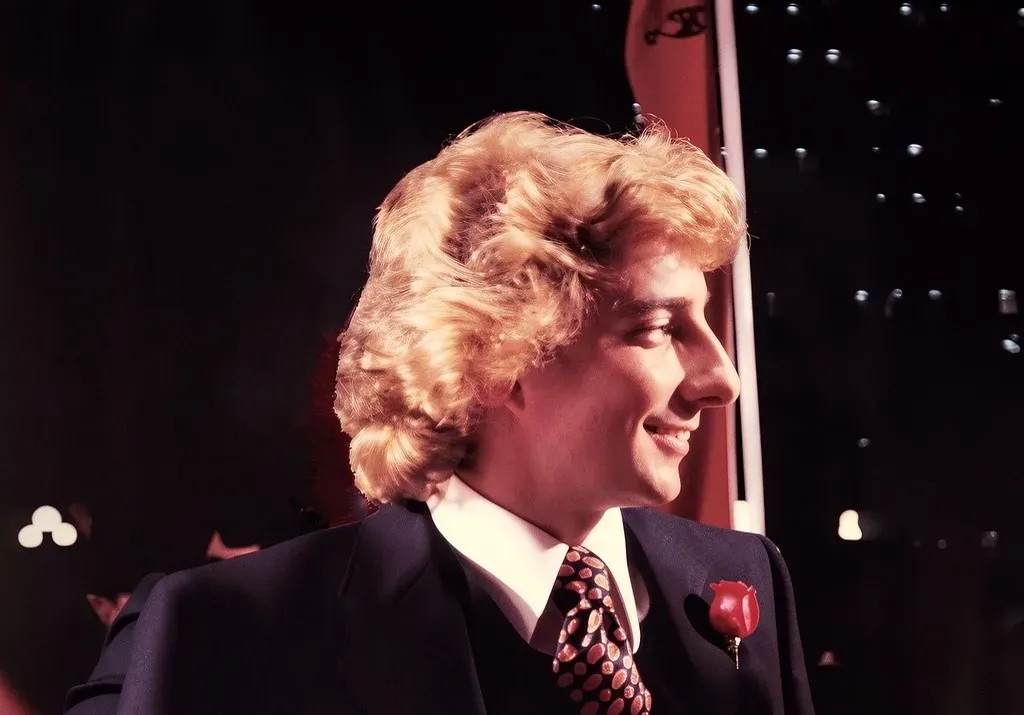
Manilow’s second reluctant smash came a year later, and the issue was different. He worried about the lyric, since a listener who didn’t pay close attention might think the singer was singing about himself. A line like that, coming from a man known for his ego, was a risk he didn’t love.
After persuasion by Clive Davis, then president of Arista Records, Manilow recorded the song. It became the first single from the album Tryin’ to Get the Feeling, and his version reached number one. Davis, as with Mandy, turned out to be right.
Since U Been Gone by Kelly Clarkson

This one comes with competing versions. Clive Davis said in his memoir that Clarkson didn’t originally want to record the song. Clarkson disputes his telling, and she has described a different problem: her label told her she could write the lyrics, only for her to learn they had already been written.
Whatever happened in the room, the song had a winding route to her. It was originally written with Pink in mind, but she turned it down, and Davis convinced the writers to give it to Clarkson. The track won Clarkson the Grammy for best female pop vocal performance and is regarded as one of the definitive pop anthems of the 2000s.
My Life Would Suck Without You by Kelly Clarkson

Clarkson’s later hit also grew out of a standoff. After her 2007 album My December under performed, Davis hired Gottwald and Martin to produce a new song for her in 2008. She had refused to work with them on that earlier album.
She objected through the whole process because of past bad experiences, but eventually gave in, saying the label wouldn’t put out her record otherwise. Later, she turned down a writing credit to make a point to the label. The song appeared on her 2009 album All I Ever Wanted.
Cherry Pie by Warrant

Glam metal’s best known novelty did not come from inspiration. Frontman Jani Lane wrote it in 15 minutes under the demands of the band’s label. The record needed a single, and that was what the label wanted.
The band was never fond of it. Many of Warrant’s members thought it was not as good as their other releases. Still, it was a hit, and it’s the song the group is most associated with.
Cum On Feel the Noize by Quiet Riot

Quiet Riot had a firm rule that they wanted to be known for their own material. The band was told to cover this Slade song, but lead singer Kevin DuBrow was firmly against it. He wanted the band to be known for songs they wrote themselves.
One outlet describes the band as having tried to sabotage it from the start. They recorded it anyway, and it became the song that put the band on the map. Few cover versions have outshone their writers so completely.
Don’t You (Forget About Me) by Simple Minds

The theme song of The Breakfast Club was a hot potato before it reached Simple Minds. A few other artists, such as Billy Idol and Bryan Ferry, also initially declined to record the song. The Scottish band, according to one roundup, strongly disliked it and almost didn’t record it.
It didn’t come from their own pen, and that was part of the discomfort. They did record it, and the track became the defining moment of their international career. The reluctance, in hindsight, looks almost comic.
All I Wanna Do Is Make Love to You by Heart

Heart built its name on guitar driven rock written by the band. This power ballad was a different animal. Ann Wilson admitted to never liking it, and she felt it was far too different from the band’s other content.
It was a late chapter for a band that had already weathered big changes in sound and image. Sources describe the group’s discomfort, though the details of how much pressure the label applied vary. The song remains one of their best known recordings.
What’s Love Got to Do with It by Tina Turner

Turner’s 1984 comeback single is now treated as a landmark. At the time, she was wary. One account says it was the kind of disposable pop hit she was against in the first place.
She wanted a rock sound and saw the song as lightweight. It went on to become her only number one on the Billboard Hot 100 and anchored the album Private Dancer. Another writer put it plainly: it may as well have been Turner’s life story up until that point.
Do You Know the Way to San Jose by Dionne Warwick

Warwick has said over the years that she was not a fan of this one. It was written by Burt Bacharach and Hal David, the team behind many of her best known recordings, and they believed in it. She recorded it in 1968 as part of her long creative partnership with them.
The single reached the American top ten and won her a Grammy. Warwick’s dislike never quite faded, and it became an often repeated story in her interviews. A song she didn’t want to record turned into one of her signature hits.