Backstage at a major arena, minutes before showtime, the lights are dim and the crowd is already buzzing. A guitarist quietly refuses to touch his instrument. A singer lights a candle and stares at the flame. A drummer spots a banana in the catering spread and physically recoils. None of this is drama for its own sake. It’s ritual, and in the music world, ritual is practically a religion.
Performing live can be a nerve-wracking experience, and the challenge of entertaining a room full of people can lead musicians to develop some pretty unique pre-show rituals that are essentially superstitious in nature. Research published by Harvard Business Review found that performing a ritual before a stressful task can actually help alleviate anxiety, with researchers conducting experiments where participants performed rituals before high-stakes situations, ultimately concluding that doing so can ease anxiety and lead to better performance. The superstitions below range from mildly quirky to genuinely hard to explain – but every single one is still practiced today.
1. Never Say “Good Luck” Before a Show

Performers across the music world know to say “Break a leg!” instead of “Good luck!” before going onstage, because wishing someone good luck is thought to bring the exact opposite. This isn’t a casual preference or polite tradition – many musicians take it seriously enough that a misdirected “good luck” can genuinely unsettle them before a performance. The psychology behind it is fascinating: the idea that positive words somehow tempt fate is ancient, and it runs deep in performing arts culture worldwide.
Opera has its own version of the same belief. Rather than any mention of luck at all, singers say “Toi toi toi!” to one another – a phrase used specifically in opera circles to ward off bad luck and send good wishes without ever invoking the word “luck” itself. The phrase is often accompanied by a knock on wood for extra measure. Somehow, centuries later, it still feels necessary.
2. Banning Bananas Backstage
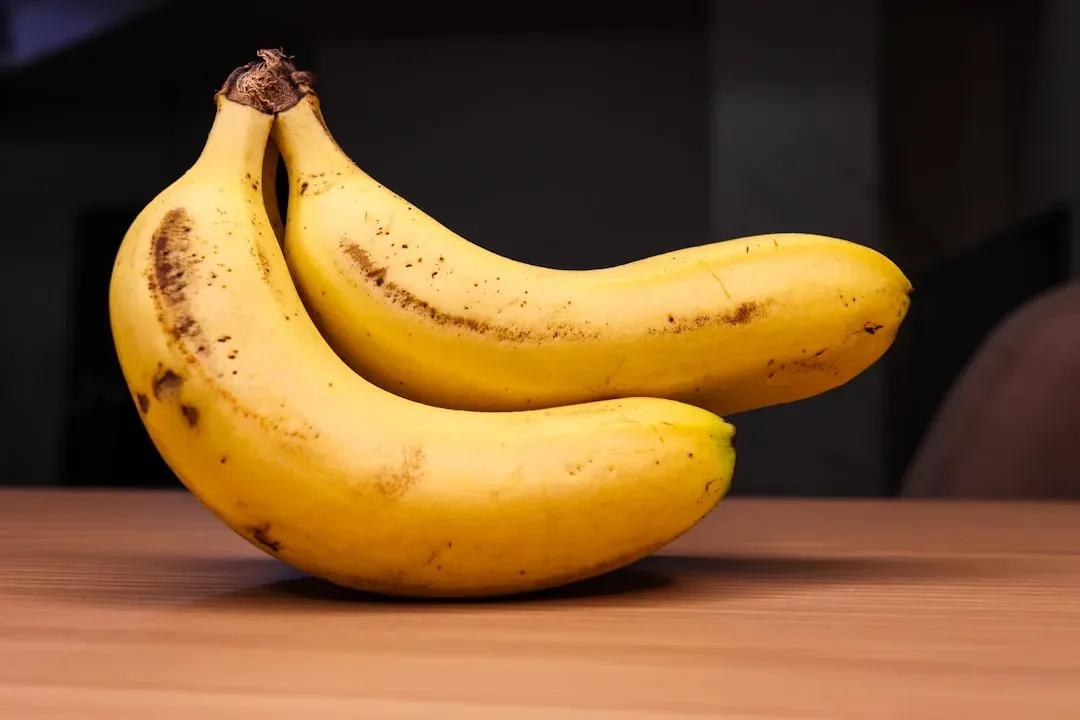
Bananas have a strange reputation among musicians, particularly drummers. The fruit is considered a harbinger of bad luck, with legends pointing to slippery peels and onstage accidents. One poll found that a remarkable proportion of drummers won’t let bananas near their kit before a performance, and some bands ban the snack from green rooms entirely. The specificity of this one makes it all the more peculiar – not grapes, not apples, but bananas.
There’s no scientific reason behind the banana taboo, but the tradition is so strong it has become a running joke backstage. Still, if a drummer spots a banana before a show, expect some serious side-eye. Bananas, it seems, have become the black cats of the music world. It’s one of those superstitions that started somewhere specific and slowly spread until everyone just accepted it as fact.
3. Keith Richards and the Unbroken Shepherd’s Pie
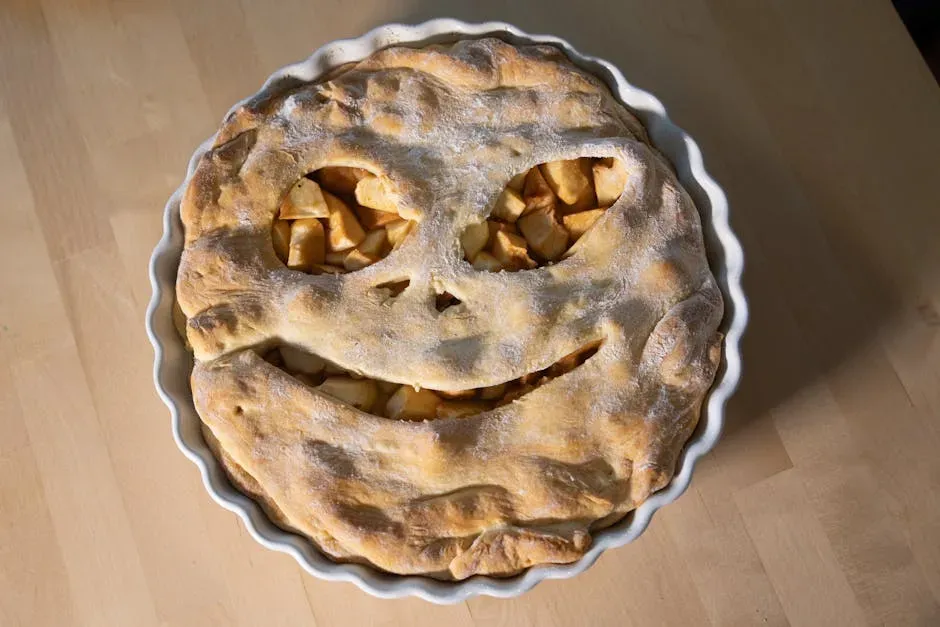
The Rolling Stones have plenty of unusual requirements on their touring rider, but one of the most bizarre is a shepherd’s pie for guitarist Keith Richards. The rock icon loves the dish and will not go onstage unless he has eaten one with an unbroken pie crust – because he insists on being the one to break it himself. This is not a mild preference. It is a hard requirement with real consequences for anyone who forgets it.
The ritual appears to have begun during the Rolling Stones’ 1989 Steel Wheels world tour, when Richards insisted management include a replica English pub at each concert stop and serve shepherd’s pie. He was so serious about getting to dig into the pie first that he held up a Toronto concert after discovering crew members had gotten to the dish before him, and he refused to go onstage until staff made a new one. The show, presumably, went on – eventually.
4. Never Whistle Backstage
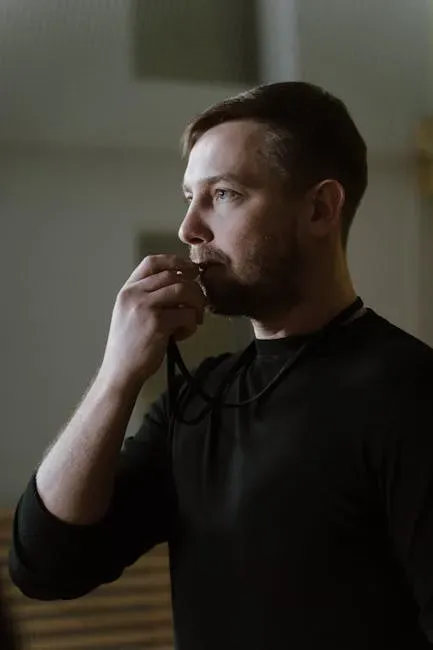
Whistling backstage is considered a genuine jinx in music and theater circles alike. This superstition has real practical roots dating back to the early days of theater, when sets became more intricate and required moving parts. Theaters would hire sailors to operate the complex rigging systems, and those sailors communicated with each other through different whistles that corresponded to specific directives like “lift this” or “drop that.” An accidental whistle from an actor or musician could trigger the wrong set change at exactly the wrong moment.
Whistling backstage is still strictly forbidden in many music cultures today. The superstition has evolved to claim it summons spirits or ghosts, a belief especially strong in older venues with spooky reputations. While there is no hard data, interviews with stage managers reveal that warnings about whistling remain common lore. Some believe it simply keeps things quiet and focused before the show, while others genuinely fear supernatural interference.
5. Taylor Swift Writing the Number 13 on Her Hand
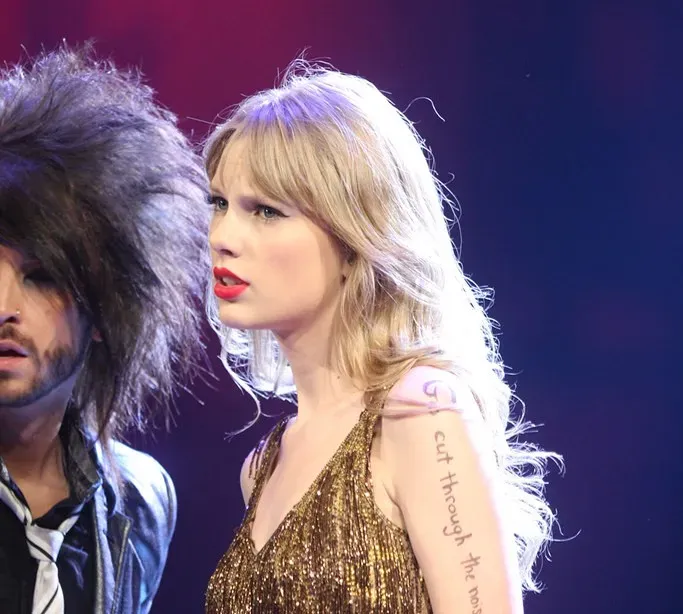
Taylor Swift’s lucky number is 13, and for years the singer-songwriter would write the number on her hand or body before each performance. She eventually stopped the practice – but has since gone on to achieve record-breaking success in her career, which fans have taken as some kind of cosmic confirmation that the ritual worked. For most people, 13 is the number to avoid. For Swift, it was the number to seek out.
While 13 is Taylor Swift’s lucky number, it wasn’t so for several notable composers. Gioachino Rossini and Arnold Schoenberg both suffered from triskaidekaphobia, a clinical fear of the number 13. Rossini in particular was terrified of Friday the 13th, believing Friday was the unluckiest day of the week and 13 was the unluckiest number. The same number means completely different things to different performers, which says something about how personal these superstitions really are.
6. Refusing to Clean the Instrument Before a Gig
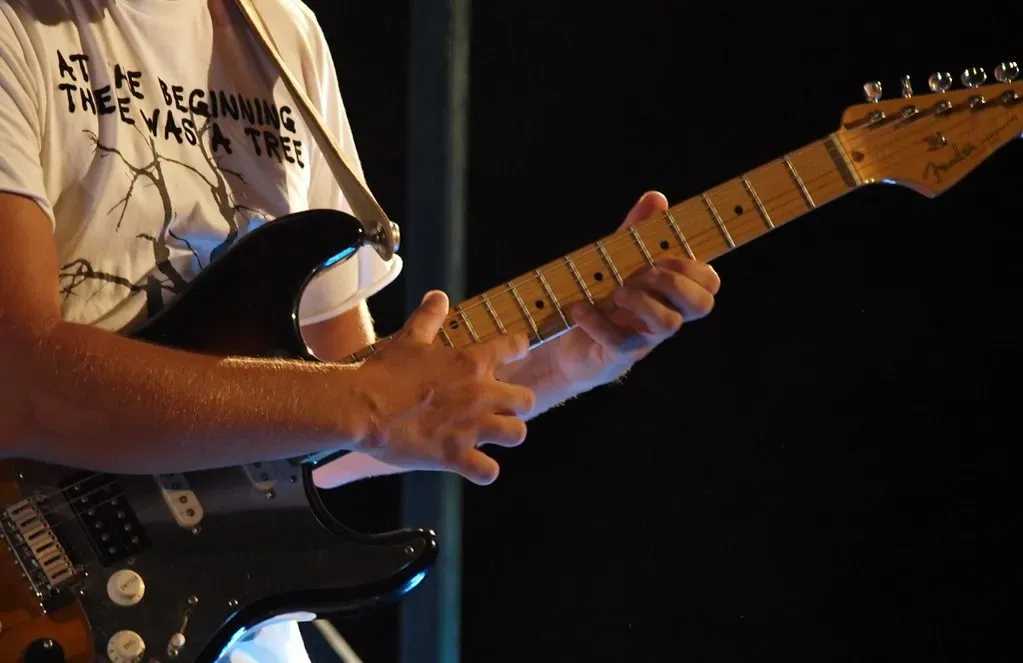
For many musicians, especially guitarists, cleaning their instrument before a show is completely out of the question. There is a persistent belief that wiping down a guitar or drum kit “washes away the mojo” – the magic, the luck, and the good energy accumulated from past performances. For these players, it is not just superstition; it is about preserving a piece of every great night that came before.
A survey by Musician’s Friend found that roughly a third of musicians admit to dodging pre-show cleaning out of fear it might jinx their night. Some even share stories of disastrous gigs that followed a rare polish, fueling the myth further. The fingerprints and smudges, for them, are not mess – they are memories. It is a surprisingly touching way to think about a dirty guitar neck.
7. Mumford & Sons Burning Palo Santo Wood

The members of Mumford & Sons gather around burning palo santo wood backstage just before performing. The band uses the South American wood to ease nerves and relieve sore throats, and frontman Marcus Mumford has said the fumes from the charred wood are the only thing that seem to help his regular pre-show headaches. Palo santo is Spanish for “Holy Wood” or “Tree of Life” and is believed by many to clear bad energy and bring good luck.
This particular ritual falls into the more unusual category of pre-show habits. Still, palo santo has been used in South American spiritual ceremonies for centuries, and the idea of burning sacred wood before a high-stakes performance has a genuinely ancient logic to it. Whether it clears the air literally or just psychologically, the band has kept the ritual going across years of touring, which suggests it works for them in some meaningful way.
8. Rihanna’s Pre-Show Prayer Circle

Before every show, Rihanna huddles all of her backup dancers and musicians into a circle, where they all lock hands in prayer and solidarity. Just before showtime, they put their hands in the middle of the circle and raise them to the ceiling as they yell out a rallying cry together. The ritual creates a shared moment of focus, shifting the energy from nervous individual waiting to collective readiness.
This kind of group ceremony before a performance has deep roots in team sports and military traditions, which makes its presence in the music world feel both logical and human. What makes Rihanna’s version notable is how consistent and deliberate it has remained across tours and changing lineups. It is less a quirk than a covenant between performers before they step out into the lights together.
9. Foo Fighters Dancing to Michael Jackson Before Every Show
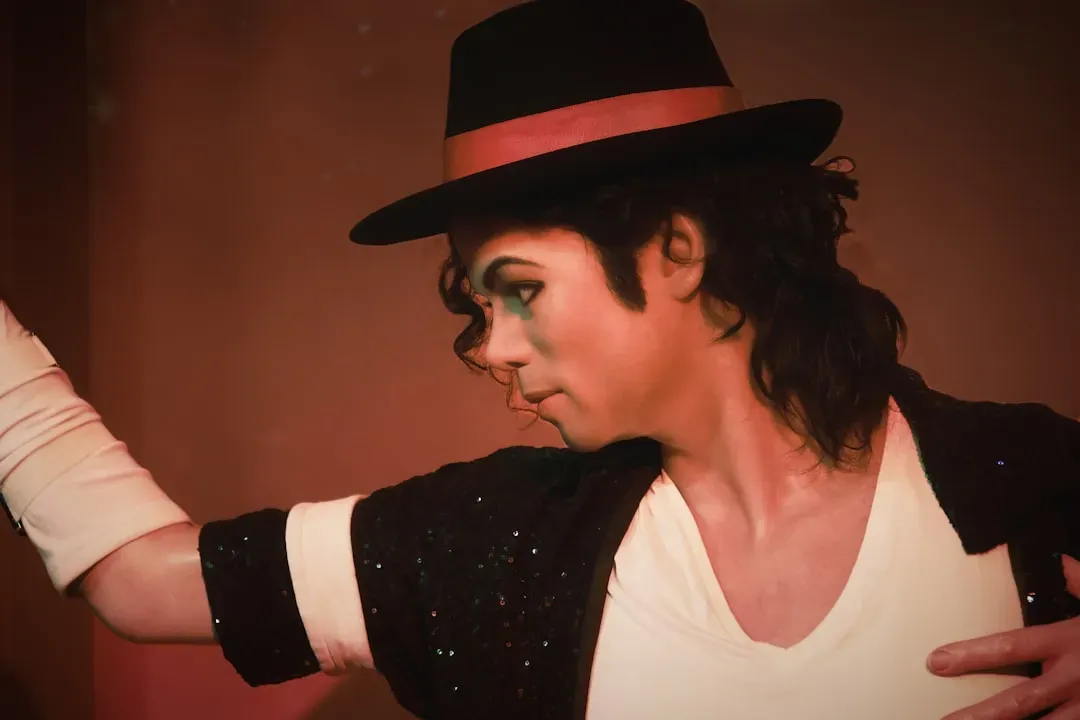
For good luck before every show, the Foo Fighters listen and dance to Michael Jackson songs while taking shots of Jägermeister. It sounds like a party warming up, but the band treats it as a genuine pre-show necessity rather than casual fun. The combination of music, movement, and a communal drink serves as both a physical warm-up and an emotional reset before they take the stage.
The ritual has the useful quality of being both bonding and energizing at once. Dancing backstage to Off The Wall forces everyone into the same physical space with the same vibe, which is no small thing when you are about to perform in front of tens of thousands of people. It is one of those superstitions that probably works as well as any scientifically designed warm-up routine.
10. Kissing the Instrument Before Going On
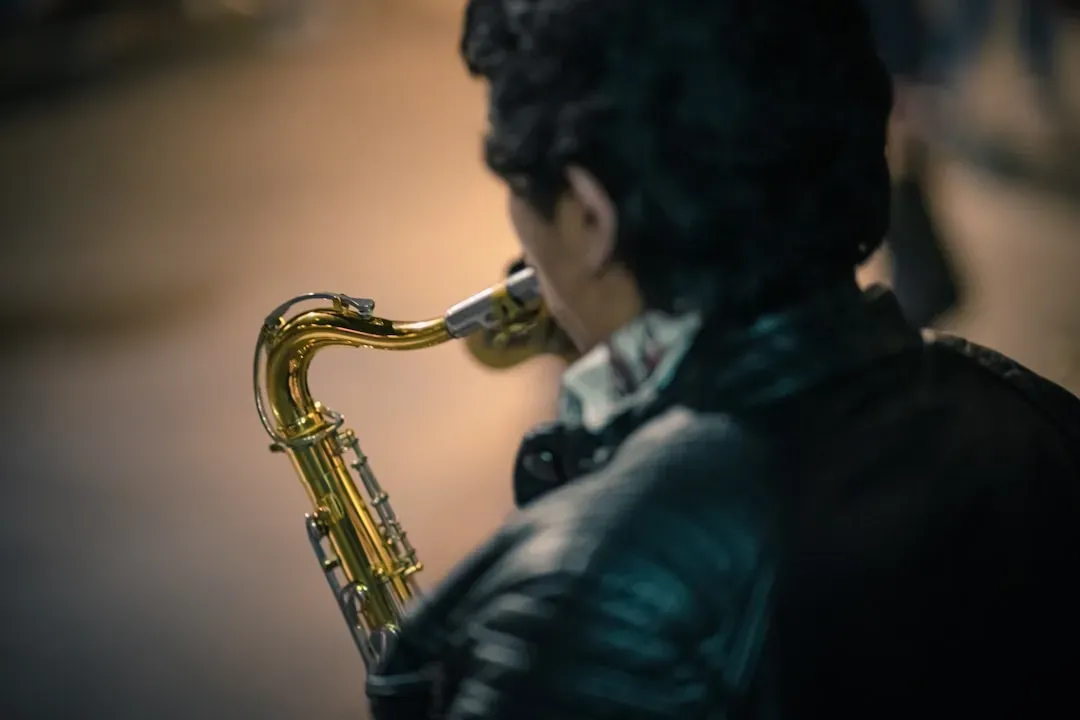
A gentle kiss on a guitar, violin, or drum before a show is more than affection – it is a superstition meant to bring luck and honor the instrument. This gesture, often learned from mentors or passed down within musical families, is embraced by a notable portion of musicians according to anecdotal evidence in the industry. For some, it is a moment of gratitude; for others, it is a way to channel energy and show respect.
The act feels both ancient and personal, a kind of blessing before unleashing music into the world, and it is considered one of the more touching rituals in the business. There is something quietly moving about the idea that a seasoned professional, about to walk out before a massive crowd, pauses to press their lips to a piece of wood and metal. It says everything about how personal the relationship between a musician and their instrument can be.
Partner offer
11. Sleeping with the Score Under the Pillow
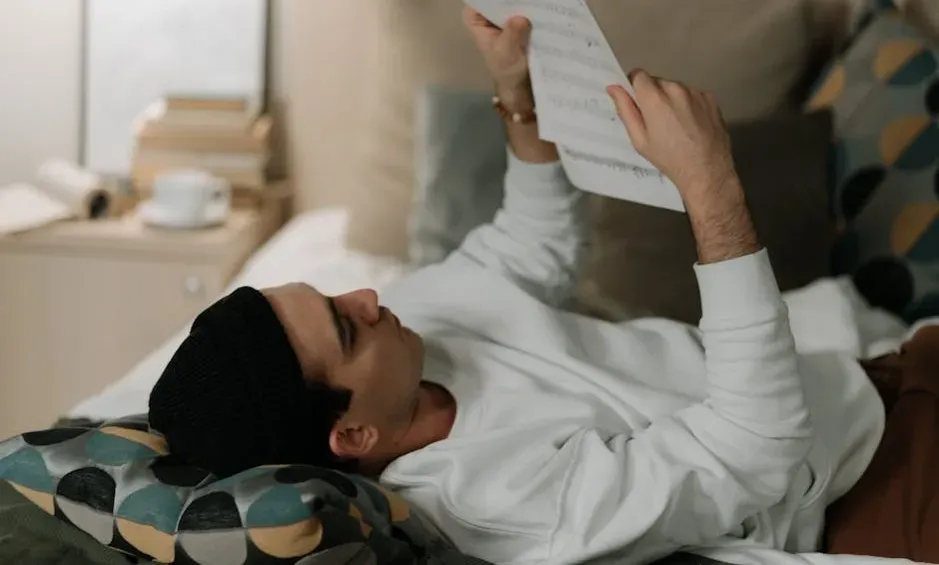
Classical musicians share a number of very common superstitions, and one of the more unusual is sleeping with a score under the pillow the night before a performance. Cellist Claire Bryant and violinist Uri Abt have both said that this practice works for them. The logic, if you can call it that, seems to be a kind of osmosis – as though the music might travel from the paper through the pillow and into the sleeping mind.
From a purely practical standpoint, sleeping with sheet music beneath your head accomplishes nothing measurable. Yet for performers who have tried it and then played well the following night, the connection becomes real enough to repeat. That is precisely how superstitions take root: one good night after a strange ritual is all it takes to turn a coincidence into a rule.
12. Avoiding Black Cats Before a Performance
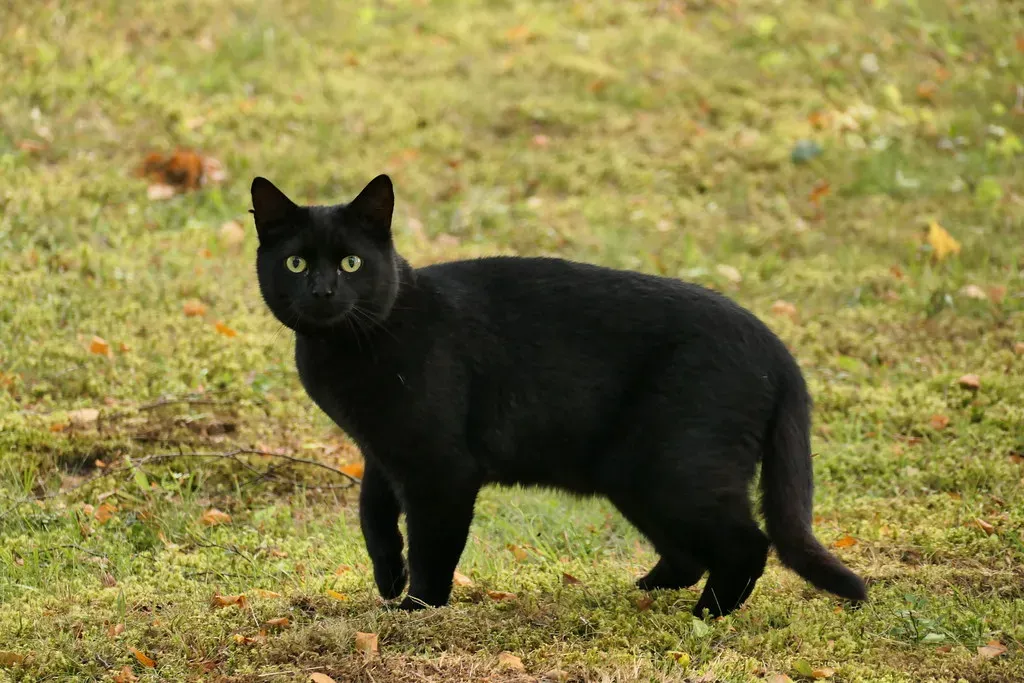
For rapper Missy Elliott, a black cat crossing her path is enough to send her back home for the day. The superstition is one of the oldest around, dating to at least the 13th century when Pope Gregory IX declared black cats satanic. They later became associated with witches, and the idea of one crossing your path being unlucky has continued to be a common fear ever since. For Elliott, it is not a mild unease – it is a hard stop.
Musicians steeped in folklore or blues traditions will go out of their way to steer clear of black cats backstage, and some even avoid wearing clothing with cat prints on show days. The superstition has been echoed in stories from festival organizers who have seen artists refuse to enter venues after a feline sighting. It is a mix of tradition and genuine unease, with some musicians adapting the rule to modern life in surprisingly specific ways.
13. Robert Plant Ironing His Shirts Backstage
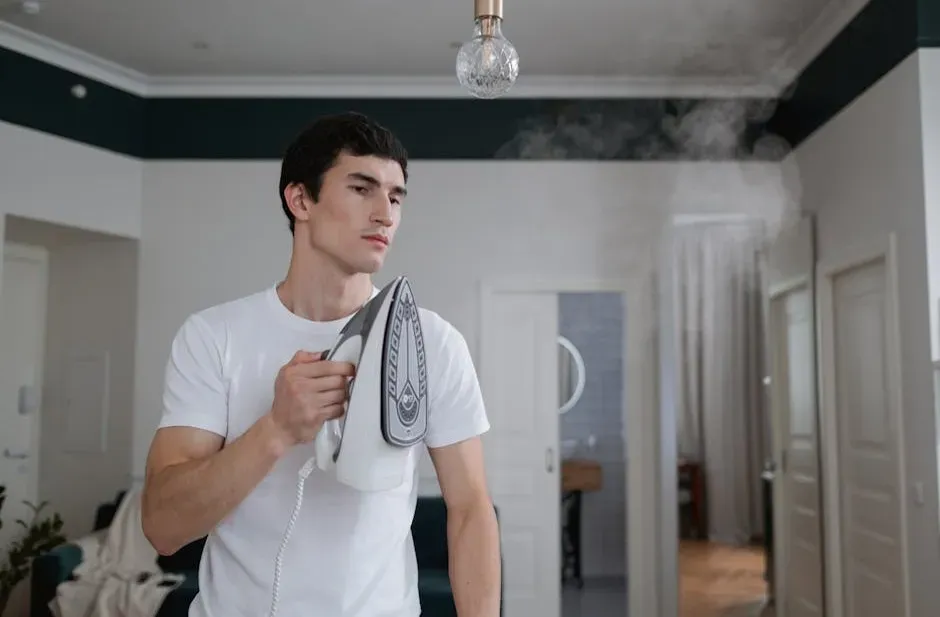
When Led Zeppelin reunited in 2007, Robert Plant’s pre-show ritual looked very different from the 1970s version. In his later career, Plant requested a quiet place backstage to iron his shirts. The domestic chore apparently eased his mind enough to perform his best, and it is easy to see how the repetitive, focused nature of ironing could give a performer something concrete to do with nervous hands.
Rather than finding drugs, alcohol, or groupies backstage, Plant prefers to get ready for a performance with a mug of hot tea and freshly pressed shirts that he ironed himself. He believes the ritual helps him get “in the mood.” It might be the most unexpectedly wholesome ritual in rock history, and it works precisely because it is so completely ordinary in an environment that is anything but.
14. Wearing a Lucky Talisman or Piece of Jewelry

Wearing a special ring, necklace, or bracelet is a common confidence booster among artists. Sometimes these items are gifts from loved ones; other times they are inherited or discovered at a crucial moment in a musician’s career. Research into musician habits suggests that a notable percentage of performers won’t go onstage without their lucky piece.
Clarinettist Alejandro Acierto was given a kola nut blessed by a Gambian griot as a gift for good luck and prosperity. He keeps it wrapped in a cloth, because he was told that if it touches the ground, the luck will go away. The object itself is almost beside the point. What matters is the story attached to it and the feeling of continuity it creates every time the performer picks it up before walking onstage.
15. Lorde’s Nap, Berries, and Nausea Ritual
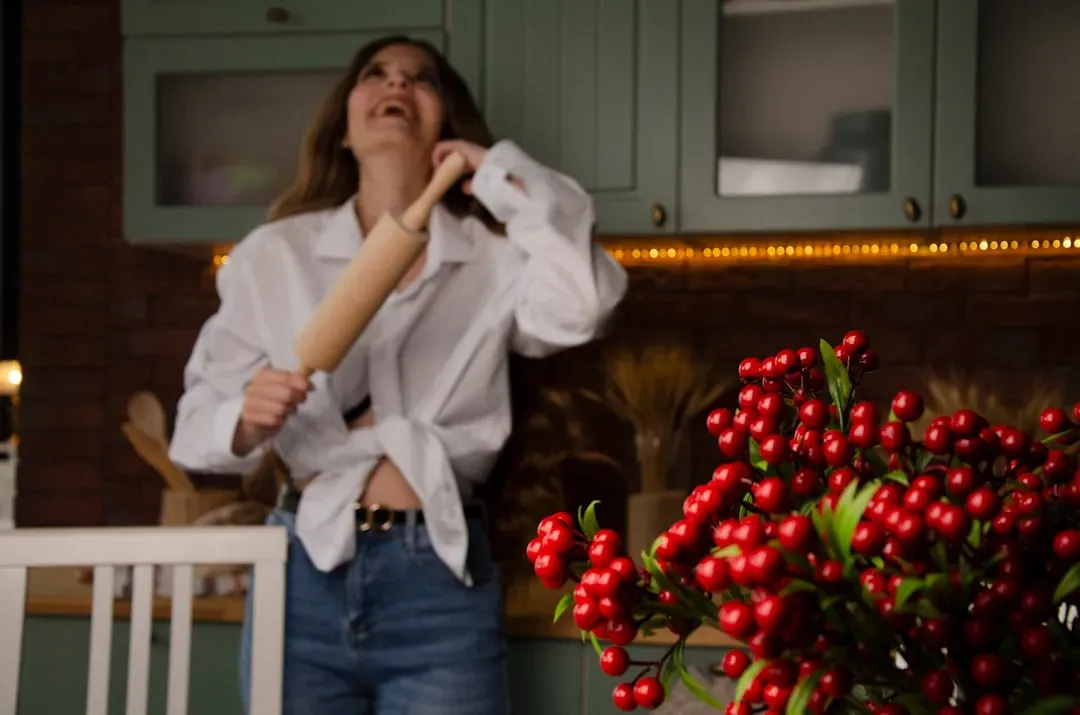
Pop artist Lorde has a very specific three-step ritual: napping or hiding under the same blanket in her dressing room every time without exceptions, eating berries so they get all over her face, and then feeling really nauseated until she goes onstage. It is hard to know where to start with this one. The sameness of the blanket, the specificity of the berries, the deliberate embrace of nausea – each element seems chosen to anchor her in a familiar physical state before the uncertainty of performance.
What is striking about Lorde’s ritual is that it includes discomfort as an essential ingredient rather than something to be managed or avoided. Many performers try to eliminate nerves before a show. Lorde appears to have decided that her particular brand of pre-show nausea is part of the process, perhaps even necessary to it. There is a certain honesty in that approach that is hard to argue with.
16. Practicing in Silence Before the Show
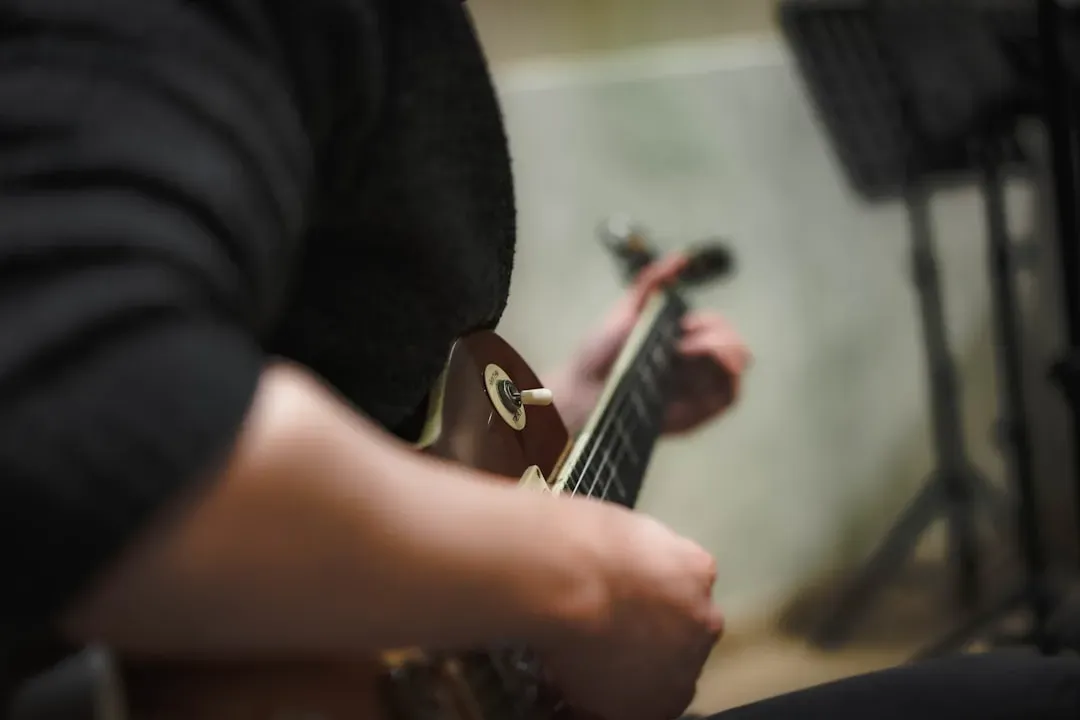
For some artists, the best pre-show practice is no practice at all. These musicians believe that playing their instrument before stepping onstage can “use up” their luck or energy, so instead they mentally rehearse, visualizing the performance in complete silence. It is a counterintuitive approach for a profession where repetition and preparation are everything, yet it persists across genres and generations.
Research cited in the Music Performance Research Journal noted that roughly a quarter of performers follow this quiet pre-show ritual. The idea is that the first note played in front of an audience should be exactly that – the first. Holding back creates a kind of pressure and intention that practicing beforehand might dissipate. Whether it actually preserves luck or just preserves freshness is an open question, but many musicians swear by it either way.
17. Lighting a Candle Backstage
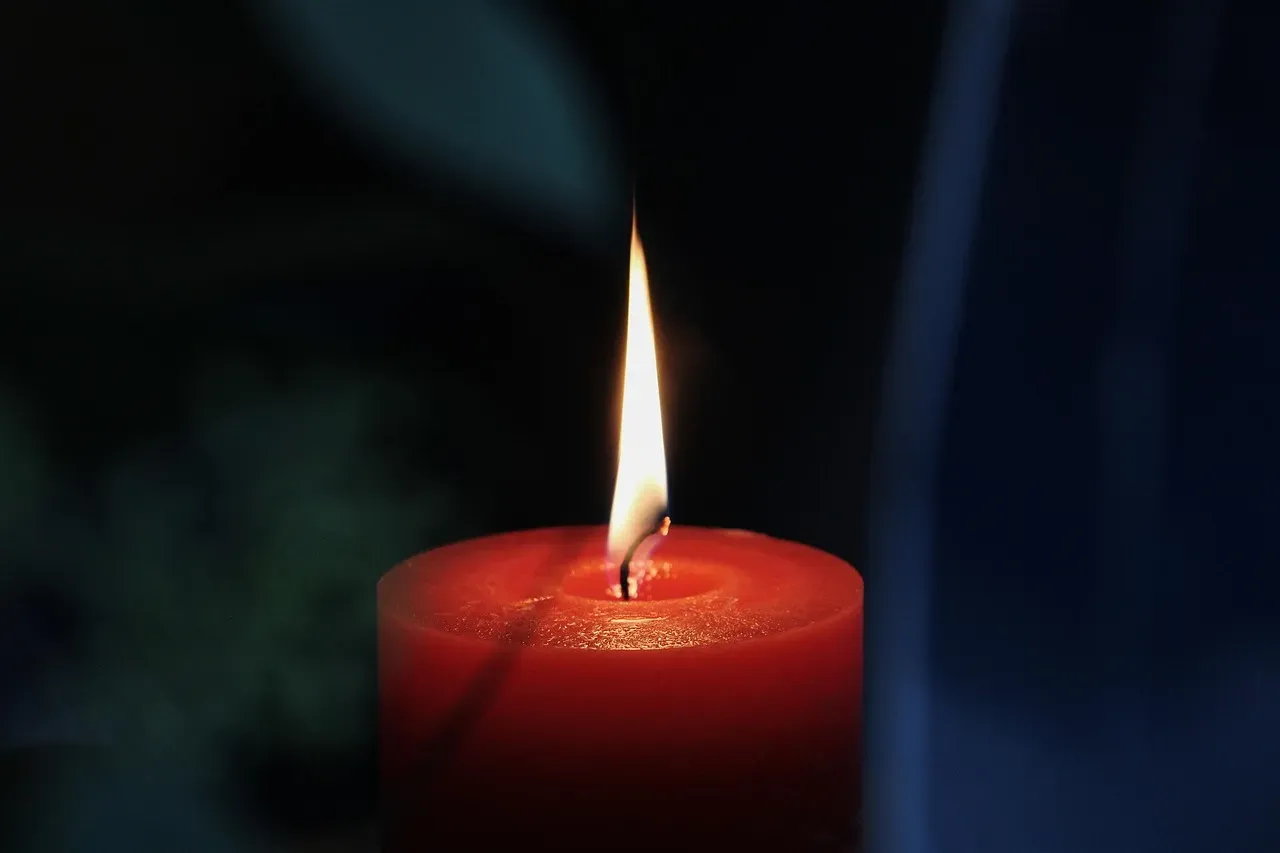
Lighting a candle isn’t just for romance or rituals – for many musicians it is a potent pre-show routine. Before heading out to face the audience, some artists take a moment to light a candle backstage, focusing their thoughts and calming their nerves. Research into performance psychology suggests that roughly a quarter of musicians use this ritual to ground themselves, with the flicker of a flame serving as a symbol of creativity and inspiration.
The candle ritual has the advantage of being both portable and silent, making it easy to perform in cramped dressing rooms or side stages without drawing attention. It creates a physical focal point at a moment when the mind wants to race in twelve directions at once. In that sense it is less magic and more mindfulness, though for the musicians who use it, the distinction probably doesn’t matter much.
18. John Philip Sousa’s Fresh Gloves for Every Concert
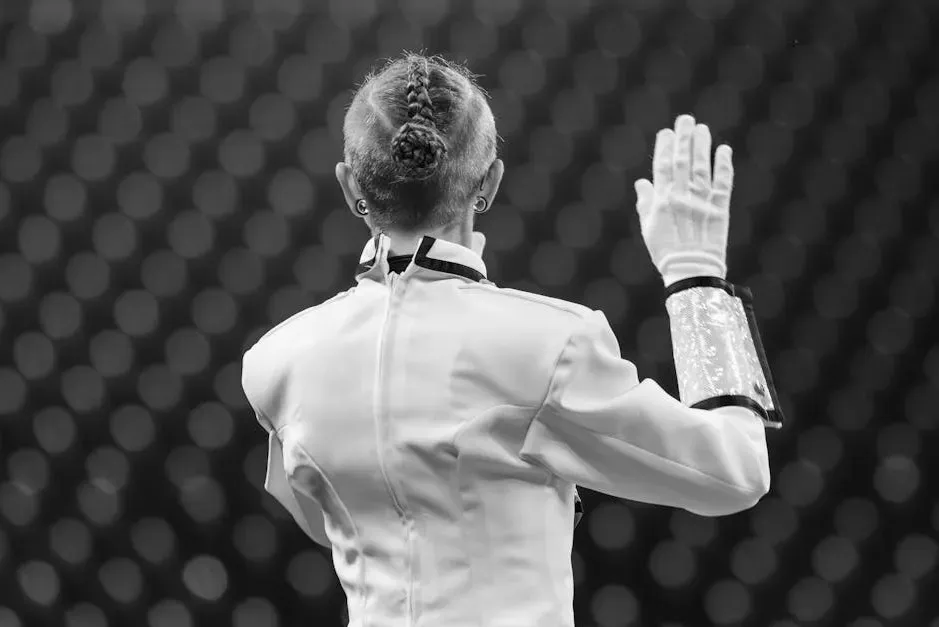
The “March King,” John Philip Sousa, had a distinctive superstition about his performance attire. According to a 1921 Boston Post report, Sousa bought an enormous supply of white kidskin gloves and insisted on a fresh pair at every single concert. His personal belief was that wearing the same pair to more than one event would bring hard luck.
The story is remarkable not just for its specificity but for the sheer scale of the commitment. As we have seen with musicians across eras, composers and performers are not above abiding by superstitions in the name of tradition, and from wishing each other well backstage to avoiding certain numbers, these rituals can offer a real sense of control in an otherwise unpredictable career. For Sousa, clean gloves were the price of a clean performance.
19. Coldplay’s Group Hug and Teeth-Brushing Ritual

Coldplay has a quiet moment and a group hug together before every performance. Lead singer Chris Martin has additional rituals of his own, including brushing his teeth right before going onstage. The teeth-brushing is particularly interesting because it sits at the intersection of hygiene and superstition, a mundane action loaded with pre-show meaning. Missing it, apparently, is not an option.
Robert Plant’s unusual requirement of ironing and Chris Martin’s need to brush his teeth before performing show that even the most accomplished musicians have rituals that are frankly mundane to everyone else but feel absolutely essential to the performers themselves. That is the nature of this kind of superstition: it does not need to make sense to anyone else. It only needs to work for the person doing it, night after night, city after city, for as long as the music keeps going.
20. Singing a Latin Phrase of Humility Before Walking Out
Before every show, Leonard Cohen and his company would sing the Latin phrase “Pauper sum ego, nihil habeo” – meaning “I am poor, I have nothing” – according to his backup musicians. It served as a tool for focusing and unifying the group before performing. For one of the most celebrated singer-songwriters in history to declare communal emptiness before stepping onstage is a striking act of intentional humility.
The phrase strips away ego and expectation at the very moment when the pressure to perform is highest. It is perhaps the most philosophically considered ritual on this list, and in some ways the most revealing. Most pre-show superstitions are about adding something – luck, energy, protection. Cohen’s ritual was about deliberately subtracting, clearing the self before the music could fill the space. It is a reminder that for some artists, the real preparation is not psychological armor but its opposite.
What all of these rituals share is a quiet acknowledgment that live performance, no matter how many times you have done it, never becomes fully predictable. Sitting backstage and spiraling into mental chaos, performers turn to superstitious behaviors in order to recapture a sense of control, grabbing for objects and actions to balance themselves and get back on track. Whether the ritual involves a shepherd’s pie, a kola nut, a freshly ironed shirt, or a single lit candle, the function is the same: to create a moment of certainty in a world that offers very little of it before the curtain rises.
Partner offer
Planning a trip to Vegas?
Compare hotel rates and show tickets on VEGAS.com.