Every chart-topping song feels inevitable once it’s a hit, as if no other version could have possibly worked. Yet plenty of the tracks people consider untouchable classics almost ended up in someone else’s hands, or in a trash bin of discarded demos. The paper trail behind these songs tells a different story, one full of passed-over opportunities, nervous label executives, and singers who simply couldn’t hear what a song would become. What follows are ten well documented cases where a song made the rounds, sometimes for years, before finding the performer who would turn it into something unforgettable.
Torn – Natalie Imbruglia


Before Natalie Imbruglia ever touched this song, it had already lived several lives. In 1991, the songwriters Anne Preven and Scott Cutler wrote this song with Phil Thornalley, and it was first recorded by the Danish singer Lis Sørensen as “Braendt,” before Preven and Cutler’s own band Ednaswap released an English version in 1995, followed by Norwegian singer Trine Rein’s version in 1996. None of those recordings made much of an international splash.
Even Imbruglia herself needed convincing. Co-writer Phil Thornalley eventually offered the song to Imbruglia, whose album he produced, though she initially declined recording it, stating she didn’t want to do a cover. She changed her mind, and the song became her signature hit and a genuine surprise, given how many artists had already passed through it.
Danger Zone – Kenny Loggins

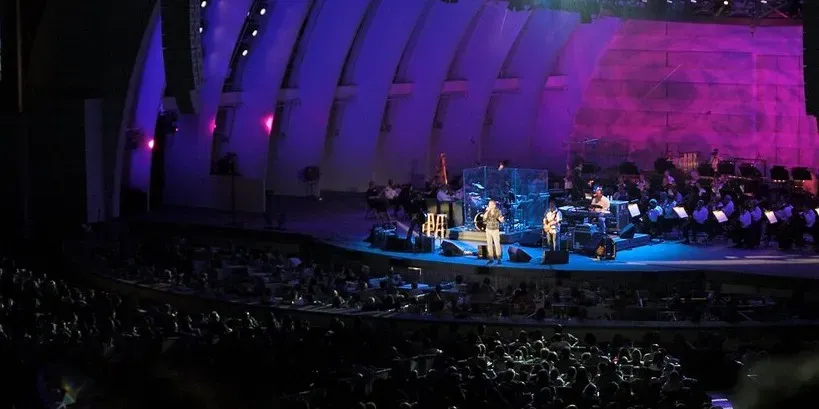
Few songs have a rejection list this star studded. The song, which was composed by Giorgio Moroder, was offered to a slew of artists before reaching Kenny Loggins, reportedly including rock bands Toto, REO Speedwagon, and Jefferson Starship, as well as singers Bryan Adams and Corey Hart. Each of them, for one reason or another, walked away from the project.
Loggins was hardly the obvious backup plan. All these acts either exited the project or turned it down for various reasons, so Loggins, who had recorded the number-one soundtrack hit “Footloose” just two years earlier, stepped in as a last-minute replacement. “Danger Zone” went on to become inseparable from Top Gun, proof that sometimes the fifth or sixth choice is the right one.
…Baby One More Time – Britney Spears

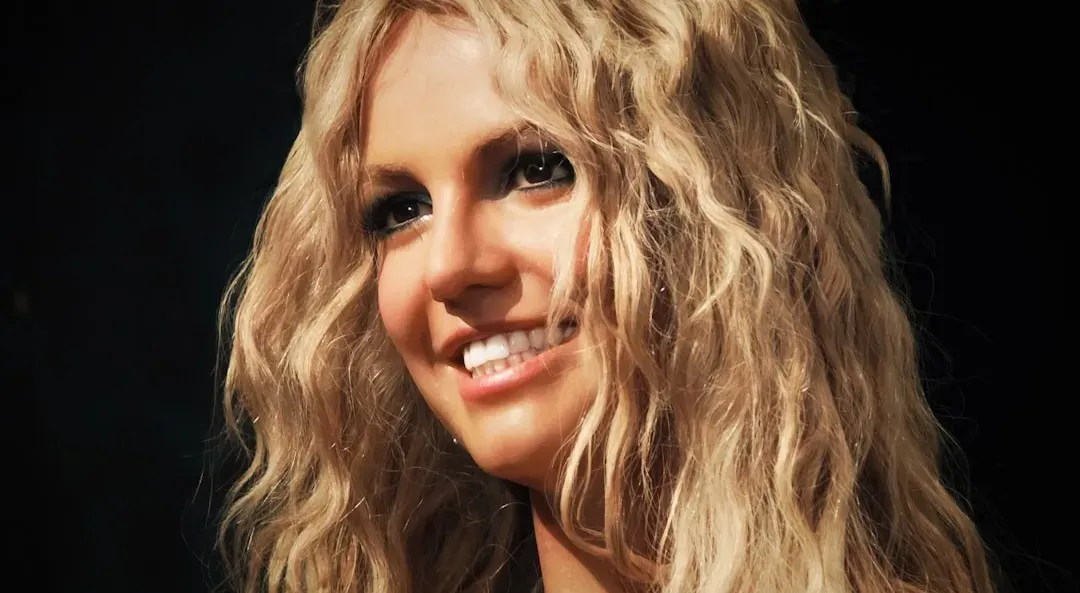
This song’s journey through the pop landscape of the late nineties is almost as famous as the track itself. “…Baby One More Time” was first offered to TLC, who rejected it because it didn’t quite fit the group’s vibe, and the song was then offered to Robyn before landing with Spears. Two established acts said no before an unknown teenager said yes.
It’s worth pausing on how different pop music might look if TLC had said yes instead. The song’s bubblegum production and diary-entry lyrics simply didn’t match the group’s R&B identity at the time. Spears, by contrast, had nothing to lose and everything to gain, and the gamble paid off almost instantly.
Since U Been Gone – Kelly Clarkson

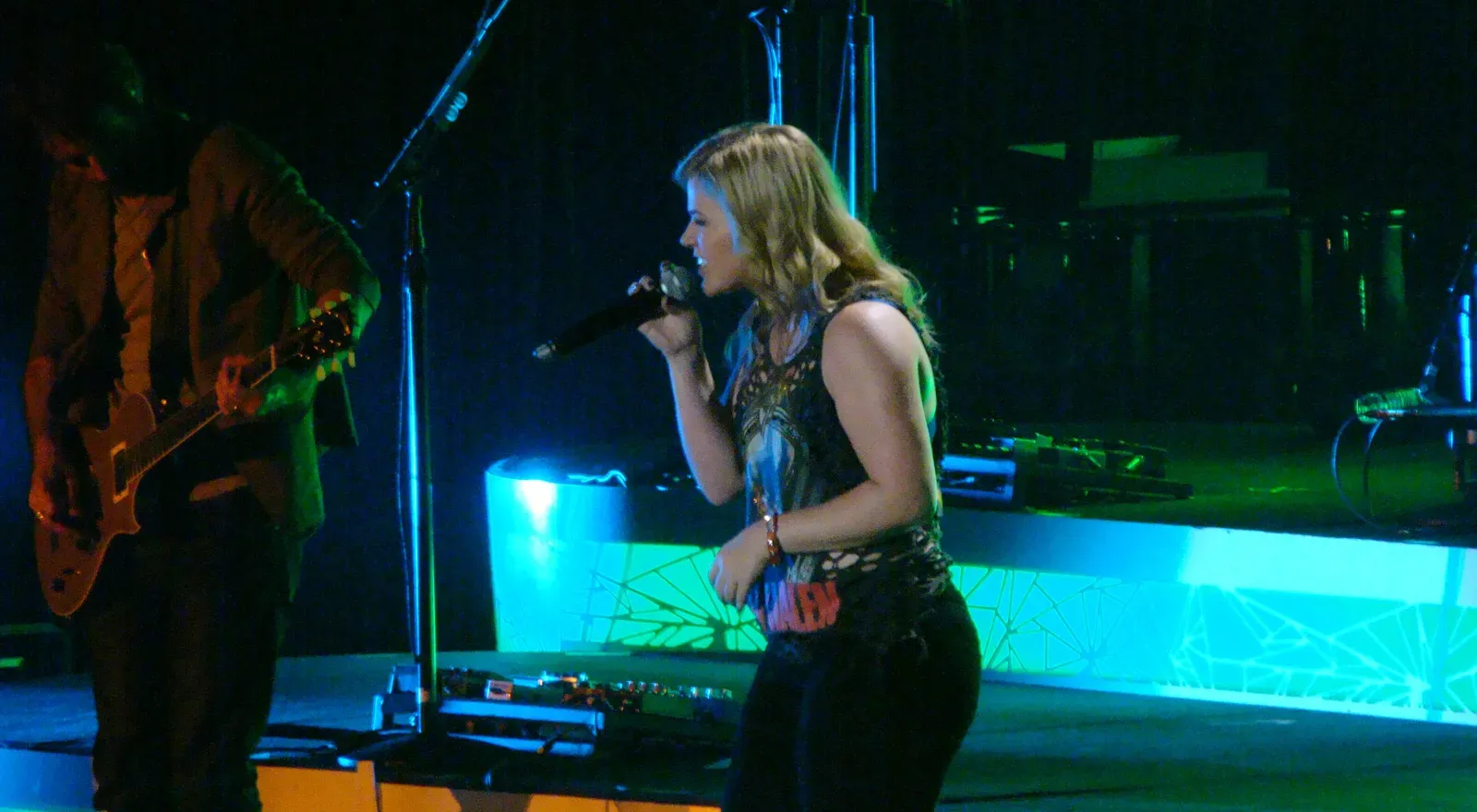
Max Martin wrote this one with a very specific voice in mind, and it wasn’t Kelly Clarkson’s. Martin originally wrote “Since U Been Gone” with Pink in mind, but she turned it down, and it was then given to Hilary Duff, who rejected the song because she could not reach its higher notes. Two rejections in, the song still had nowhere to land.
Clive Davis is the reason it found a home. The song was finally given to Clarkson after Clive Davis convinced the writers to give it to her. The result reshaped what a female pop rock anthem could sound like for the rest of the decade.
Pretty Hurts – Beyoncé

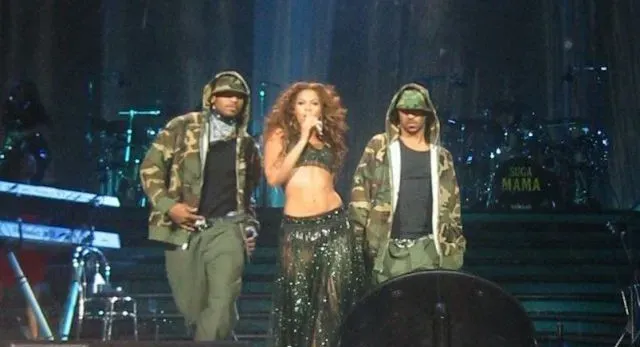
Sia wrote this song in a single session, and getting it recorded took much longer than writing it. Sia wrote Pretty Hurts in one session alongside Titanium, offered it to Katy Perry who didn’t respond, then sent it to Rihanna’s team, but it sat in email limbo. Two major pop stars essentially let it slip through their inboxes.
Beyoncé’s timing could not have been better. Eventually, Beyoncé heard it and made it the opening track of her self-titled visual album. The song’s sharp commentary on beauty standards and pageant culture ended up fitting her project in a way it likely never would have fit Perry’s or Rihanna’s.
Partner offer

Umbrella – Rihanna

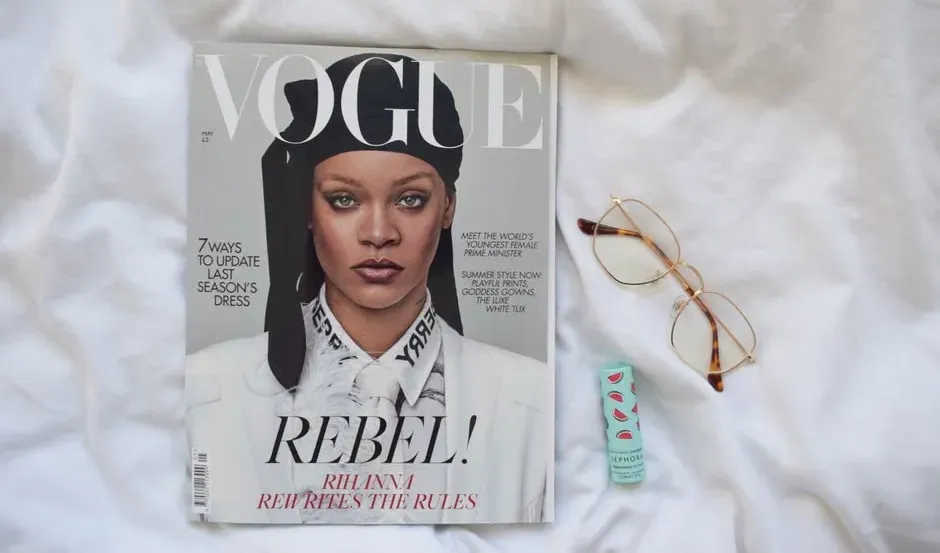
This one bounced between two of the biggest names in music before Rihanna ever heard it. According to reporting on the song’s origins, songwriters Terius “The-Dream” Nash and Tricky Stewart initially imagined it for Britney Spears, a plan that never materialized. Then came a second pass, and a second no.
Mary J. Blige revealed that “Dream and Tricky came to me with ‘Umbrella,'” but she decided to pass because she felt the song’s hook did not fit her at the time. Rihanna’s version became one of the defining singles of her career, and Blige has said she doesn’t regret the decision because the song simply wasn’t hers to sing.
Bye Bye Bye – NSYNC

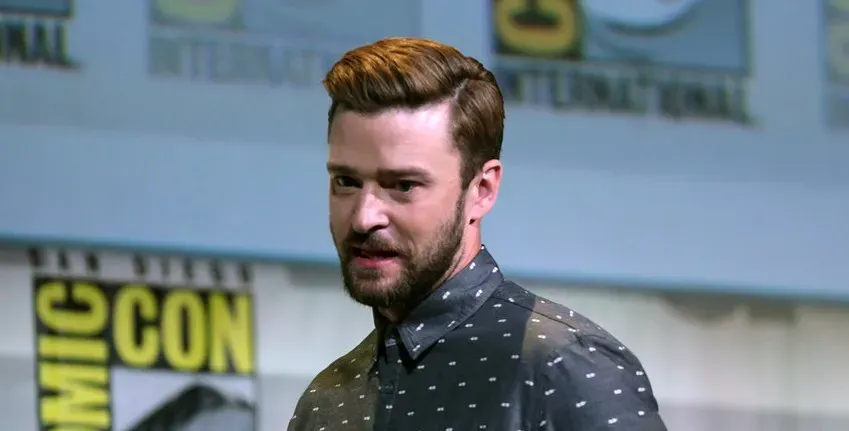
Before it became one of the most recognizable boy band songs ever made, “Bye Bye Bye” had a different intended home. “Bye Bye Bye” was first offered to the British band Five, but the group didn’t like it, so it went to Timberlake and Company, aka NSYNC. That single decision by Five reshaped the trajectory of two very different boy bands.
NSYNC’s version leaned into a sharper, more theatrical sound than much of their earlier material. It became one of the iconic boy band’s most iconic hits. Five, meanwhile, never got the crossover moment this song eventually provided someone else.
Rock Your Body – Justin Timberlake

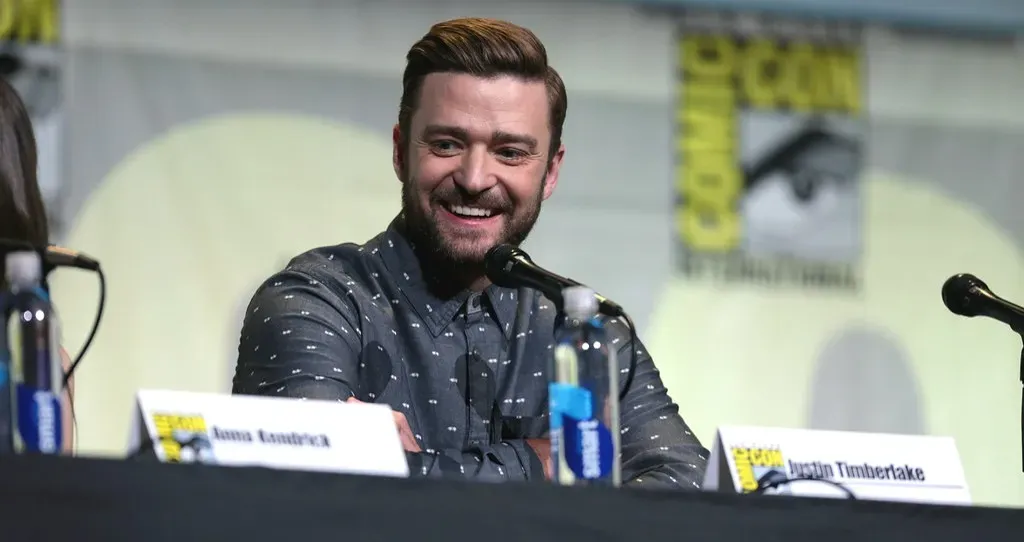
This song’s backstory involves an artist turning down his own work in progress. After Michael Jackson turned down “Rock Your Body,” the song went to Timberlake. It had reportedly been developed with Jackson’s Invincible album in mind, but it never made the final cut.
Timberlake, freshly stepping away from NSYNC, needed a signature solo statement, and this song gave him one. The bouncy, falsetto-driven groove became a launchpad for his solo career and later a memorable, if controversial, moment during a Super Bowl halftime show. It’s hard to imagine Jackson’s catalog missing much without it, but Timberlake’s would look very different.
Gold Digger – Kanye West
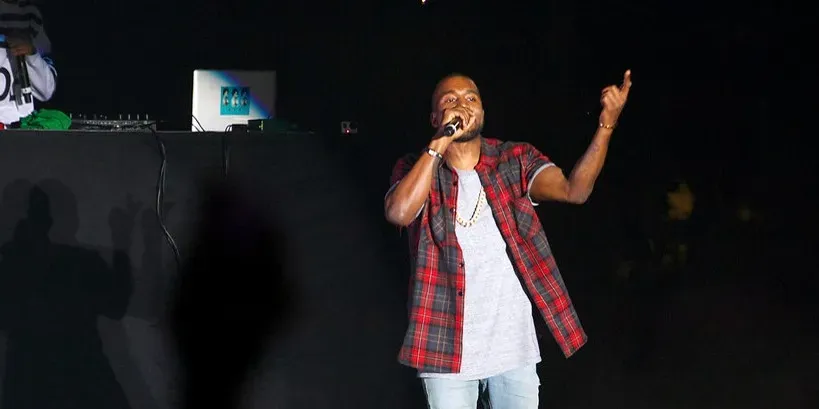
Kanye West wrote this track before he had fully committed to being a solo artist, and it wasn’t originally meant for him at all. Before Ye became famous as a recording artist, he was writing and producing for others, and he wrote “Gold Digger” for a female artist, offering it to the rapper Shawnna, who didn’t want it, so he reworked the track for himself and made it into a No. 1 hit. The gender-flipped rewrite ended up defining a very different song.
The Jamie Foxx-assisted hook and the sample of Ray Charles gave the final version a swagger that fit West’s rising public persona perfectly. It topped the Billboard Hot 100 and became one of the signature singles of his early career. Shawnna went on to have her own moments in hip hop, just not with this particular song.
Call Me – Blondie

Giorgio Moroder built this track for a movie soundtrack, and he had a very specific singer in mind before Debbie Harry ever recorded a note. Legendary Italian producer Giorgio Moroder composed the music of “Call Me” as part of the soundtrack for the “American Gigolo” movie, and once done, he turned to Fleetwood Mac vocalist Stevie Nicks to bring the song to life. It seemed like a natural pairing at the time.
Contractual complications got in the way. Nicks turned down the offer, reportedly to avoid a contractual breach, and the song then landed in the lap of Debbie Harry, whose band Blondie was experiencing one of the highest points of their career. Harry’s version became a defining new wave anthem and one of Blondie’s most enduring singles.
Looking back at these ten stories, a pattern starts to emerge. Songs rarely arrive fully formed and immediately obvious as hits. They pass through offices, get played over phones, sit in inboxes, and get turned down by people who, for entirely reasonable reasons at the time, simply couldn’t picture themselves singing them. What separates these ten tracks from countless other rejected demos is that they eventually found someone who heard exactly what the song needed, even if it took two, three, or five tries to get there.Partner offer
Planning a trip to Vegas?
Compare hotel rates and show tickets on VEGAS.com.