There’s something quietly revealing about imagining your favorite fictional characters with a phone in their hand. Literature has always been a mirror held up to human personality, and social media is, in its own chaotic way, the same thing. The platforms we use today reward exactly the traits that great writers spent centuries perfecting on the page: charisma, wit, obsession, beauty, and a willingness to let strangers into your world.
Through fiction, we gain access to personality expressions across different cultural and historical contexts, and characters from diverse literary traditions reveal how personality traits manifest differently across time periods. Strip away the corsets, the gaslit drawing rooms, and the sailing ships, and many of literature’s most enduring figures share their core traits with the influencers, commentators, and viral personalities we follow today. Here are ten who would have absolutely dominated the feed.
1. Dorian Gray (Oscar Wilde’s “The Picture of Dorian Gray”)
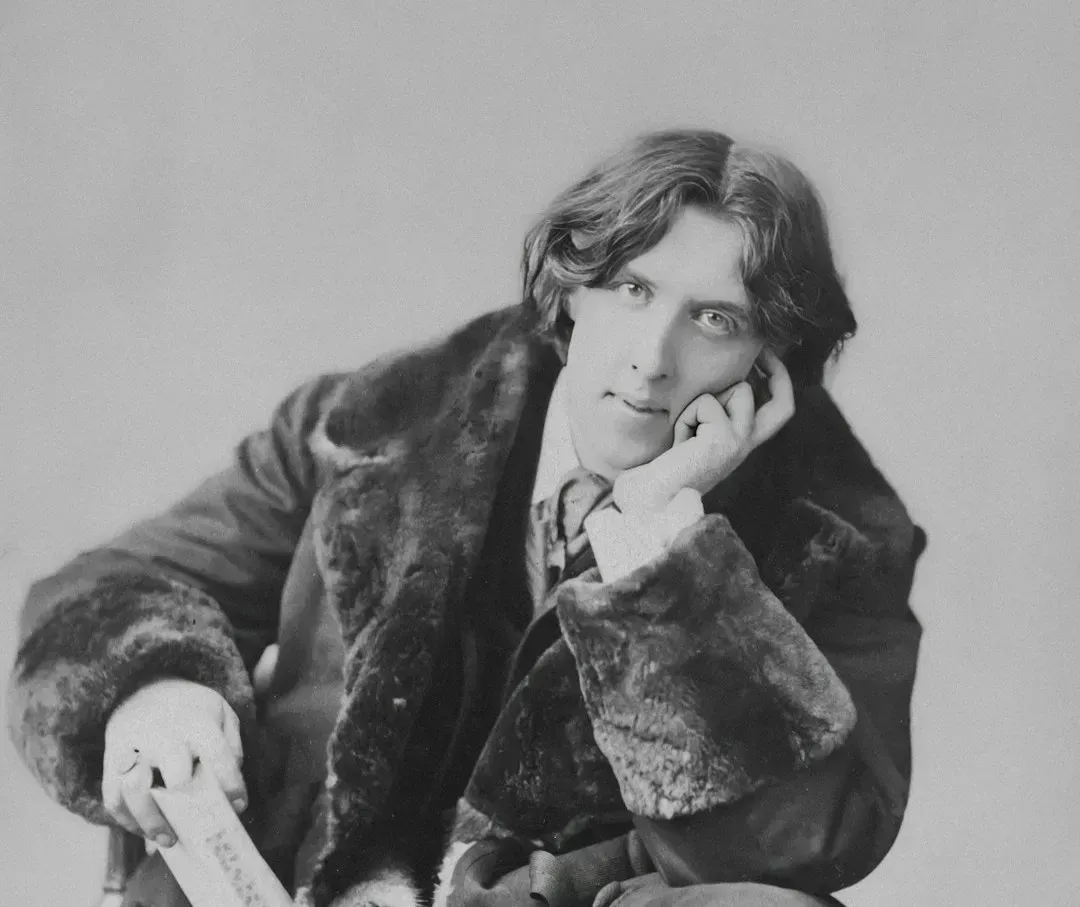
Dorian Gray is essentially the original Instagram aesthetic account. Beautiful, curated, and chronically performing for an audience, he exists to be admired. His entire tragedy hinges on the difference between the image he projects and the corruption festering beneath it, which is, when you think about it, a near-perfect metaphor for the influencer economy.
We can examine the tension between someone’s daily reality and the online persona they share with others, and no literary character embodies that tension more fully than Dorian. His feed would be immaculate: golden-hour portraits, exclusive parties, expensive art. The comments section would worship him. Nobody would scroll far enough back to see how it started.
2. Elizabeth Bennet (Jane Austen’s “Pride and Prejudice”)
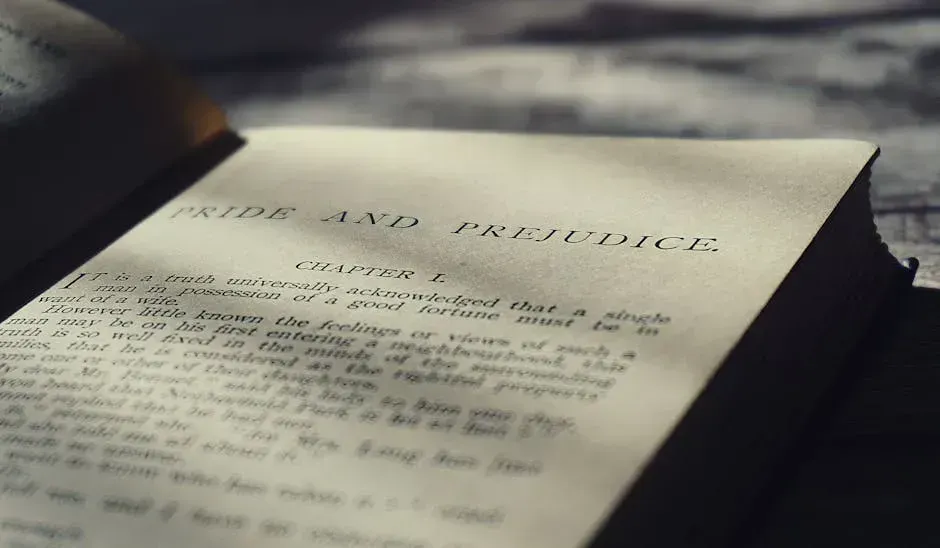
Elizabeth Bennet has all the ingredients of a wildly successful opinion columnist or podcast host transplanted to short-form video. She is sharp, funny, confident without being cruel, and refreshingly unwilling to flatter people who haven’t earned it. Her observations about the people around her are the kind that generate thousands of shares because they’re specific enough to feel true and broad enough to apply to everyone.
Extraverts tend to have more friends, interact with others more and use more words that reflect social activities, and Elizabeth, for all her private irony, thrives in social engagement. She’d be the BookTok creator who actually argues back in her comment section, calmly, and wins every time.
3. Sherlock Holmes (Arthur Conan Doyle’s “Sherlock Holmes” series)
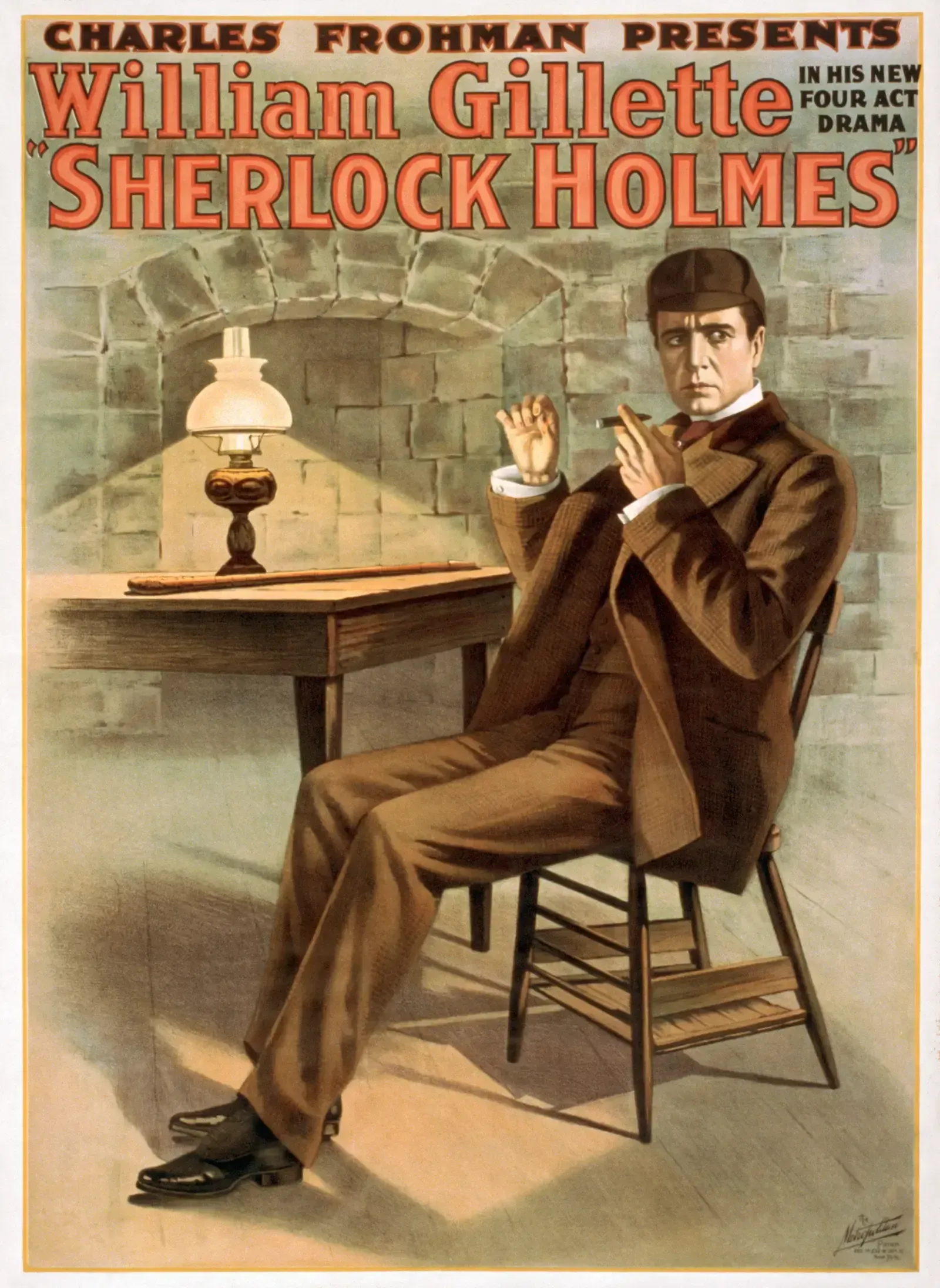
Sherlock Holmes would have a devoted online following and an equally devoted online nemesis or two. Sherlock Holmes is already on social media, as is Harry Potter and even Harry Blackstone Copperfield Dresden. These fictional characters exist on social media and they’re all from books. The real Holmes, though, would thrive in formats that reward rapid reasoning, such as long-form threads, forensic explainers, and cold case breakdowns.
He’d probably have a podcast that runs three hours and covers a single murder from fourteen angles. His comment section would be full of people trying to catch him in errors, which he would address in a calm, devastating follow-up post. The audience would double every time someone tried to argue with him.
4. Holden Caulfield (J.D. Salinger’s “The Catcher in the Rye”)
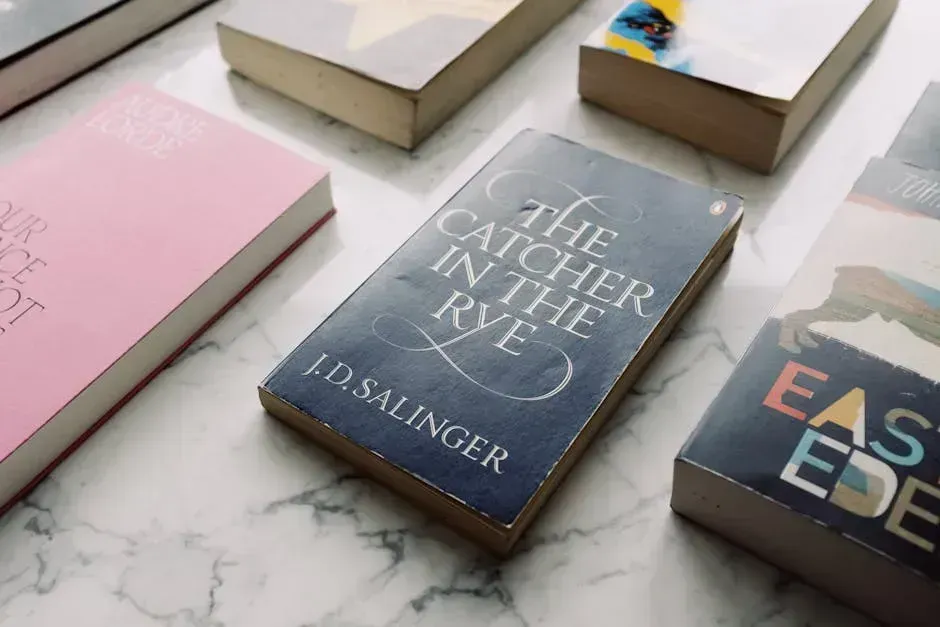
Holden Caulfield was practically born for the era of the grievance post. His voice, raw and repetitive and genuinely searching under all the posturing, is the exact register that performs well in spaces where authenticity is the currency. He would post late at night, never proofread anything, and somehow rack up hundreds of thousands of followers who feel like he’s speaking directly to them.
When examining fictional characters, moments of internal conflict, where their values, desires, and actions come into tension, often reveal the most about their core personality structure. That internal conflict is Holden’s whole brand. His most viral posts would be the ones where the irony slips and something real comes through, and his audience would never quite know when to take him seriously. Neither would he.
5. Jay Gatsby (F. Scott Fitzgerald’s “The Great Gatsby”)
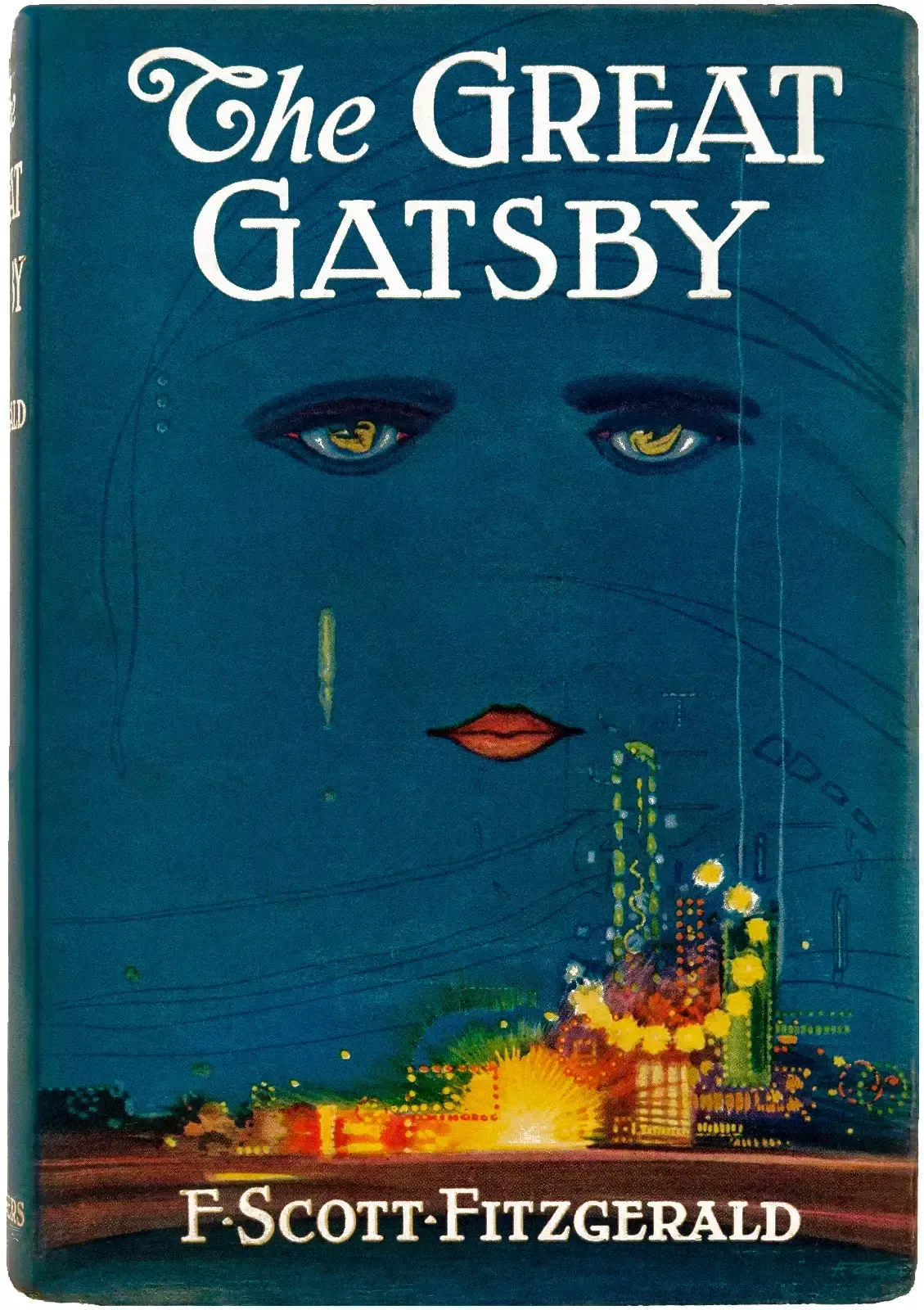
Gatsby would be a master of the personal brand. Every element of his life, the parties, the shirts, the car, the carefully composed persona, was designed to project a version of himself that bore little resemblance to where he started. That is, functionally, the project of lifestyle content creation. He would run a luxury account that looked aspirational to millions of people who couldn’t quite verify whether any of it was real.
The tragedy is baked into the format. BookTok highlights are proof of how perfectly emotionalization, social media, and mainstream markets intertwine, and Gatsby understood emotional manipulation long before the algorithm did. He’d chase one person’s attention across a thousand carefully staged posts, and the reach would be enormous, but it would still feel empty.
Partner offer
6. Hermione Granger (J.K. Rowling’s “Harry Potter” series)
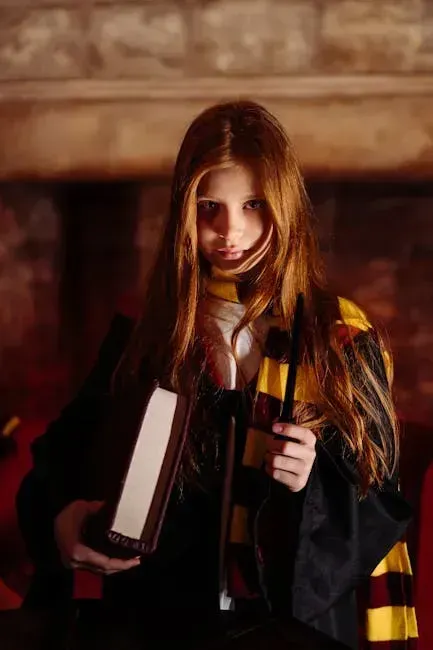
Hermione Granger is a natural fit for the kind of educational content that outperforms everything else when the topic is genuinely complicated. She would explain things at length, cite her sources, and correct misinformation with a patience that would slowly erode under repeated provocation. Her YouTube channel would have exhaustive chapter-length videos on magical theory, ethical governance, and the history of wizarding prejudice.
Highly conscientious people are more likely to use words like “family,” “week,” and “weekend,” and these word choices are indicative of their tendency to plan and focus on family responsibilities. Hermione fits this profile precisely. She’d be the creator who shows up every week, on schedule, with something longer and better researched than anything else in the space, and her subscriber count would reflect it.
7. Atticus Finch (Harper Lee’s “To Kill a Mockingbird”)
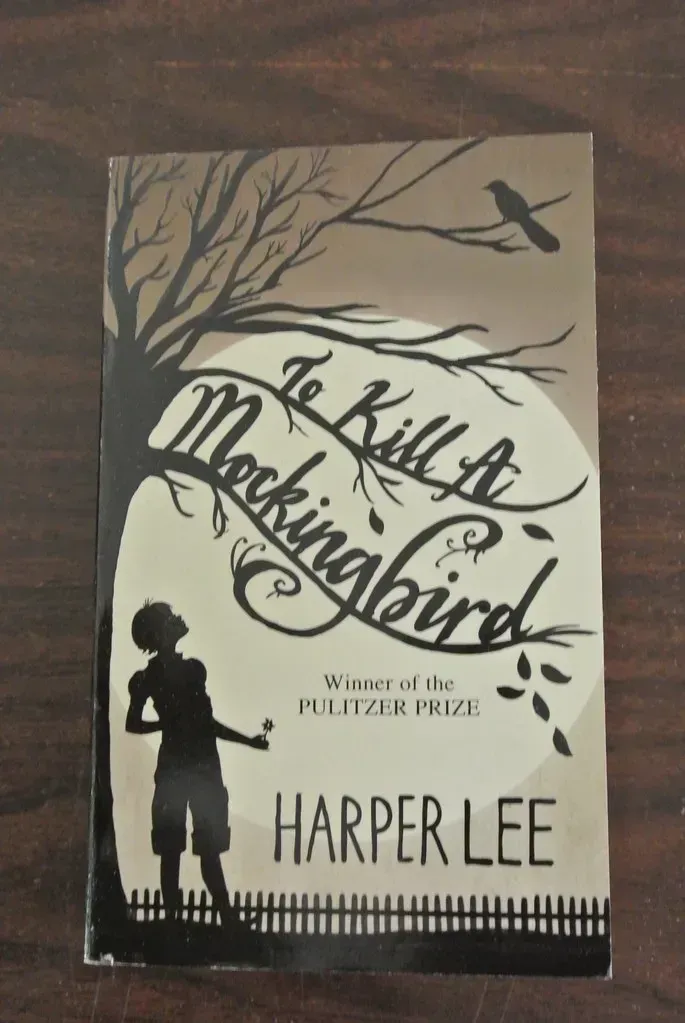
Atticus Finch would not chase virality. He’d resist it, actually, and that restraint would make him more compelling. In a media environment saturated with hot takes and performative outrage, his measured, principled tone would feel almost alien. People would screenshot his posts not because he said something inflammatory but because he said something plainly true in a moment when most people were too scared to.
Many attorneys have pursued a law career in part because of Harper Lee’s Atticus Finch. That real-world influence speaks to the depth of his character’s moral gravity. Online, he’d have a relatively modest following by influencer standards, but the loyalty of that audience would be unusually fierce. His name would come up constantly in other people’s comment sections, invoked as a kind of standard.
8. Anna Karenina (Leo Tolstoy’s “Anna Karenina”)
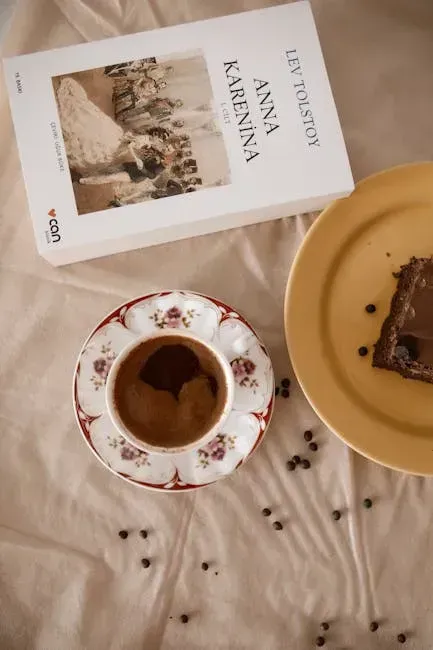
Anna Karenina would be the kind of creator people can’t stop watching even when, or especially when, things are falling apart. Glamorous, intelligent, emotionally overwhelming, and progressively unraveling in ways she broadcasts before she fully understands them herself, she’d have an audience gripped by the spectacle and the genuine tragedy in equal measure. Her posts would oscillate between radiant joy and quiet desolation.
We can observe how internal thoughts align or misalign with external behaviors, how past experiences shape current decisions, and how personality traits interact in response to various situations. That alignment between inner and outer life was always Anna’s central problem. Her followers would sense that something was wrong long before she acknowledged it, and the comment section would fill with warnings she couldn’t hear.
9. Don Quixote (Miguel de Cervantes’ “Don Quixote”)
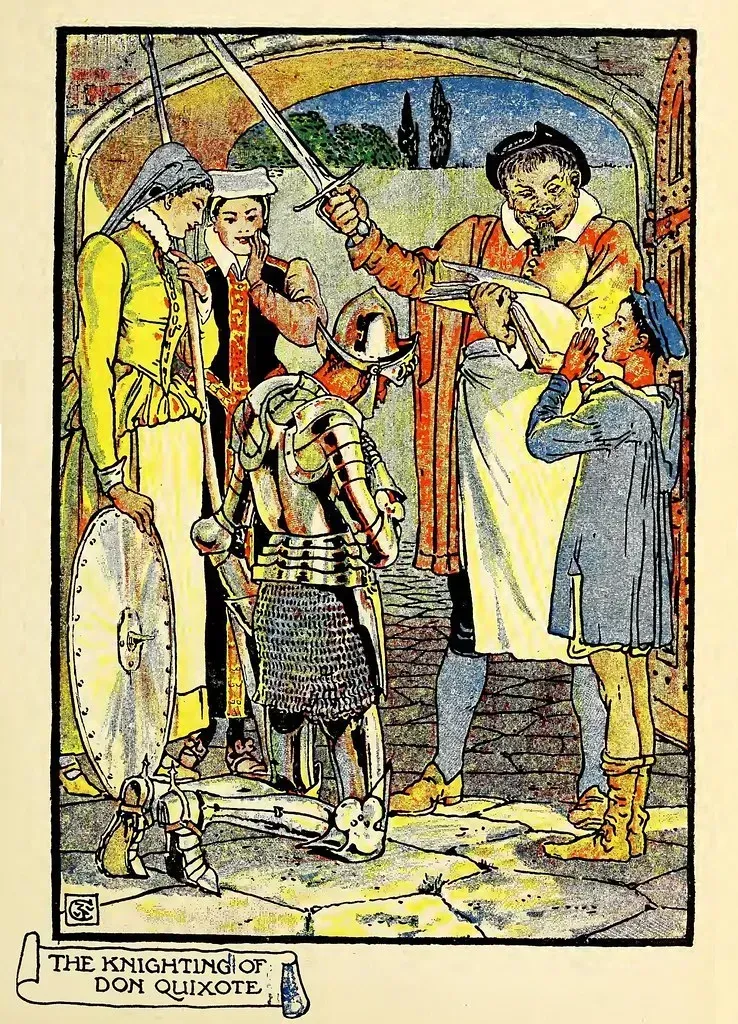
Don Quixote is the patron saint of the person who has gone completely off the mainstream feed and built something delirious and sincere in its place. He would have a niche but intensely devoted audience, people who appreciated his unshakeable conviction that the world could be transformed through sheer force of belief. His content would be confusing to outsiders but deeply meaningful to those who found it.
Examining how personality ideals have evolved through literary history, from the honor-driven heroes of ancient epics to the complex anti-heroes of contemporary fiction, provides insight into shifting psychological values and norms. Don Quixote straddles that shift entirely. He is the original idealist in an ironic world, and that combination plays surprisingly well on platforms where sincerity, when it’s genuine, tends to cut through the noise.
10. Scheherazade (“One Thousand and One Nights”)
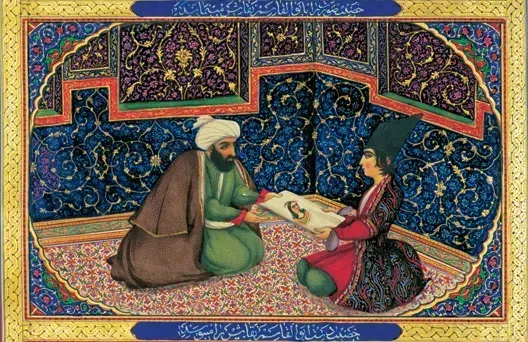
Scheherazade understood something about storytelling that every modern content creator is still learning: the most powerful thing you can do is make your audience need to know what happens next. She kept herself alive through sheer narrative skill, leaving each story suspended at exactly the right moment. That instinct, applied to a serialized online format, would make her genuinely unstoppable.
The most successful content often arises precisely where emotional short clips have more impact than classic reviews. Content that works primarily via social proof, emotionalization, and aesthetics tends to dominate. Scheherazade invented all three. She would serialize everything, keep the reveals just out of reach, and build an audience that checked in every single day not out of habit but out of genuine, urgent need to know how the story ends.
What makes this thought experiment interesting is how little the fundamentals have changed. The traits that make someone compelling on a platform in 2026 are largely the same traits that made characters unforgettable on the page centuries earlier: a distinct voice, a visible inner life, something to say, and the skill to say it in a way that lands. The technology is new. The human appetite it feeds is not.
Partner offer
Planning a trip to Vegas?
Compare hotel rates and show tickets on VEGAS.com.