Some people reshape a country. Others reshape a generation. Very rarely, someone comes along and rewrites the rules of the universe itself. The scientists on this list did exactly that. They stared at the unknown, asked impossible questions, and refused to stop until they had answers that still define how we understand life, matter, energy, and the cosmos today.
Think about every time you flip on a light, take medicine, or look at a weather forecast. Somewhere behind that ordinary moment is the obsessive work of a scientist who probably died long before seeing the true impact of what they built. This gallery takes you through the ten most influential scientific minds in all of human history. Some you know by name. Others might surprise you. Let’s dive in.
1. Isaac Newton (1643-1727) – The Man Who Gave Science Its Rules

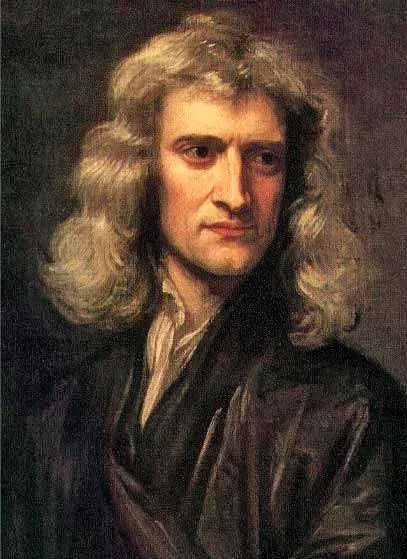
Here’s the thing about Newton: he didn’t just discover one important thing. He discovered everything all at once, and he mostly did it alone. Newton’s fundamental contributions to science include the quantification of gravitational attraction, the discovery that white light is actually a mixture of immutable spectral colors, and the formulation of calculus. That’s physics, optics, and mathematics in one career. Staggering, honestly.
Isaac Newton is widely known for his published work Philosophiae Naturalis Principia Mathematica in 1687, in which his laws of motion first appeared. It is one of the most important single works in the history of modern science. Think of it like an operating system for the physical world. Every equation a physicist or engineer uses to build a bridge, launch a rocket, or calculate ocean tides traces back directly to this one book.
One of the most eccentric geniuses in history, Sir Isaac Newton has been credited with contributing more to the development of modern science than any other individual in history. He produced a model of the universe which was more consistent, elegant, and intuitive than any proposed before. He died in 1727 and was buried in Westminster Abbey, London, the first scientist to be honoured in this way.
2. Albert Einstein (1879-1955) – The Man Who Bent Space and Time

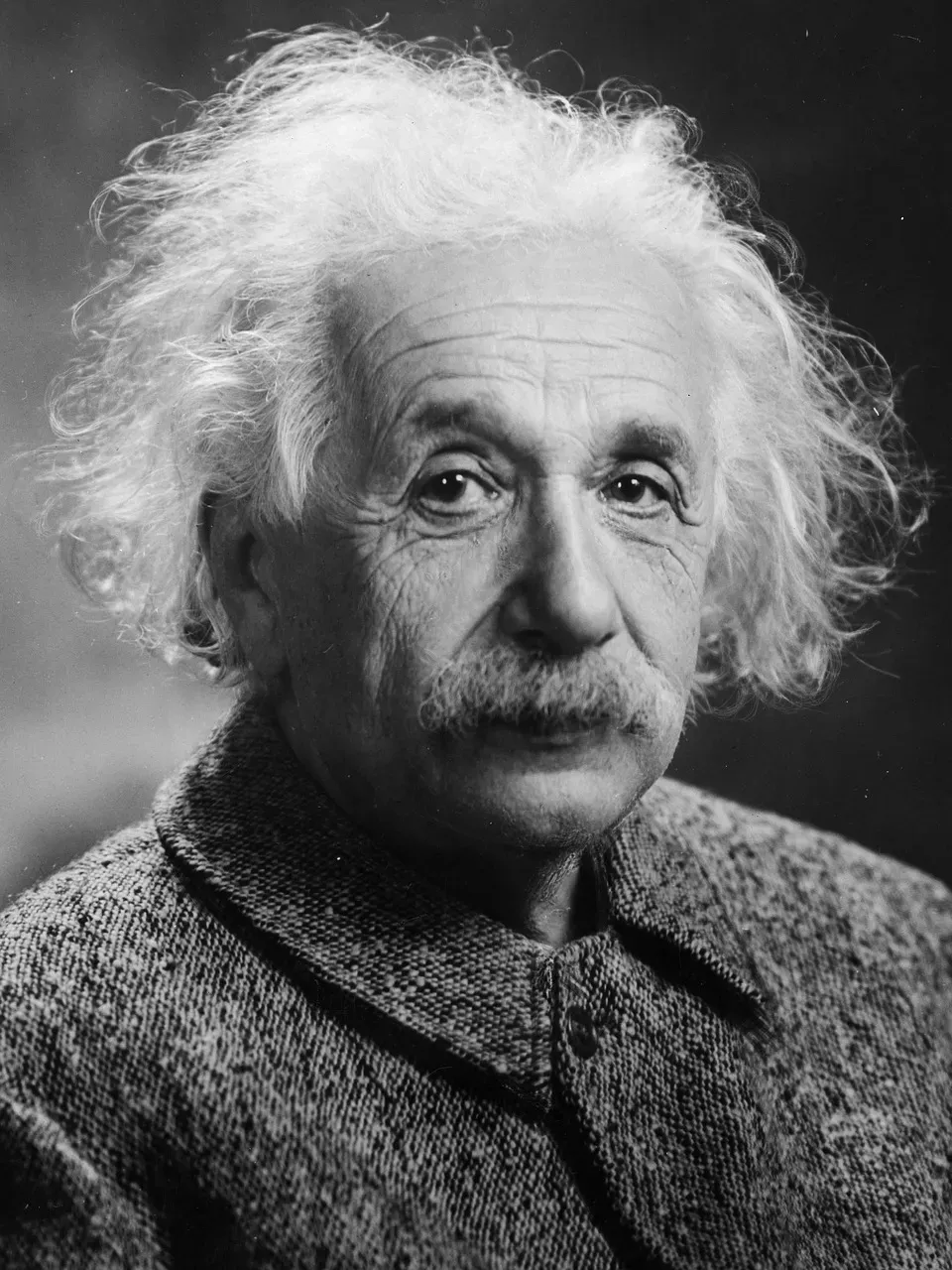
Ask anyone to name a scientist, and the odds are overwhelming they’ll say Einstein. That kind of cultural reach is rare. Albert Einstein was not only a scientific genius but also a figure of enduring popularity and intrigue. His remarkable contributions to science, which include the famous equation E=mc² and the theory of relativity, challenged conventional notions and reshaped our understanding of the universe.
This groundbreaking theory, which includes both special and general relativity, transformed our understanding of space, time, and gravity. It has had far-reaching implications in physics, astronomy, and even the development of GPS technology. Next time your phone guides you to a destination, you’re using Einstein’s work. It’s almost absurdly poetic.
Einstein was awarded the Nobel Prize in Physics in 1921. Einstein’s work inspired countless other scientists in fields such as astrophysics and quantum mechanics. To this day his theories are still being explored and tested, showing just how revolutionary and far-reaching his ideas were. I think it’s almost impossible to overstate how different modern physics would look without him.
3. Marie Curie (1867-1934) – The Pioneer Who Paid With Her Life

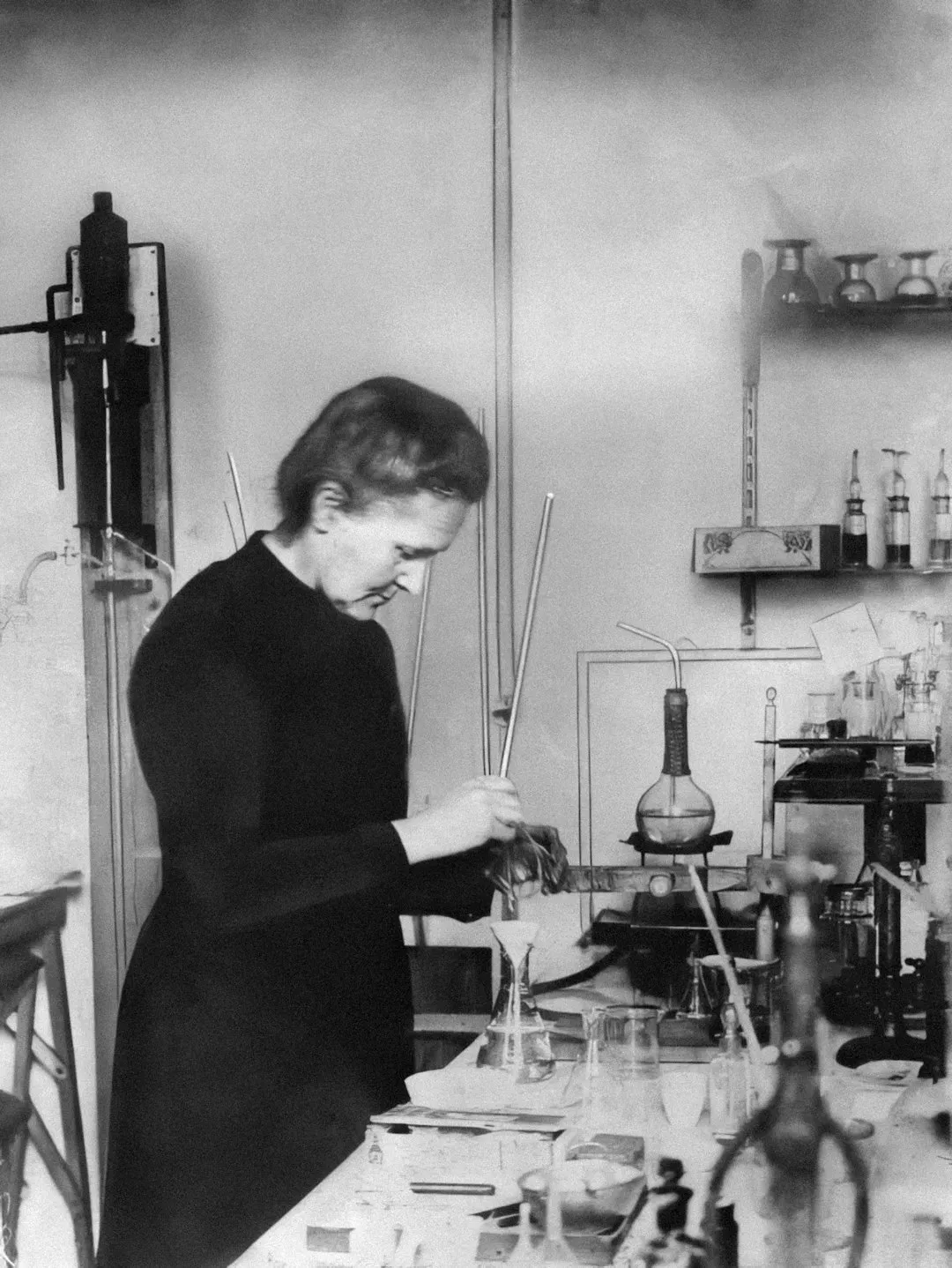
Marie Curie’s story is one of the most inspiring and heartbreaking in scientific history. Curie, originally from modern-day Poland, was the first woman to win a Nobel Prize, in physics, and also became the first person to win two Nobel prizes. Together with husband Pierre Curie, she discovered radioactivity and the elements polonium and radium. Two Nobel Prizes. Two entirely different scientific fields. No one has matched that since.
Her work not only advanced our understanding of atomic structure but also paved the way for innovations in medical diagnostics and cancer treatment through radiation therapy. Every cancer patient who has ever received radiation therapy owes something to Marie Curie’s relentless research.
Her relentless dedication to researching radioactivity paved the way for advancements in medical treatments and nuclear energy, though it came at the cost of her own life. She died of aplastic pernicious anemia, resulting from her constant exposure to radiation, in 1934. She gave everything to science. Quite literally everything.
4. Charles Darwin (1809-1882) – The Man Who Changed How We See Life Itself

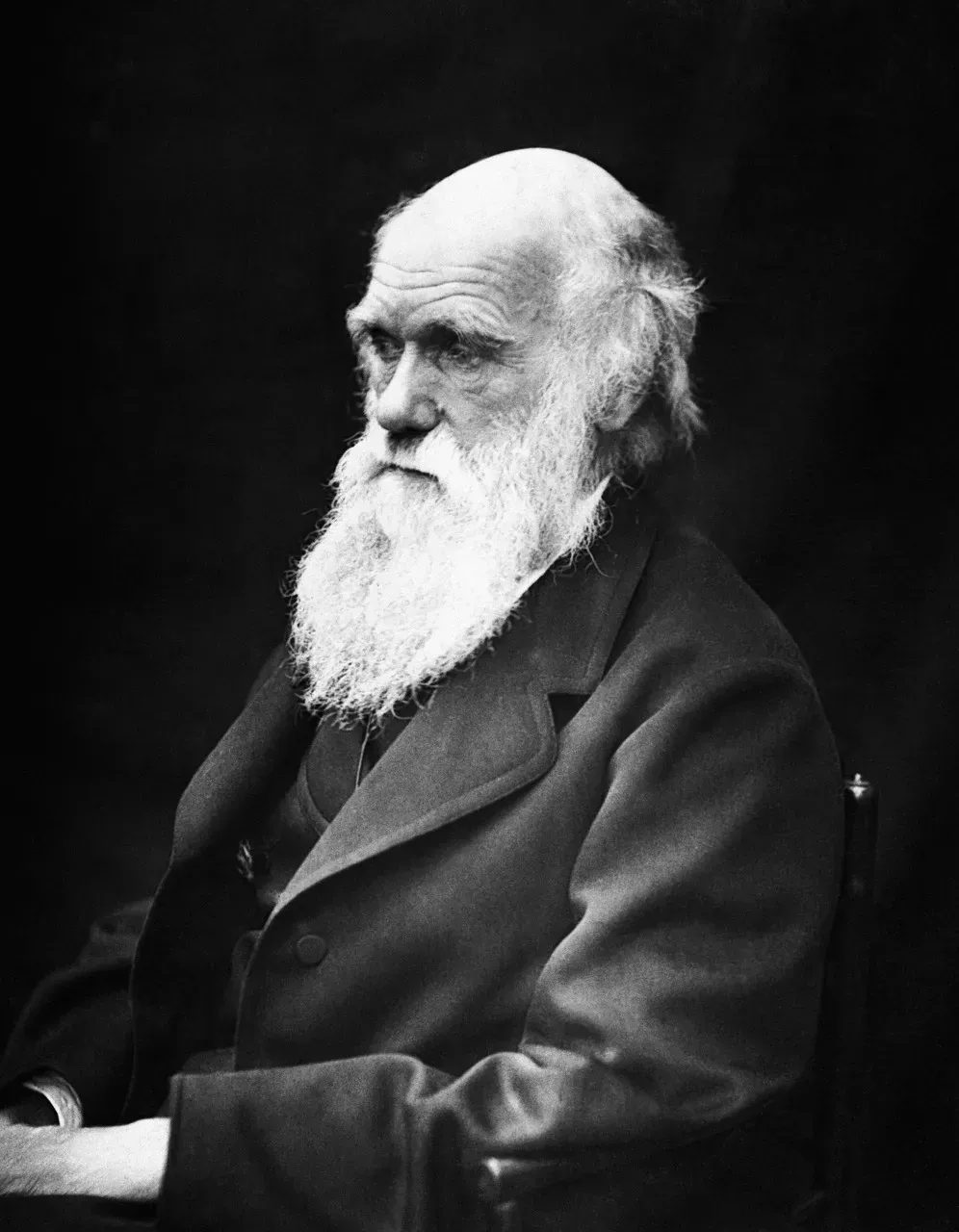
Darwin is a fascinating case because, by his own account, he nearly became a country clergyman instead of a naturalist. His path to becoming the father of evolutionary biology took an unexpected turn in 1831 when he received an invitation to join a world-spanning journey aboard the HMS Beagle. That one invitation altered the course of biology forever.
Growing up in Great Britain, Darwin was raised in a Christian family and held creationist beliefs. That’s not what you’d expect from the man whose landmark 1859 book On the Origins of Species by Means of Natural Selection provided a detailed description of the theory of evolution. In his writings, he outlined his natural selection concept, in which species that evolve and adapt to their environment thrive while the others perish.
His theory of evolution through natural selection challenged prevailing beliefs and left an enduring legacy that continues to shape the field of biology and our understanding of life on Earth. Today, it continues to influence fields like genetics, anthropology, and medicine. That is the definition of a lasting idea.
5. Galileo Galilei (1564-1642) – The Father of Modern Astronomy

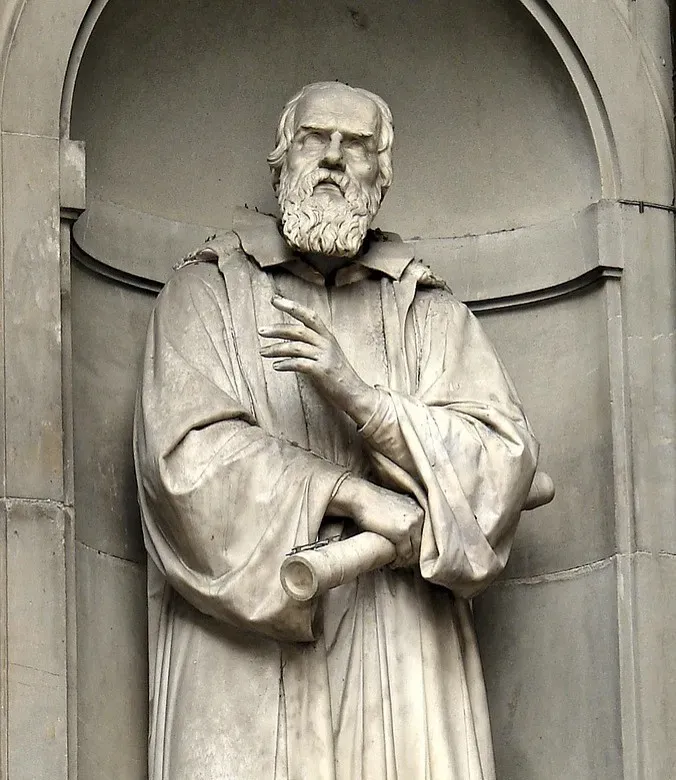
Galileo is a tragic hero and a triumphant visionary at the same time. Galileo Galilei was a revolutionary Italian scientist and astronomer who vigorously supported heliocentrism, the idea that Earth orbits the Sun. He is often called the Father of Modern Astronomy, due to his discovery of Jupiter’s largest moons, an improved version of the telescope, and more.
Galileo changed how we literally see the world by taking early telescopes and improving their design. The Italian scientist made lenses capable of magnifying objects twenty-fold. When Galileo used his tools to look toward the heavens, he discovered Jupiter’s four largest moons, now named in his honor, and stars far off in the Milky Way not visible to the human eye. His findings built the foundation for modern astronomy.
Galileo was once in conflict with the Roman Catholic Church for his firm stance towards the Copernican model of the solar system. This resulted in his house arrest in 1633, which was not lifted until his death nine years later. He spent the final years of his life under arrest for simply being right. Science has never forgotten that.
6. Nikola Tesla (1856-1943) – The Wizard Who Lit the World

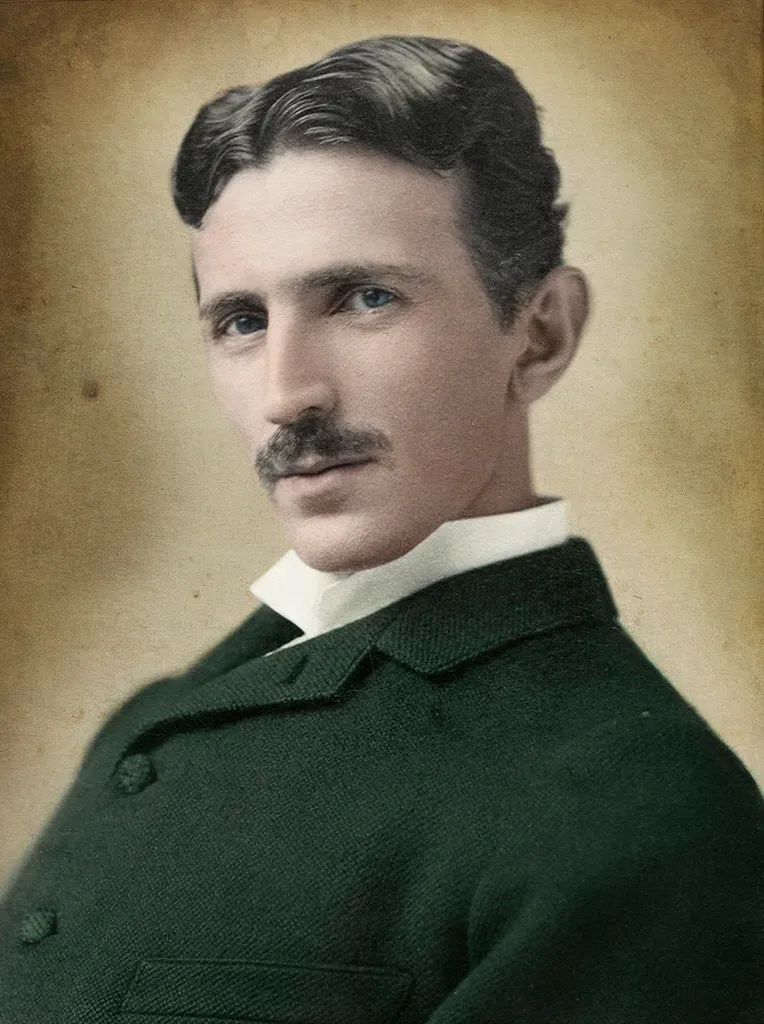
Tesla is probably the most misunderstood and underappreciated genius on this list. He was visionary in ways his era simply couldn’t contain. He was Croatia-born, and he designed the alternating current, or AC, electric system, which remains the primary method of electricity used throughout the world. Every home, every factory, every hospital on Earth runs on a system Tesla pioneered.
Nikola Tesla, a Serbian-American inventor, engineer, and futurist, made groundbreaking contributions to the field of electrical engineering. His invention of alternating current power transmission systems revolutionized the way electricity is distributed and remains the standard for electrical power distribution worldwide. Tesla’s work has had a profound impact on the modern world, from powering homes to driving industrial machinery.
He pioneered techniques like wireless transmission, radio control technology, and fluorescent lighting, which remain important features of modern electricity infrastructure today. His inventions were revolutionary for their time and paved the way for the development of modern electronics and communication. He is also remembered for his innovative ideas such as a worldwide wireless energy system, which he believed would make electricity available to everyone for free. Honestly, the world caught up to Tesla decades after he had already moved on.
7. Louis Pasteur (1822-1895) – The Man Who Saved More Lives Than Anyone

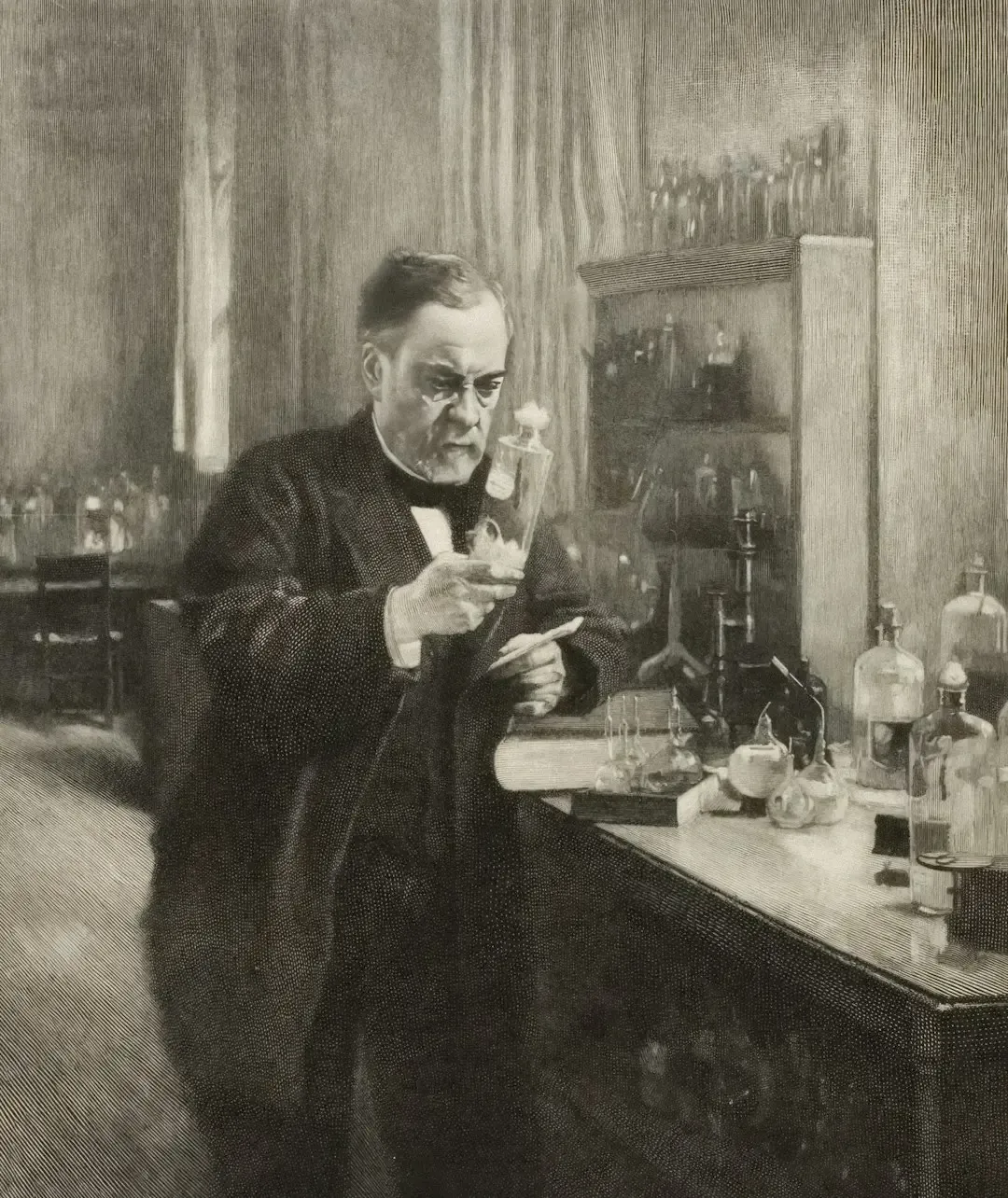
If you have ever survived a bacterial infection, drank a glass of safe milk, or received a vaccine, you owe a direct debt to Louis Pasteur. Louis Pasteur’s research revolutionized microbiology by demonstrating that microorganisms are responsible for fermentation and spoilage, leading to the development of the pasteurization process, which kills harmful bacteria in food and drinks. His work on germ theory became foundational to modern medicine.
During the mid to late 19th century, Pasteur demonstrated that microorganisms cause disease and discovered how to make vaccines from weakened, or attenuated, microbes. He developed the earliest vaccines against fowl cholera, anthrax, and rabies. That alone would be enough for a lifetime. Pasteur kept going further still.
Louis Pasteur was an instrumental player in the curing of infectious disease. Thanks to his discoveries of the principles of vaccination and advancement of medicine in developing cures for the likes of rabies and anthrax, it is estimated that Pasteur has saved more lives than anyone else in history. These days he is popularly known as the “father of microbiology.”
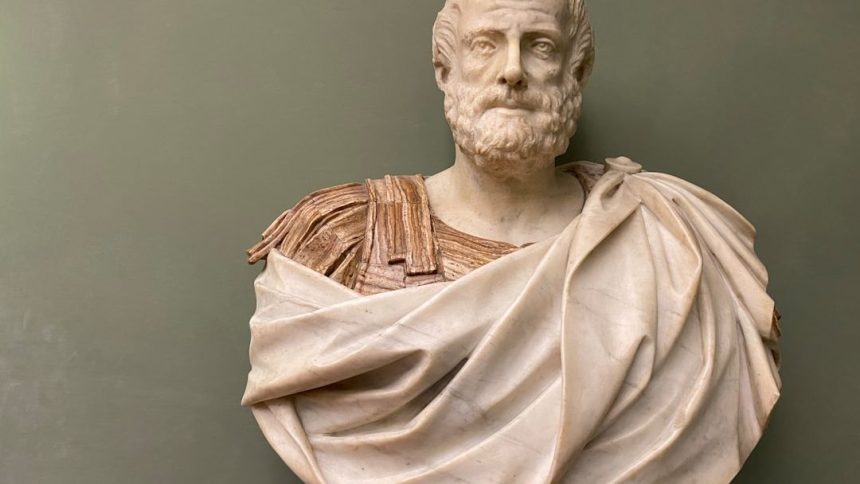
8. Aristotle (384-322 BC) – The Original Scientist

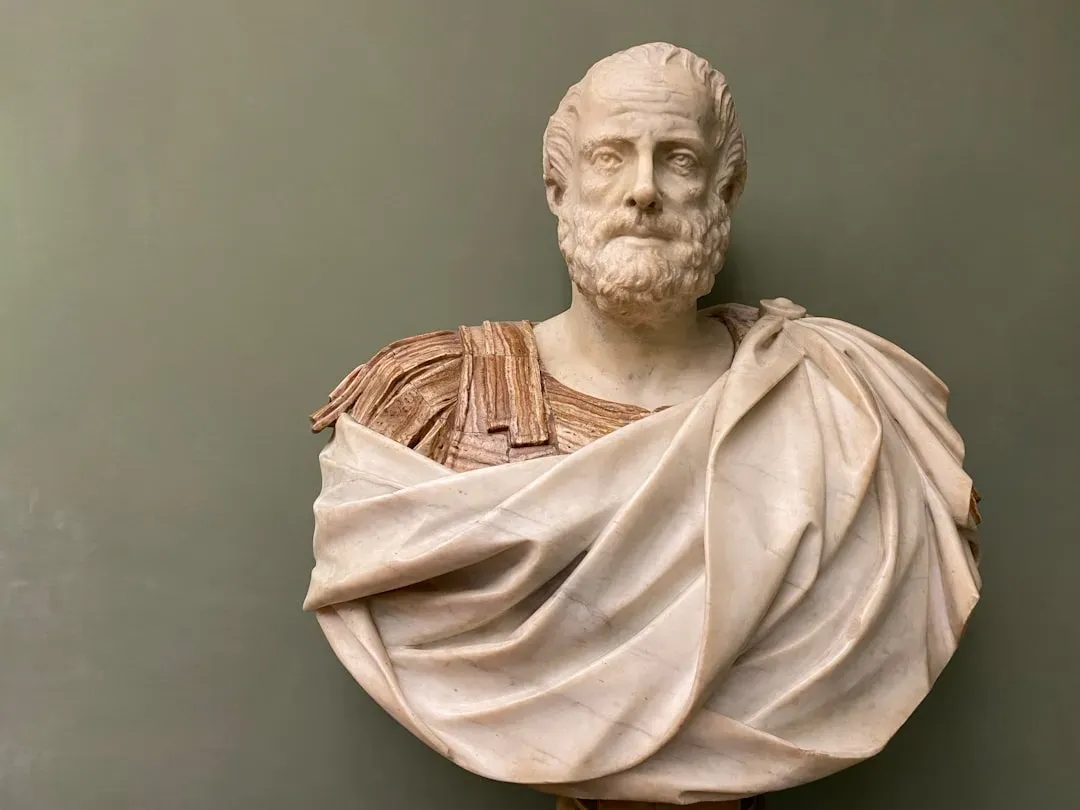
Before anyone else had a framework for understanding the natural world, Aristotle was building one from scratch. Born on 384 BC, Aristotle was a biologist, a zoologist, ethicist, a political scientist, and the master of rhetoric and logic. He also gave theories in physics and metaphysics. Aristotle gained knowledge in different fields with his expansive mind and prodigious writings.
Aristotle made collections of plant and animal specimens and classified them according to their characteristics, which made a standard for future scientific work. He further gave theories on the philosophy of science. This is essentially the founding act of systematic biology, centuries before anyone else attempted it in a methodical way.
Aristotle, born in Ancient Greece around 384 BCE, was both a philosopher and scientist, who contributed early theory and observation in all fields of science and medicine. It’s hard to say for sure that any later scientist would have developed without Aristotle’s framework underneath them. He basically invented the concept of asking “why” about the natural world in a disciplined, replicable way.
9. Rosalind Franklin (1920-1958) – The Unsung Architect of Modern Genetics

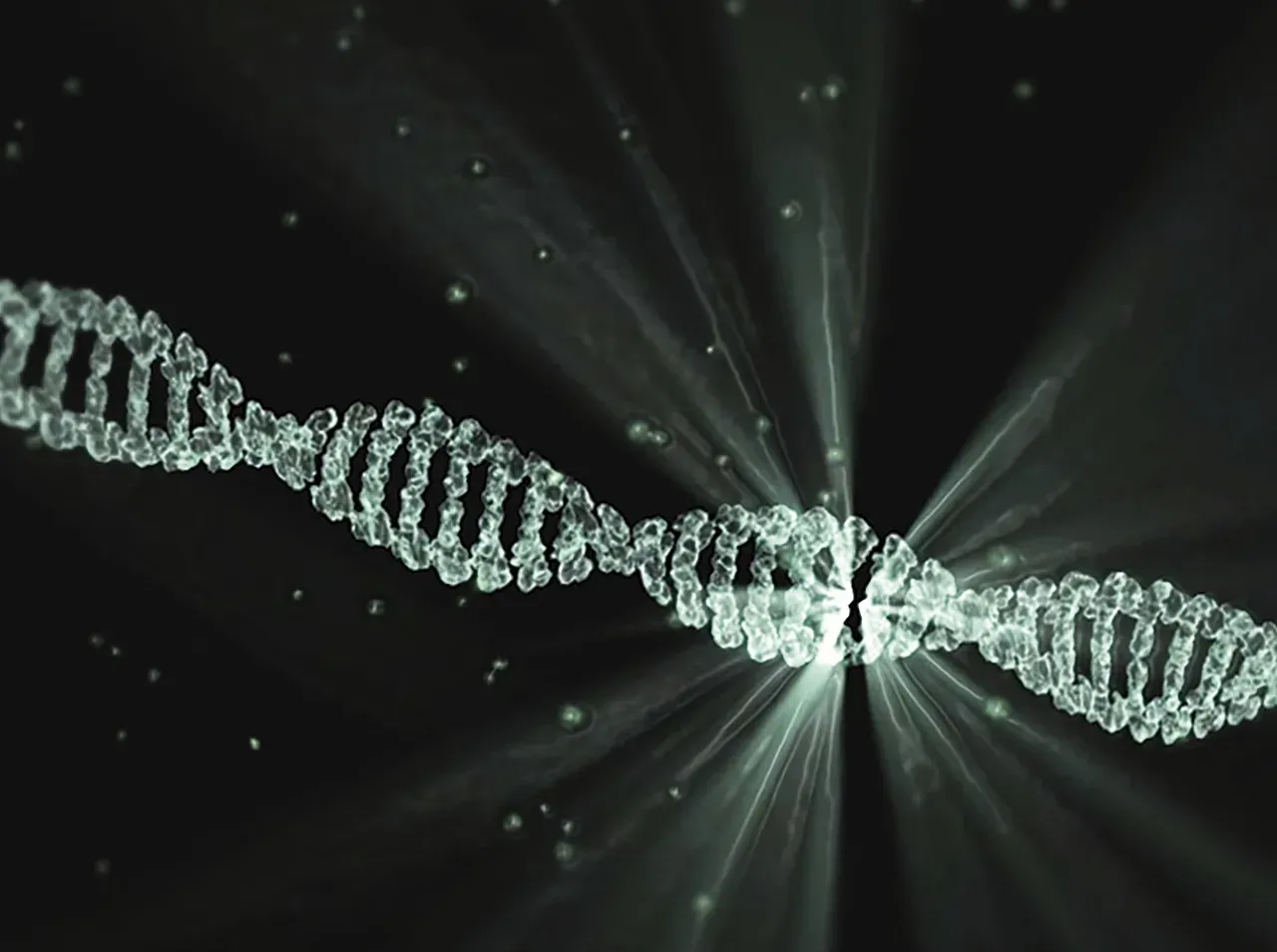
This is the entry on this list that might make you the most frustrated. Franklin’s brilliance shone through in her work, particularly in the field of X-ray crystallography, an imaging technique that revealed molecular structures based on scattered X-ray beams. Her technical precision was extraordinary, and it led her directly to one of the greatest discoveries in biological science.
Rosalind Franklin used X-ray diffraction to capture images of DNA, which revealed the molecule’s helical structure. Her data were critical in deciphering the double-helix structure of DNA, as later described by Watson and Crick. Watson and Crick received a Nobel Prize in 1962 for that discovery. Franklin had died in 1958 of ovarian cancer, and the Nobel Prize cannot be awarded posthumously.
Rosalind Franklin’s short scientific career produced brilliant contributions to the structure of carbon, DNA, and helical and spherical viruses. At 30, she was a recognized authority who switched from carbon to DNA research and, a few years later, to nucleic-acid-protein complexes known as viruses. She made landmark contributions that led to two Nobel Prizes. She did not receive or witness either of them. A hundred years after her birthday, Franklin’s scientific contributions are even more important now than during her lifetime.
10. Ada Lovelace (1815-1852) – The First Programmer in History

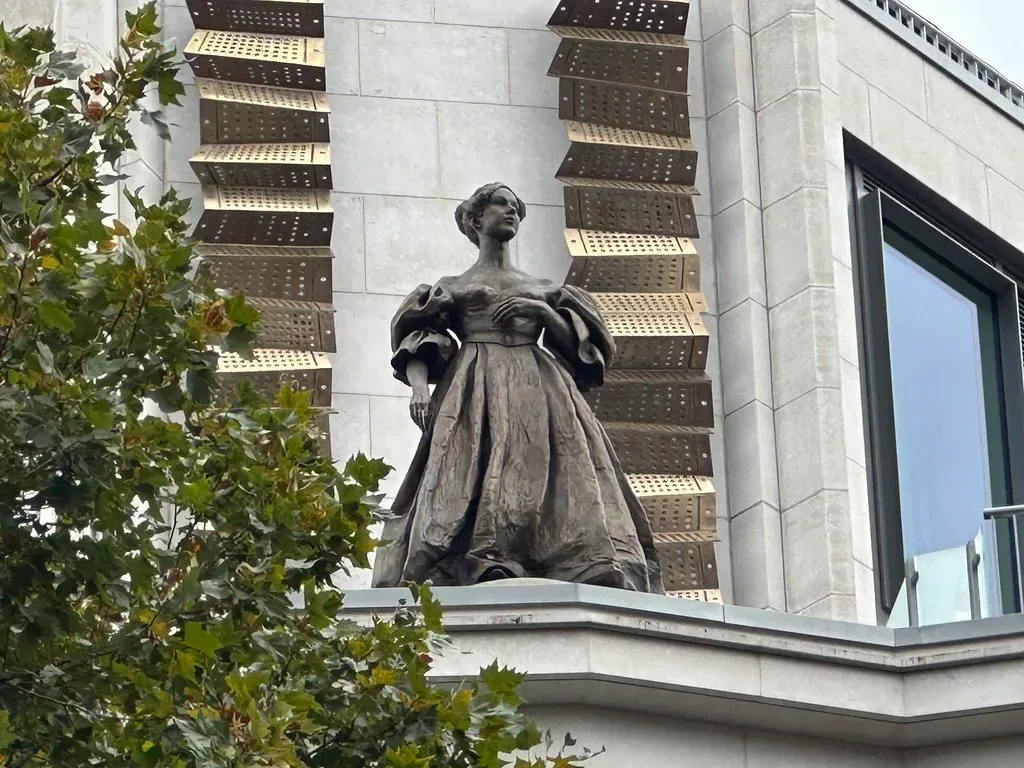
In 1843, a woman described a machine that didn’t yet exist and wrote instructions for it that no one would run for another century. Ada Lovelace defied the conventions of her era and transformed the world of computer science. She is known as the world’s first computer programmer. This is remarkable enough on its own.
Ada, the only legitimate child of the poet Lord Byron, entered into a pivotal collaboration with British mathematician, inventor, and engineer Charles Babbage. Babbage had conceived plans for an intricate machine called the Difference Engine, essentially a massive mechanical calculator. Lovelace went a step further by crafting instructions for solving a complex mathematical problem, effectively creating what many historians later deemed the world’s first computer program.
Ada Lovelace is recognized as the first computer programmer for her work on Charles Babbage’s Analytical Engine. She died at just 36 years old, which makes her legacy even more staggering. Every line of code ever written, every piece of software ever shipped, every app on your phone traces a philosophical lineage back to a woman in Victorian England who saw the future and described it in writing before the tools to build it even existed.
A Legacy That Still Grows

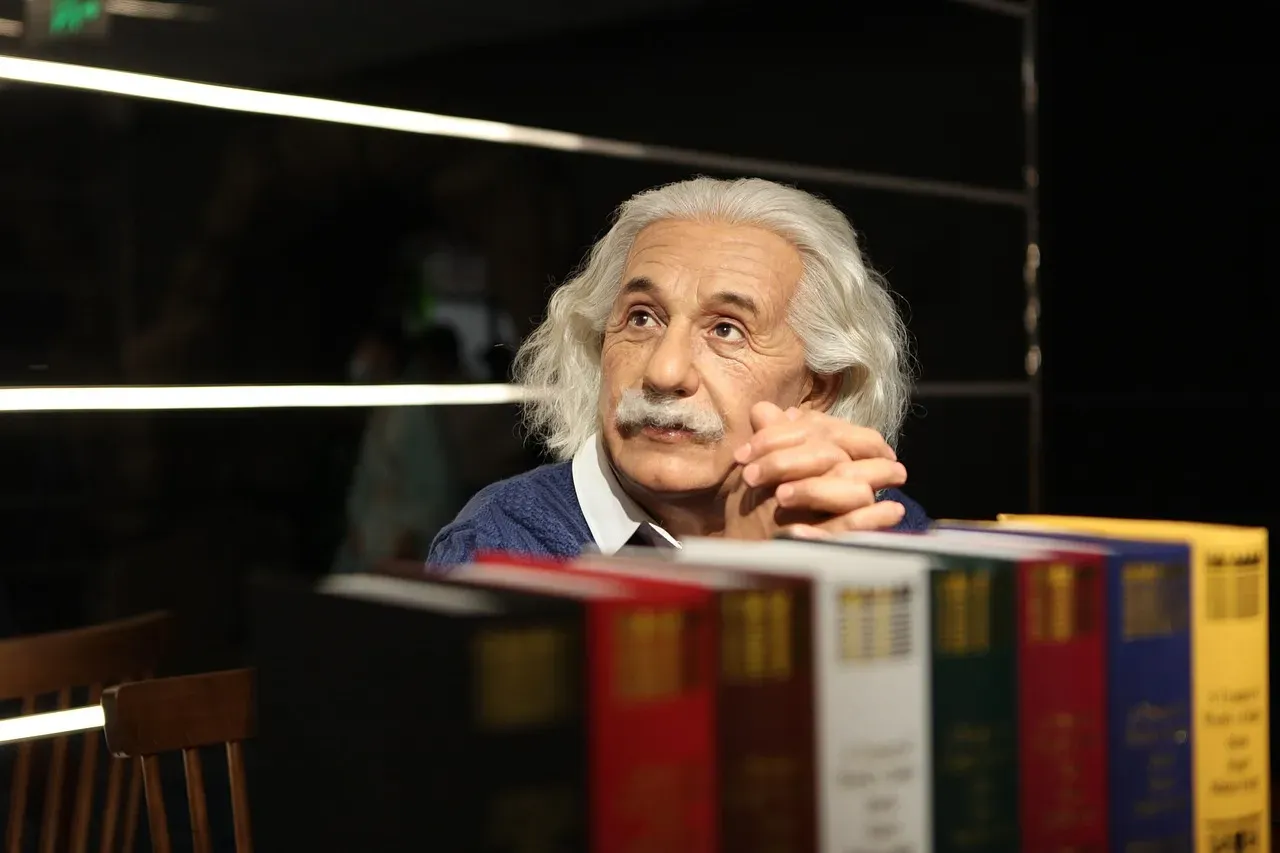
What’s remarkable about all ten of these scientists is that their work didn’t stop mattering when they died. Newton’s physics still guides space missions. Darwin’s theory still drives biological research. Franklin’s DNA work still underpins the genetics revolution we’re living through right now in 2026. Tesla’s AC current still powers every device you own.
These weren’t just smart people. They were people who looked at the edge of human knowledge and decided that edge wasn’t good enough. Some of them were celebrated. Others were ignored or punished. A few, like Franklin and Lovelace, were buried under the contributions of others for decades.
The real takeaway here isn’t just to admire their brilliance, but to ask what that kind of curiosity actually costs. Several on this list sacrificed health, freedom, relationships, and in some cases life itself for an idea they believed in deeply. That’s not just science. That’s conviction. Which of these ten scientists do you think had the greatest impact on the world you live in today? Tell us in the comments.