Sequels have a reputation problem. For every follow-up that expands on a beloved story, there are a dozen that feel like a cash grab dressed up in familiar costumes. Yet every so often, a director takes a solid first film and turns it into something bigger, sharper, and more memorable than anyone expected. What follows is a look at ten sequels that didn’t just match their predecessors but actually surpassed them, according to critics, audiences, and in some cases, the Academy itself.
The Godfather Part II (1974)
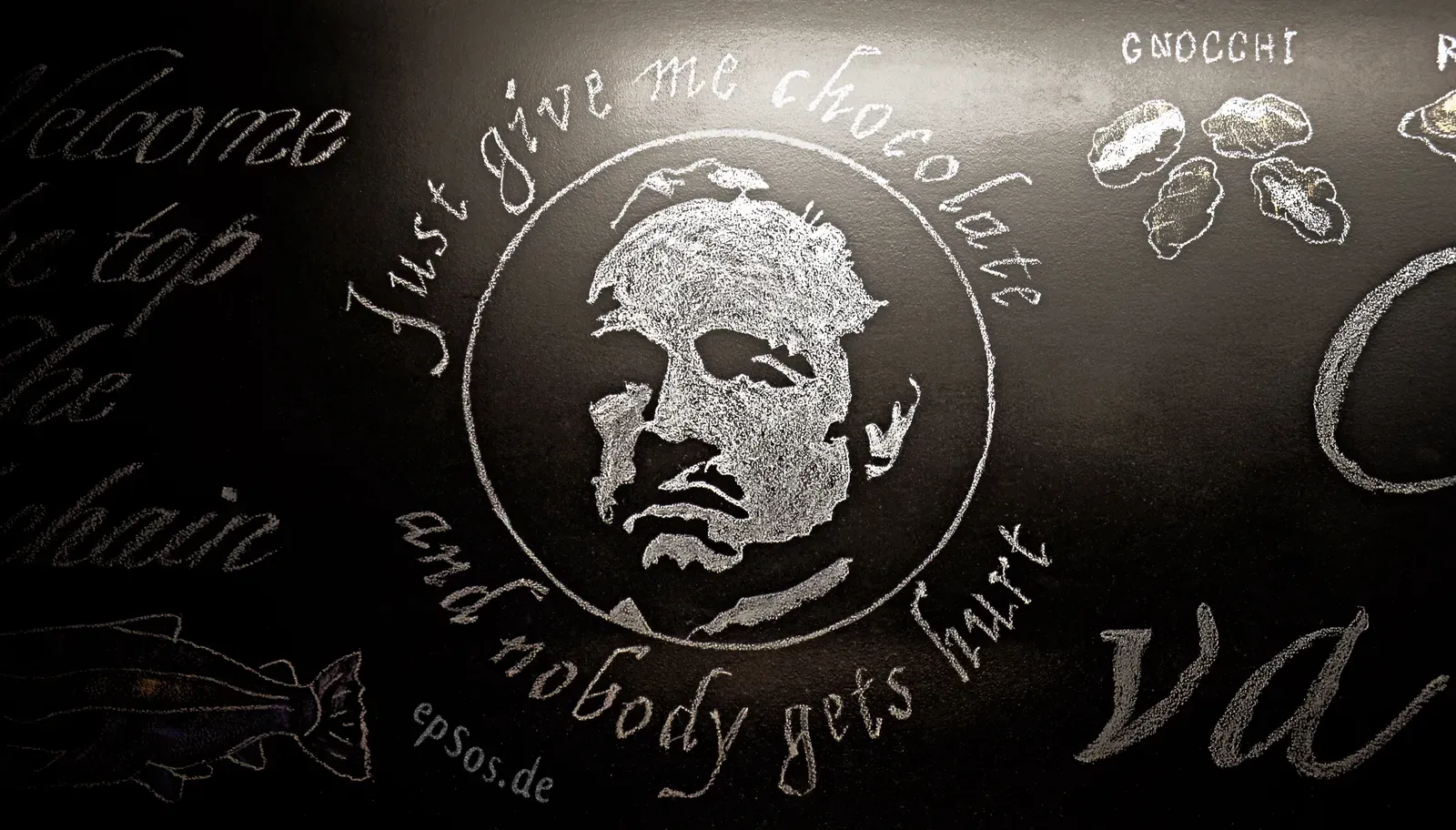
Francis Ford Coppola did something almost unheard of with this one. Rather than simply continuing Michael Corleone’s story, he wove it together with a prequel following young Vito Corleone’s rise to power, played by Robert De Niro. The film was nominated for eleven Academy Awards and won six, including Best Picture. De Niro also took home a statue for Best Supporting Actor.
The Godfather: Part II currently holds a 96% “Certified Fresh” rating on Rotten Tomatoes, with a critic consensus praising how it “set new standards for sequels that have yet to be matched or broken.” It remains, to this day, the only sequel widely considered by film scholars to have topped an original that was already regarded as a masterpiece. That’s a tough act to follow, and honestly, nothing else on this list has quite matched that level of consensus.
The Empire Strikes Back (1980)
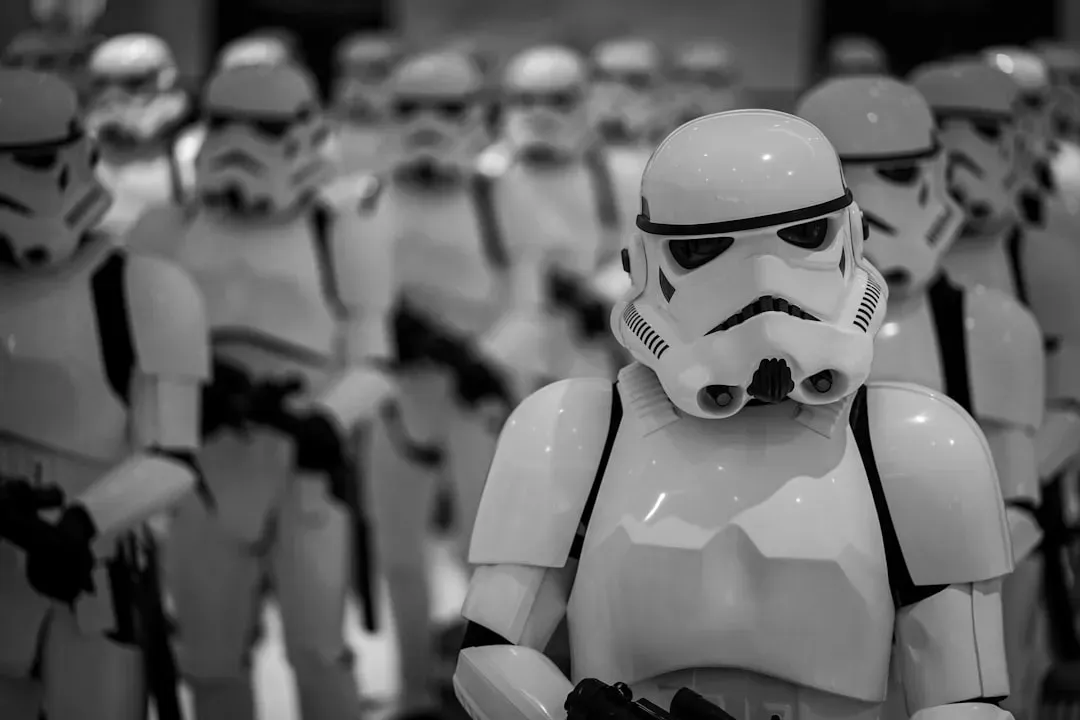
George Lucas handed directing duties to Irvin Kershner for the second Star Wars film, and the result was a darker, more emotionally complex story than the original 1977 adventure. The reveal about Luke’s parentage, Han Solo’s fate, and Yoda’s introduction gave the saga a weight it hadn’t had before. It’s the entry most fans point to when arguing that Star Wars peaked early.
Where the first film was a scrappy underdog story, Empire took real risks with its ending, refusing to wrap things up neatly. That gamble paid off creatively, even if it initially confused some 1980 audiences expecting a tidier resolution. Decades later, it’s routinely ranked as not just the best Star Wars film but one of the best sequels in cinema history.
Terminator 2: Judgment Day (1991)
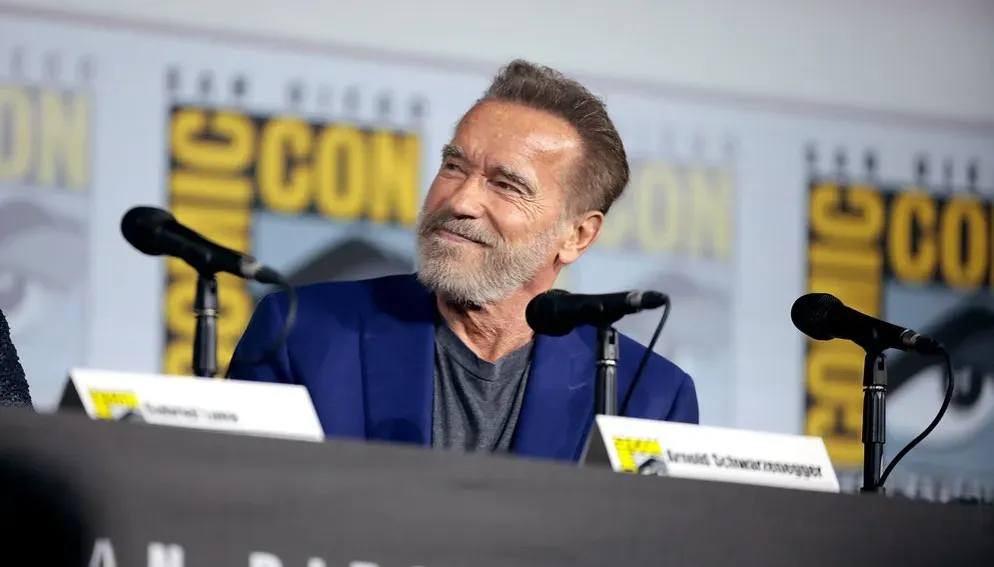
James Cameron flipped the entire premise of his own 1984 original, turning Arnold Schwarzenegger’s Terminator from villain to protector. Principal photography lasted from October 1990 to March 1991, on an estimated 94 to 102 million dollar budget, making it the most expensive film ever made at the time. That investment showed up on screen in ways audiences hadn’t seen before.
Terminator 2 earned between 519 and 520.9 million dollars worldwide, making it the highest grossing film of 1991. The liquid metal T-1000, played by Robert Patrick, gave the franchise a villain more unsettling than the first film’s relatively simple killing machine. The original’s cost was just over 6 million dollars, which puts into perspective how dramatically Cameron scaled up his vision the second time around.
Aliens (1986)
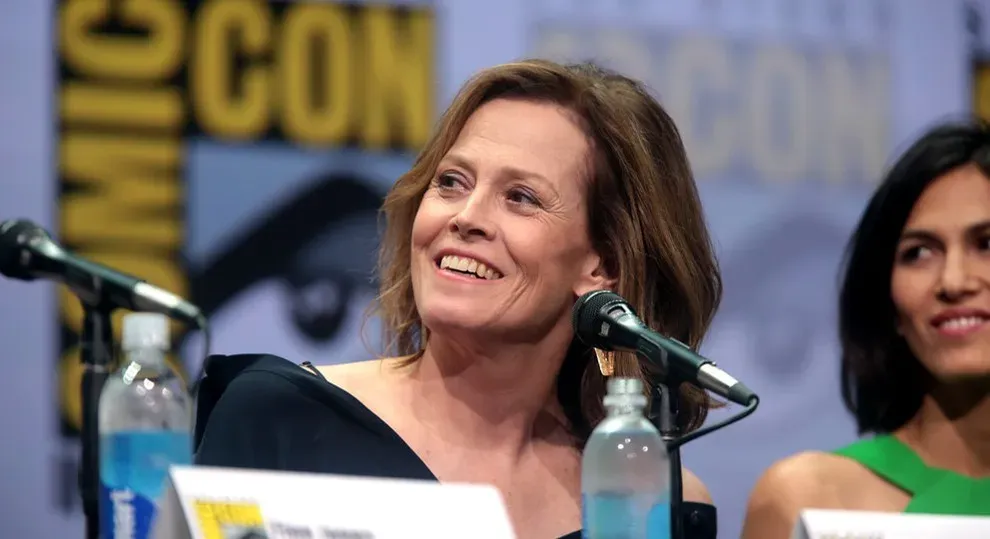
Ridley Scott’s 1979 Alien was a claustrophobic horror film built on dread and isolation. James Cameron, taking the reins for the sequel, transformed it into a tense military action picture without losing the terror that made the original work. Sigourney Weaver’s Ripley became a fully realized action hero, one of the first of her kind in mainstream cinema.
The shift in genre could have backfired badly, turning a smart horror franchise into generic shoot-em-up fare. Instead, Cameron balanced spectacle with genuine character development, giving Ripley a maternal arc opposite the young survivor Newt that added emotional stakes the first film never had room for. Many critics and fans still debate whether Alien or Aliens is the better film, which says plenty about how well the sequel holds up.
The Dark Knight (2008)
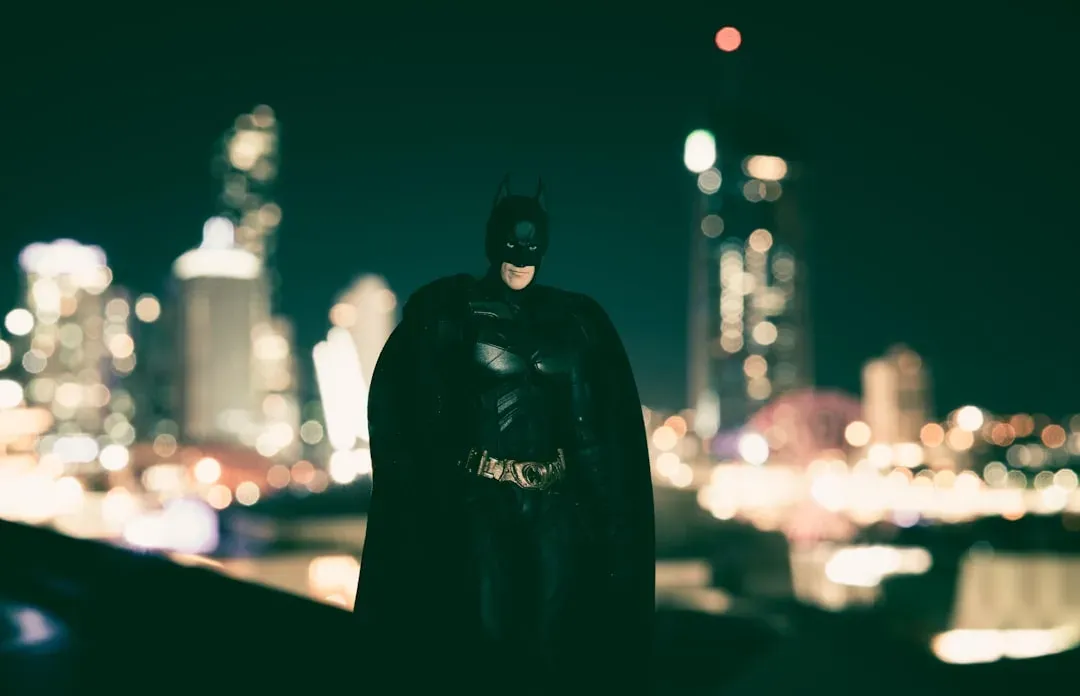
Christopher Nolan’s Batman Begins was a solid origin story, but The Dark Knight elevated the entire superhero genre into something closer to a crime epic. Heath Ledger’s performance as the Joker earned him a posthumous Academy Award for Best Supporting Actor, a rare honor for a comic book film at the time. The movie’s grounded tone and moral complexity set a template that superhero films are still chasing nearly two decades later.
Box office numbers backed up the critical praise, with the film becoming one of the highest grossing releases of 2008. It also helped normalize the idea that a sequel could be treated as serious filmmaking rather than just a bigger, louder rehash. That reputation has only grown over time, especially as later superhero sequels have struggled to match its balance of spectacle and substance.
Toy Story 3 (2010)
Pixar waited eleven years after Toy Story 2 to release the third installment, and the gap paid off. The film dealt directly with themes of abandonment, growing up, and letting go, hitting emotional beats that resonated with the same kids who’d grown up alongside the franchise. Its incinerator scene remains one of the most talked about moments in animated film history.
Critics praised the film’s willingness to tackle genuinely heavy material inside a family friendly package, something the earlier two films touched on but never explored this deeply. It earned an Academy Award nomination for Best Picture, a rare feat for an animated sequel. For many fans, it stands as the emotional peak of the entire Toy Story franchise, sequels included.
Mad Max: Fury Road (2015)
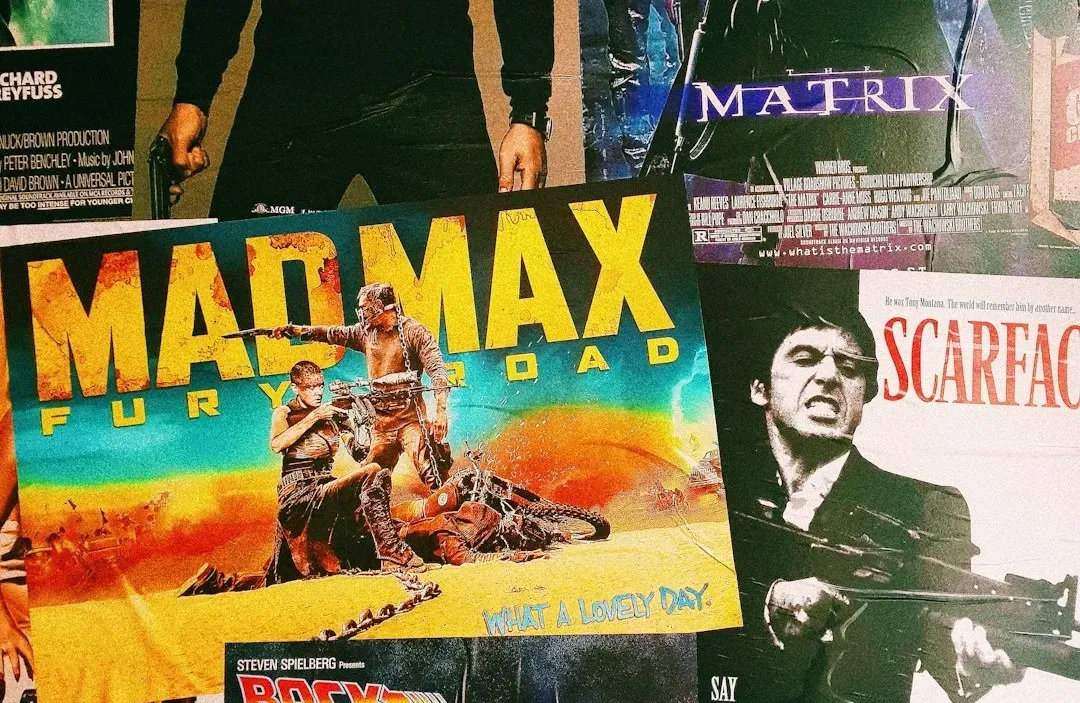
George Miller returned to his own franchise three decades after Mad Max Beyond Thunderdome and delivered something almost unrecognizable in scope and craft. The practical stunt work, the relentless pacing, and Charlize Theron’s Furiosa gave the film a ferocity that the earlier, scrappier Mad Max entries never quite reached. It swept technical categories at the Academy Awards, winning six Oscars including Costume Design and Film Editing.
What made Fury Road stand out wasn’t just its action, though that alone reset expectations for the genre. It also carried a surprising amount of thematic depth around freedom, exploitation, and resistance, wrapped inside a two hour chase scene. Many critics now consider it the definitive Mad Max film, eclipsing the low budget originals that first introduced the character.
Dawn of the Planet of the Apes (2014)
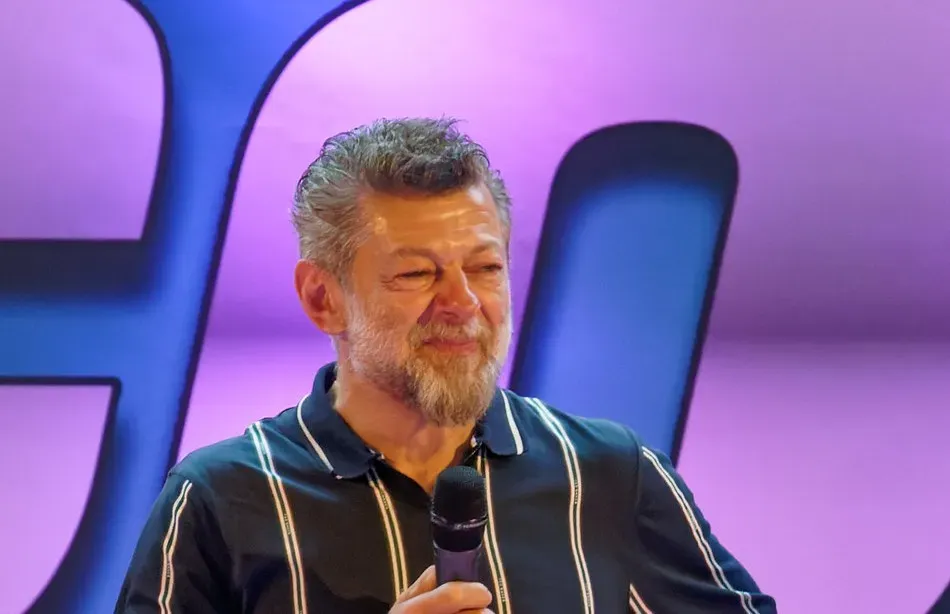
Rise of the Planet of the Apes rebooted the franchise well, but Dawn deepened it considerably, focusing on the fragile peace between humans and the ape society led by Caesar. Andy Serkis’s motion capture performance as Caesar drew widespread praise for conveying genuine emotional nuance without a single line of traditional dialogue. The film’s willingness to treat both sides of its conflict with moral seriousness set it apart from typical summer blockbuster fare.
Critically, Dawn outperformed its predecessor by a noticeable margin, with many reviewers calling it one of the smartest studio blockbusters of its decade. It also expanded the world building considerably, setting up the eventual War for the Planet of the Apes with more confidence than the first film managed. The trilogy as a whole is frequently cited as proof that reboots and sequels can genuinely improve on their source material.
Spider-Man 2 (2004)
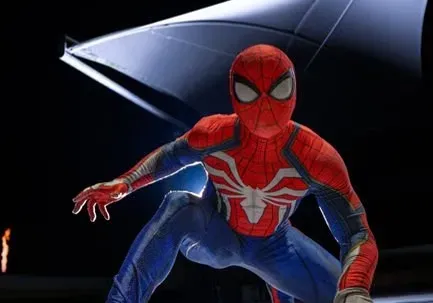
Sam Raimi’s first Spider-Man introduced the character to a new generation, but the sequel refined nearly everything, from the action choreography to Peter Parker’s internal conflict between heroism and a normal life. Alfred Molina’s Doctor Octopus gave the franchise a villain with genuine tragedy behind his menace, rather than a straightforward cartoonish threat. The train fight sequence remains one of the most cited action scenes in early 2000s superhero cinema.
For years, Spider-Man 2 was considered the gold standard for superhero sequels, a reputation that held steady until Nolan’s Batman films arrived a few years later. It balanced humor, romance, and action in a way the first film hinted at but hadn’t fully nailed down. Even now, longtime fans often name it as their favorite entry in the Spider-Man franchise, animated films included.
Before Sunset (2004)
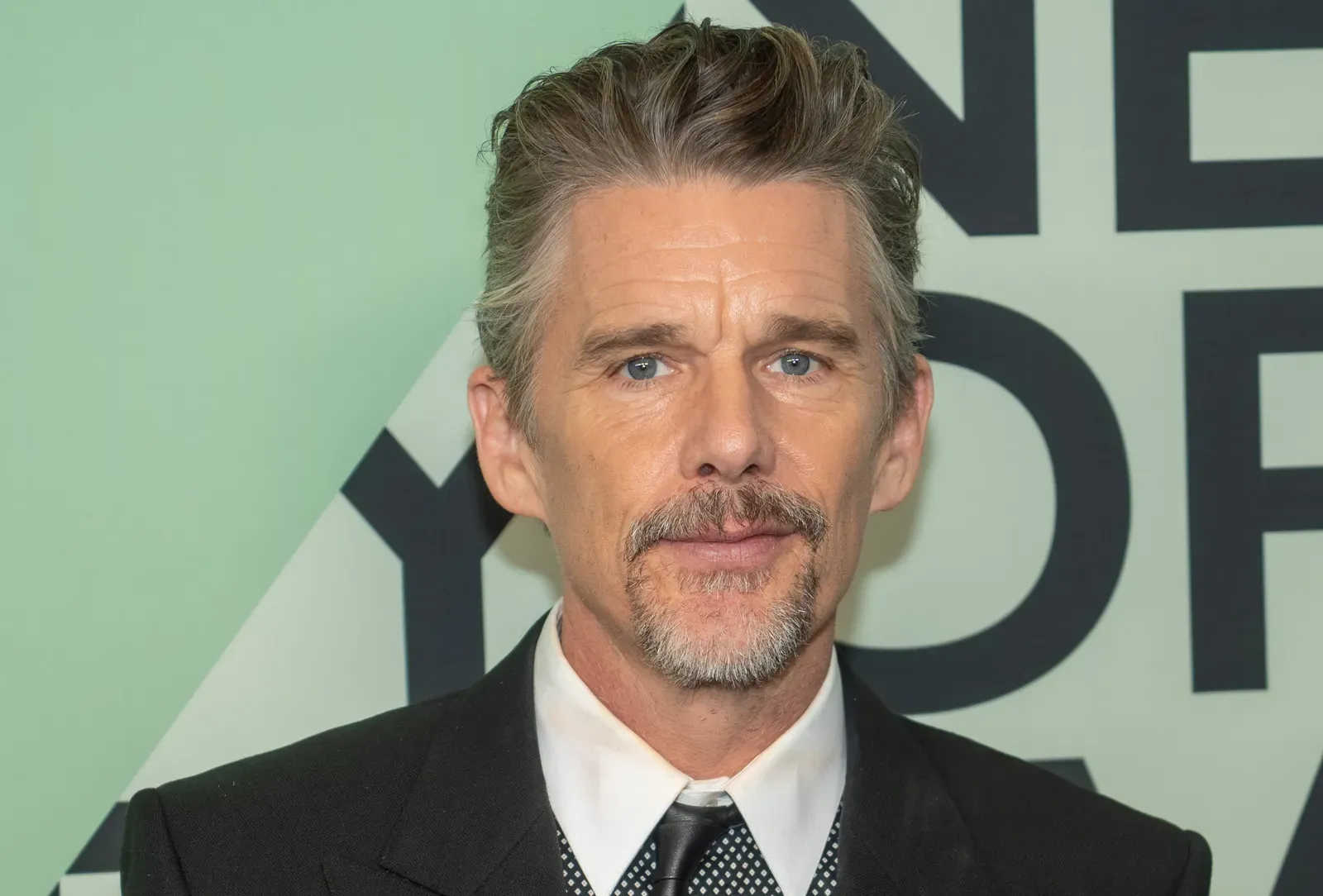
Richard Linklater’s Before Sunrise was a charming, low key romance built almost entirely around conversation between two strangers over one night in Vienna. Before Sunset, released nine years later, reunited Ethan Hawke and Julie Delpy’s characters for a single real time conversation through Paris that carried far more emotional weight. The passage of actual time between the films gave the sequel a lived in authenticity that’s difficult to manufacture artificially.
Critics widely regard Before Sunset as the stronger film, praising its tighter structure and the raw honesty of its dialogue about regret and missed chances. The real time gimmick, walking through Paris in eighty minutes matching the film’s runtime, added a documentary like intimacy that made the emotional stakes feel immediate. It set the stage for Before Midnight nearly a decade later, completing one of modern cinema’s most quietly ambitious trilogies.
These ten films share a common thread beyond just being sequels that worked. Each one used the extra time, budget, or narrative freedom to deepen what came before rather than simply repeat it. That’s a harder trick than it sounds, and it’s exactly why these particular follow-ups still get talked about decades after their original counterparts.