Some songs take years to find their final shape, passing through drafts, rewrites, and studio arguments before anyone hears them. Others arrive almost fully formed, as if the songwriter simply caught them at the right moment. The stories behind these quick creations often say as much about the artist as the finished recording does.
1. (I Can’t Get No) Satisfaction – The Rolling Stones

In May 1965, Keith Richards woke up just long enough to grab a cassette recorder beside his bed and play a rough guitar riff that had suddenly come to him in his sleep, then fell right back asleep. When he checked the tape the next morning, he found roughly thirty seconds of the now iconic riff followed by nearly an hour of snoring, with no memory of having played it at all.
The following morning, Mick Jagger added the lyrics, which were inspired by commercialism, frustration and the pressures of modern life. Richards initially imagined the riff played by horns and doubted the song had single potential, but the band recorded it days later at Chess Studios in Chicago, turning a half remembered dream into the group’s first American number one.
2. Yesterday – The Beatles
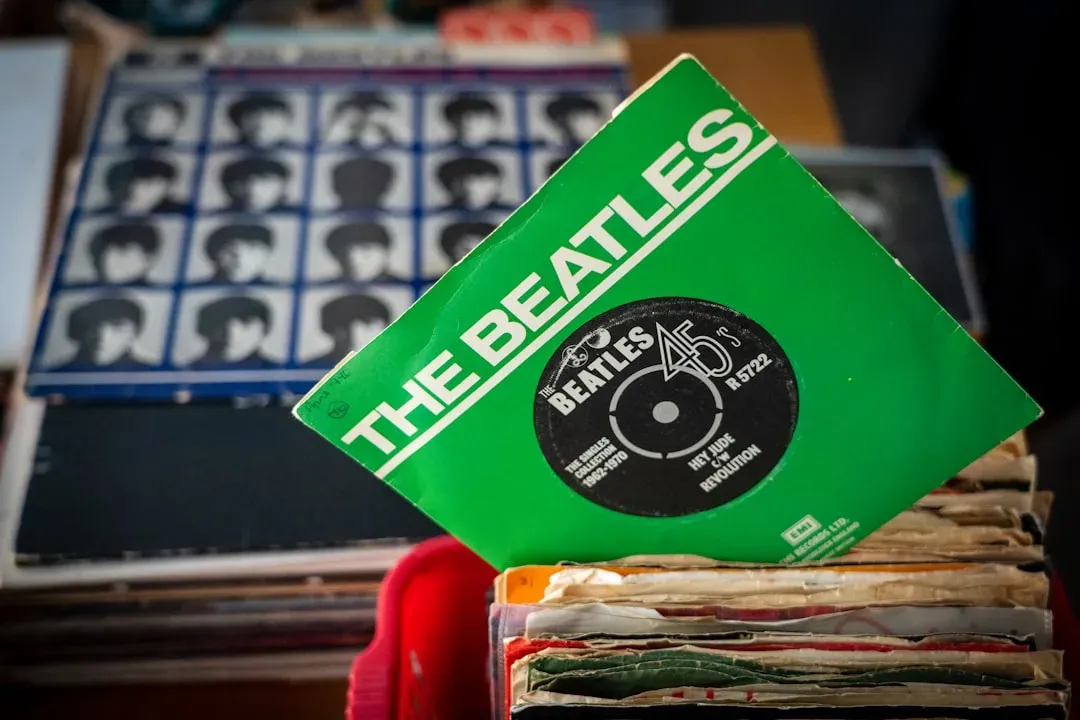
Paul McCartney has long told the story of waking up in his London flat with the melody to “Yesterday” already complete in his head, apparently delivered in a dream. He was so convinced he must have unconsciously copied an existing tune that he spent weeks playing it for friends and fellow musicians, asking if anyone recognized it.
Once satisfied the melody was genuinely his, McCartney worked out the chords on guitar almost immediately, though the lyrics took a little longer to settle. The music itself, the part that mattered most, had essentially written itself overnight, making it one of the most famous accidental compositions in popular music.
3. Rocket Man – Elton John and Bernie Taupin

Bernie Taupin has described how the opening lines to “Rocket Man” arrived while he was driving through the English countryside in the early 1970s. As he told Rolling Stone, the first two lines came to me when I was driving along, and by the time I’d gotten home, I’d written the song in my head, rushing inside to get it down before it slipped away.
Elton John’s side of the process was just as fast. Speaking years later about the song, John explained that it was a pretty easy song to write a melody to because it’s a song about space so it’s quite a spacious song, and the pair had a finished composition ready well before the day was out. The track went on to become one of the defining singles from 1972’s Honky Château.
4. I Will Always Love You – Dolly Parton
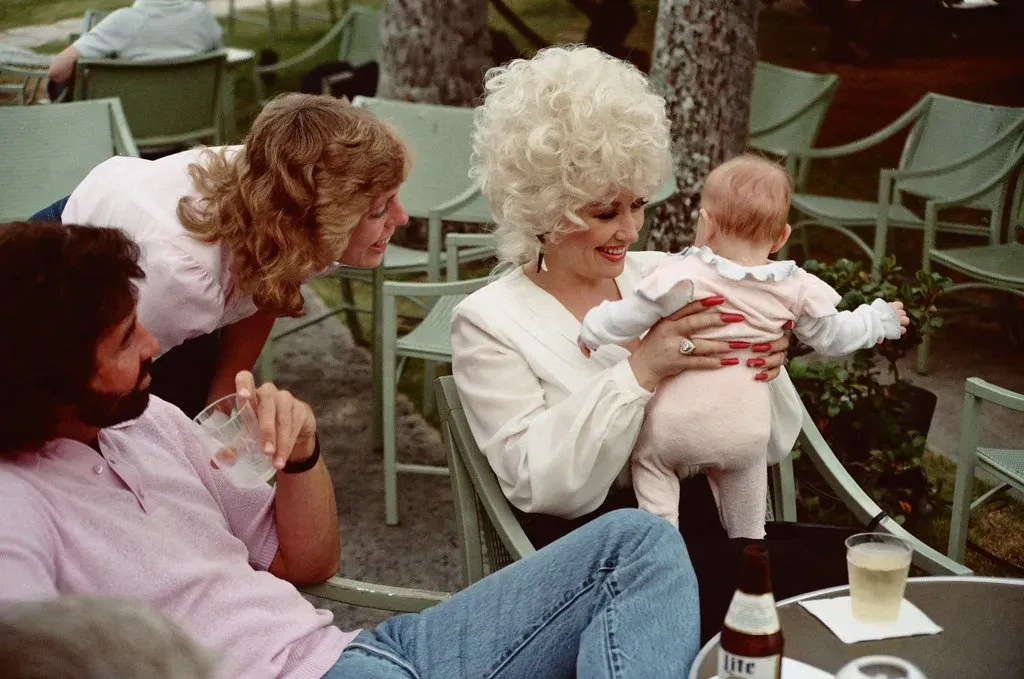
Dolly Parton wrote this farewell to her longtime business partner Porter Wagoner in 1973, capturing both gratitude and quiet defiance as she stepped away from their professional partnership. According to her own recollection, shared years later on The Bobby Bones Show, she believed she wrote it during 1972, I think I wrote it. At the same time I wrote ‘Jolene.’, calling it simply that was a good writing day.
Parton has since softened that timeline slightly, noting in later interviews that she isn’t entirely certain both songs came together in the exact same sitting. Even accounting for that uncertainty, the speed at which she produced two of her most enduring songs, one written for Wagoner and delivered to him in his office the next morning, remains one of country music’s most repeated stories.
5. Sweet Child O’ Mine – Guns N’ Roses
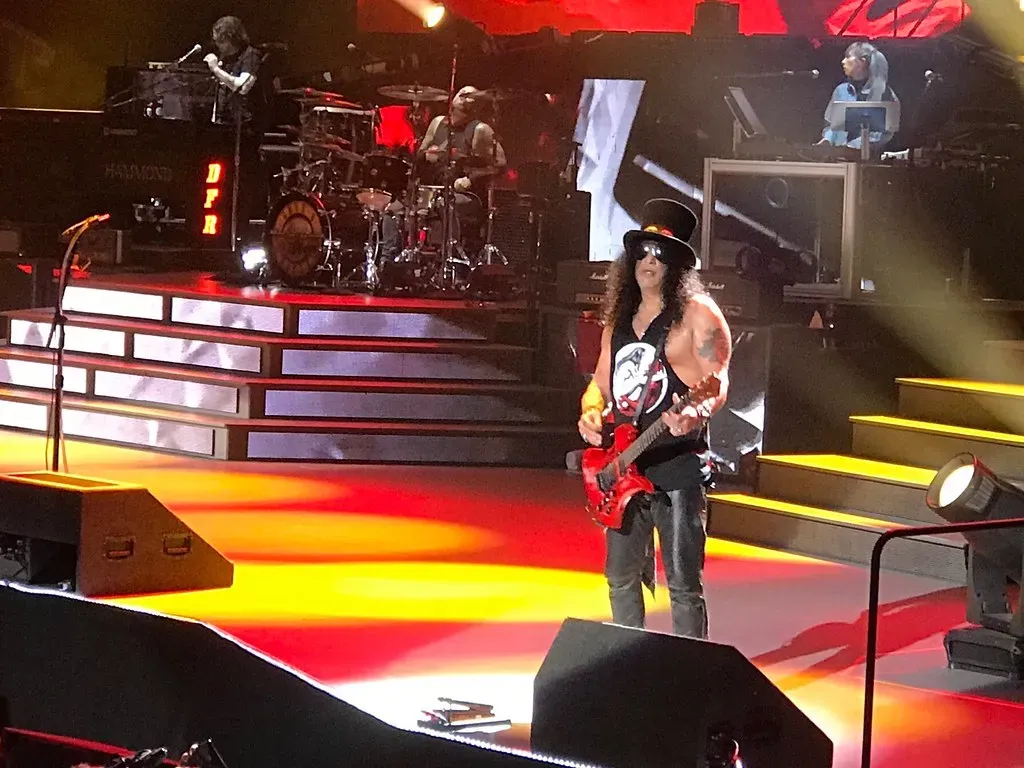
This power ballad began almost by accident during a jam session at the band’s shared house near Griffith Park in Los Angeles. During a jam session at the band’s house on Sunset Strip, drummer Steven Adler and Slash were warming up and Slash began to play a “circus” melody while making faces at Adler, and rhythm guitarist Izzy Stradlin asked Slash to play it again, then came up with some chords while Duff McKagan created a bassline.
Slash later recalled that within an hour my guitar exercise had become something else. Axl Rose, listening from upstairs, began writing lyrics inspired by his girlfriend at the time, Erin Everly, and completed the song the next day, that’s how quickly the whole thing came about at first.
6. Blowin’ in the Wind – Bob Dylan
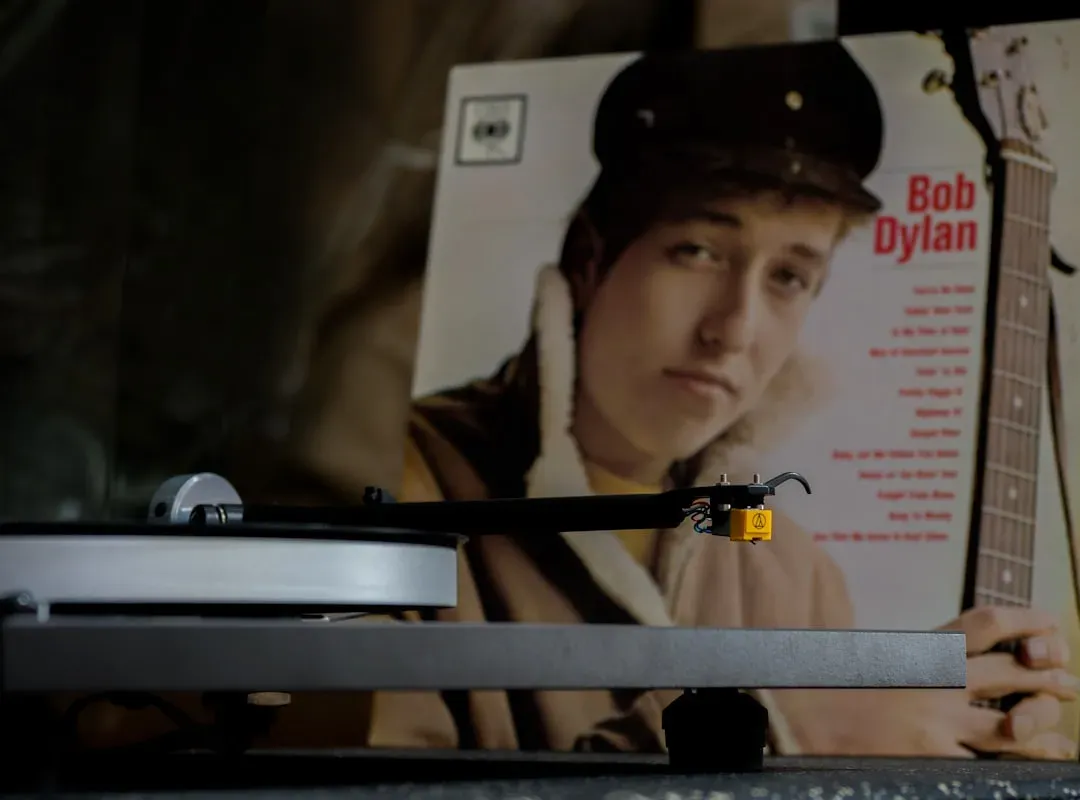
Bob Dylan wrote this protest anthem in 1962 during his early days on the Greenwich Village folk circuit, reportedly composing it in a single sitting. The song borrowed its melody loosely from an old spiritual, but the lyrics, built around a series of unanswered rhetorical questions about war, freedom, and justice, came together quickly once Dylan settled into the idea.
Accounts from people close to him at the time describe the song appearing almost complete within a matter of minutes rather than days. It became one of the defining anthems of the American civil rights and anti war movements almost as fast as it was written, cementing Dylan’s reputation as a songwriter of rare instinct.
7. Imagine – John Lennon

John Lennon wrote “Imagine” at his home studio in Ascot, England, drawing inspiration from lines in Yoko Ono’s 1964 book Grapefruit, a collection of short instructional poems. He composed both the melody and lyrics in a single, focused session at the piano, working through the song’s simple, almost hymn like structure in one sitting during 1971.
Producer Phil Spector helped shape the recording afterward, but the core of the song, the piano figure and the words, arrived quickly once Lennon sat down to write. Its message of peace and unity, delivered with minimal instrumentation, has made it one of the most covered and quoted songs of the twentieth century.
8. Smells Like Teen Spirit – Nirvana
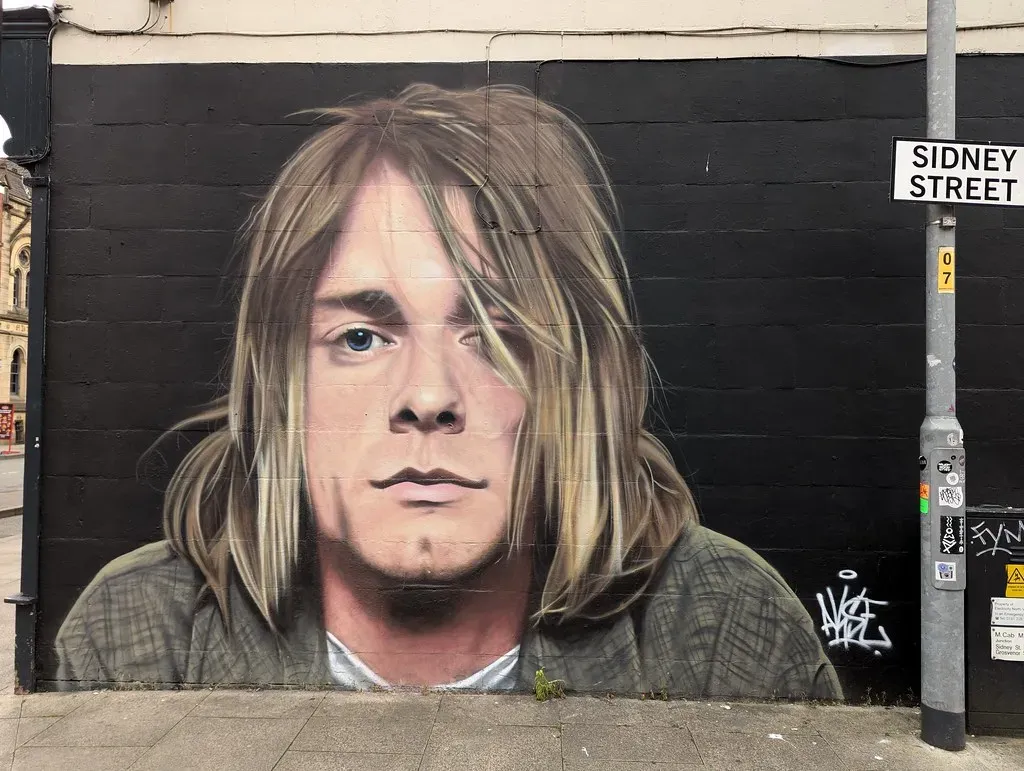
Kurt Cobain wrote the music and much of the lyrical framework for “Smells Like Teen Spirit” during a band practice session in Olympia, Washington, in 1990. The central riff came together quickly once bassist Krist Novoselic and drummer Dave Grohl locked into the groove, and Cobain filled in fragmented, deliberately vague lyrics soon after.
The song’s title itself came from a comment a friend made about deodorant, a detail Cobain later worked into the lyrics almost as a private joke. Recorded for Nevermind in 1991, the track became the unofficial anthem of the grunge movement, a strange outcome for lyrics that Cobain himself admitted were written fast and somewhat impulsively.
9. Purple Haze – Jimi Hendrix
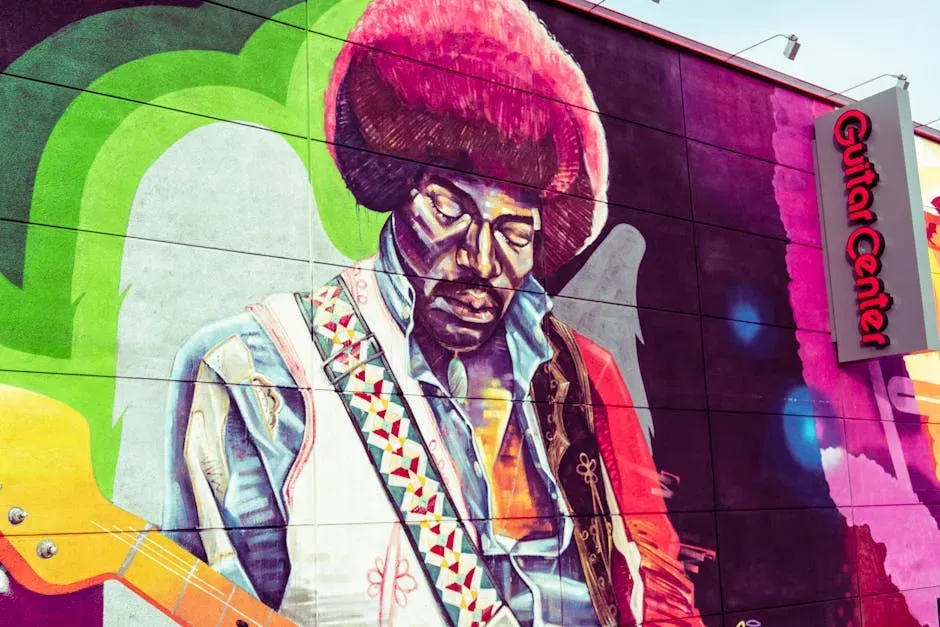
Jimi Hendrix reportedly wrote “Purple Haze” backstage in 1966, jotting down the initial lyrics on a scrap of paper during a break between shows while touring with the Jimi Hendrix Experience. The song’s hazy, almost hallucinatory imagery came together quickly, inspired partly by a dream Hendrix described about walking under the sea.
The guitar riff itself, built around the unsettling tritone interval sometimes nicknamed the devil’s interval, took shape just as fast once Hendrix brought the idea to his bandmates. Released in 1967, it became one of the definitive guitar anthems of the psychedelic era, a testament to how quickly a striking idea can turn into a finished song when the right musicians are in the room.
Speed alone never guaranteed greatness, but in each of these cases it seemed to work in the songwriter’s favor. A dream, a car ride, a jam session, or a single afternoon at the piano turned out to be enough time to produce something that would outlast its creators by decades.