There’s a strange kind of pressure that comes with track one. It has to set a mood, announce an artist’s intentions, and somehow make a listener want to stick around for forty more minutes. Some songs handle that job so well they become inseparable from the record itself, shorthand for an entire era of music. This list looks at twelve openers that changed how we think about first impressions in rock and pop history. Ranking them is subjective by nature, but the criteria here lean on cultural impact, chart performance, and how deeply each track is tied to the identity of its album. Worst to best doesn’t mean bad, it means less dominant than what follows.
12. “Alive” by Pearl Jam
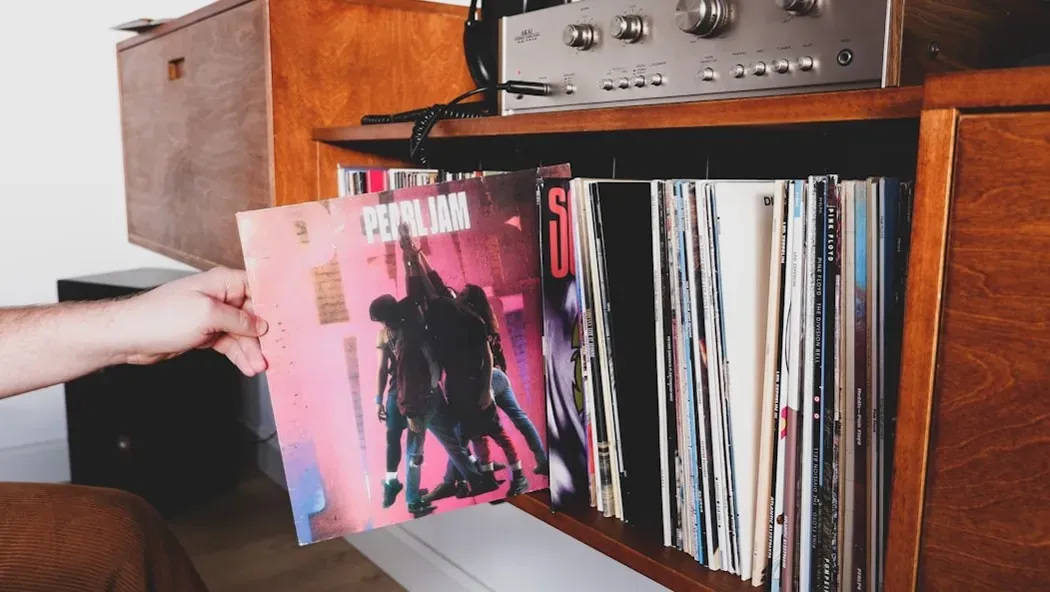
Pearl Jam opened their 1991 debut Ten with a song that felt heavier and more personal than most grunge anthems of the moment. The track built slowly, letting Eddie Vedder’s baritone carry a story about identity and loss before the guitars fully kicked in. It wasn’t an instant single sensation the way some of its peers were, but it became a live staple that fans still shout back word for word.
What keeps “Alive” on this list is its staying power rather than its initial splash. Decades later it remains one of the most requested songs at Pearl Jam concerts, often stretched into extended jams. As an opener, it set a tone of sincerity that separated the band from flashier acts of the same period.
11. “Immigrant Song” by Led Zeppelin
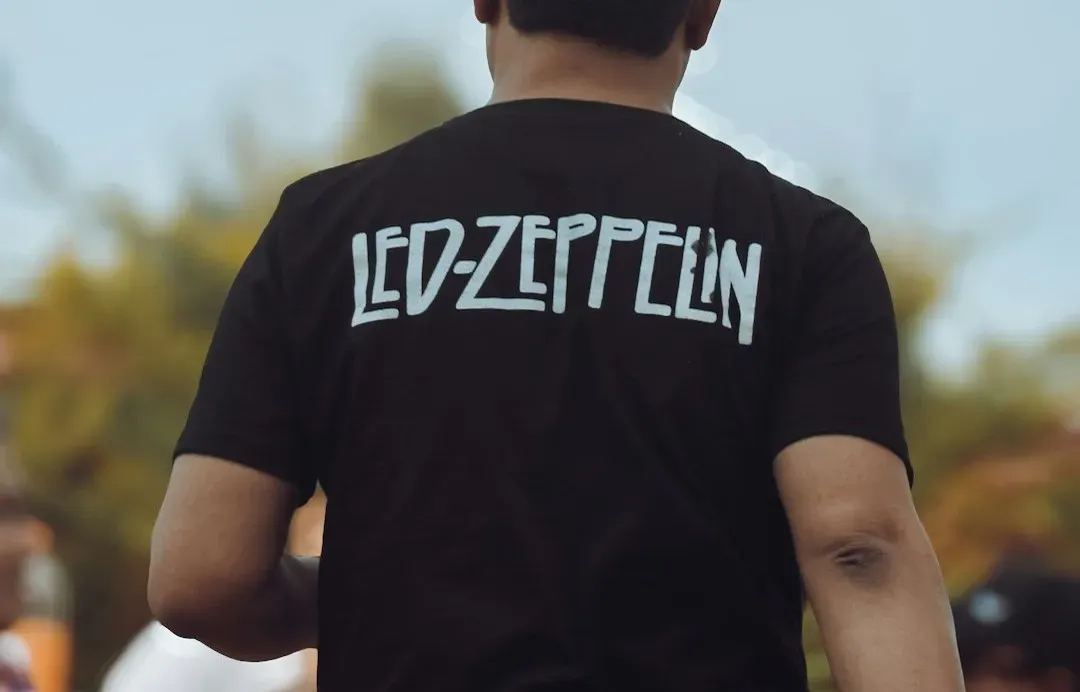
Led Zeppelin III arrived in 1970 with a track that sounded almost like a war cry, Robert Plant’s falsetto wail giving way to Viking imagery and thunderous drumming from John Bonham. It ran barely over two and a half minutes, short by the band’s usual standards, yet it packed enough intensity to redefine what a hard rock opener could sound like. The song later became so recognizable that it found a second life in film trailers and sports arenas.
Its brevity is part of its charm. Rather than building slowly, “Immigrant Song” hits immediately, which made the rest of the folk-leaning album feel like a deliberate left turn. That contrast is exactly why the opener still gets singled out from a record otherwise known for its acoustic detours.
10. “Thunder Road” by Bruce Springsteen
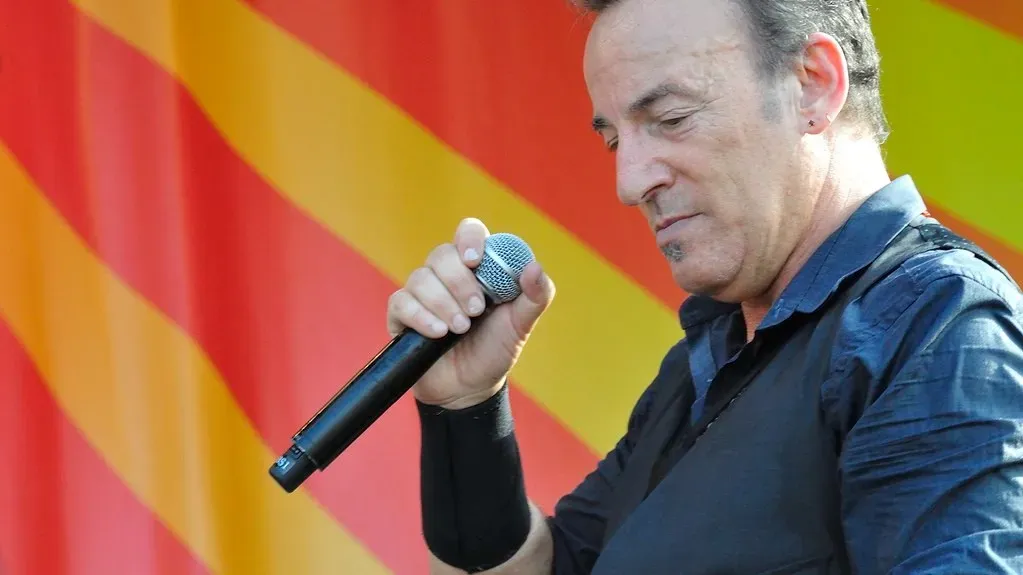
Bruce Springsteen’s 1975 album Born to Run opens with a harmonica line and a screen door slamming, an image so specific it practically functions as a short story. “Thunder Road” introduced Springsteen’s cinematic style of songwriting, full of characters searching for something better just past the town limits. It set the emotional stakes for the entire record before the E Street Band even fully kicked in.
Critics and fans alike often point to this song as the moment Springsteen’s ambitions became clear. It wasn’t just a rock song, it was a mission statement about escape and hope. That framing gave Born to Run a narrative arc that few rock albums of the era attempted.
9. “Thunderstruck” by AC/DC
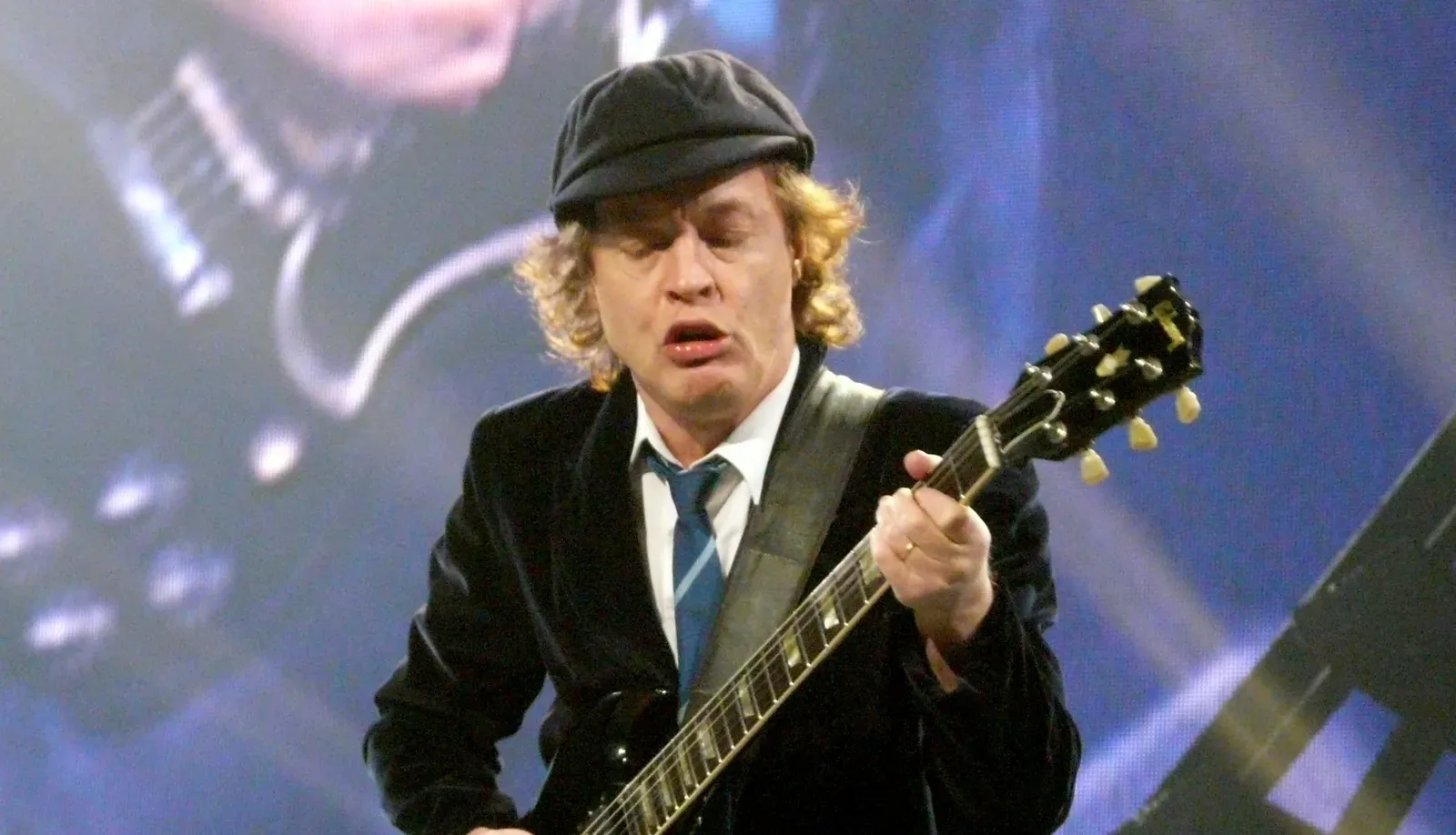
AC/DC’s 1990 record The Razor’s Edge starts with one of the most recognizable guitar riffs in hard rock, a rapid-fire pattern from Angus Young that still gets used in stadiums and highlight reels today. “Thunderstruck” reached the top of the Billboard Mainstream Rock chart and has remained a fixture of the band’s live shows ever since. Its opening seconds alone are enough for most rock fans to identify the song instantly.
The track’s simplicity is deceptive. Repetition and buildup do most of the work, turning a single riff into an anthem that fits everywhere from wrestling entrances to movie trailers. As an album opener, it announced that AC/DC still had commercial teeth well into their second decade.
8. “Everything In Its Right Place” by Radiohead
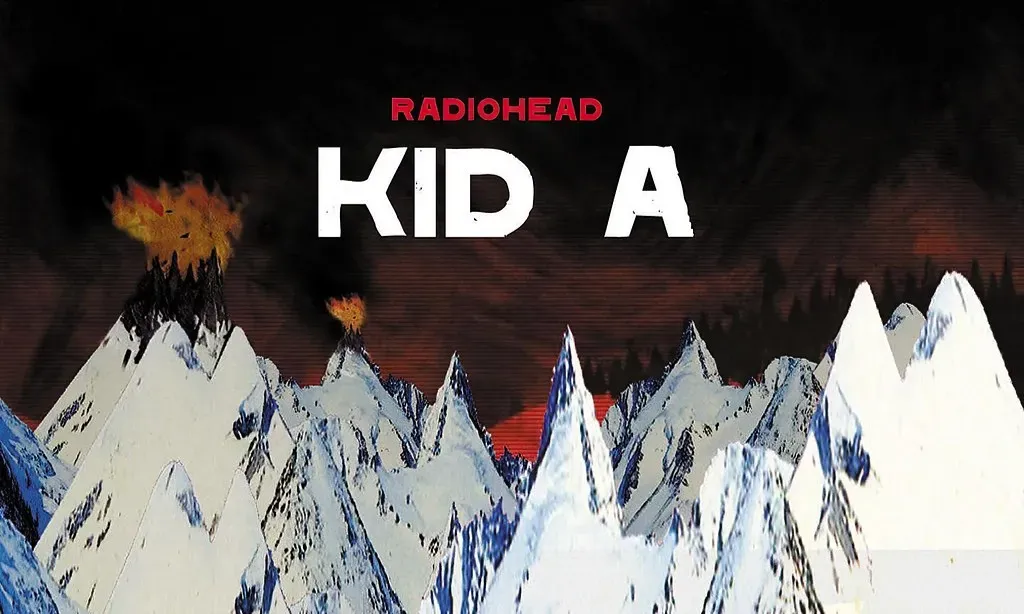
Radiohead’s Kid A, released in 2000, confused and fascinated listeners in equal measure, and its opening track set that tone immediately. Built around a manipulated piano sample and Thom Yorke’s fractured vocals, “Everything In Its Right Place” abandoned the guitar-driven sound that made OK Computer a critical darling. It signaled, without a single word of explanation, that Radiohead had no interest in repeating themselves.
The gamble paid off in ways few predicted. Kid A debuted at number one on the Billboard 200 despite almost no radio-friendly singles, a rare outcome for such an experimental record. The opener became a touchstone for how electronic textures could coexist with rock songwriting.
7. “Speak to Me” by Pink Floyd
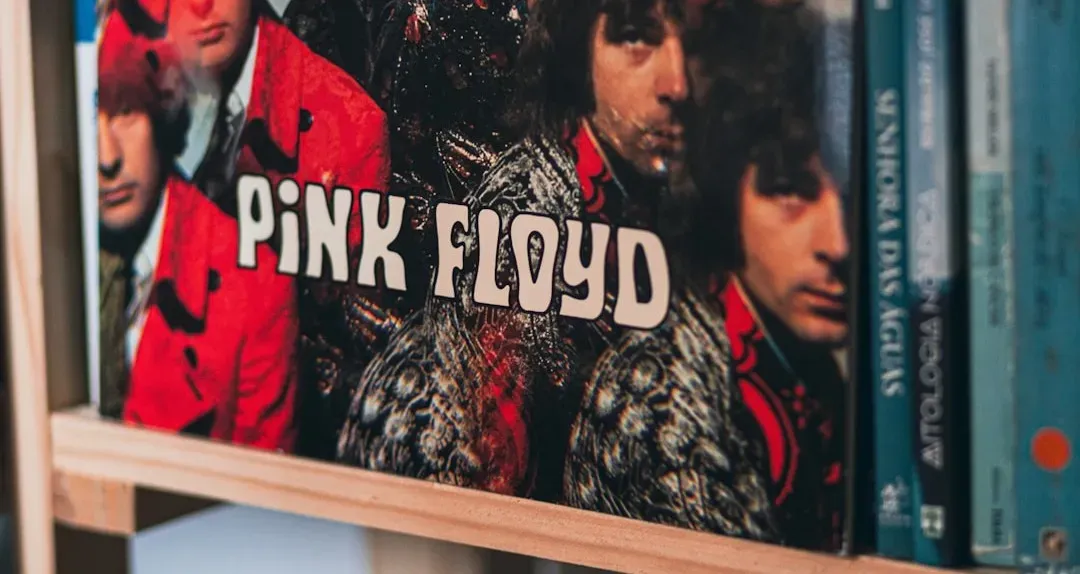
The Dark Side of the Moon, released in 1973, begins not with a melody but with a heartbeat, layered with ticking clocks, cash registers, and distant screams. “Speak to Me” functions less as a traditional song and more as an overture, stitching together sounds that reappear throughout the album. It’s a bold choice for an opener, one that trusts the listener to sit with atmosphere before any real music arrives.
That patience became part of the album’s mythology. The Dark Side of the Moon spent an extraordinarily long stretch on the Billboard 200 chart, and its sonic introduction is often cited as an early example of album-as-experience thinking. Few opening tracks have ever been less commercial and more influential at the same time.
6. “Welcome to the Jungle” by Guns N’ Roses
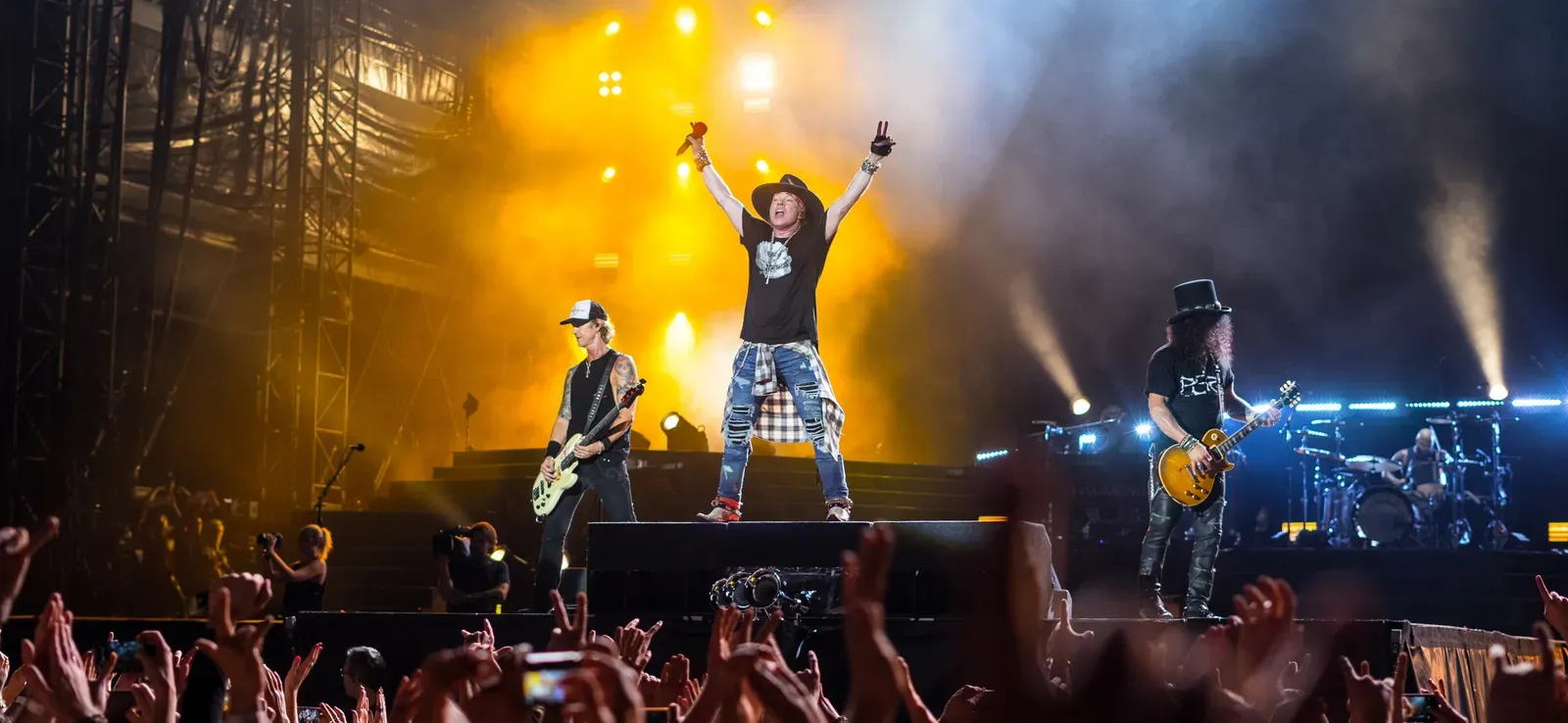
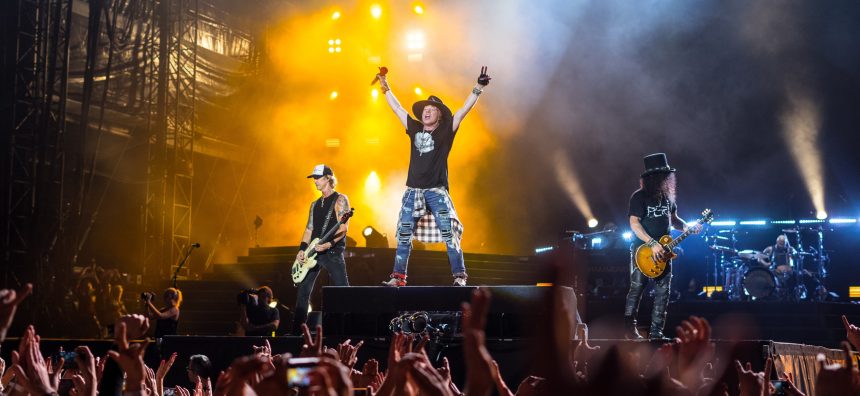
Appetite for Destruction opened in 1987 with a song that felt genuinely dangerous, Axl Rose’s scream cutting through Slash’s guitar work like a warning label. “Welcome to the Jungle” captured the grime and ambition of Los Angeles nightlife in a way that separated Guns N’ Roses from the glossier hair metal acts dominating radio at the time. The album eventually became one of the best selling debut records in American history.
Partner offer
Its opener did more than introduce a band, it introduced a worldview. The song’s grit gave the record credibility that outlasted the era’s flashier competitors. Even now, it remains a common entry point for new listeners discovering the band decades later.
5. “Baba O’Riley” by The Who

Few synthesizer patterns in rock history are as instantly recognizable as the looping intro that opens The Who’s Who’s Next from 1971. “Baba O’Riley” blended early synth technology with Pete Townshend’s arena-ready songwriting, creating a sound that felt both futuristic and anthemic. Roger Daltrey’s vocal delivery gave the track an urgency that made it a natural set opener for decades of Who concerts.
The song’s cultural reach extends well beyond classic rock radio. It has been used in television, film, and countless commercials, often introduced to younger audiences who have no idea it dates back over fifty years. That kind of longevity is rare for any song, let alone one built around a drone note and a synthesizer loop.
4. “Enter Sandman” by Metallica

Metallica’s self-titled 1991 record, often called the Black Album, opens with a riff so ominous it practically functions as a horror movie score. “Enter Sandman” became the band’s breakthrough into mainstream rock radio, reaching audiences who had never touched thrash metal before. The song’s lyrics about childhood nightmares gave it a universal creepiness that translated across generations.
Commercially, the impact was massive. The Black Album has sold well over fifteen million copies in the United States alone, and “Enter Sandman” remains the band’s most streamed and most performed live track. As an opener, it did the rare job of making heavy metal feel accessible without softening its edge.
3. “Sgt. Pepper’s Lonely Hearts Club Band” by The Beatles
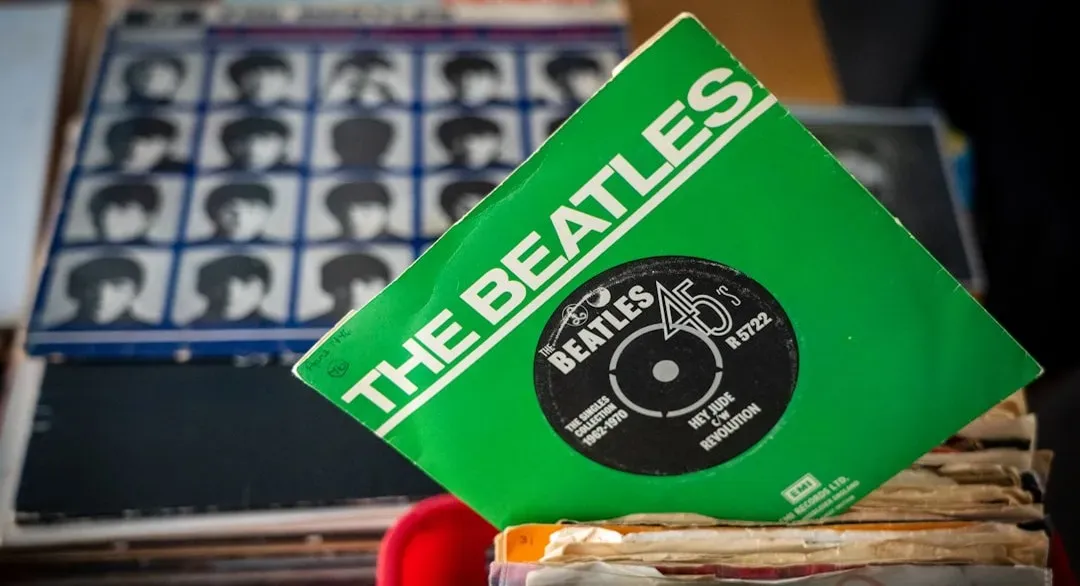
When The Beatles released Sgt. Pepper’s Lonely Hearts Club Band in 1967, the title track functioned as a theatrical curtain-raiser, complete with crowd noise and a fictional band introduction. It was a radical structural choice for the era, framing the entire album as a kind of performance rather than a simple song collection. That concept influenced how countless artists would later think about album sequencing and thematic unity.
The track’s brief runtime belies its influence. It essentially invented the idea of an album opener as a scene-setter rather than just a single. Critics still point to this song as one of the clearest examples of The Beatles pushing pop music toward something closer to art.
2. “Come Together” by The Beatles
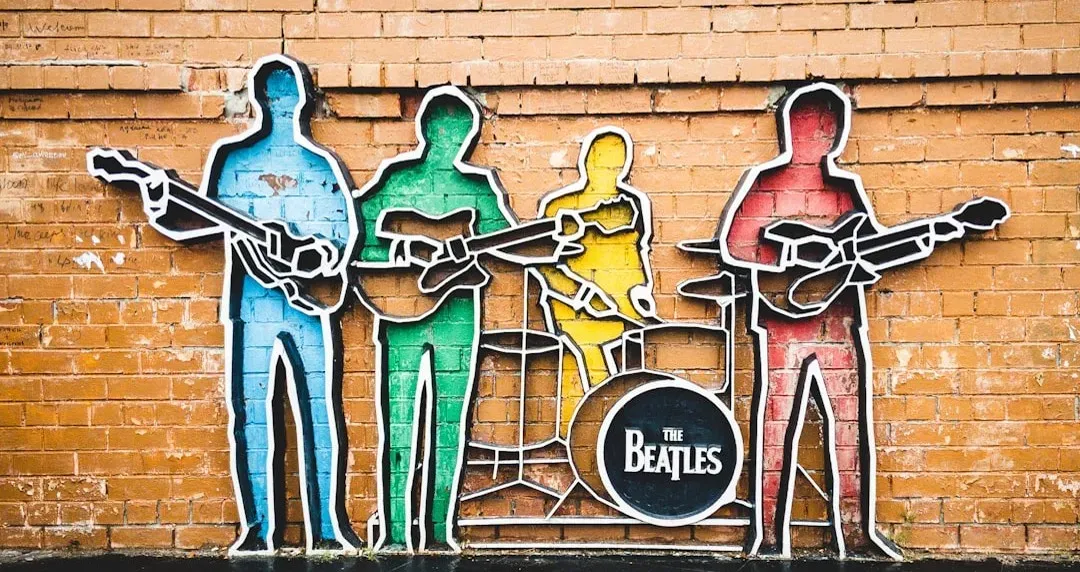
Two years after Sgt. Pepper, The Beatles opened Abbey Road with something entirely different, a slow, bass-heavy groove built around John Lennon’s cryptic wordplay. “Come Together” carried none of the orchestral ambition of its predecessor, relying instead on rhythm and mystery to pull listeners in. It became one of the band’s most covered songs, interpreted by artists across nearly every genre imaginable.
Its influence stretches into hip hop, funk, and rock sampling culture in ways few Beatles songs can claim. The bassline alone has inspired countless imitators over the decades. As an opener, it proved that restraint could be just as powerful as spectacle, a lesson many artists took to heart afterward.
1. “Smells Like Teen Spirit” by Nirvana
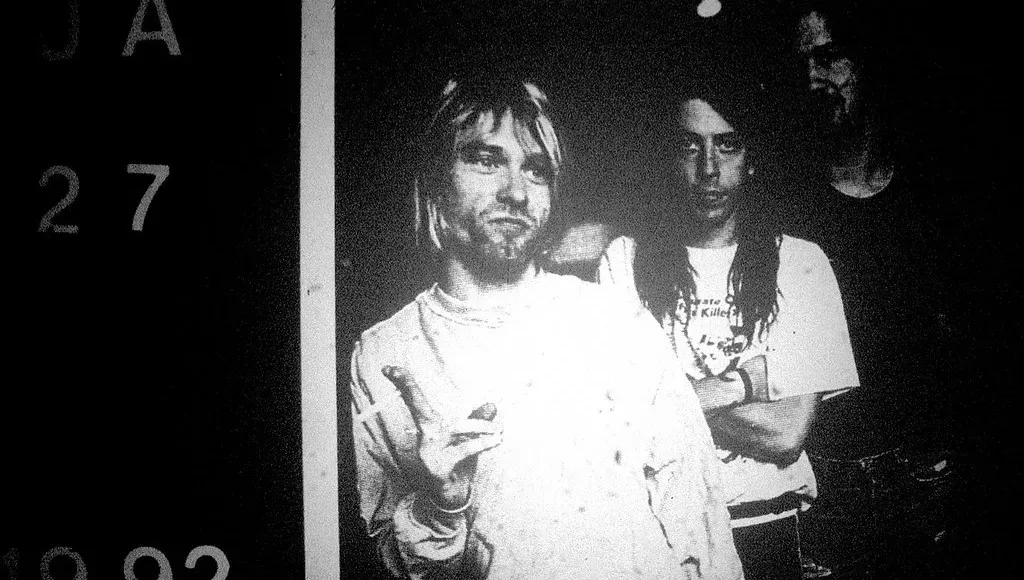
Nirvana’s Nevermind opened in 1991 with four chords that effectively ended one era of rock and began another. “Smells Like Teen Spirit” pushed grunge into mainstream consciousness almost overnight, dethroning glossier pop acts on the charts and reshaping what radio and MTV considered commercially viable. The song’s mix of apathy and aggression captured a generational mood that record executives hadn’t seen coming.
Its cultural footprint remains massive more than three decades later. The track is frequently cited in critical rankings as one of the most important rock songs ever recorded, and Nevermind itself displaced Michael Jackson’s Dangerous at number one on the Billboard 200 in early 1992. Few album openers in any genre have carried that much weight in redirecting the direction of popular music.
Final Thoughts
Ranking album openers always comes down to a mix of personal taste and measurable impact, and this list leans on both. Some songs earned their spot through sheer chart dominance, others through the way they reshaped an entire genre’s sound. What ties all twelve together is that none of them function only as a first track, they work as statements that still hold up on their own.
Music fans will always argue over where exactly a song like “Baba O’Riley” or “Come Together” should land, and that’s part of what makes these debates fun. The songs on this list earned their reputations the hard way, through decades of airplay, covers, and cultural reference points that show no sign of fading.
Partner offer
Planning a trip to Vegas?
Compare hotel rates and show tickets on VEGAS.com.