A great plot twist earns its shock. It recontextualizes everything you thought you knew and, in retrospect, makes the whole film feel smarter. Think of the best ones: they reward attention, they play fair, and they leave you wanting to watch the movie again just to catch what you missed. The bad ones do the opposite.
Plot twists are a risky venture, especially concerning movies that end with them. A poorly conceived or executed twist can sour an entire viewing experience and leave a negative impression, no matter how good it was until that point. The ten films below each made that gamble and lost, sometimes spectacularly.
1. Iron Man 3 (2013) – The Mandarin Bait-and-Switch
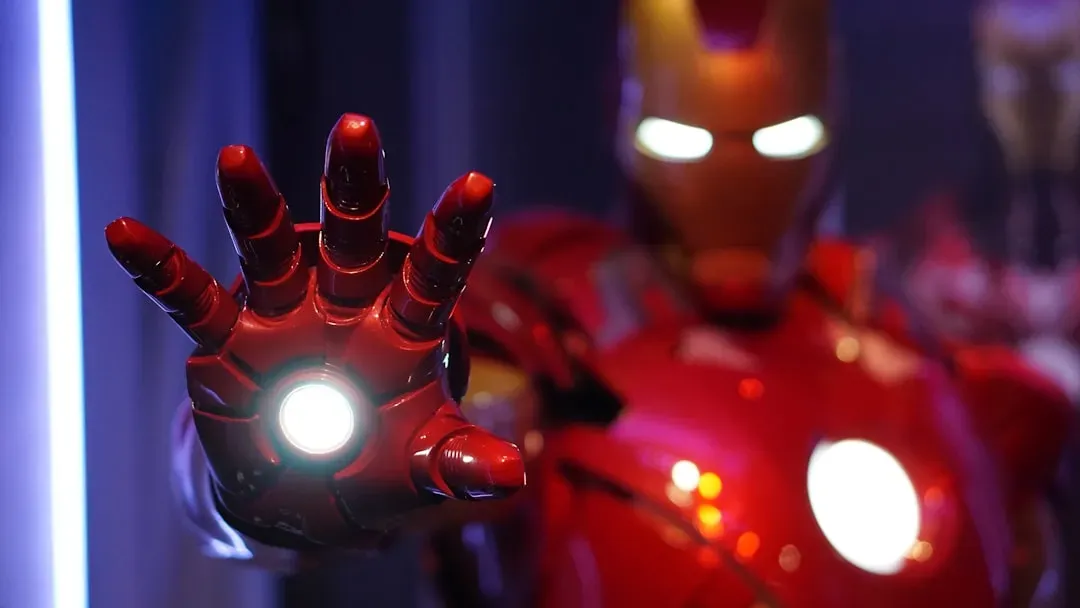
Up until the latter half of Iron Man 3, audiences were petrified of a mystical Mandarin. He was responsible for several high-profile bombings and was honing in on the United States. The veil of mystery that surrounded him made him all the more scary as the movie went on. It was genuinely effective villain-building, which made the reversal hurt even more.
When Tony Stark finally discovers him, we learn the Mandarin isn’t real. He’s an actor named Trevor Slattery who’s been paid to portray him by Aldrich Killian. This fakeout severely disappointed Marvel fans, as the real Mandarin from the comics was a legendary supervillain and archenemy of Iron Man. Even the most diehard MCU fan has to admit it was probably the studio’s first major blunder, story-wise, turning the iconic villain into a joke.
2. Now You See Me (2013) – The Mastermind Who Wasn’t Watching

The story of Now You See Me works exactly the way a slick magic thriller should. It has a fast pace, clever tricks, and a cast you actually enjoy watching. The setup is tight and entertaining, and the movie keeps building toward the bigger reveal. Then the final curtain falls and the whole thing collapses.
One key to making a character’s big twist land is to ensure that their behavior is consistent with that character. Ruffalo, as an FBI agent named Dylan Rhodes who’s chasing these rogue street magicians for big reasons of his own, is not consistent. There are scenes of him alone where his behavior doesn’t match who he is at the end of the movie. He’s not performing for anyone, and offers no foreshadowing for his actual motives. So for him to abruptly reveal himself as the actual mastermind behind everything is bad storytelling.
3. The Village (2004) – M. Night’s Modern-Day Disappointment

In The Village, we thought we were looking at a group of people living in the 1800s who were afraid to go beyond their borders. Yet when Ivy ventures out beyond the wall, we see a ranger driving and learn the entire 19th-century community exists in modern times within a protected forest reserve. It’s a clever twist, but it undoes much of the setting of the film and undermines the uniqueness of the world we’ve been presented.
It’s revealed at the end that the colonial village actually exists in the modern-day, created on a preserve, and most of the people living there were completely unaware. The Village is an unexceptional movie overall, but its underwhelming twist reveal certainly didn’t do it any favors, because it renders the characters’ journeys meaningless. For a director who built his reputation on satisfying twists, this one felt like a step backward.
4. Savages (2012) – The Dream That Stole the Stakes
Oliver Stone’s Savages is based on a novel by Don Winslow. It is a crime thriller about two young cannabis growers, Ben and Chon, who share a polyamorous relationship with their girlfriend Ophelia. When a Mexican cartel asks for a partnership, the boys refuse, which then escalates into a violent war after they kidnap Ophelia. The tension is real and the performances hold up throughout.
Savages tries to pull a fakeout stunt when Ophelia wakes up after having dreamt about the death of her loved ones in a drug-cartel-related murder. Both movies use the “it was all a dream” trope, but unlike The Devil’s Advocate, this one falls flat. With so much action and intensity around Chon, Ben, and Ophelia, the dream just yanks any of the stakes of the film away, leaving viewers with a sour taste.
5. Signs (2002) – Aliens Who Hate Water on a Watery Planet
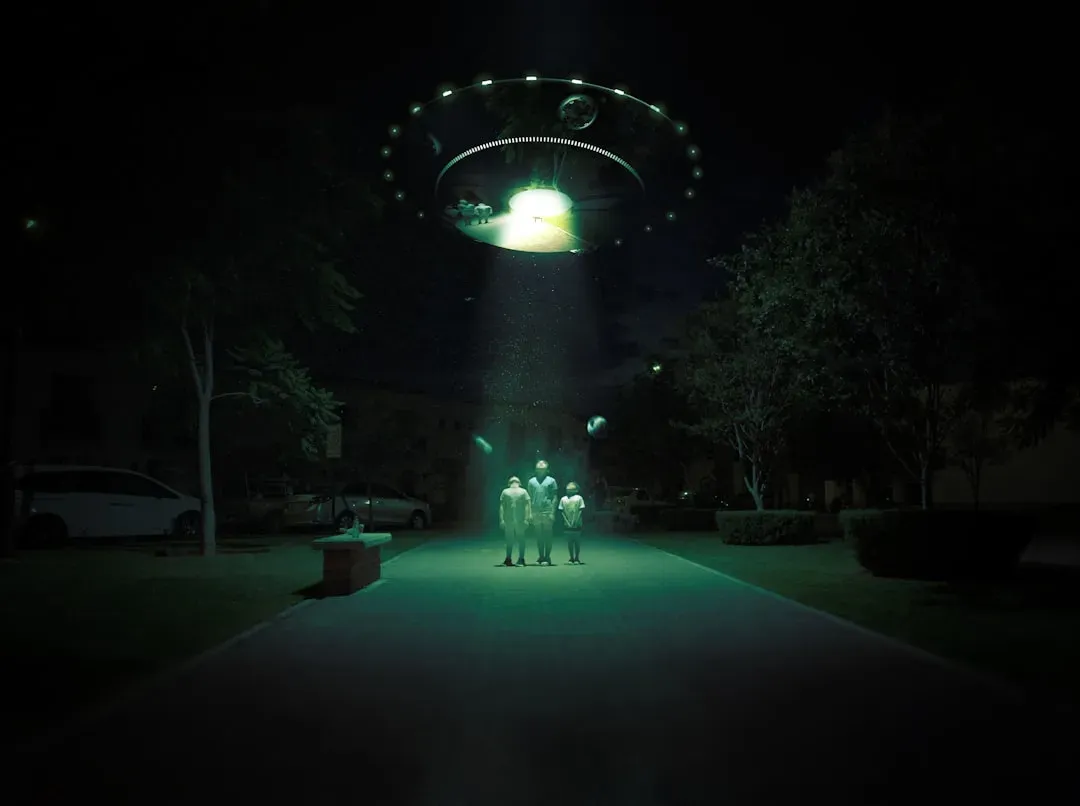
Signs found Mel Gibson portraying a faith-challenged priest whose family and land are beset upon by invading aliens. Co-starring Joaquin Phoenix, Rory Culkin, and Abigail Breslin, the slow-burning Signs went on to earn $408 million in worldwide ticket sales. The atmosphere is masterful. The ending, less so.
The film was put to bed with the plot twist of aliens being deathly allergic to water. To critics, this was a step too far. Why would a technologically advanced species invade a planet that is 71% water when their intolerance is so dangerous they literally melt when coming into contact with it? Many critics lambasted Signs for having a “weak twist,” with the aliens being allergic to water and the seemingly contrived coincidences set up throughout the film.
Partner offer
6. Serenity (2019) – The Video Game Nobody Asked For

In 2019, that film was Serenity, a thriller starring Matthew McConaughey, Anne Hathaway, and Jason Clarke. The film tells the story of Baker Dill, a secluded boat captain living on the tropical Plymouth Island. Baker makes his living carting tourists around the island in his boat. When Dill’s ex-wife Karen tracks him down, she asks him to kill her new, abusive ex-husband Frank and offers Dill $10 million to complete the job. So far, a reasonably compelling noir premise.
The major twist is that Baker is being controlled by somebody else and that Plymouth Island is a computer simulation. To escape the sounds of Frank beating his mom, Baker and Karen’s son Patrick became a whiz-kid video game designer who created a world in which his father kills his mom’s abusive new spouse. For some, the twist in Serenity is a bridge too far. You can’t go from an overwrought thriller to a Black Mirror episode.
7. Hancock (2008) – The Superhero Secret Nobody Needed

Hancock begins as a rather entertaining dissection and satirization of superhero media. The titular character is perhaps the most unworthy person to be gifted with such powers, and his struggles are somewhat relatable. Smith is as charismatic as one would expect, but issues arise when an incredibly unnecessary mid-movie twist rears its ugly head.
It turns out that Hancock’s wife, played by Charlize Theron, is also a near-immortal superhero who has been his partner for over 3,000 years, none of which he remembers due to a head injury years earlier. It’s dumb and unneeded, ruining what would otherwise have been a fun riff on superhero media. The first half of Hancock is fun, while the second half is so illogical that it’s like watching a different film.
8. Remember Me (2010) – Using 9/11 as a Shock Device

Remember Me plays like an intimate family drama about two damaged young people who are trying to make sense of their grief. Tyler and Ally carry the entire film with brilliant acting. The story focuses on trauma, parental loss, and the messy ways people try to heal. At no time would you expect that there is a big or history-shaking twist that is coming.
When the ending comes, the movie abruptly places Tyler in the North Tower on the morning of September 11th. The film did not build toward this moment and never threaded it into the story. Instead, the twist turned a national drama into a last-minute shock device. The whole scene was very manipulative and not meaningful at all. Remember Me had all the qualities to be a small, reflective drama about grief and reconnection, but the twist at the end overshadowed everything that came before it.
9. High Tension (2005) – The Slasher Who Broke Its Own Logic

When crafting a good plot twist, it’s incredibly important to consider whether it upends the plausibility of the story. Unfortunately for Alexandre Aja’s High Tension, its twist ending – in which the killer is revealed to be a dissociative identity of the protagonist – sends plausibility spiraling. Praised for its acting, design, and relentless pace, High Tension was beloved by many, however most audiences flipped out over the final reveal, and not in a good way.
Not only does the twist not prove all that shocking, but it leaves the film with a wide array of plot holes. If Marie is the assailant, then who is prowling around when Alex and Marie are together? When Marie and Alex are both locked inside the back of the truck, who’s driving? It doesn’t make any sense, and the film leaves more questions than answers.
10. Planet of the Apes (2001) – Tim Burton’s Baffling Remake Ending

The original Planet of the Apes is considered a classic and one of the greatest films of the late 1960s. So when Tim Burton took the reins for a reboot, he already had the foundation of a great film ready to build on. Instead, the director took out what’s arguably the greatest twist in movie history and replaced it with something far less satisfying.
Supposedly inspired by the original 1968 film, we again see a space-age astronaut being flung onto a planet ruled by apes. Unlike the original, however, the final scene of the movie doesn’t provide any revelations about where he actually was. Instead, the director took out what’s arguably the greatest twist in movie history and replaced it with something that needlessly confused critics and fans alike. It remains a textbook example of how not to end a reboot.
What all ten of these films share is a fundamental misunderstanding of what a twist is supposed to do. It should deepen the story, not betray it. When a twist contradicts the film’s own internal logic, dismisses what the audience invested in, or simply shocks for the sake of shocking, it doesn’t just fail as a narrative device. It poisons everything that came before it. The films above prove that a bad ending isn’t just a bad ending. It’s a retroactive rewrite of the entire experience.
Partner offer
Planning a trip to Vegas?
Compare hotel rates and show tickets on VEGAS.com.