Most sequels are harmless. You watch one, shrug, and the first film stays exactly where you left it. A few, though, change how people talk about the movie that started everything.
Whether a follow-up truly “damages” an original is a matter of taste, and nobody can measure it. Still, some sequels undo endings, rewrite rules, or bring back characters whose stories felt finished. Here are nine that tend to come up whenever fans argue about it.
The Godfather Part III
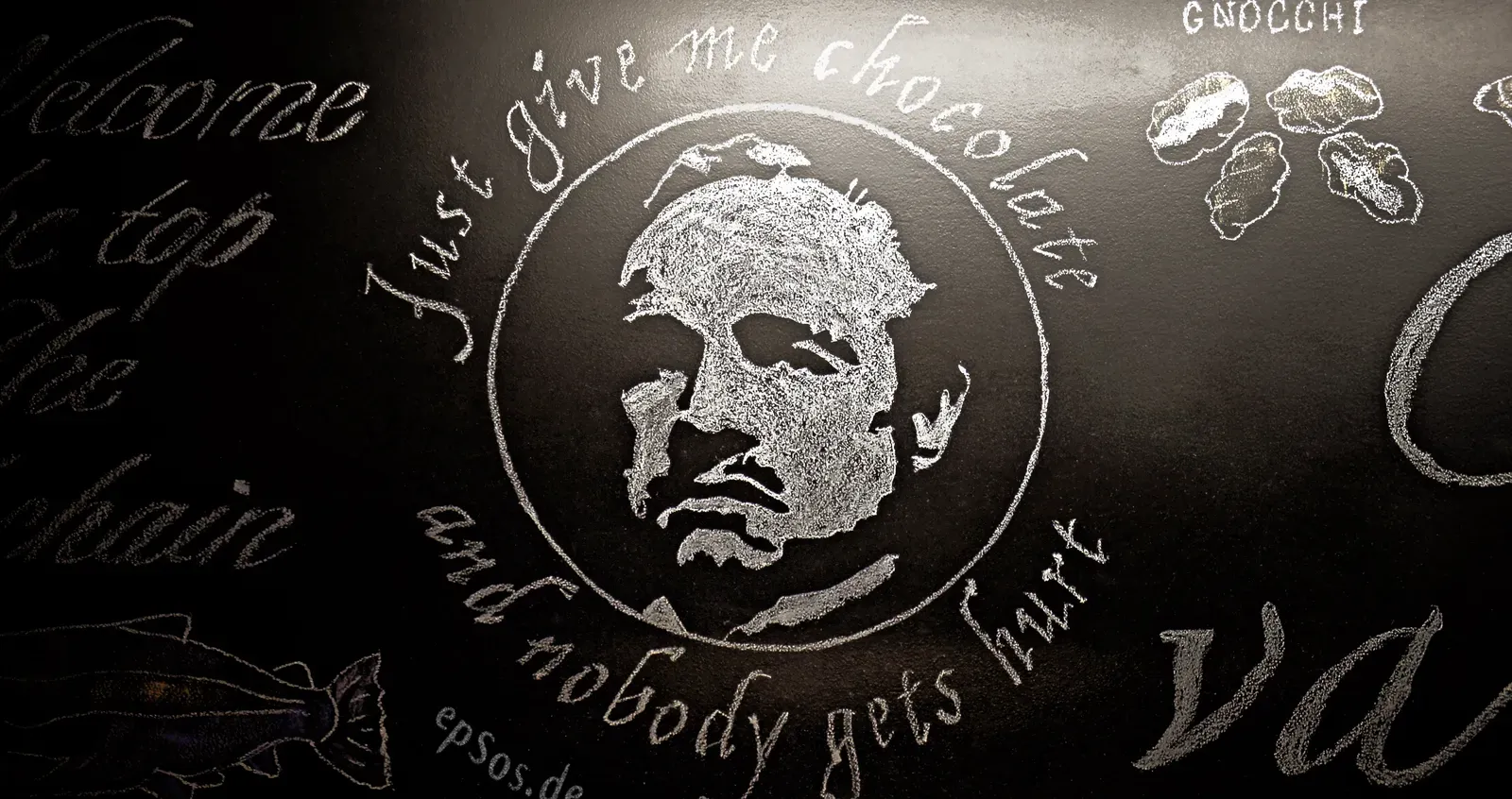
Released in 1990, this film followed two movies that had each won the Oscar for Best Picture. Francis Ford Coppola has said he made it reluctantly, and the production lost Winona Ryder before filming, which led to Sofia Coppola being cast in a major role. Her performance took much of the criticism.
The film did earn seven Oscar nominations, including Best Picture, but won none of them. Coppola later recut it and released it in 2020 as The Godfather, Coda: The Death of Michael Corleone, with a changed opening and ending. That the director revisited it at all says something about how the original trilogy’s reputation felt a little bruised.
Jaws: The Revenge
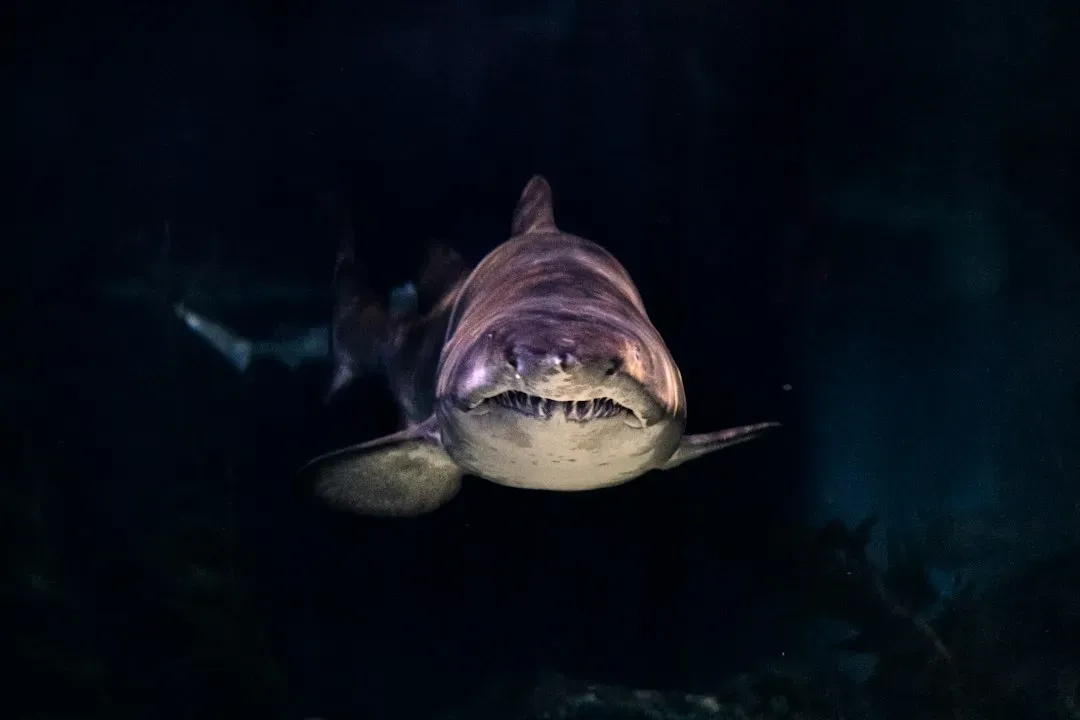
The 1975 Jaws helped define the summer blockbuster. Its 1987 fourth installment moved the story into stranger territory, with a shark that appears to hold a grudge against the Brody family. Roy Scheider’s Chief Brody was no longer in the story, and the film treated him as having died.
The premise made a frightening, grounded thriller feel almost supernatural. Critics were harsh, and the film became a regular on lists of the worst sequels. Fans of the original often treat it as a footnote they would rather skip.
Highlander II: The Quickening
The first Highlander worked because its mythology was mysterious. The 1991 sequel decided to explain it, revealing that the immortals were actually exiles from a distant planet called Zeist. That reveal contradicted the feel of the original, and many viewers rejected it.
The film was so poorly received that it was reworked later. The Renegade Version, released in 1995, removed the alien explanation and recast the story as taking place in the future. When a studio has to cut out its own plot twist, the franchise has usually taken a hit.
Alien Resurrection

Alien 3 ended with Ripley sacrificing herself, which gave the series a hard, final note. The 1997 follow up, written by Joss Whedon and directed by Jeunet, brought her back through cloning roughly two centuries later. Sigourney Weaver returned, but the character was now partly alien.
The change shifted the tone from tense survival horror toward something more grotesque and darkly comic. The film’s hybrid newborn creature is often singled out as the moment the series lost its footing. Even people who enjoy the sequel for its style tend to agree it weakened the weight of Ripley’s earlier arc.
Speed 2: Cruise Control
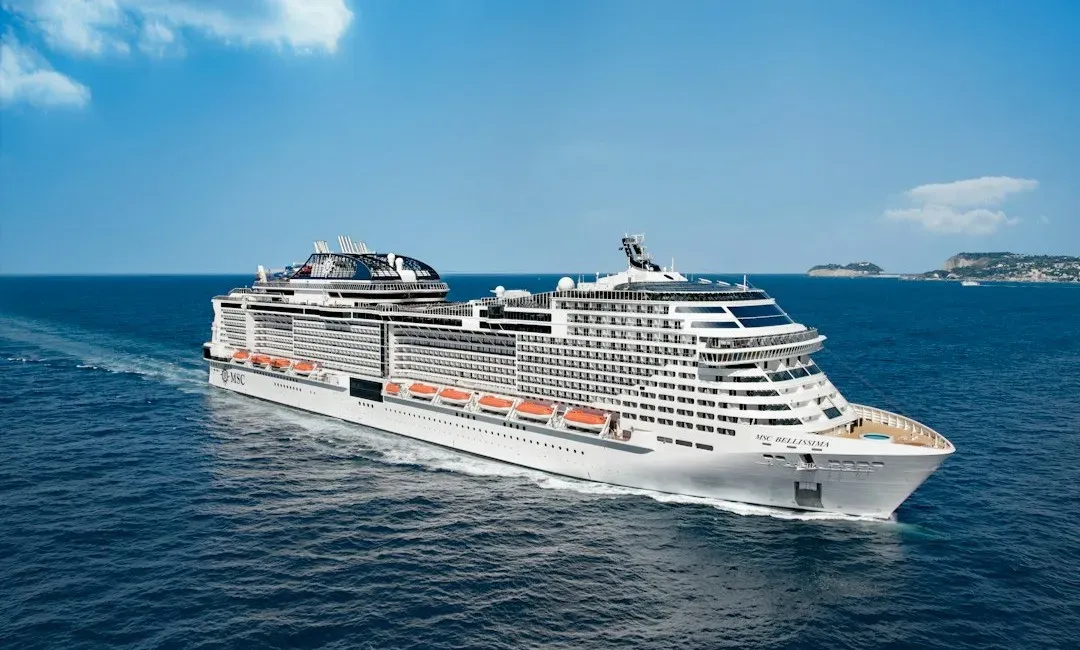
The original Speed was a lean 1994 thriller built around a bus that couldn’t slow down. Its 1997 sequel set the action on a cruise ship, which is a hard place to generate the same sense of urgency. Keanu Reeves chose not to return, and Jason Patric took the lead opposite Sandra Bullock.
The film was a commercial disappointment and is remembered mostly as a cautionary tale about swapping a simple idea for a bigger one. The first movie’s tight premise looked even sharper by comparison. Few follow ups show so clearly why the original’s limits were part of its appeal.
Terminator Genisys
By 2015, the Terminator series had already stumbled a few times, but Genisys tried to reset it through a rewritten timeline. It revisited scenes from the 1984 original and turned John Connor, the hero of the future war, into a machine threat. That twist was revealed in marketing before release, which reduced its impact.
The film earned roughly four hundred forty million dollars worldwide, which was not enough to justify the planned trilogy. Its approach to the original also made the series feel tangled rather than reverent. Terminator: Dark Fate in 2019 then ignored it, along with the other films after the second one.
Indiana Jones and the Kingdom of the Crystal Skull
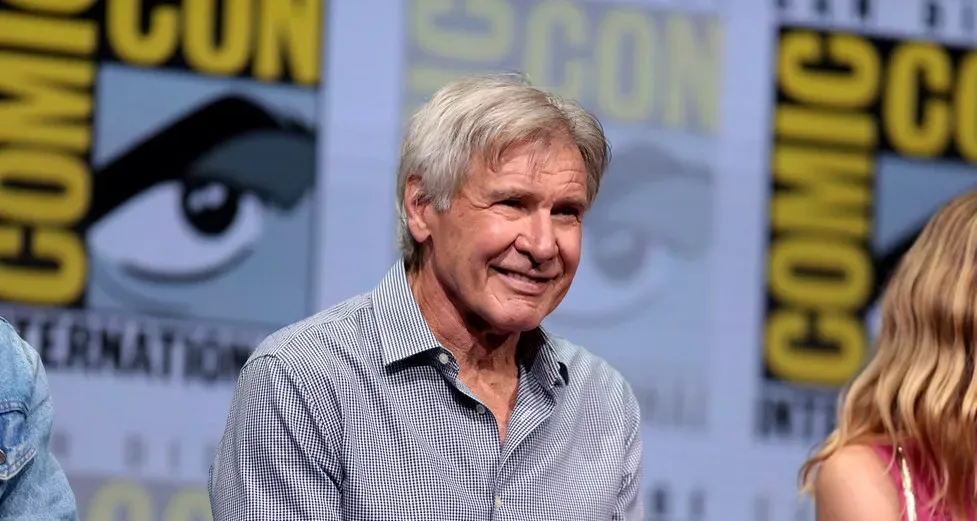
This 2008 adventure arrived nineteen years after The Last Crusade and made a lot of money, close to eight hundred million dollars worldwide. Money did not translate into goodwill. The film moved the series into 1950s science fiction, with an alien theme that many fans felt did not match the pulp adventure spirit of the original films.
One scene in particular, where Indy survives a nuclear test by hiding in a lead lined refrigerator, became shorthand for the film’s reputation. The 2023 sequel, Dial of Destiny, was widely reported to have lost money against its large budget. Together, the two late entries complicated how many viewers think about a once untouchable series.
Star Wars: The Rise of Skywalker
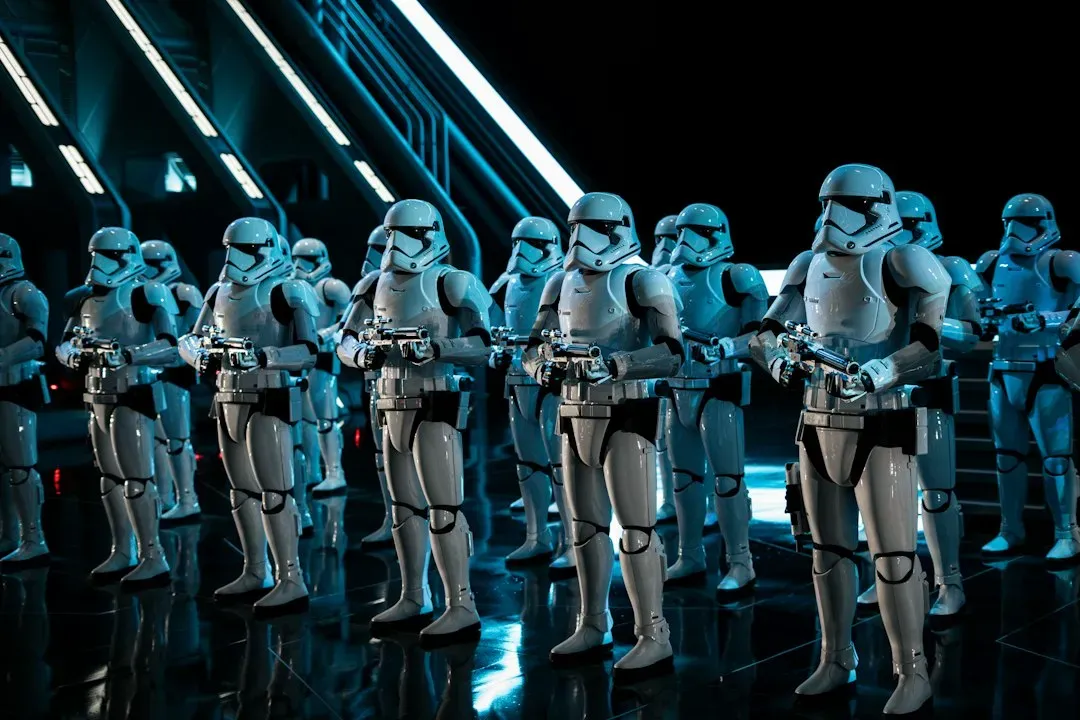
The 2019 finale of the sequel trilogy brought back Emperor Palpatine, who had died in Return of the Jedi. The film suggested he had survived and been behind earlier events, which reframed the closing moments of the original saga. Many viewers felt this undercut Darth Vader’s redemption, which had been the emotional centerpiece.
The film earned a little over one billion dollars worldwide, but that was well below the roughly two billion earned by The Force Awakens four years earlier. That drop suggests audience enthusiasm weakened across the trilogy. The debate about whether the story needed Palpatine at all has continued since release.
The Matrix Resurrections
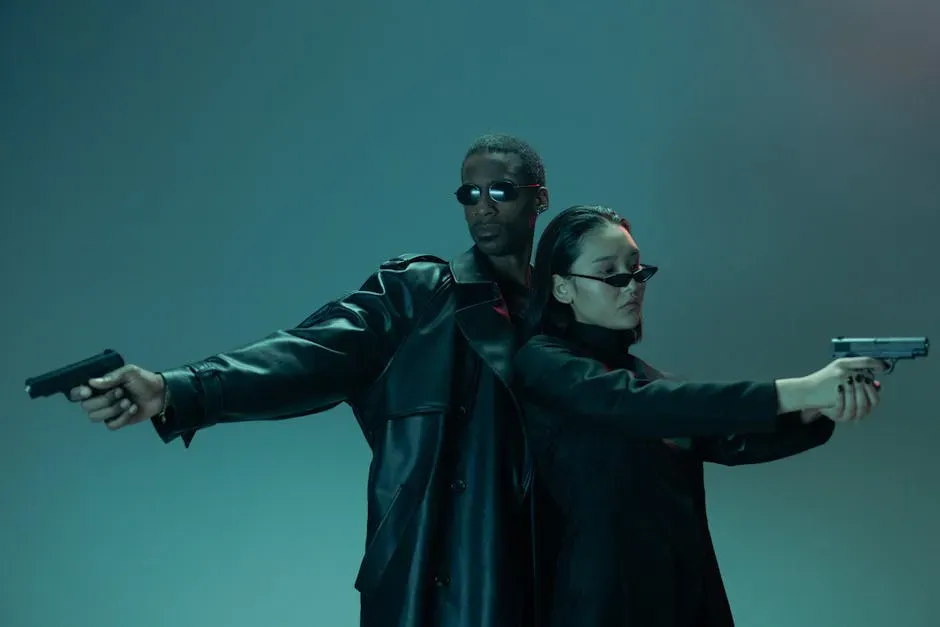
The Matrix ended its trilogy in 2003 with Neo and Trinity dead, which gave the story a clear, sacrificial finish. The 2021 film brought them back and treated the original as material to comment on, with a self aware streak about sequels and corporate franchises. Some viewers found that clever. Others felt it undid the weight of the earlier ending.
The movie was released in theaters and on HBO Max at the same time in the United States, and its worldwide box office was reported at roughly one hundred fifty seven million dollars. That was modest for a property of its size. A film that questions why it exists risks making audiences ask the same thing.
Final Thoughts
Rewatching the originals is easy, and none of these sequels erased them. If a follow up feels like it contradicts a favorite ending, it can be treated as optional.