Cartoons used to be an appointment. You woke up early on Saturday, poured a bowl of sugary cereal, and sat in front of a TV that probably had a dial or a handful of buttons. If you missed an episode, it was gone until the reruns came around.
Generation X, usually defined as people born from the mid 1960s to around 1980, grew up in that world. Here are six animated series that defined it, and a few facts about each that explain why they stuck.
Schoolhouse Rock!

Schoolhouse Rock! began on ABC in 1973 as a set of short musical segments tucked between Saturday morning shows. Each one ran about three minutes and covered grammar, math, science, or American history. Many Gen Xers can still recite the preamble to the Constitution thanks to a single catchy tune.
The original run ended in 1985, though the series returned in the early 1990s with new segments. It worked because it never felt like a lesson. Kids were humming multiplication tables before they realized they were studying.
The Smurfs
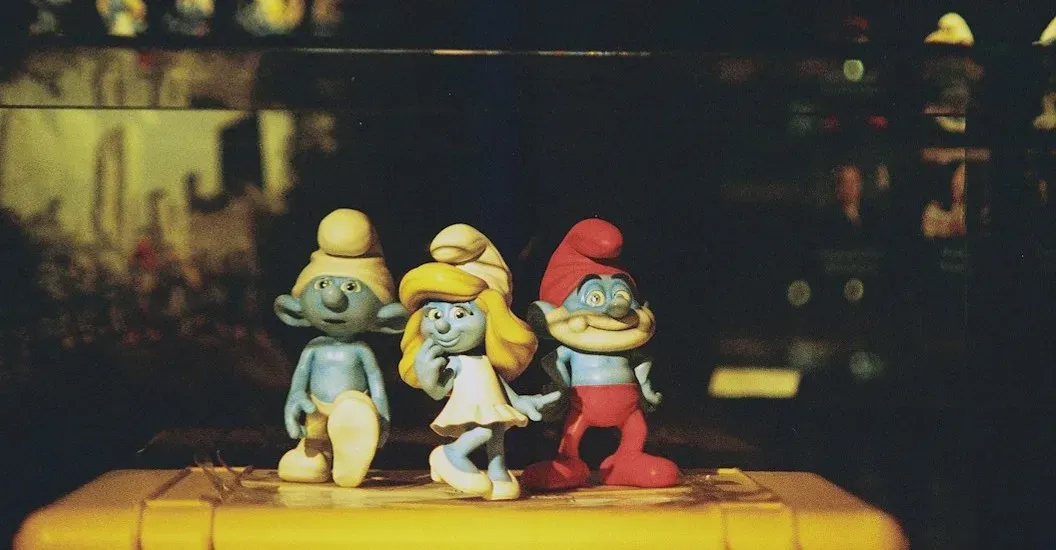
The Smurfs reached American television on NBC in September 1981, produced by Hanna-Barbera. The characters came from comics created by the Belgian artist Peyo in 1958, so the show was an import with decades of history behind it. The little blue villagers lived in mushroom houses and spent most episodes dodging the wizard Gargamel.
The series stayed on the air until 1989, which made it a constant presence across most of the decade. Merchandise followed quickly, and small Smurf figures turned up on shelves and in lunch boxes everywhere. For a lot of kids, it was their first long running animated world.
He-Man and the Masters of the Universe

This Filmation series debuted in 1983 and was tied closely to a Mattel toy line. Prince Adam raised his sword, became He-Man, and defended Eternia from Skeletor. Critics at the time pointed out that the show doubled as a toy commercial, and they weren’t wrong.
Still, the formula worked, and the series produced well over one hundred episodes. Many episodes closed with a short moral lesson, a feature people remember with a grin today. The franchise has been revived more than once, including the Netflix series Masters of the Universe: Revelation in 2021.
The Transformers
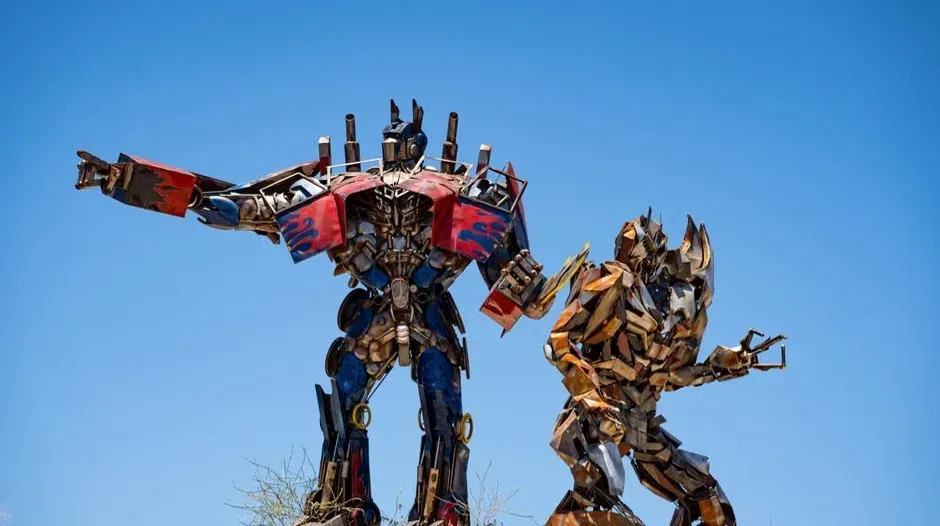
The Transformers arrived in 1984, backed by Hasbro and animated through Sunbow and Marvel Productions. Autobots and Decepticons fought over Earth’s resources, and the toys could actually change from vehicles into robots. That hands on quality made the show feel like an extension of the playroom floor.
The 1986 film, The Transformers: The Movie, shocked young viewers by killing off Optimus Prime. Plenty of kids were rattled by it, and the scene is still discussed by fans today. The film also featured Orson Welles as the voice of Unicron, one of his final roles.
ThunderCats
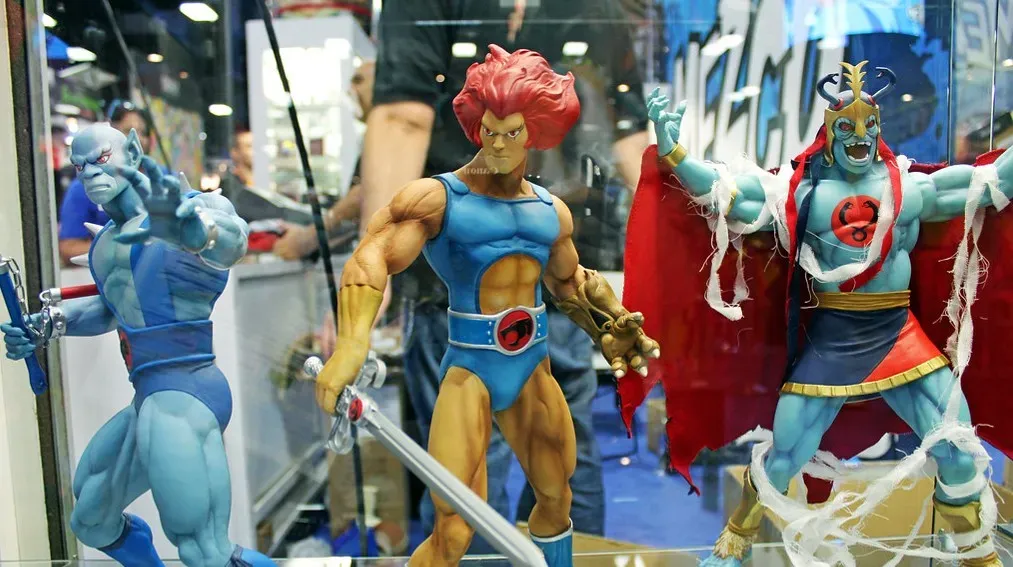
ThunderCats premiered in 1985 from Rankin/Bass, the studio also known for its holiday specials. The story followed feline heroes who fled their dying planet Thundera and settled on Third Earth. Lion-O, the young leader, could call on the Sword of Omens to see beyond sight.
The show was animated in Japan, and its look had a distinct edge compared with many American cartoons of the time. It reached a total of 130 episodes. A reboot aired on Cartoon Network in 2011, though it lasted only a single season.
DuckTales
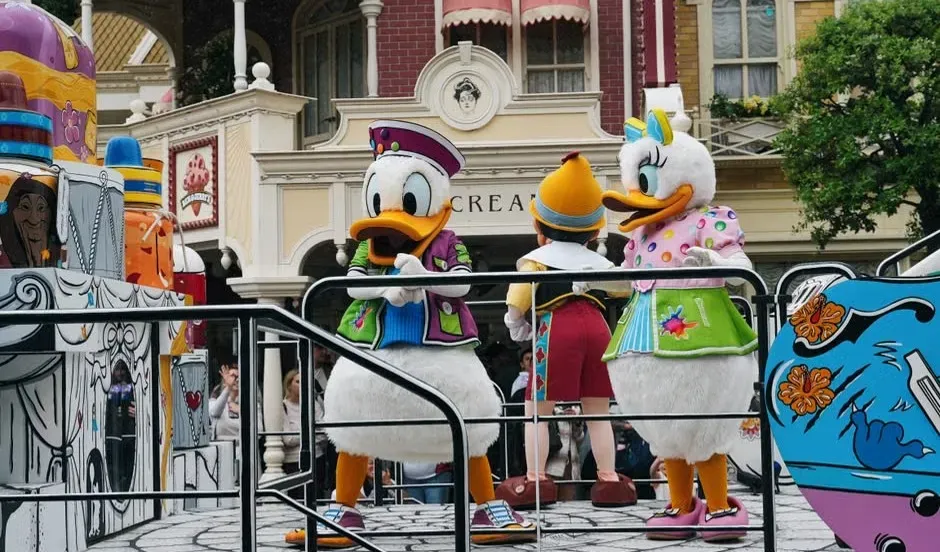
DuckTales debuted in 1987 and brought Disney characters into a weekday syndication slot. Scrooge McDuck led his nephews Huey, Dewey, and Louie on treasure hunting adventures, drawing on Carl Barks’ classic comics. The show ran for one hundred episodes.
Its theme song is among the most recognizable of the era, and plenty of adults can still sing along without trying. Disney launched a new version in 2017 that ran through 2021, which introduced the story to a new generation. Many Gen X parents ended up watching it with their own kids.
Where These Shows Left Us
Each of these series shaped a different part of a Gen X childhood, from classroom songs to toy aisle fantasies. Most of them are still available through reruns, streaming, or reboots, so revisiting them is easy.