
Nobel laureates can feel intimidating from a distance. The medal, the speeches and the long shelves of collected works make it easy to assume the books themselves will be heavy going.
Many of their best novels are short, direct and surprisingly gripping. The ten below make good first steps, each one chosen because it shows what its author does best without demanding a stack of background reading.
One Hundred Years of Solitude by Gabriel García Márquez

Gabriel García Márquez won the Nobel Prize in Literature in 1982. This 1967 novel follows the Buendía family across several generations in the fictional town of Macondo. It is the book most readers name first when they think of magical realism.
The names repeat across generations, which can confuse newcomers. A family tree at the front of most editions helps a lot. Once you settle into its rhythm, the story reads like a long, strange family legend told by someone who never doubts it.
The Old Man and the Sea by Ernest Hemingway

Ernest Hemingway received the Nobel Prize in 1954, and this short novel, published in 1952, was cited among the works behind that honor. It tells of Santiago, an aging Cuban fisherman who hooks an enormous marlin after a long stretch without a catch. The plot fits in a sentence, yet the book holds attention to the last page.
At under one hundred pages in many editions, it can be read in an afternoon. Hemingway’s plain style is on full display here. It is an easy way to see why his prose shaped so much twentieth century writing.
Beloved by Toni Morrison

Toni Morrison won the Nobel Prize in 1993, the first Black woman to receive it in literature. Beloved, published in 1987, is set after the American Civil War and centers on Sethe, a formerly enslaved woman haunted by her past. It won the Pulitzer Prize for Fiction in 1988.
The book is emotionally demanding and moves between past and present. Still, Morrison’s language pulls you through. Readers who want a gentler entry to her work sometimes begin with The Bluest Eye or Sula.
The Remains of the Day by Kazuo Ishiguro

Kazuo Ishiguro was awarded the Nobel Prize in 2017. The Remains of the Day, from 1989, is narrated by Stevens, a devoted English butler reflecting on his years of service and the things he never said. It won the Booker Prize that same year.
The surface is quiet and polite, which is exactly the point. Beneath it, regret builds page by page. It is a clean, accessible start for anyone curious about Ishiguro.
The Stranger by Albert Camus
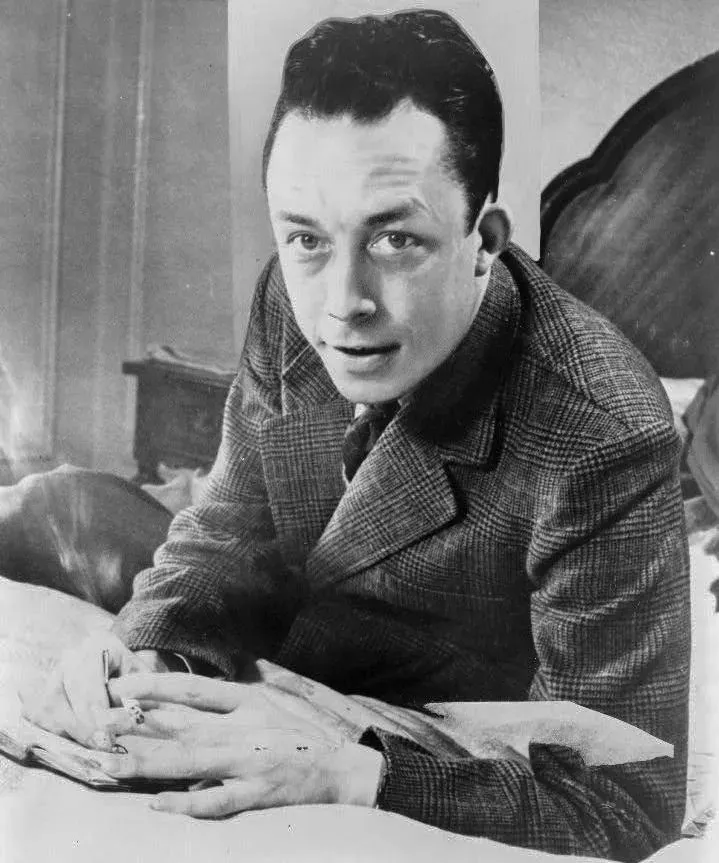
Albert Camus won the Nobel Prize in 1957. The Stranger, first published in French in 1942, follows Meursault, a detached young man in French Algeria whose indifferent response to his mother’s death sets off a chain of events leading to a trial.
Partner offer
The novel is brief and written in spare sentences. It introduces ideas about absurdity and meaning without requiring any philosophy training. Most readers finish it in a single sitting.
The Good Earth by Pearl S. Buck
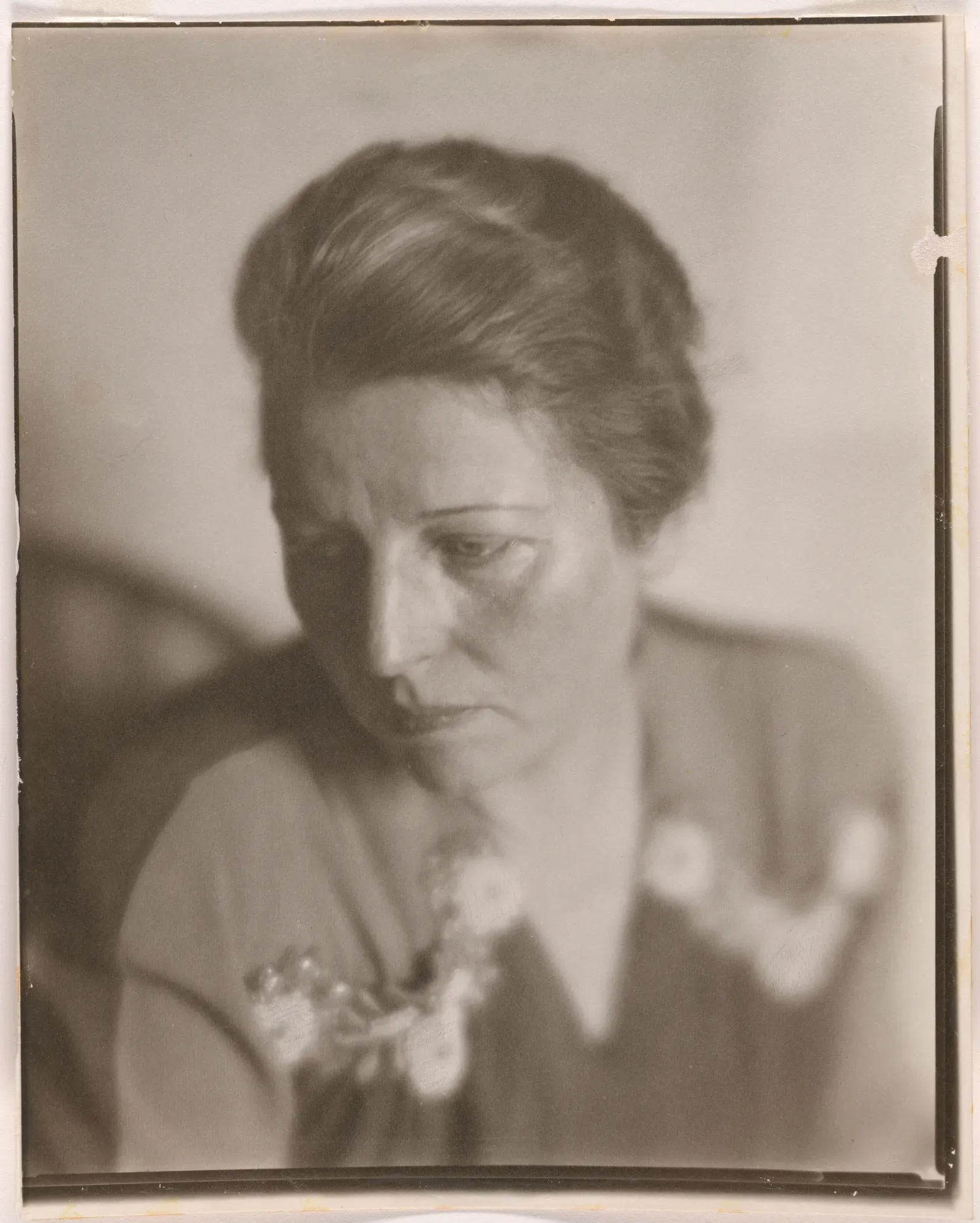
Pearl S. Buck received the Nobel Prize in 1938. The Good Earth, published in 1931, follows Wang Lung, a Chinese farmer, as he rises from poverty to land ownership and wealth. It won the Pulitzer Prize for the novel in 1932.
Buck spent much of her early life in China, and that familiarity shaped the book’s detail. The story is plainly told and moves at a steady pace. It suits readers who like family sagas rooted in everyday work.
Blindness by José Saramago

José Saramago won the Nobel Prize in 1998. Blindness, published in 1995, imagines a sudden epidemic of white blindness spreading through an unnamed city. Those first affected are quarantined, and order breaks down fast.
Saramago uses long paragraphs and minimal punctuation, with dialogue folded into the text. It takes a few pages to adjust. After that, the pace feels natural and the tension is hard to put down.
The Buddenbrooks Alternative: Death in Venice by Thomas Mann
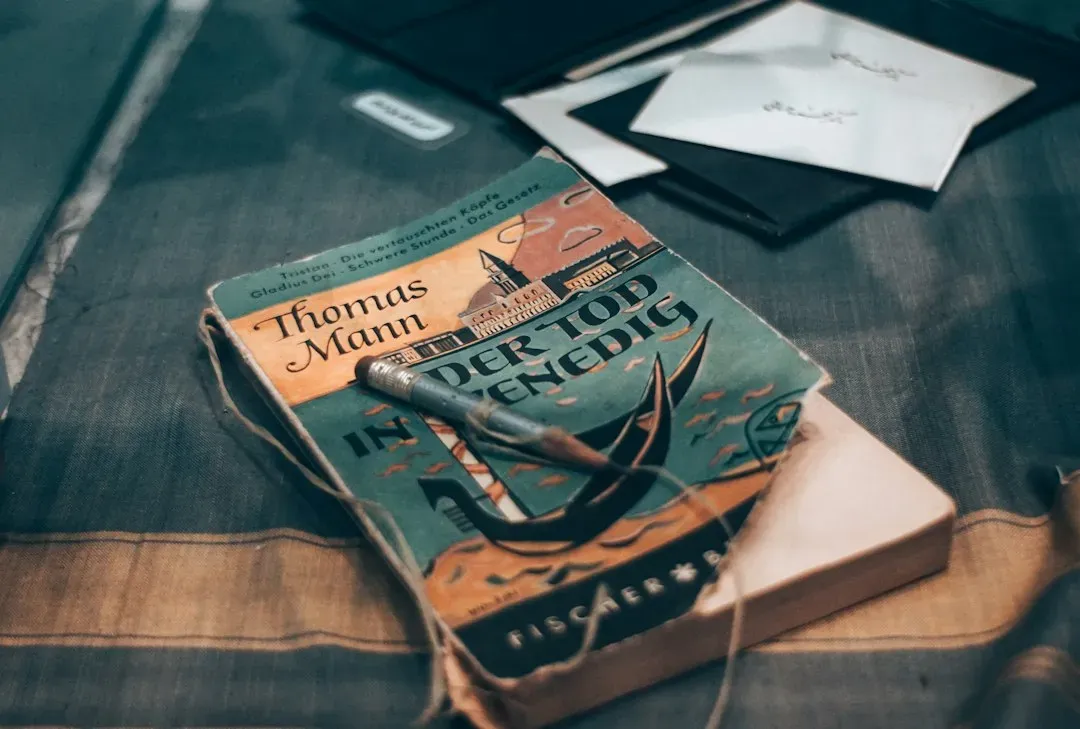
Thomas Mann received the Nobel Prize in 1929, and his sprawling Buddenbrooks was specifically named in the award. For a first taste, many readers prefer the novella Death in Venice, published in 1912. It follows an aging writer, Gustav von Aschenbach, who becomes obsessed during a trip to Venice.
It is much shorter than Mann’s big family novel. The prose is elegant but controlled. It gives a compact sense of his themes of art, discipline and decay.
Things Fall Apart Alternative: Disgrace by J. M. Coetzee
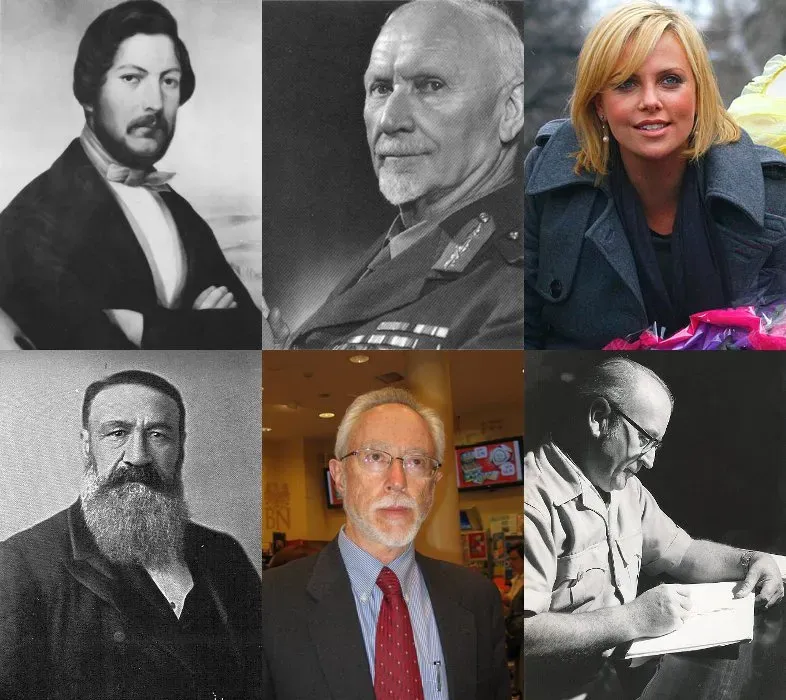
J. M. Coetzee won the Nobel Prize in 2003. Disgrace, published in 1999, follows David Lurie, a South African professor who loses his post after a scandal and retreats to his daughter’s rural farm. It earned Coetzee his second Booker Prize.
The writing is lean and the chapters move briskly. It deals with power, race and responsibility in post-apartheid South Africa without lecturing. Few novels pack so much into so few pages.
Snow Country by Yasunari Kawabata
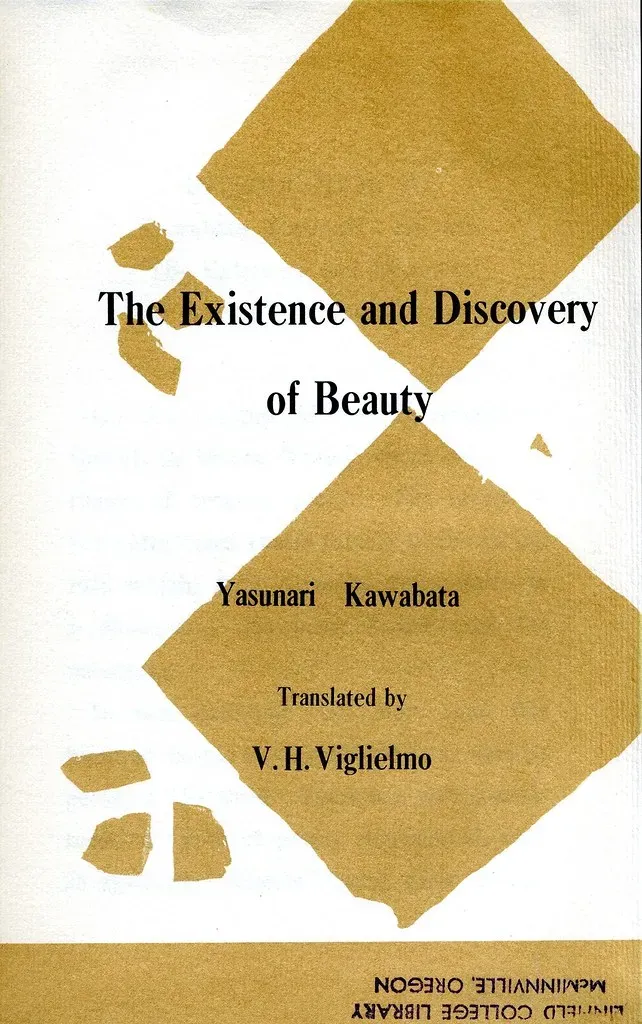
Yasunari Kawabata became the first Japanese author to win the Nobel Prize in Literature, in 1968. Snow Country, serialized from 1935 and published in book form in 1948, centers on a wealthy man who visits a hot spring town and develops a relationship with a geisha named Komako.
The book is delicate and short, driven more by mood and imagery than plot. Its snowy setting is memorable. It offers a quiet doorway into Japanese literary tradition.
Partner offer
Planning a trip to Vegas?
Compare hotel rates and show tickets on VEGAS.com.