Most holiday songs feel like they’ve always existed, as if they drifted out of the cold air every December. In reality, each one started somewhere specific, often in an unlikely place or at an odd moment.
Some were written in sweltering weather, some for a department store, and one was first played because a church organ had broken. The stories behind seven well known favorites are below.
The Christmas Song
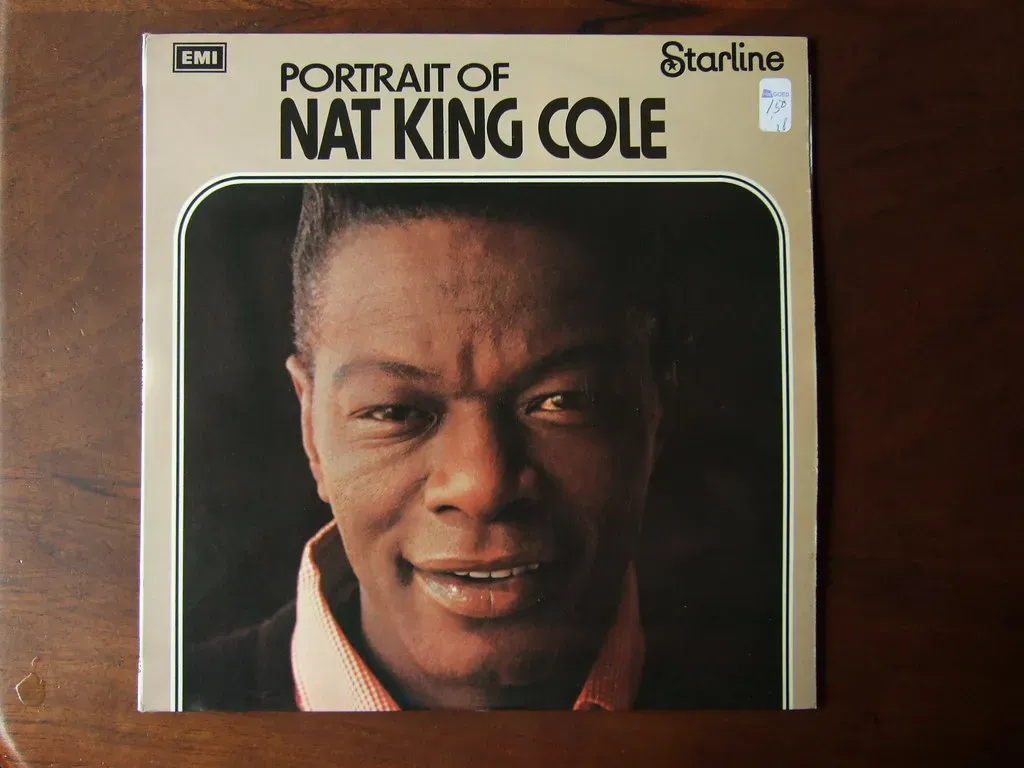
The song was written in 1945 during a hot Los Angeles summer. Bob Wells had jotted down a few wintry images on a notepad, apparently to take his mind off the temperature. Mel Tormé saw the list and the two men turned it into a song in a short sitting.
Nat King Cole recorded it in 1946, and his version became the one most people know. He reworked it over the following years, including a well loved 1961 recording. The tune is often called “Chestnuts Roasting on an Open Fire,” though that line is only the opening, not the official title.
White Christmas
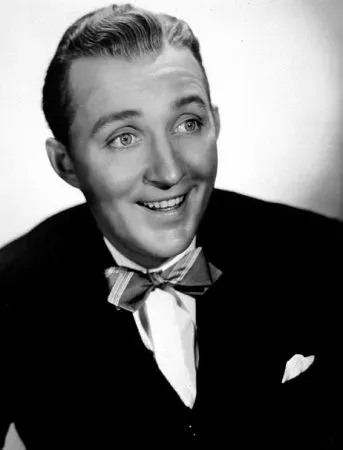
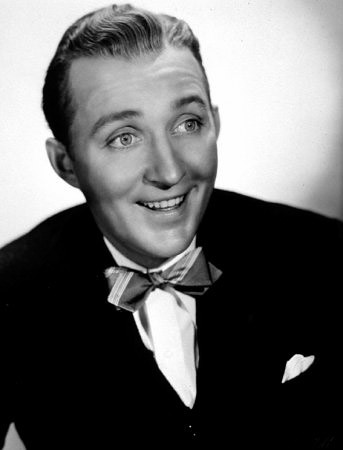
Irving Berlin wrote this one for the 1942 film Holiday Inn, and Bing Crosby sang it on screen. Crosby also recorded it in 1942, and it landed with listeners during the Second World War, when many families were separated. The song’s quiet longing for home mattered more than its snow.
Its sales are remarkable. Guinness World Records lists Crosby’s version as the best selling single of all time, with more than fifty million copies sold. Few recordings from the 1940s have stayed in circulation so steadily.
Jingle Bells

James Lord Pierpont published it in Boston in 1857 under the title One Horse Open Sleigh. It wasn’t written as a Christmas song at all, and it doesn’t mention the holiday. Over the years it simply became tied to winter and December.
Where Pierpont wrote it is still argued over. Medford, Massachusetts, and Savannah, Georgia, both lay claim to the song. One firm fact is that in 1965 the Gemini 6 astronauts played it in orbit, which is widely cited as the first song broadcast from space.
Silent Night

The lyrics came from a poem written in 1816 by Joseph Mohr, a young priest in Austria. Franz Xaver Gruber, a local teacher and organist, composed the melody in 1818. It was first performed on Christmas Eve that year at St. Nicholas church in Oberndorf, with guitar accompaniment.
Partner offer
A popular story says the church organ was broken, though historians treat that detail with some caution. What is better documented is the song’s spread across Europe and then the world, carried by traveling singers. In 2011, UNESCO added Silent Night to its list of intangible cultural heritage in Austria.
Rudolph the Red Nosed Reindeer
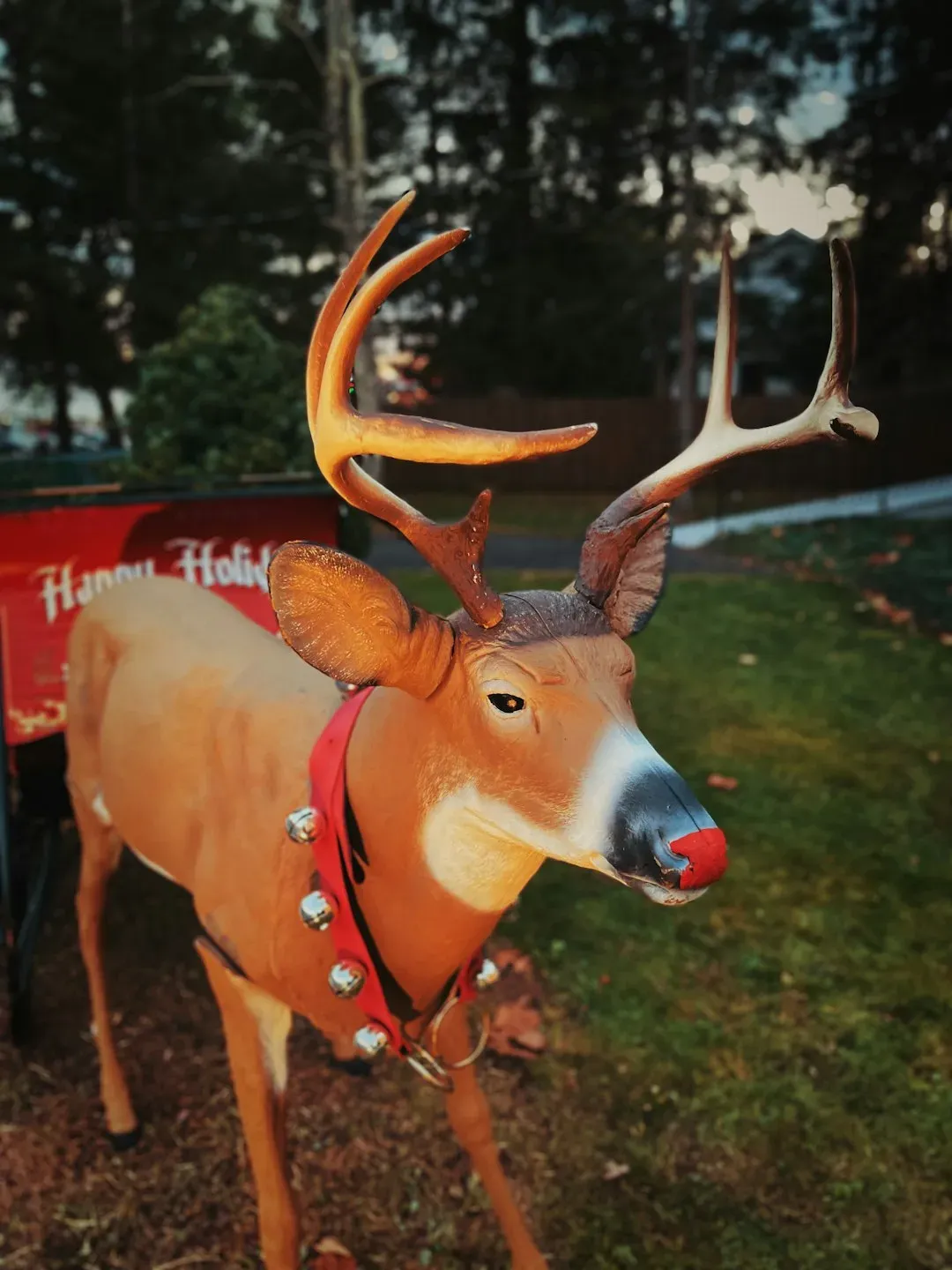
Rudolph began as a story, not a song. Robert L. May, an advertising copywriter, created the character in 1939 for a giveaway booklet for the Montgomery Ward department store. Millions of copies were distributed in the years that followed.
May’s brother in law, Johnny Marks, adapted the tale into a song. Gene Autry recorded it in 1949, and it became a major hit. The 1964 television special later gave the reindeer an even wider audience.
All I Want for Christmas Is You

This is the newest song on the list, written by Mariah Carey and Walter Afanasieff and released in 1994. It was meant to sound like a classic holiday standard, with a bit of the girl group pop of the 1960s. It worked, and it has become the modern benchmark for a Christmas hit.
Its chart story took a long time to unfold. The song first reached number one on the Billboard Hot 100 in December 2019, a quarter century after its release. It has returned to the top of the chart in the holiday seasons since, which says a lot about how durable it is.
Have Yourself a Merry Little Christmas
Hugh Martin and Ralph Blane wrote it for the 1944 film Meet Me in St. Louis, where Judy Garland sings it to comfort her younger sister. The original lyrics were considered too sad, and Garland reportedly pushed for a gentler version. Martin revised the words, and the song became more hopeful without losing its tenderness.
Another change came later. For his 1957 Christmas album, Frank Sinatra asked Martin to brighten a line, and that updated wording is still widely sung today. The song shows how holiday standards often evolve after they are first written.
The Origins in Brief
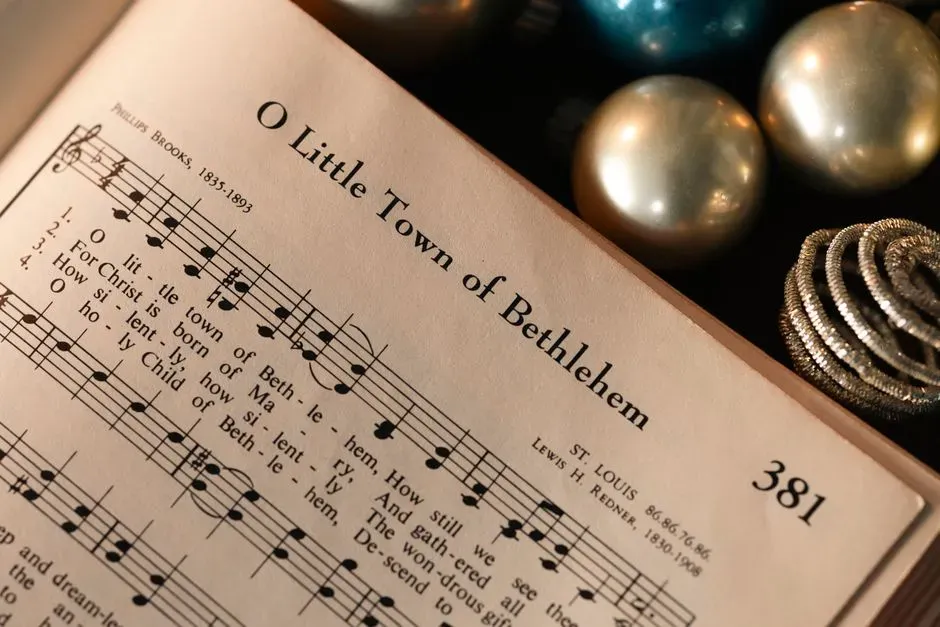
These seven songs came from film sets, magazine style advertising campaigns, a small Austrian church and a hot California afternoon. Their ages range from nearly two centuries to a little over thirty years.
Each one has been revised, reinterpreted or rediscovered along the way. That history is part of why they still turn up every December.
Partner offer
Planning a trip to Vegas?
Compare hotel rates and show tickets on VEGAS.com.