
A moving vehicle makes a very good pressure cooker for fiction. Nobody can leave, the cast is fixed, and every conversation in a corridor or cabin carries a little extra weight. Writers have used that setup for well over a century.
The books below stay on board for all or nearly all of their pages. A few step off briefly, and I’ve said so where it applies. Some are mysteries, some are war stories, and a couple are something stranger.
Murder on the Orient Express by Agatha Christie


Published in 1934, this is the obvious starting point. Hercule Poirot boards the Orient Express in Istanbul, and a snowdrift in Yugoslavia stops the train overnight. By morning, a wealthy American passenger has been stabbed in his locked compartment.
The story stays within the stranded train, which is why the puzzle feels so tight. Poirot interviews a carriage full of suspects from different countries and classes, and each statement has to fit the physical layout of the cars. Few mysteries use their setting so efficiently.
Rites of Passage by William Golding


Golding’s 1980 novel won the Booker Prize. It takes place on an aging former warship carrying passengers and emigrants to Australia in the early nineteenth century. The story is told through the journal of Edmund Talbot, a young aristocrat who is more than a little pleased with himself.
Nothing leaves the ship, and the social order on deck quickly becomes the real subject. A humiliation involving a clergyman sets off a chain of events that Talbot only gradually understands. It’s the first book in Golding’s sea trilogy, and it reads as both a period piece and a study of cruelty.
Das Boot by Lothar-Günther Buchheim


This 1973 German novel is set aboard a U-boat on patrol in the Atlantic during the Second World War. Buchheim drew on his own experience as a war correspondent who sailed on U-96 in 1941. The narrator is a lieutenant assigned to document the crew’s mission.
The book is claustrophobic by design. Days of boredom, damp clothing, and bad air are broken by sudden depth charge attacks, and the crew’s morale rises and falls with the weather. It reads as a portrait of ordinary men more than a tale of heroism, which is a big part of its reputation.
The Woman in Cabin 10 by Ruth Ware

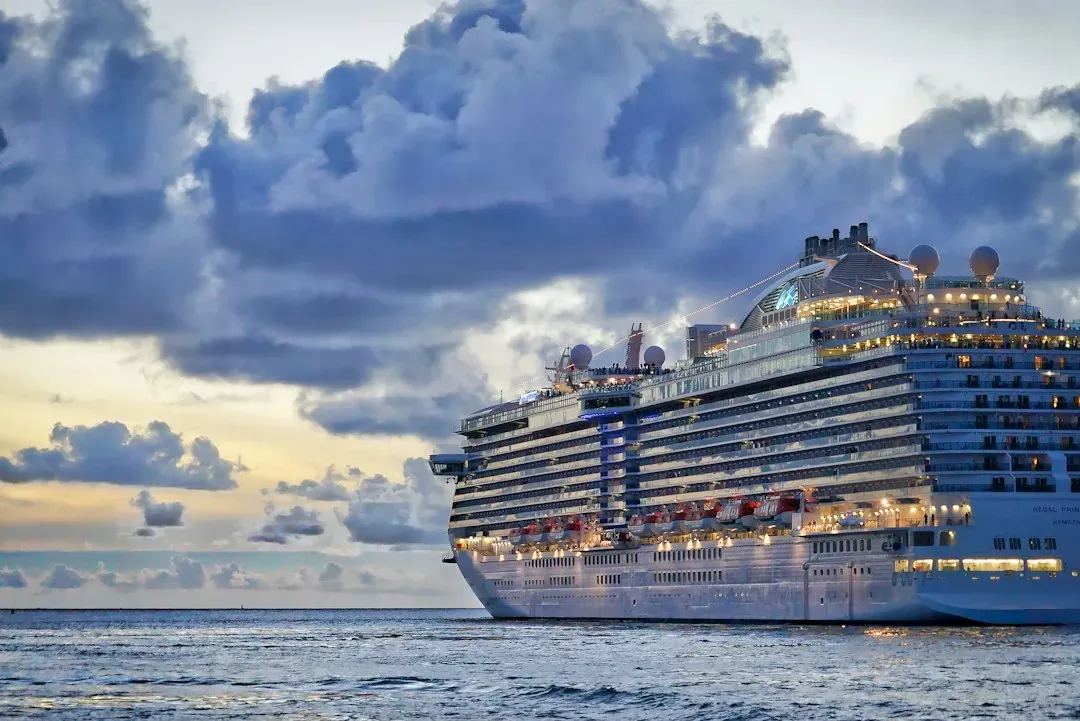
Ruth Ware’s 2016 thriller follows travel journalist Laura Blacklock, known as Lo, on the maiden voyage of a small luxury cruise ship, the Aurora. During the first night, she hears a splash and sees what she believes is a body thrown overboard. Every crew member insists that nobody was ever in the cabin next to hers.
Nearly the whole story unfolds on the vessel as it sails toward the Norwegian fjords. The setting works against Lo, because there’s no way to call for help and nowhere to go. Her own shaky credibility, after a recent burglary and a few drinks, makes things harder still.
Ship of Fools by Katherine Anne Porter

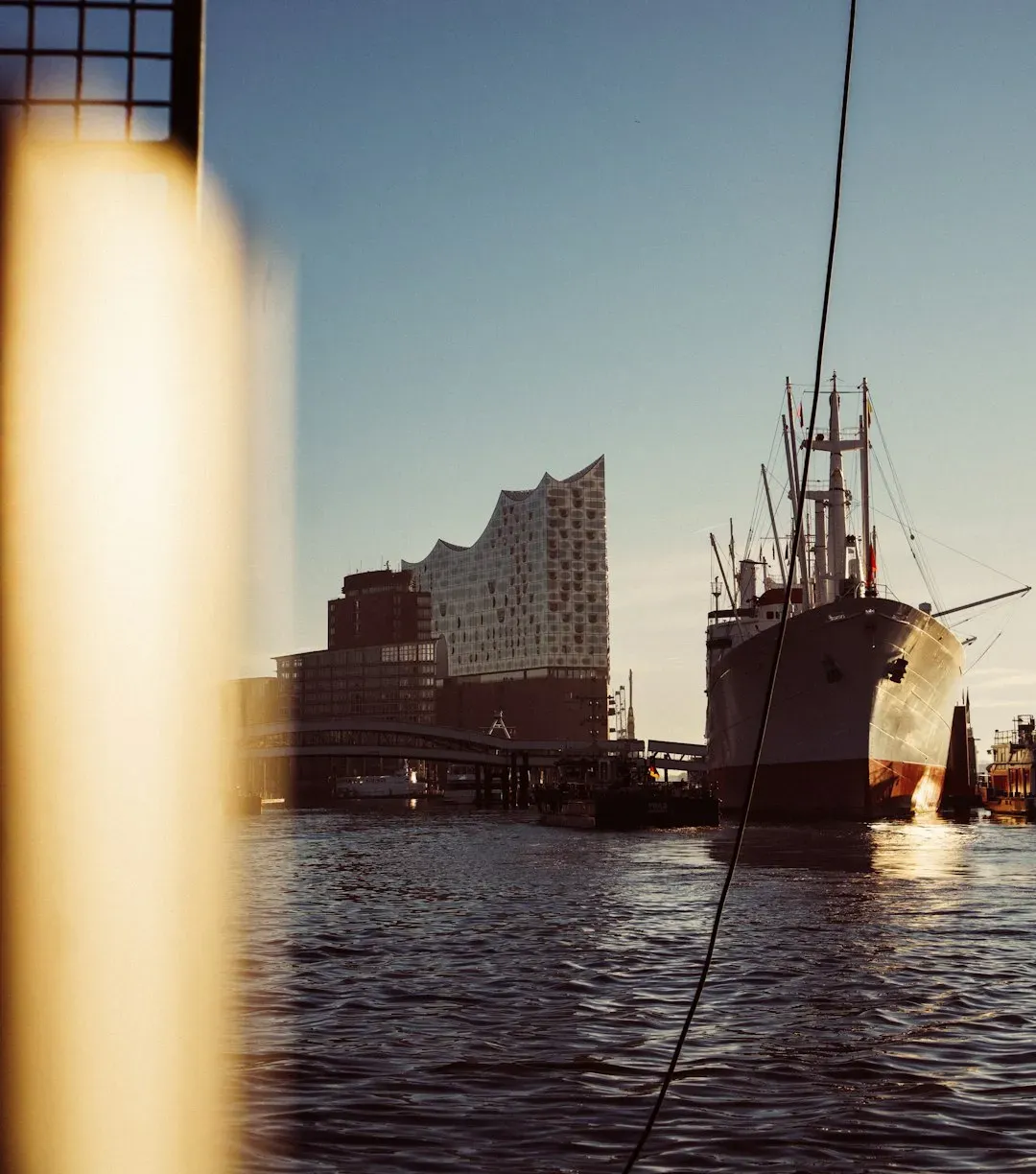
Porter’s only completed novel appeared in 1962, after she had worked on it for many years. It follows passengers on the German liner Vera, sailing from Veracruz in Mexico to Bremerhaven in 1931. The cast includes Germans, Spaniards, Americans, and others, all sorted into different classes on board.
Partner offer

The ship is an obvious miniature of Europe between the wars. Prejudice and small cruelties show up in dining room seating and casual remarks, years before the larger catastrophe. The narrative does touch land at ports along the way, but the story’s attention stays with the people on deck.
The Wheel Spins by Ethel Lina White


Ethel Lina White’s 1936 novel is better known to many people through Alfred Hitchcock’s 1938 film, The Lady Vanishes. A young Englishwoman named Iris Carr boards a train in the fictional European country of Bandrika. She befriends an older woman, Miss Froy, who then disappears from the carriage.
Worse, the other passengers all deny that Miss Froy ever existed. The book sits almost entirely on the train, and the tension grows from Iris doubting herself while a half dozen people lie to her face. It’s a quick read, and the mystery stays interesting even if you know the film.
Twenty Thousand Leagues Under the Seas by Jules Verne

Verne’s novel was published in 1870. Professor Pierre Aronnax, his servant Conseil, and the harpooner Ned Land are taken prisoner aboard the Nautilus, a submarine commanded by the enigmatic Captain Nemo. They then spend months traveling the world’s oceans in captivity.
The ship is the book’s real star. Verne lingers over its engines, its library, and the windows from which the passengers watch underwater scenery. The tone is part adventure and part guided tour, with a sharper edge whenever Nemo’s grudges come to the surface.
HMS Ulysses by Alistair MacLean

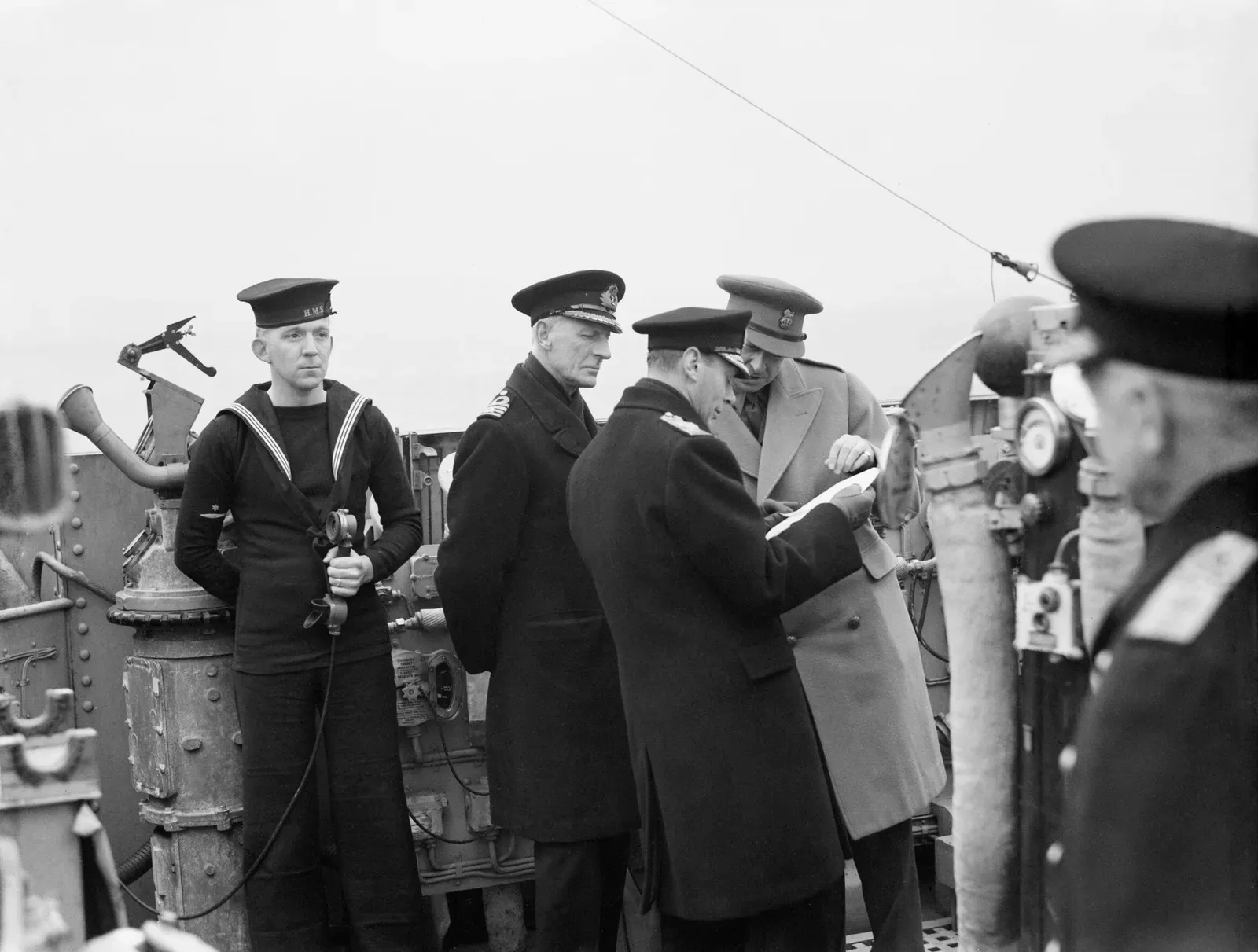
MacLean’s first novel came out in 1955. It’s set aboard a Royal Navy cruiser escorting a convoy through Arctic waters to Murmansk during the Second World War. MacLean himself served in the Royal Navy during the war, which gave the book a lived-in feel.
Ice, storms, and enemy attacks wear the crew down well beyond what the ship can bear. The story rarely leaves the vessel or its immediate surroundings, so the strain on the men feels constant. It’s a grim book, and it made MacLean’s name as a writer of high stakes adventure.
Stamboul Train by Graham Greene


Greene’s 1932 novel follows a handful of passengers traveling by rail from Ostend to Istanbul. Among them are a currant merchant, a dancer, a revolutionary, and a journalist. The book was also published in the United States as Orient Express.
The train does stop at stations such as Cologne and Subotica, and some scenes happen off the rails. Even so, the journey itself is the backbone of the plot, with the carriages pushing these strangers into each other’s business. It’s an early example of Greene mixing thriller mechanics with a more serious interest in loneliness and politics.
Death on the Nile by Agatha Christie


Published in 1937, this is Christie’s other great travelling mystery. A wealthy young heiress, Linnet Doyle, is shot dead on a steamer called the Karnak, which is cruising along the Nile in Egypt. Hercule Poirot happens to be on board.
The book opens in England and at an Egyptian hotel, so it isn’t strictly confined to the boat. Still, the killing and nearly all of the investigation take place on the steamer, with a small group of suspects trapped between riverbanks. It’s a good companion to Orient Express if you want to compare how Christie handled two very different kinds of confinement.
Partner offer
Planning a trip to Vegas?
Compare hotel rates and show tickets on VEGAS.com.