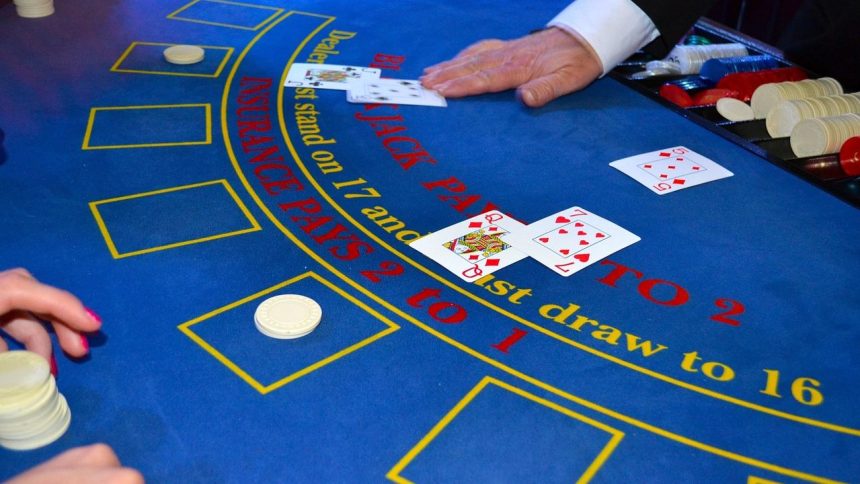
Walk into almost any casino on the Las Vegas Strip today and you’ll notice something that veteran players find genuinely frustrating. The signs at low-limit blackjack tables now read “Blackjack Pays 6:5” rather than the traditional 3:2. For most casual visitors, that fraction doesn’t register as anything alarming. For anyone who has done the math, it changes everything about the game. The shift has been decades in the making, accelerated sharply after the pandemic, and it’s now reshaping not just the Strip but the broader Las Vegas gambling landscape. Knowing how to spot the difference, and where to find the remaining player-friendly games, is one of the most practically useful things any blackjack player can understand before sitting down.
The Core Difference: What 6-to-5 Actually Costs You

The payout rules for a natural blackjack, that first-deal ace-and-ten combination, are the single most important number on any blackjack table. Traditionally, a blackjack pays 3:2, meaning if you bet $10, you win $15. Some casinos have reduced this to 6:5, so the same $10 bet wins only $12. That $3 difference per natural might seem minor in isolation, but it compounds relentlessly across a session.
The shift from 3:2 to 6:5 blackjack payouts represents one of the most devastating rule changes in casino history, increasing the house edge by approximately 1.4%. A $25 bettor playing 6:5 gives the casino an extra $7.50 on every natural blackjack, and over a typical Vegas weekend of 500 hands, this rule change alone costs approximately $180 in reduced winnings.
How Much the House Edge Actually Changes
Numbers tend to blur together in casinos, but the house edge comparison between 3:2 and 6:5 blackjack is worth pausing on. The house edge on a 3:2 game is about 1%, while it rises to about 2.4% at 6:5 games. That effectively means the house is extracting more than twice as much expected value from you per dollar wagered on a 6:5 table versus a standard 3:2 one.
With perfect basic strategy, the house edge can drop to around 0.5% or even 0.28% with ideal single-deck rules. Without strategy or on poor-rule tables, the house edge can jump to 2% or more, especially with 6:5 payouts and no surrender or doubling options. The practical takeaway is straightforward: even a skilled, disciplined player at a 6:5 table is fighting harder math than a casual player at a well-structured 3:2 game.
How the Strip Got Here: A Timeline of Erosion

Beginning around the year 2000, many casinos in Las Vegas started introducing new rules to blackjack games, and one of the most significant changes was the payout for a natural blackjack. The 6:5 rule was initially introduced at single-deck games, marketed partly on the appeal of fewer decks, which many players incorrectly assumed meant better odds.
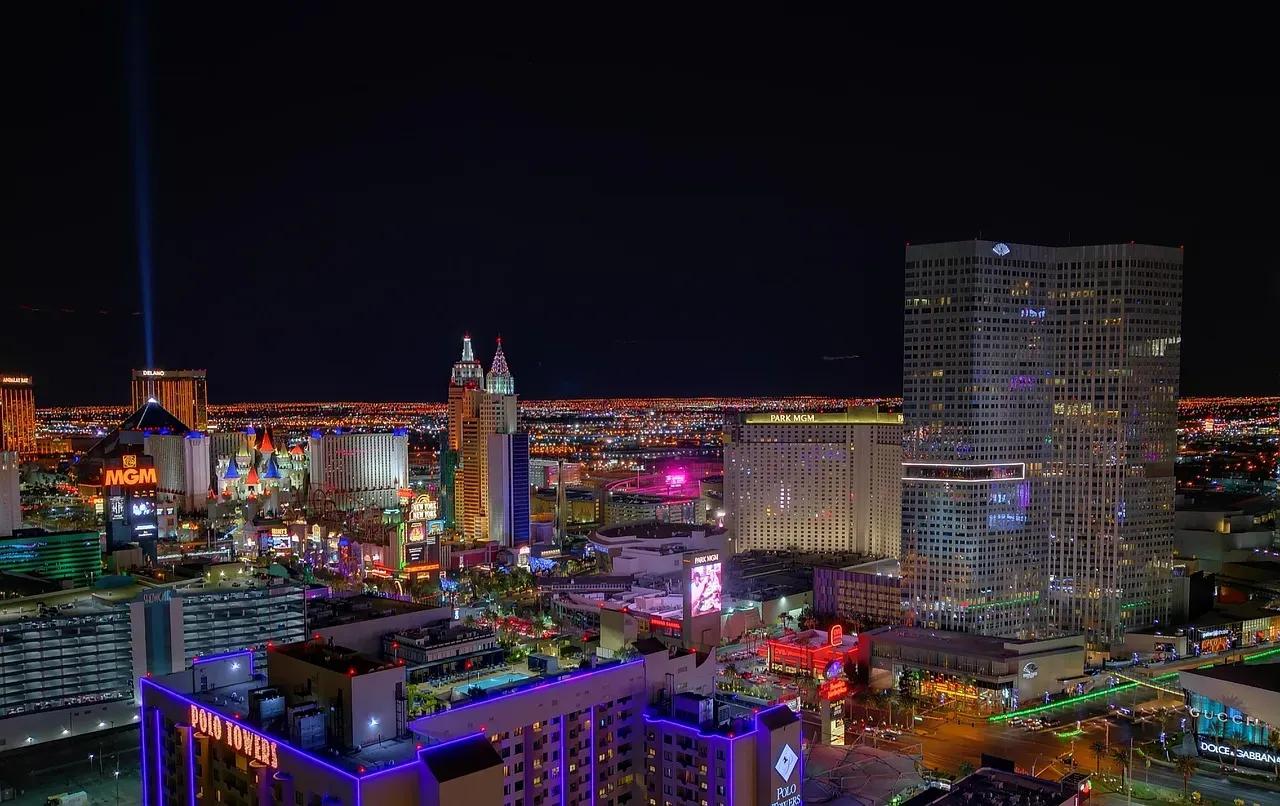
According to Vegas Advantage, in 2010, 720 blackjack tables on the Strip offered a 3:2 payout for players dealt a natural blackjack. By 2022, that number had fallen to just 275, with most tables having switched to paying 6:5. The changes have been driven by many venues switching to 6:5 payouts, rising table minimums, and the widespread implementation of continuous shuffling machines.
The Post-Pandemic Acceleration
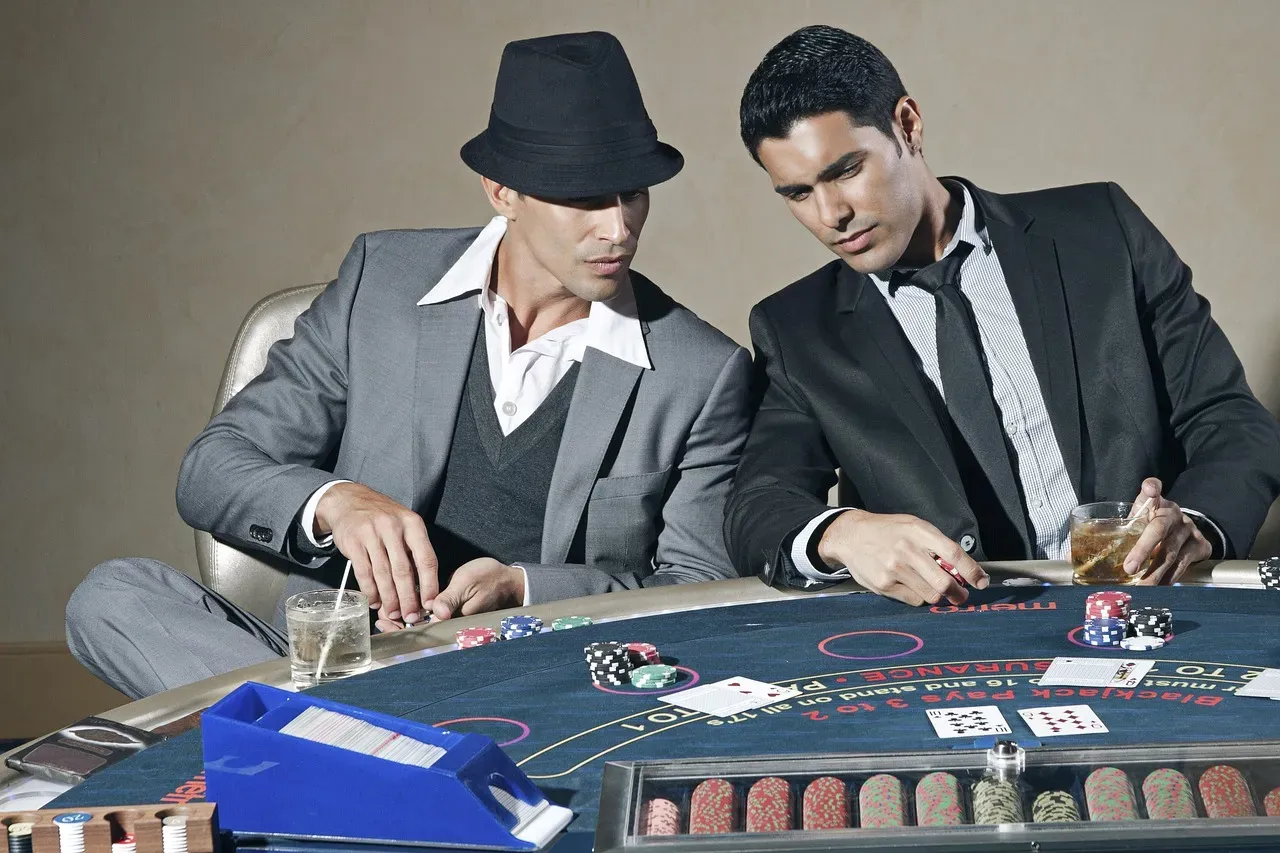
Many casino operators pushed the envelope after the pandemic in terms of raising table minimums and introducing games with a significantly enhanced house edge, such as triple-zero roulette and 6:5 blackjack. The combination of pent-up demand and reduced competition gave casinos unusual pricing power, and they used it.
Las Vegas table game minimum bets have increased by 76% on average since the 2020 pandemic. Downtown casinos raised table game minimums by an average of over 115%, with a median increase of roughly 95%. Those numbers reflect a structural shift, not a temporary adjustment, and they’ve pushed budget-conscious players further away from the Strip’s blackjack pits than at any point in recent memory.
The Death of 3:2 Single-Deck Blackjack

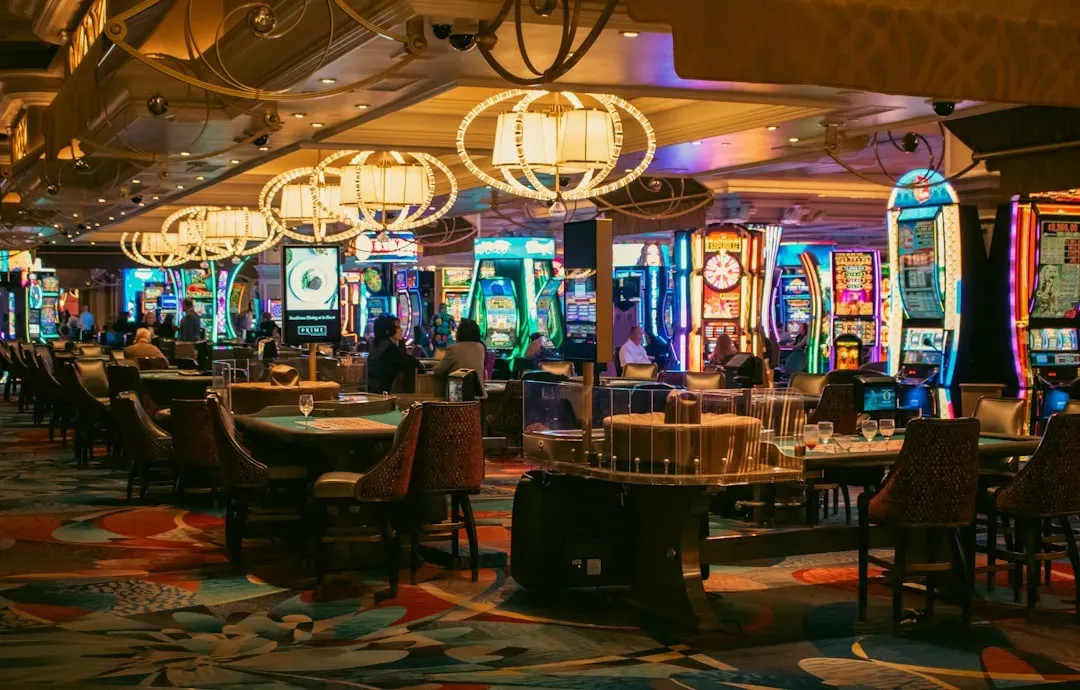
One of the more remarkable recent developments in Las Vegas blackjack history went largely unreported outside dedicated gambling circles. In 2024, Las Vegas lost its last 3:2 single-deck blackjack game. It was at El Cortez, and it became the only one left after Silverton turned its 3:2 single-deck game into a 6:5 one in 2020.
Today, there are no 3:2 single-deck blackjack games in Las Vegas. A six-deck game with 3:2 payouts carrying a 0.43% house edge is far superior to a single-deck game with 6:5 payouts, which carries a 1.55% house edge. The deck count, in other words, is the wrong thing to focus on when evaluating a game’s quality. The payout is what matters most.
Where 6-to-5 Dominates on the Strip Right Now

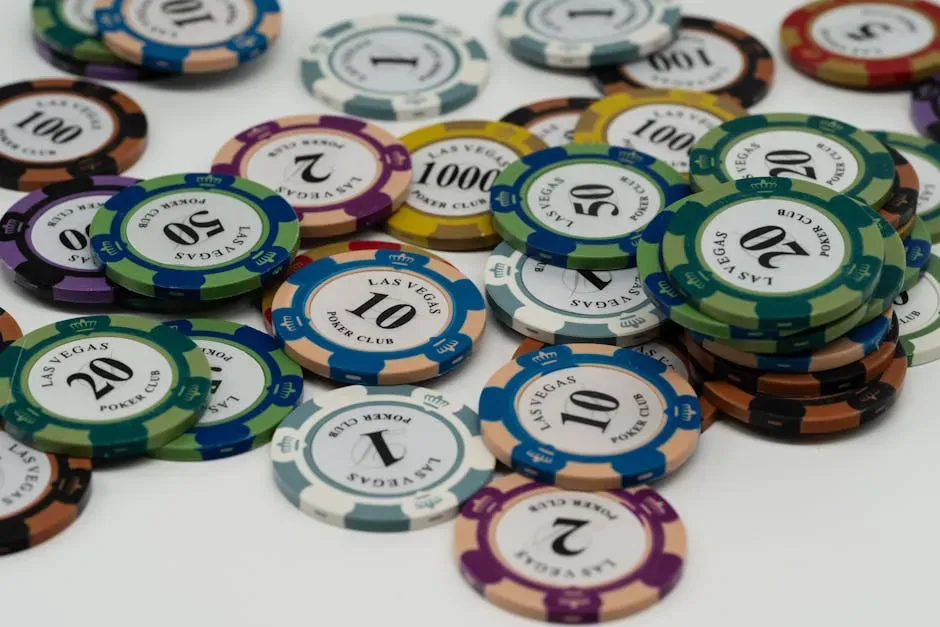
The current landscape on the central and southern Las Vegas Strip is heavily tilted toward 6:5 at accessible price points. Shoe games that pay 6:5 on blackjack were found at all twelve casinos in the central part of the Strip, and all twelve central Strip casinos also have a 6:5 electronic version for lower bet limits.
Nearly all of the low-limit blackjack in the central Strip area is 6:5. The low-limit blackjack in the southern section of the Strip is among the worst on the Las Vegas Strip, though higher-limit players will find some of the best games here. The pattern is consistent: budget play means 6:5, while the genuinely fair games are locked behind high-limit salon minimums.
Where 3:2 Games Still Exist on the Strip

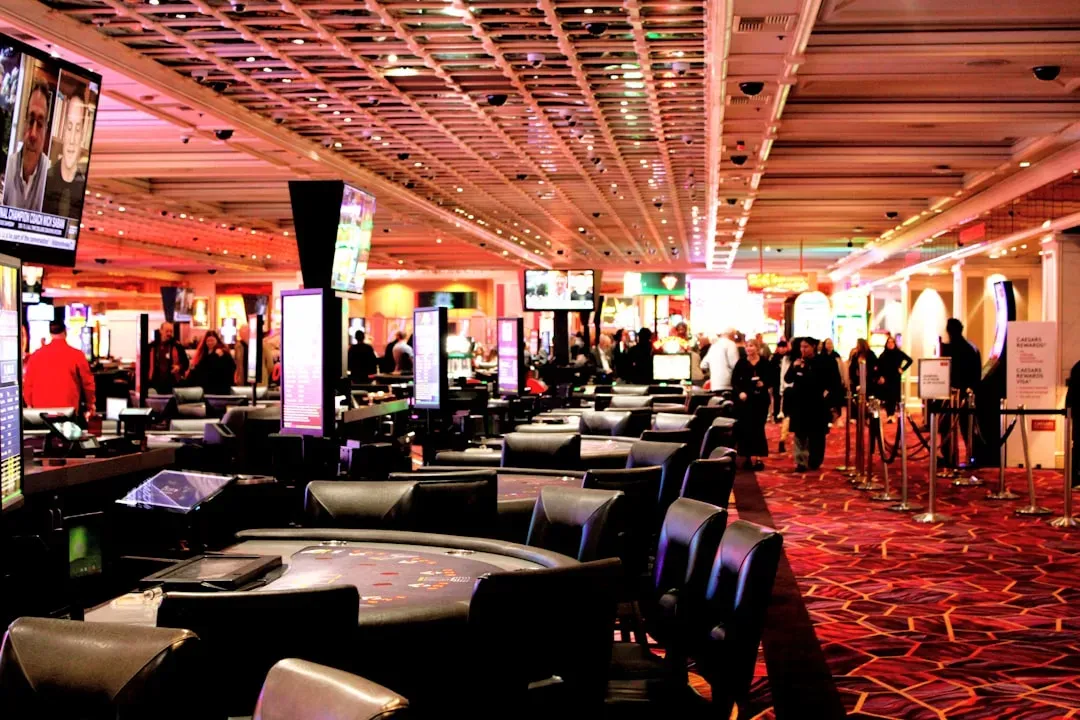
The good news is that 3:2 games have not vanished entirely on the Strip. They’ve just moved upmarket. The best Las Vegas Strip blackjack game deals two decks, allows players to double down before and after splitting, and has the dealer stand on soft 17. This game starts at $50 at Treasure Island and runs from $100 to $500 at high-end MGM Resorts casinos like Aria, Bellagio, Mandalay Bay, MGM Grand, and Park MGM. Fontainebleau deals it for $500, and all these tables are in high-limit salons.
Players will find 3:2 blackjack all over the locals market and at most downtown casinos. Most Las Vegas Strip casinos do deal 3:2 blackjack, but the minimum bet is usually at least $25, and it may be $50 or $100. A few encouraging signs have appeared recently. A new 3:2 game appeared in the pit at Flamingo in late 2025. Small progress, but players notice these things.
Off-Strip and Locals Casinos: The Better Bet


If finding a 3:2 game at a price point that makes sense is the goal, the answer is almost always to leave the Strip. Most off-Strip casinos specialize in providing players value that is not available at Strip resorts. Palms casino-hotel, for instance, made a gambler-friendly change by moving to 3:2 on all blackjack tables, on the main casino floor and in high-limit areas alike.
The best off-Strip blackjack game is at Palms: a double-deck game that stands on all 17s, permits doubling down before and after splitting, with a $100 minimum bet. Double-deck blackjack with a 3:2 payout is dealt at nearly all locals casinos, with minimums starting at $5 at Jerry’s Nugget up to $100 at Westgate. For players willing to drive a few miles from the Strip, the math improves dramatically.
The Worst Games to Avoid

Not all 6:5 games are equal in their damage to the player. Some variants layer additional unfavorable rules on top of the already elevated house edge. Bonus Spin Blackjack, which forces a mandatory side bet, pays 6:5. On a $10 bet at the typical minimum, Vegas Advantage estimates the house edge to be 3.9%. Some $10 Bonus Spin Blackjack tables at Golden Nugget have a required $2 side bet, pushing the house edge to an estimated 5.5%.
Stadium and live-dealer hybrid electronic blackjack machines pay 6:5 across the board. Video blackjack found near pits and on casino floors almost universally carries the same unfavorable payout. Memorizing a basic strategy chart, avoiding 6:5 payout tables, and never taking insurance remain the core practical steps for any blackjack player. Ignoring any one of those three consistently costs money over time.
Signs of Pushback and What to Look for in 2026

There are modest but genuine signs that some operators are responding to player resistance. The competitive nature of the gaming business means casino operators have to continually adapt to market changes and consumer behaviors, according to gaming analyst John Mehaffey of VegasAdvantage.com. Palms stated it would not increase table game minimums as a result of its new 3:2 blackjack policy, and continues to offer $5 blackjack and $5 craps 24 hours a day, seven days a week.
Las Vegas currently has 12 casinos dealing live $5 blackjack, the most since March 2020. That is still far below where things stood a decade ago, but it represents a genuine uptick worth acknowledging. According to gaming industry analyst John Mehaffey, the most enticing blackjack tables in Las Vegas right now are at Fontainebleau, MGM Resorts, Treasure Island, and the Palms, all of which house 3:2 double-deck games that stand on soft 17. The player-friendly table still exists in Las Vegas in 2026. It just requires knowing where to look, and increasingly, how much you’re willing to spend to get there.
Conclusion: Know Before You Sit Down
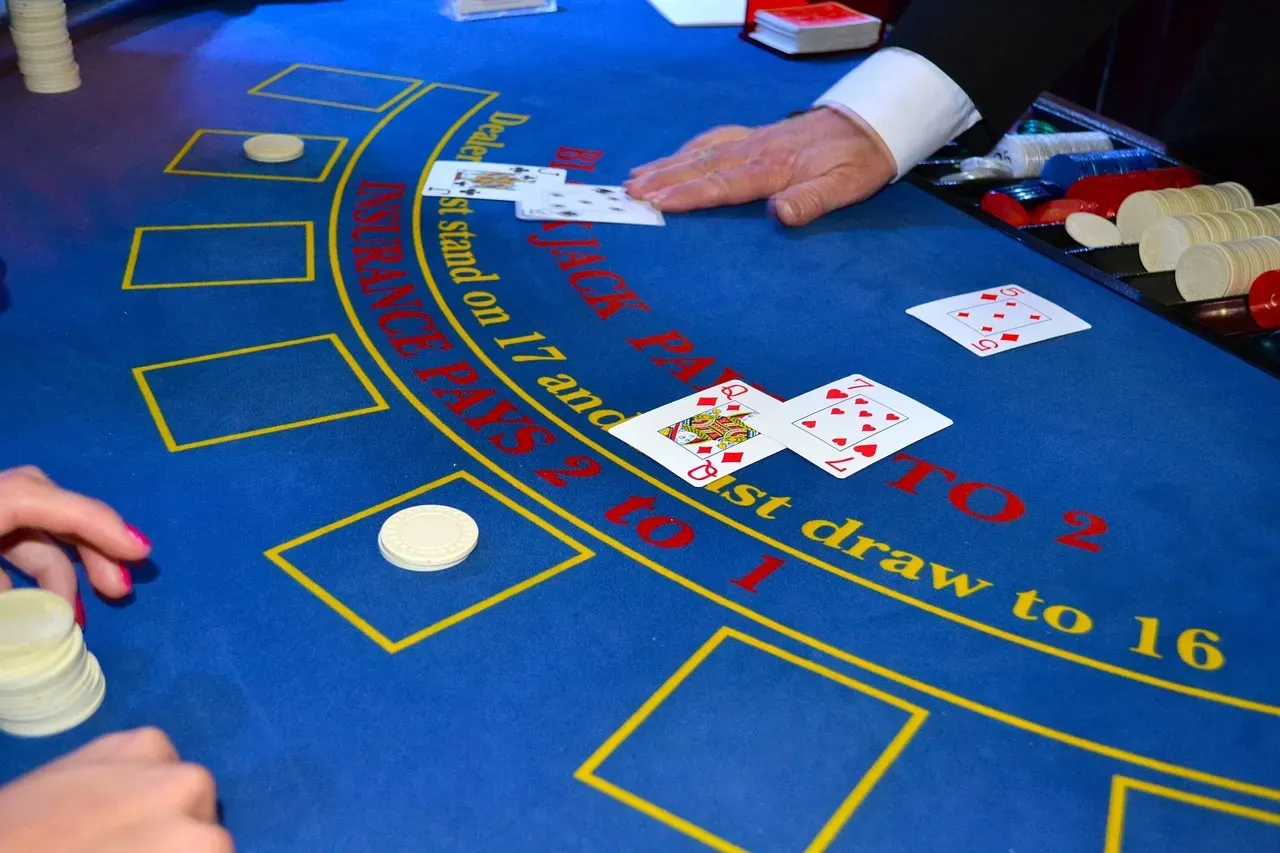
The most important habit any blackjack player can develop before a Las Vegas trip is checking the payout placard on the table before placing a single chip. That small sign, 3:2 or 6:5, determines more about your expected results than almost any other factor in the game, including how many decks are in the shoe or whether you have memorized basic strategy.
The Strip has changed, and the changes have mostly favored the house. Blackjack conditions have deteriorated over the last 20 years, with 6:5 payout games now found at all Las Vegas Strip casinos and many downtown and locals ones. However, there are still many good blackjack games around town. The players who find them are the ones who do their homework before the trip, not after they’ve already lost the first hundred dollars at a table they didn’t fully understand.