A good twist doesn’t just surprise you. It makes you want to flip back to page one and see what you missed. The novels below have kept that kind of conversation going for years, sometimes for decades.
Every entry here is described without giving away what happens. I’ve stuck to publication facts and the general reasons each book is still debated, so you can pick one up fresh.
1. The Murder of Roger Ackroyd by Agatha Christie
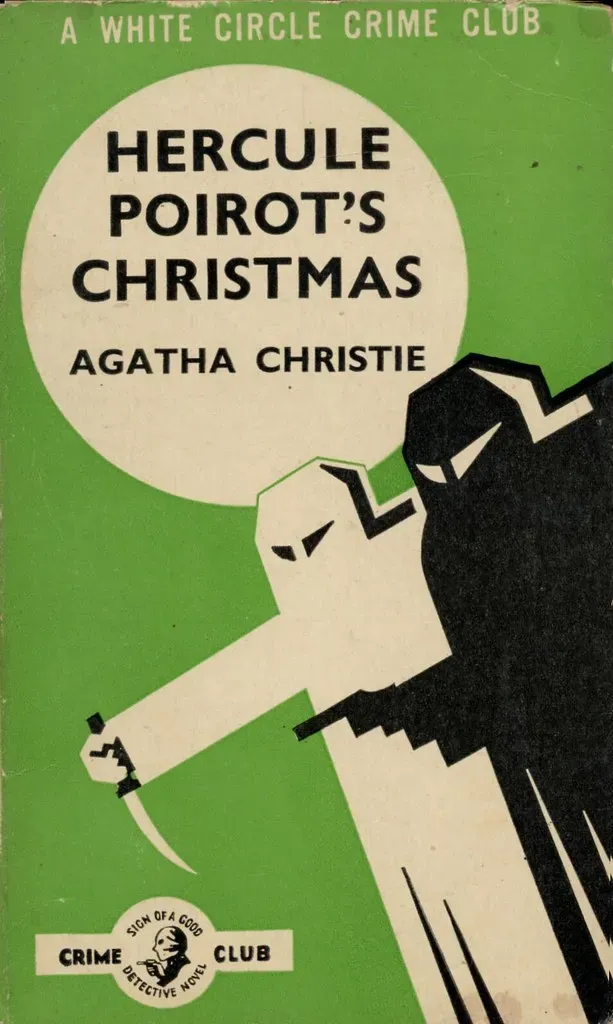
Published in 1926, this Hercule Poirot mystery is often named as one of the most controversial detective novels ever written. When it appeared, some readers argued that it bent the unspoken rules of the genre. That argument has never entirely gone away.
The book is set in a quiet English village and follows a classic country house structure. What makes it endure is how it plays with reader trust. It’s a good starting point if you want to see where the modern twist ending found one of its sharpest early shapes.
2. Gone Girl by Gillian Flynn
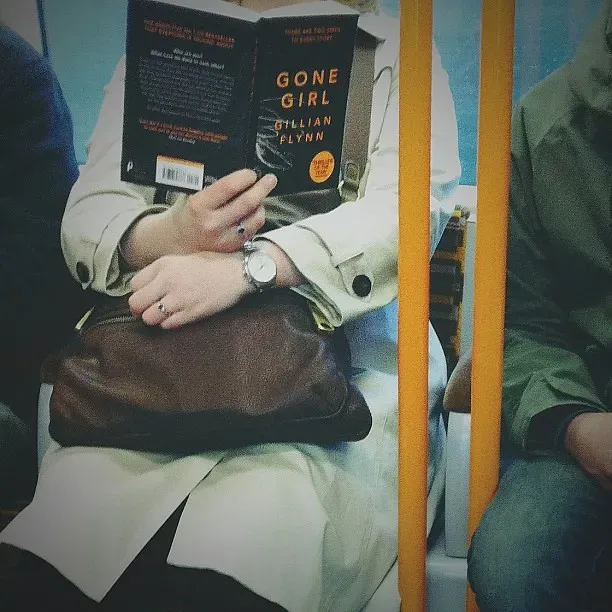
Gillian Flynn’s 2012 thriller starts as a missing wife case and keeps shifting under your feet. It spent a long stretch on bestseller lists and was adapted into a 2014 film directed by David Fincher. Its midpoint turn is the thing people mention first, even when they won’t say what it is.
The book’s staying power comes from how it treats marriage and public image. Readers still argue over its final pages as much as its big reveal. Going in blind is the best way to read it.
3. And Then There Were None by Agatha Christie
First published in 1939, this novel gathers ten strangers on an isolated island. Christie has long been reported as the best selling novelist of all time, and this title is frequently cited as her top seller. Its tight setup leaves almost no room to guess who’s behind the trouble.
The ending is the part that sticks. It handles the question of how the story could even be told in a way that readers still find clever. Several screen versions have appeared over the years, including a BBC miniseries in 2015.
4. Shutter Island by Dennis Lehane
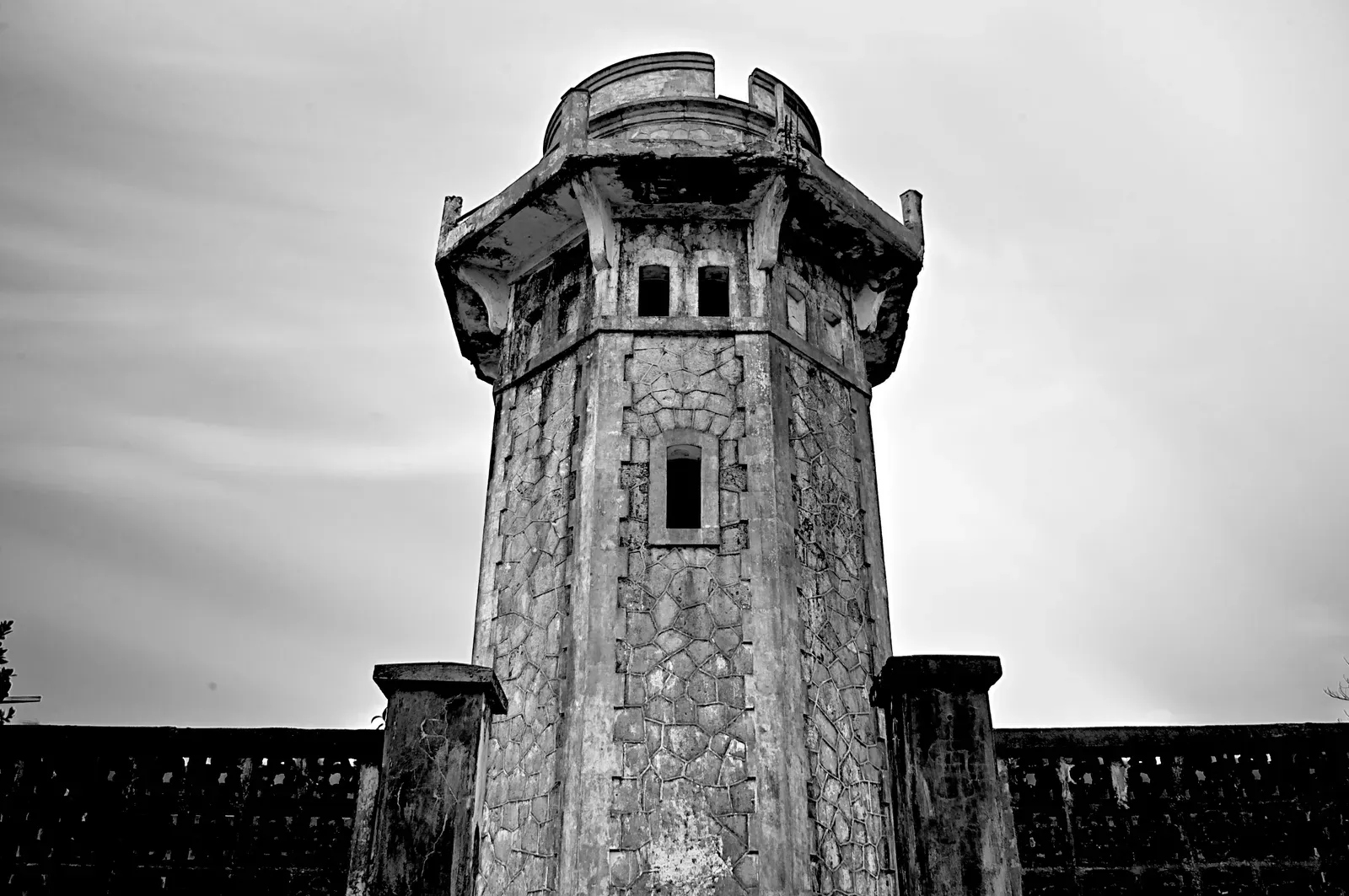
Dennis Lehane’s 2003 novel sends a U.S. marshal to a hospital for the criminally insane in 1954. Martin Scorsese adapted it into a 2010 film, which brought the story to a much wider audience. Both versions leave viewers and readers debating how to interpret the final moments.
The book rewards a second read in an unusual way. Small details that seem like atmosphere turn out to carry weight. It’s short, moody, and hard to put down.
5. The Silent Patient by Alex Michaelides

Released in 2019, this debut thriller centers on a woman who stops speaking after a shocking crime, and the therapist determined to understand why. It became an international bestseller and a fixture of book club lists. Its reputation rests largely on its closing chapters.
Partner offer
Readers tend to split on whether the twist feels earned or a touch too convenient. That split is part of why it’s still talked about. Few thrillers from the last decade have generated such steady debate.
6. Rebecca by Daphne du Maurier

Du Maurier’s 1938 gothic classic opens with one of fiction’s most famous first lines and a narrator who is never named. The title character is already dead, yet she dominates every page. Alfred Hitchcock filmed it in 1940, and it won the Academy Award for Best Picture.
The revelations arrive slowly, and they change how you read the marriage at its center. It’s less a jump scare than a quiet tilt of the floor. Many readers say the book feels different on a reread.
7. Fight Club by Chuck Palahniuk
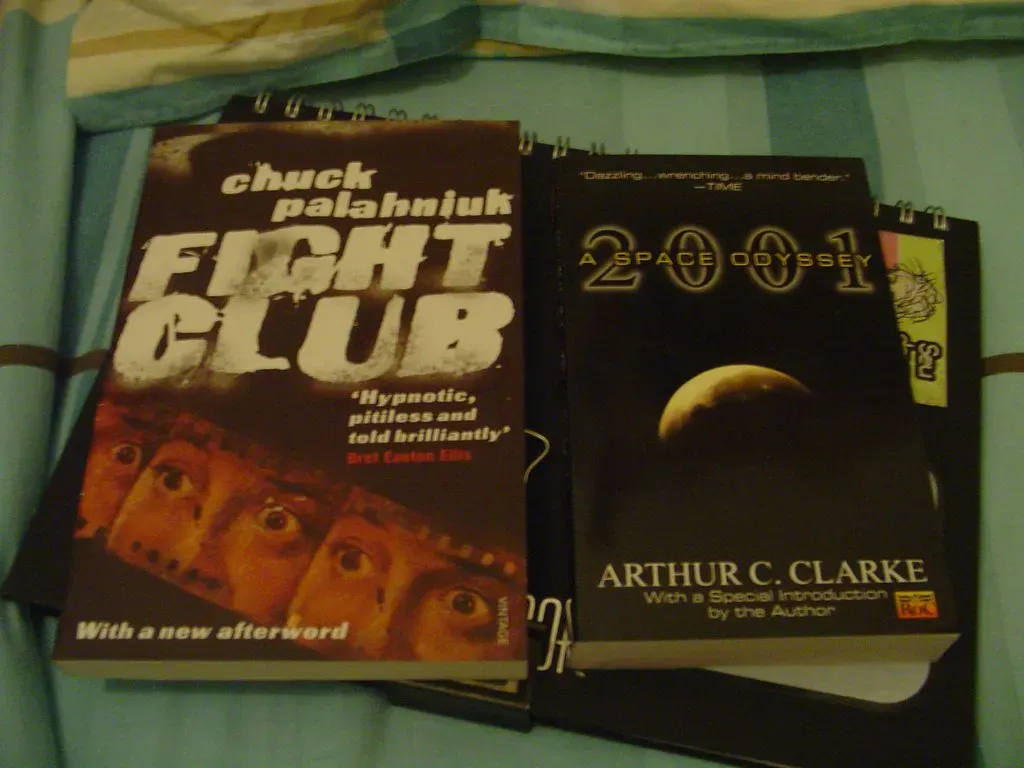
Chuck Palahniuk published this novel in 1996, and David Fincher’s 1999 film adaptation made it a cultural touchstone. Both the book and the movie are known for a late reveal that reframes the narrator’s story. The novel’s version differs from the film in some notable ways.
That difference makes the book worth reading even if you’ve seen the movie. The prose is clipped and darkly funny. Its ideas about identity and masculinity still get argued over today.
8. The Handmaid’s Tale by Margaret Atwood

Margaret Atwood’s 1985 novel is best known for its bleak vision of a near future society. Its final section recasts how the story has been told to us, which surprises many first time readers. Atwood published a sequel, The Testaments, in 2019, which shared the Booker Prize that year.
The closing pages are deliberately open, and that ambiguity fuels discussion. Readers keep asking what the last scene means. It’s a good example of a twist that works through framing rather than shock.
9. Atonement by Ian McEwan
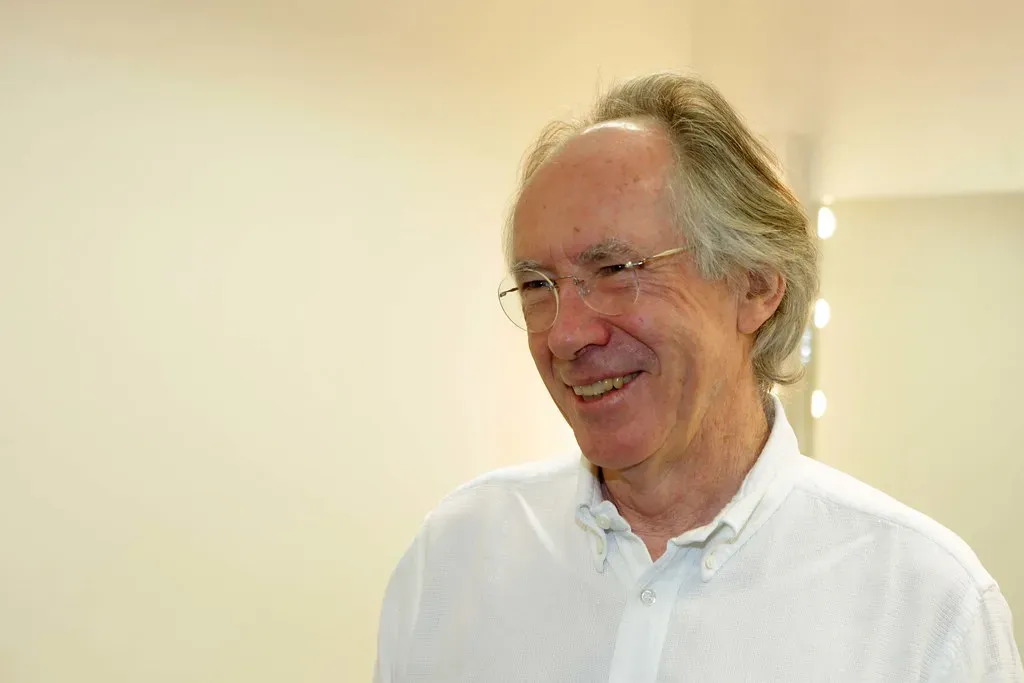
Ian McEwan’s 2001 novel begins on a hot summer day in 1935 and follows a misunderstanding that spreads across decades. Its final section changes how the entire book reads. The 2007 film adaptation, directed by Joe Wright, earned several Academy Award nominations.
The reveal is more emotional than mechanical. It raises questions about storytelling itself and who gets to shape a version of events. Many readers say it hurts in a way they didn’t see coming.
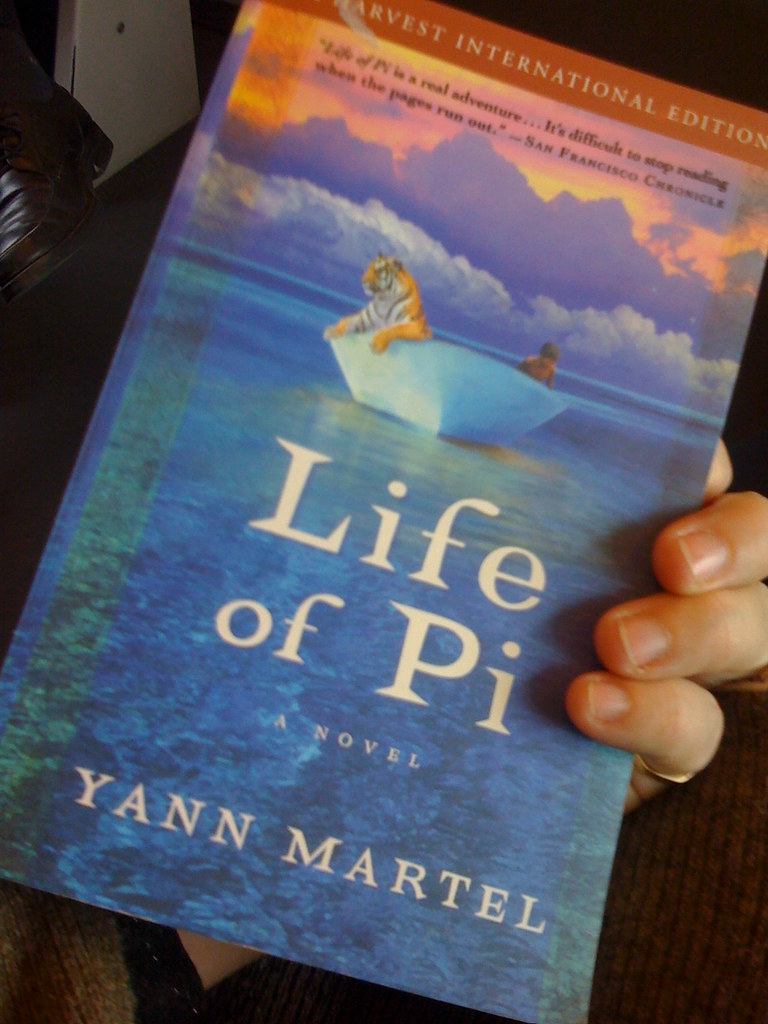
10. Life of Pi by Yann Martel
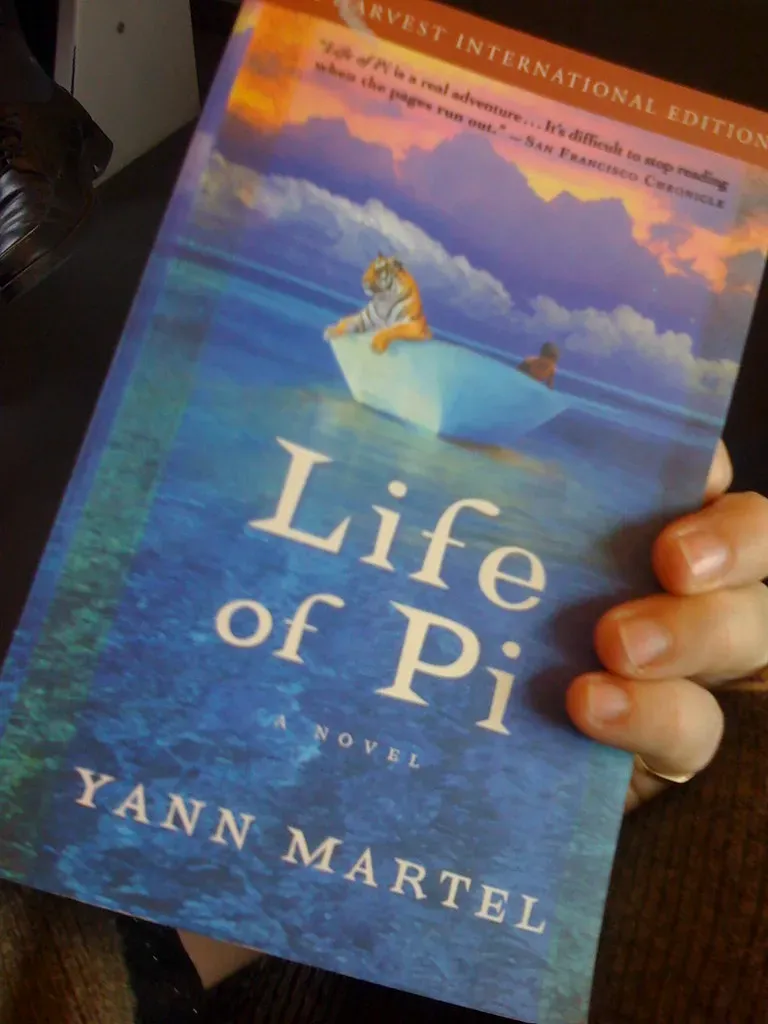
Yann Martel’s 2001 novel won the Booker Prize in 2002. It follows a boy adrift on a lifeboat, and its final chapters invite readers to reconsider what they’ve been told. Ang Lee directed a 2012 film version that won multiple Academy Awards, including Best Director.
The twist here isn’t about a culprit. It’s about belief and which story you choose to accept. Book groups often find it one of the richer novels to argue over.
Partner offer
Planning a trip to Vegas?
Compare hotel rates and show tickets on VEGAS.com.