Some books ask for a month of your evenings. Others fit into a single rainy afternoon, and they often leave a stronger mark for it.
The ten collections below are slim enough to finish in a long session, whether you read them straight through or just in big gulps. They cover different eras and countries, from early twentieth century Dublin to near future America.
Cathedral by Raymond Carver
Published in 1983, Cathedral gathers twelve stories of ordinary people stuck in small, tense moments. Carver wrote in a stripped down style, and his characters often say much less than they mean.
The title story, about a husband and a blind houseguest, is the one most readers remember. The book is compact, so the quiet pressure builds without getting repetitive.
Tenth of December by George Saunders

This 2013 collection holds ten stories, and the last one gives the book its name. Saunders mixes dark comedy with real tenderness, and he often drops his characters into slightly warped versions of corporate or suburban life.
Stories like Escape from Spiderhead and The Semplica Girl Diaries are strange but easy to follow. The pages move fast, which makes the book a natural fit for one sitting.
Interpreter of Maladies by Jhumpa Lahiri
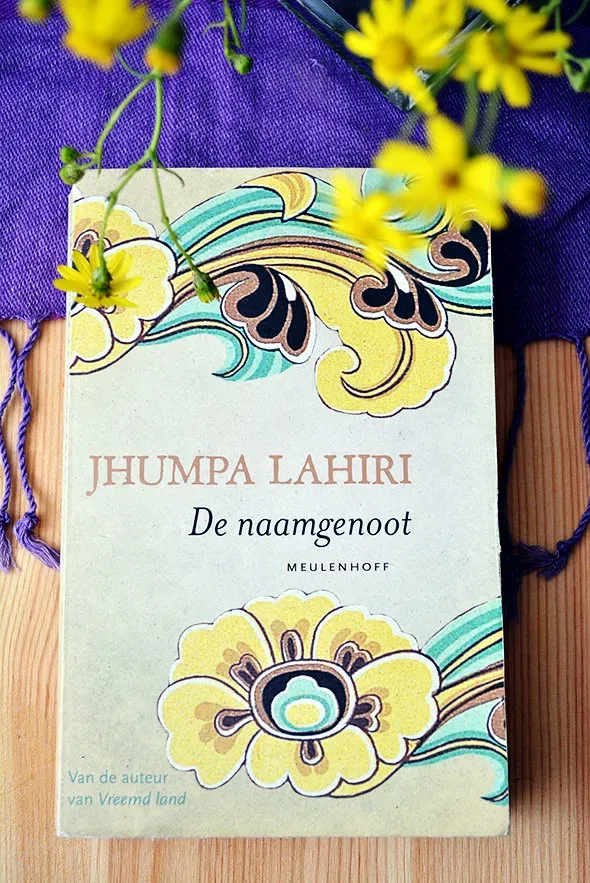
Lahiri’s debut collection, from 1999, contains nine stories about Indian and Indian American lives. It won the Pulitzer Prize for Fiction in 2000, which is rare for a first book.
Her prose is calm and exact, and the emotional weight sits in small gestures. Each story stands alone, yet together they share a patient, observant mood.
Her Body and Other Parties by Carmen Maria Machado

Machado’s 2017 debut has eight stories that blend horror, fantasy and realism. It was a finalist for the National Book Award for Fiction, which brought a lot of attention to its unusual approach.
Many stories look at the way women’s bodies are watched and judged. The tone shifts from eerie to funny to heartbreaking, so the reading never feels flat.
Stories of Your Life and Others by Ted Chiang

Chiang’s first collection, from 2002, includes eight science fiction stories built around big ideas such as language, time and faith. The title story became the basis for the 2016 film Arrival.
He writes few stories, and each is carefully built. Readers who think they don’t like science fiction often find this book an easy way in.
Get in Trouble by Kelly Link

Released in 2015, this collection of nine stories mixes the fantastic with everyday awkwardness. It was a finalist for the Pulitzer Prize for Fiction.
Link’s worlds can include ghosts, superheroes and strange houses, but the characters feel believable. The book rewards a single long read because its odd moods carry from one story to the next.
Ficciones by Jorge Luis Borges

First published in 1944, Ficciones is made up of two parts, The Garden of Forking Paths and Artifices. Borges packed in libraries without end, imaginary books and puzzles about reality, all in very short pieces.
The stories are dense, but they are brief. Reading them together lets you see how one mind kept circling the same enormous questions.
Dubliners by James Joyce
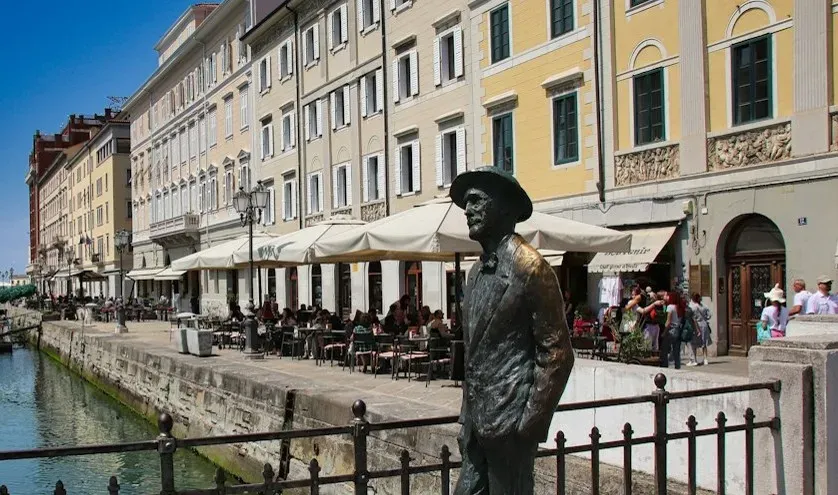
Joyce’s 1914 book contains fifteen stories about city life in Ireland, arranged roughly from childhood to public life. It is quieter and more approachable than his later novels.
The closing story, The Dead, is often counted among the finest in English. Reading the whole book in one go makes the slow, cumulative portrait of a city easier to feel.
The Thing Around Your Neck by Chimamanda Ngozi Adichie
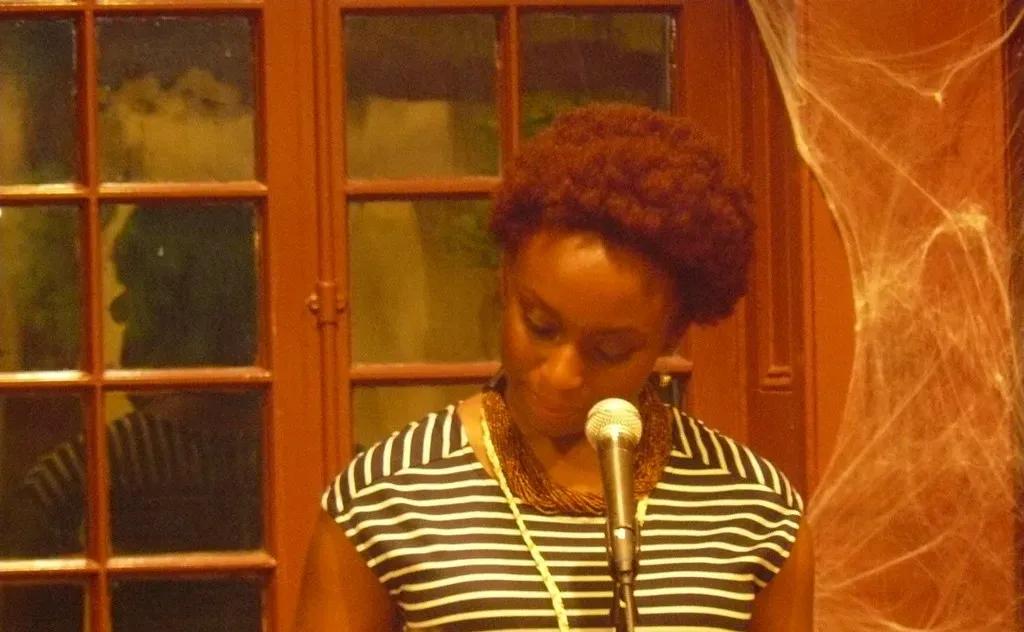
This 2009 collection offers twelve stories set in Nigeria and the United States. Adichie writes about family, migration, class and the gap between how people see themselves and how others see them.
Her style is clear and warm, with sharp turns when you least expect them. The stories read quickly, yet they linger long after the last page.
Friday Black by Nana Kwame Adjei-Brenyah

Published in 2018, Friday Black has twelve stories that use satire and speculative settings to look at race, consumerism and violence in America. The opening story, set in a shopping mall during a sale, shows the book’s tone right away.
The writing is fast and often unsettling. Because the stories feed off each other’s anger and humor, they work well when read in a single stretch.