The Oscars for Best Picture and Best Director usually travel together. Of the 98 films that have won Best Picture, 71 have also been awarded Best Director. That’s a strong overlap, which makes the exceptions worth a closer look.
A film winning the top prize while its director isn’t even on the ballot is far rarer than a split between the two awards. Strictly speaking, only six films have managed it, so the last two entries below are the nearest neighbors: Best Picture winners whose directors were nominated but lost. They’re included to show how close the two categories can come to parting ways.
Wings (1927/28)

Wings took the very first Best Picture prize. The award debuted on May 16, 1929, for films of the 1927/28 season. Its director, William Wellman, wasn’t nominated for directing.
That first ceremony split the directing honors into two categories. Frank Borzage won for 7th Heaven and Lewis Milestone for Two Arabian Knights. So the film that opened the Best Picture record also opened the list of directing snubs.
Grand Hotel (1931/32)
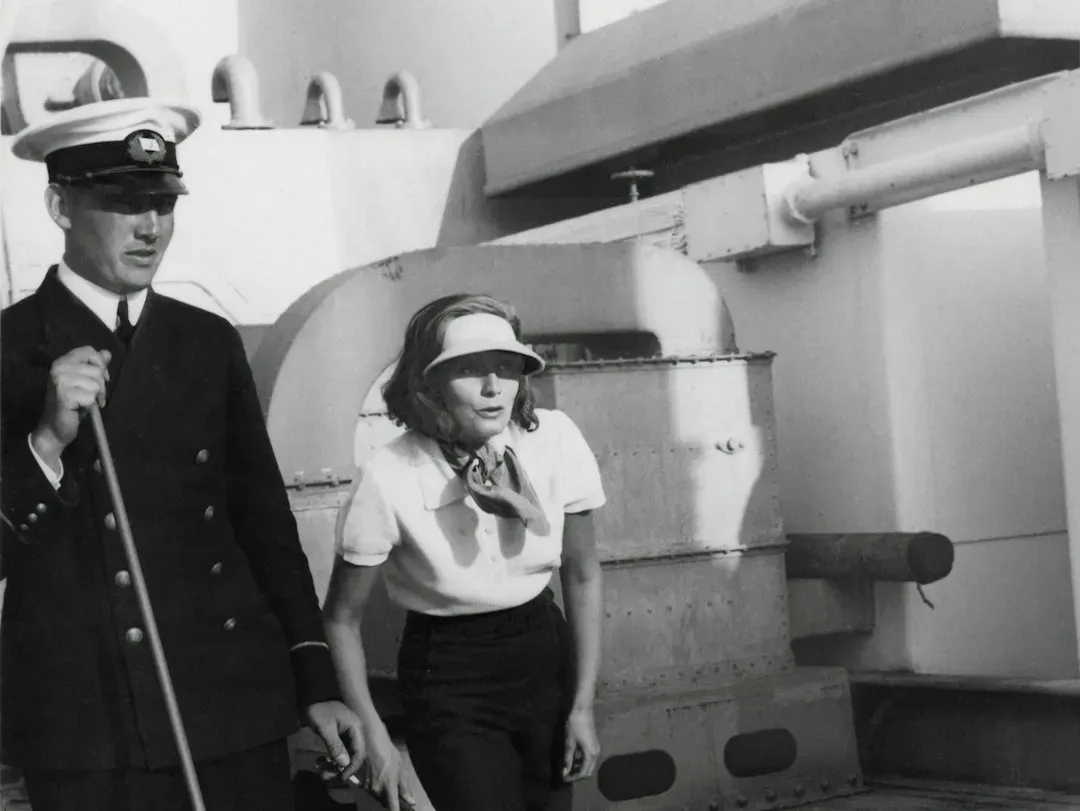
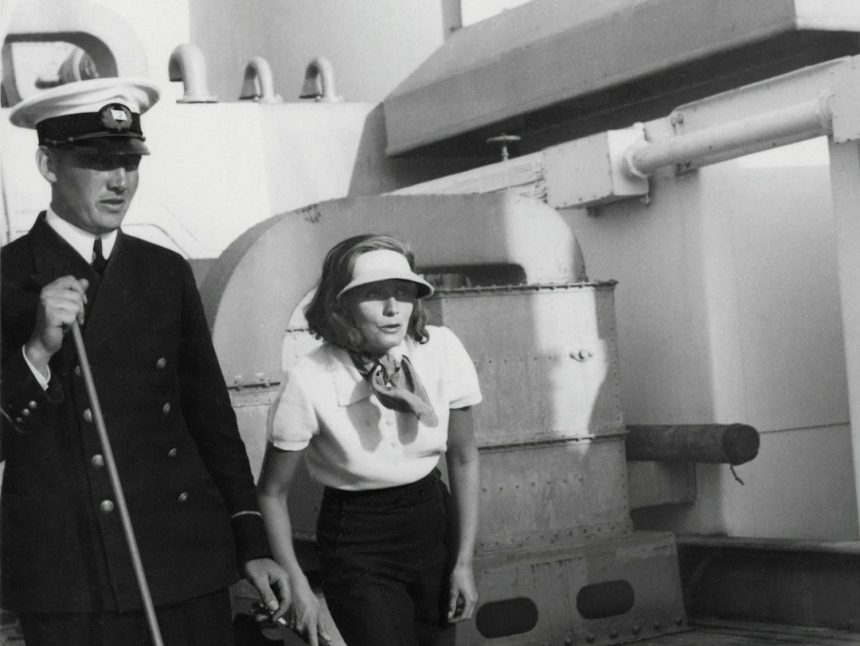
Grand Hotel is a drama about a mix of guests at a luxury hotel in Berlin. Its cast included Greta Garbo and Joan Crawford, and Edmund Goulding directed. Goulding didn’t receive a directing nomination.
It’s an odd winner in other ways too. It’s one of the very few films to win Best Picture without any acting nominations. The directing award that year went to Frank Borzage for Bad Girl.
Driving Miss Daisy (1989)

Driving Miss Daisy followed Grand Hotel as the third film to pull this off, after a gap of decades. Bruce Beresford directed it and wasn’t nominated for Best Director. The film’s modest scale and gentle tone made the omission feel especially noticeable.
The directing Oscar that year went to Oliver Stone for Born on the Fourth of July. Driving Miss Daisy also marked the start of a long wait. Argo was the first film to win Best Picture without its director nominated since Driving Miss Daisy.
Argo (2012)

Ben Affleck directed and starred in Argo, a thriller based on a CIA rescue operation during the Iran hostage crisis. His directing wasn’t nominated, though the film still took the top prize. It was the fourth film to win Best Picture without a directing nomination, after Wings, Grand Hotel and Driving Miss Daisy.
Argo won three awards in all. As a co-producer, George Clooney became the third person to win Oscars for both acting and producing. Ang Lee took the directing award that night for Life of Pi.
Green Book (2018)

Green Book is a road drama about a pianist and his driver in the 1960s American South. Peter Farrelly directed it, and he wasn’t among the nominees for Best Director. The film won three Oscars: Best Picture, Best Supporting Actor for Mahershala Ali, and Best Original Screenplay.
Alfonso Cuarón won the directing prize for Roma at the same ceremony. Green Book’s win drew criticism and debate, and it remains one of the more divisive Best Picture results. It’s also the fifth film on the strict list, and only the second in the 2010s.
CODA (2021)

CODA became the sixth and, as of the most recent ceremonies, the latest film to win Best Picture without a directing nomination. Siân Heder wrote and directed it, and the Academy left her out of the directing category. Its win was described as surprising but refreshing, coming as the COVID-19 panic was barely dying down.
The film also won for Troy Kotsur’s supporting performance and for its adapted screenplay. Jane Campion won Best Director that year for The Power of the Dog. The 2026 ceremony didn’t extend the list, because the director of the Best Picture winner One Battle After Another was nominated and won.
Crash (2005), the Near Miss
Crash is the first of the two close calls. Paul Haggis directed it and was nominated for Best Director, so it doesn’t belong on the strict list. Ang Lee won Best Director for Brokeback Mountain while Crash took Best Picture.
It’s still a useful comparison. A nomination meant Haggis was at least recognized in the category, which is the one thing the six films above never got. The two awards split, but they didn’t ignore the same filmmaker.
Chicago (2002), the Near Miss

Chicago is the second near miss. Rob Marshall was nominated for directing the musical, which then won Best Picture. Roman Polanski won Best Director for The Pianist that year.
Like Crash, it shows the usual way these awards diverge: a nominated director loses to another filmmaker. Skipping the director’s nomination altogether, as with Wings, Grand Hotel, Driving Miss Daisy, Argo, Green Book and CODA, remains much less common.