Music and painting seem to work in different rooms. One plays through headphones, and the other hangs quietly on a gallery wall. Songwriters have been wandering between those rooms for a long time, though.
Some borrow a title, some borrow a mood, and a few build a whole song around a single canvas. The ten tracks below each trace back to a specific painting or artwork, and the gallery notes explain why the link holds up.
Vincent by Don McLean and The Starry Night
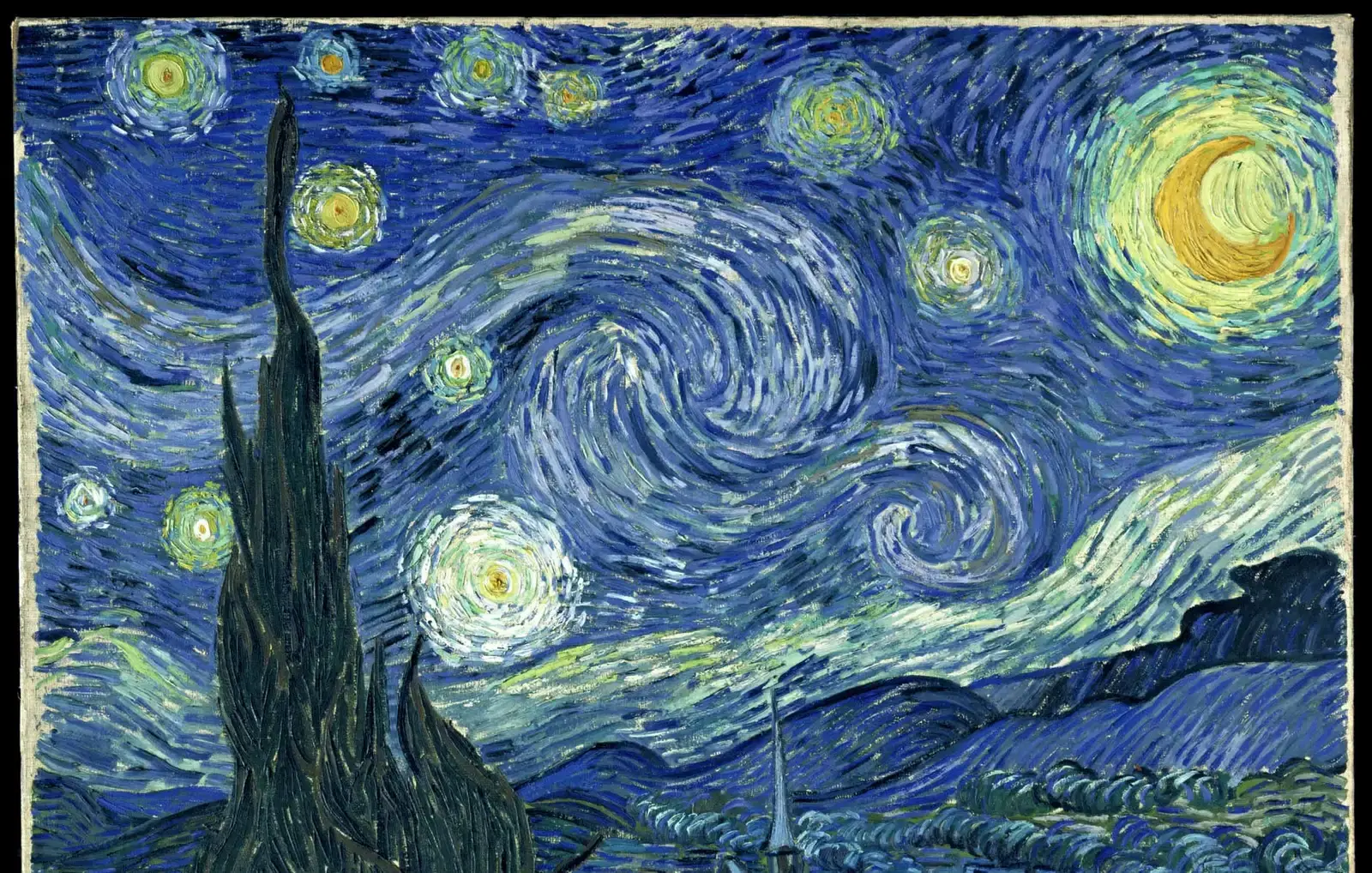
McLean wrote the song in 1971 after reading a biography of Van Gogh and feeling moved by the artist’s story. Its opening refrain points straight at The Starry Night, the swirling sky Van Gogh painted in 1889 and now shown at the Museum of Modern Art in New York. Many describe the song as a tribute to that artwork.
The lyrics move beyond the canvas into the painter’s life. They sketch Van Gogh’s struggles with mental illness and the beauty he saw around him. Because of that, the song works as portrait and landscape at once.
Mona Lisa by Nat King Cole
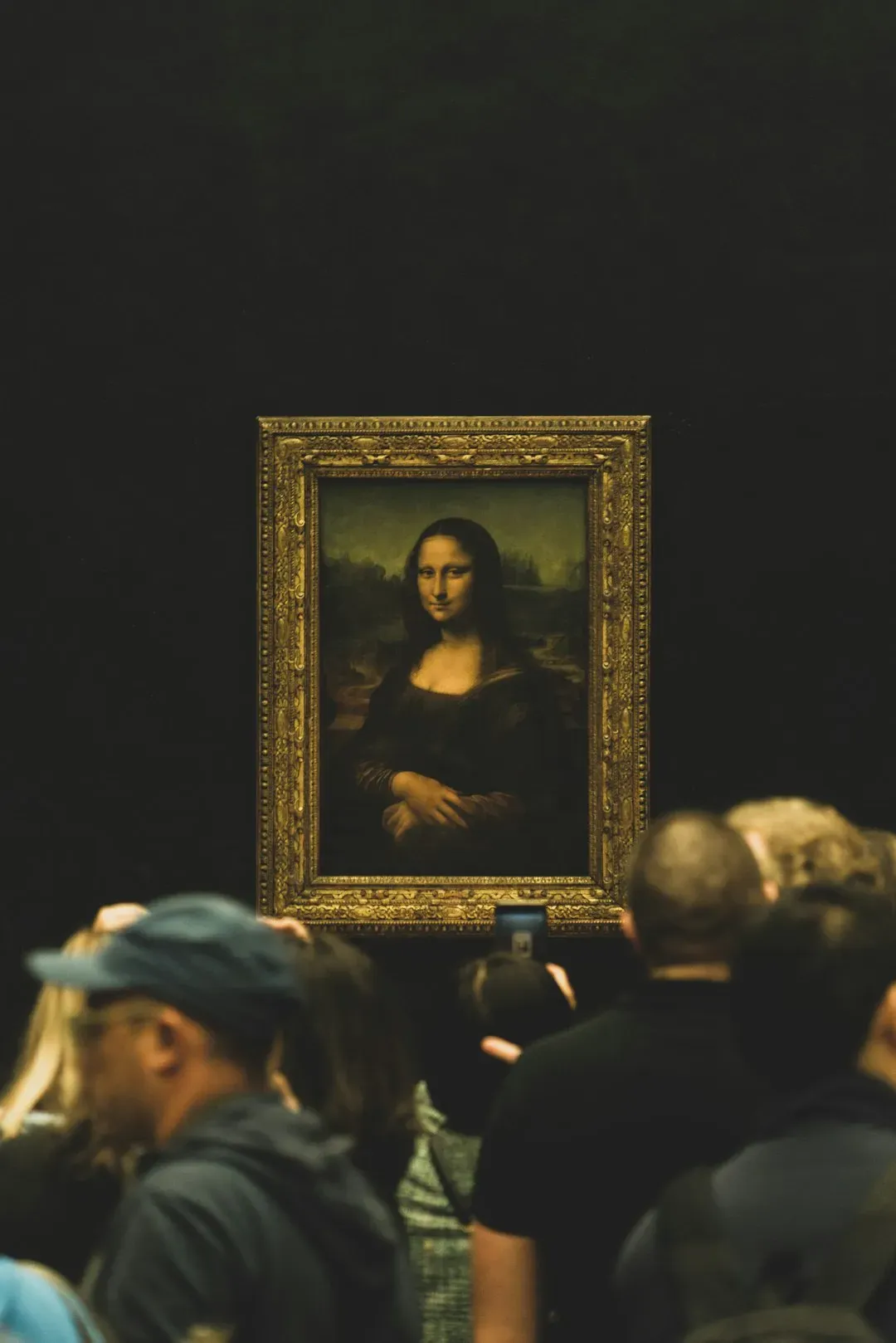
Leonardo da Vinci’s portrait hangs in the Louvre in Paris, and few paintings have been stared at more. Mona Lisa ponders the mysterious smile of the woman in the painting. The song asks whether that smile hides warmth or distance, and never settles the question.
Nat King Cole recorded it in 1950. It won the Academy Award for Best Original Song that year. Few pop songs have stuck so closely to one specific work of art.
Viva la Vida by Coldplay and Frida Kahlo

The title is Spanish for the life lives, and it was inspired by a painting of that name by Mexican artist Frida Kahlo. She painted it shortly before her death in 1954, and Chris Martin was reportedly more drawn to her strength than to the image itself. The still life shows cut watermelons, and the phrase is painted right across the fruit.
There’s a second artwork in the mix. The album’s concept art and the music video drew on Delacroix’s Liberty Guiding the People. So one record ended up carrying the spirit of two very different paintings.
Venus by Lady Gaga and The Birth of Venus

Sandro Botticelli’s painting, made in Florence in the 1480s, shows the goddess arriving on a shell. Lady Gaga’s song Venus, from her 2013 album Artpop, was inspired by her love for that painting. The album as a whole is built around art, with a cover made by Jeff Koons.
The link here is more playful than reverent. One account says the song grew from her wish to dance whenever she heard the goddess’s name. It treats a Renaissance icon as a springboard for pop imagery.
An Architect’s Dream by Kate Bush and Thomas Cole
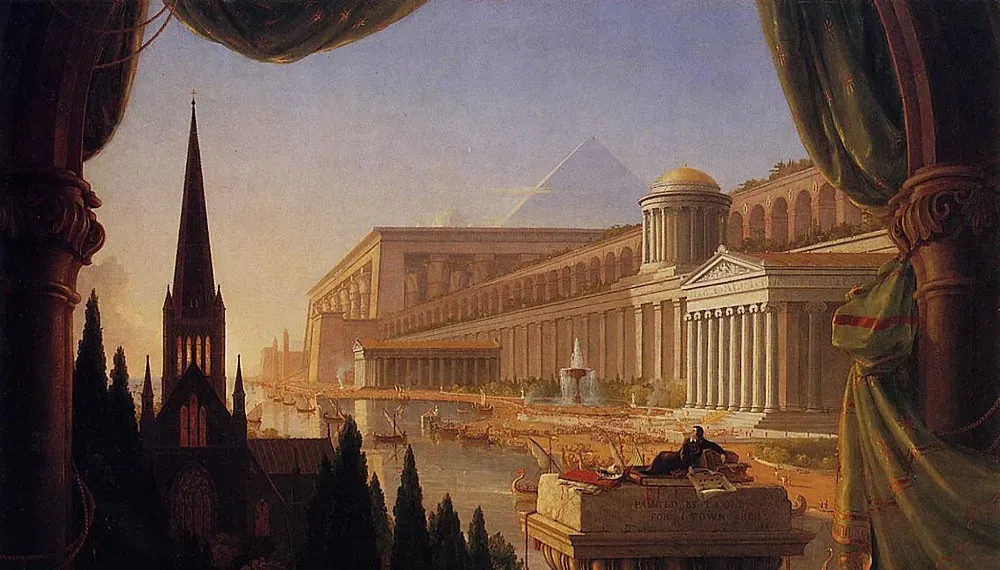
Thomas Cole painted The Architect’s Dream in 1840. It shows a figure reclining on a giant column while a vast imagined city of temples and towers fills the scene. Kate Bush took the title for a song inspired by the painting.
The track appears on her 1982 album The Dreaming. It weaves a poetic scene of an artist at work. Listeners get less a description of the canvas than a feeling for the obsession behind making something huge.
16 Shades of Blue by Tori Amos and Cézanne

Tori Amos wrote this song after Paul Cézanne’s The Black Marble Clock. The picture is a still life of a dark mantel clock beside a cup and a few small objects. A stopped, silent clock makes a fitting symbol for a song that is partly about time.
One account says the song came after Amos discovered Cézanne’s work about a year earlier. She’d been a lifelong art lover, and the track appears on her 2017 album Native Invader. The result is a song that treats a quiet domestic painting as a way into big feelings about aging.
The Calling by The Killers and Caravaggio
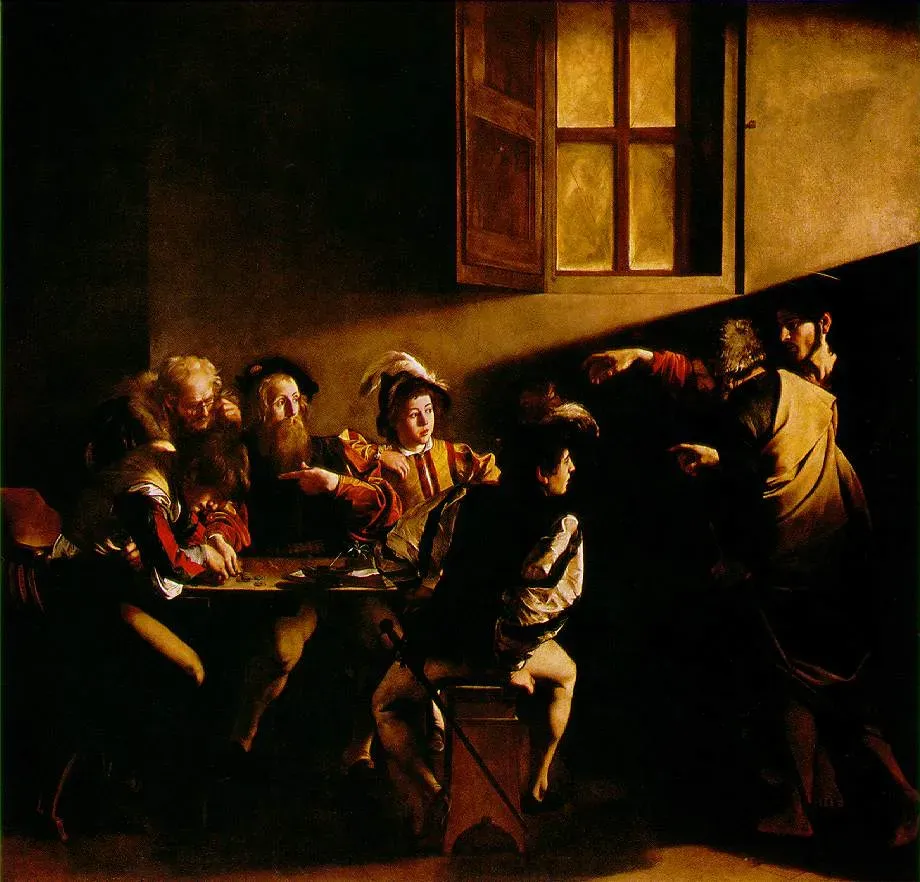
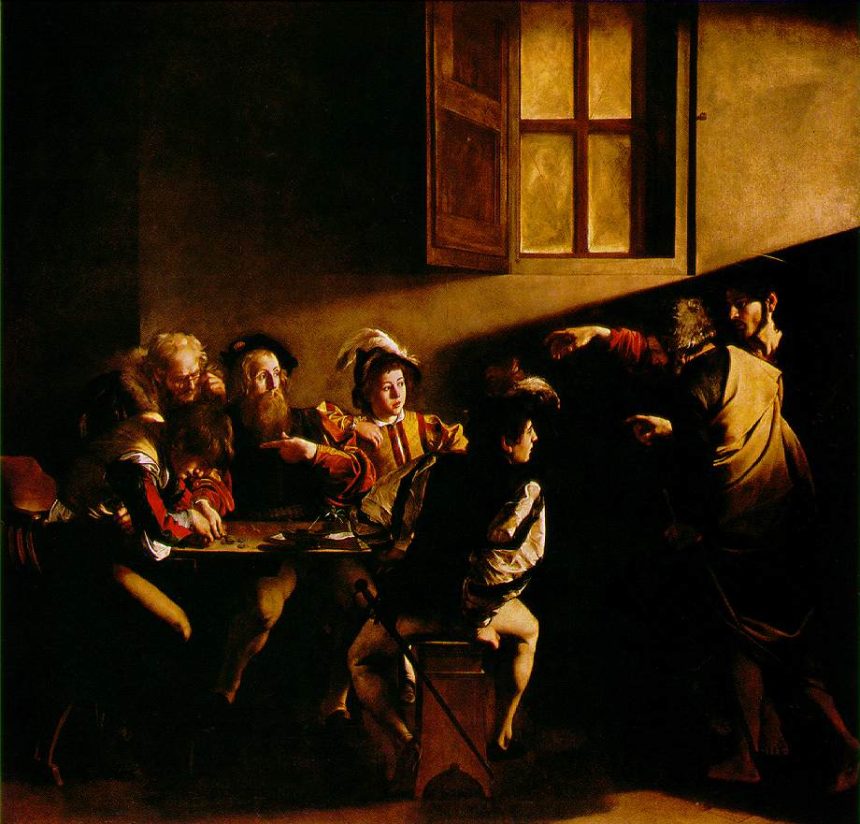
The Killers’ song The Calling was inspired by Caravaggio’s The Calling of St. Matthew. The painting hangs in the Contarelli Chapel of San Luigi dei Francesi in Rome, where a shaft of light cuts across a dim room. That drama of light and shadow is the painter’s trademark.
The song appears on the band’s 2017 album Wonderful Wonderful. It borrows the painting’s sense of a sudden summons, a moment when a life changes direction. Few rock tracks reach back to Baroque Italy for their subject, which makes this one memorable.
Fourteen Black Paintings by Peter Gabriel and the Rothko Chapel
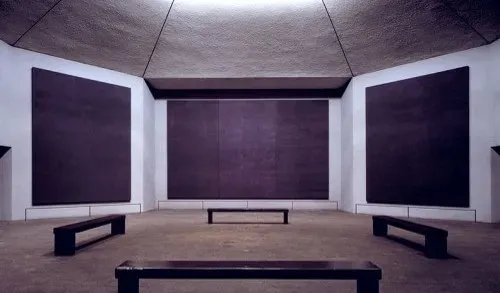
This one is an instrumental, so the inspiration lives entirely in the sound. Peter Gabriel’s Fourteen Black Paintings was inspired by the collection in the Rothko Chapel. The chapel in Houston holds fourteen large, dark canvases by Mark Rothko and is open to visitors of any faith.
Rothko’s panels are almost wordless, deep purples and blacks that reward long looking. A slow, spacious piece suits them better than a lyric would. The music asks you to sit still, much like the room does.
Night Windows by The Weakerthans and Edward Hopper

The Weakerthans’ Night Windows evokes the imagery of Edward Hopper’s paintings, particularly his famous work Nighthawks. Hopper painted Nighthawks in 1942, and it hangs at the Art Institute of Chicago. It shows a few strangers in a lit diner at night, each lost in thought.
The song carries that same loneliness. It watches lit windows in the dark and wonders about the lives behind them. Hopper’s city never lets anyone quite connect, and the song understands that well.
Pictures at an Exhibition by Emerson, Lake and Palmer

Modest Mussorgsky composed Pictures at an Exhibition in 1874 after seeing works by his late friend Viktor Hartmann. The piece is divided into movements that mirror walking through an art gallery. Strictly speaking it’s a piano suite rather than a song, but its structure makes it a natural fit for this list.
Emerson, Lake and Palmer gave it a rock treatment in the early 1970s, with synthesizers and drums standing in for the original piano. Between the movements, a recurring promenade theme acts as the listener’s footsteps from picture to picture. It remains one of the clearest musical imitations of a gallery visit.