There’s a particular kind of embarrassment that comes with singing a song confidently, only to have someone point out you’ve had the words completely wrong for years. It’s surprisingly common. Misheard song lyrics – also known as “mondegreens” – are a common occurrence, even on some of the most famous tracks. The word itself has a quietly charming origin: the American writer Sylvia Wright coined the term in 1954, recalling a childhood memory of her mother reading the Scottish ballad “The Bonnie Earl o’ Moray,” and mishearing the words “laid him on the green” as “Lady Mondegreen.”
What makes these slip-ups so universal is the way our brains process sound. The creation of mondegreens may be driven in part by cognitive dissonance, as the listener finds it psychologically uncomfortable to listen to a song and not make out the words. Steven Connor suggests that mondegreens are the result of the brain’s constant attempts to make sense of the world by making assumptions to fill in the gaps when it cannot clearly determine what it is hearing. The ten songs below are among the most reliably misunderstood in popular music.
1. Jimi Hendrix – “Purple Haze” (1967): Kiss the Sky, Not the Guy

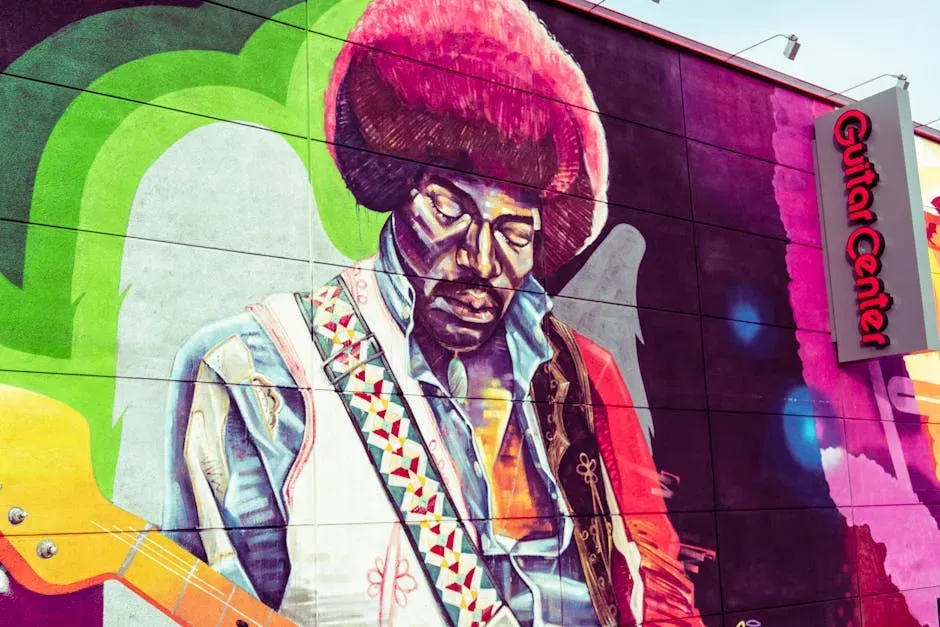
Probably the most infamous mishearing of a lyric would have to be Jimi Hendrix’s “Purple Haze.” The line in question is “Excuse me while I kiss the sky,” but enormous numbers of listeners have always heard something rather different. Instead of singing “Excuse me while I kiss the sky,” some people hear the artist say “Excuse me while I kiss this guy.”
It makes sense: people are more accustomed to hearing someone talking about kissing some guy, less so the entire sky. The mishearing became so widespread that Hendrix reportedly embraced it, sometimes pointing to his bandmates mid-performance when he delivered the line. One may be more likely to hear Jimi Hendrix singing that he is about to kiss this guy than that he is about to kiss the sky – a textbook example of the brain defaulting to the more familiar phrase.
2. Nirvana – “Smells Like Teen Spirit” (1991): Entertain Us, Not “In Containers”


A commonly cited example of a song susceptible to mondegreens is Nirvana’s “Smells Like Teen Spirit,” with the line “here we are now, entertain us” variously being misinterpreted as “here we are now, in containers” and “here we are now, hot potatoes,” among other renditions. The sheer volume of wrong versions is almost impressive. When Nevermind was released, the liner notes did not include an official version of the lyrics. Couple that with Kurt Cobain’s gnarled, gritty vocals and you’ve got the recipe for one of the most frequently misheard songs of all time.
The actual line is a deceptively simple one. Kurt Cobain used to say “here we are now, entertain us” when arriving at house parties. He turned a casual icebreaker into one of the defining lines of nineties rock – which is a good deal more poetic than a lyric about shipping containers. In the 2006 VH1 UK poll “The Nation’s Favourite Lyric,” the hook “I feel stupid and contagious / Here we are now, entertain us” was ranked the third-favorite lyric by over 13,000 voters.
3. Taylor Swift – “Blank Space” (2014): Ex-Lovers, Not Starbucks Lovers

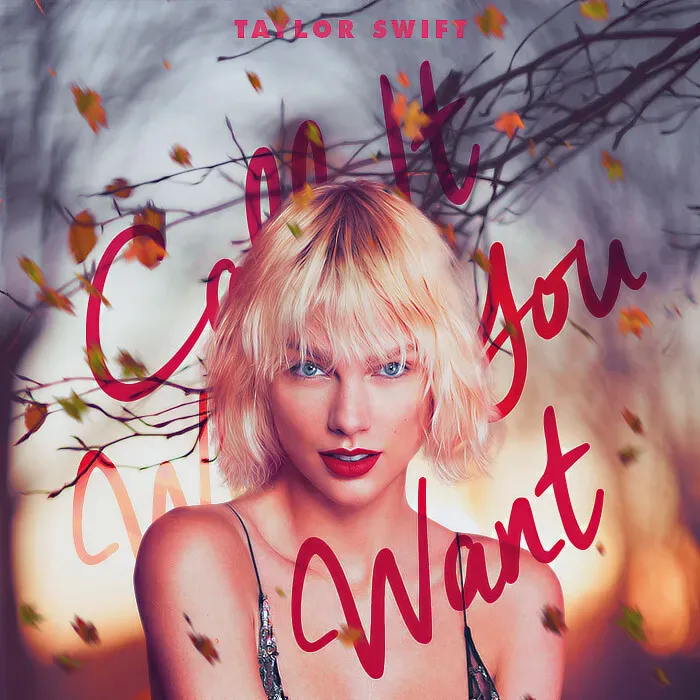
After the song’s release, the ending of the line “Got a long list of ex-lovers” was misheard by some audiences as “Starbucks lovers,” which prompted internet discussions including a response from Starbucks themselves. The misheard version spread so far that it developed an almost independent cultural life. Taylor Swift fans misheard this lyric so frequently that the singer poked fun at her own song on Valentine’s Day in 2015. In a now-deleted tweet, she wrote: “Sending my love to all the lonely Starbucks lovers out there this Valentine’s Day… even though that is not the correct lyric.”
In the United States, “Blank Space” spent seven weeks atop the Billboard Hot 100 and was certified eight times platinum by the Recording Industry Association of America. That’s an enormous number of people hearing the same song – which may help explain why the Starbucks version spread so efficiently. As linguist Mark Liberman explained, “there’s a piece of what we understand that comes from the sound that comes in our ear,” but another piece of our understanding comes from our minds and our expectations.
4. Elton John – “Tiny Dancer” (1971): Tiny Dancer, Not Tony Danza

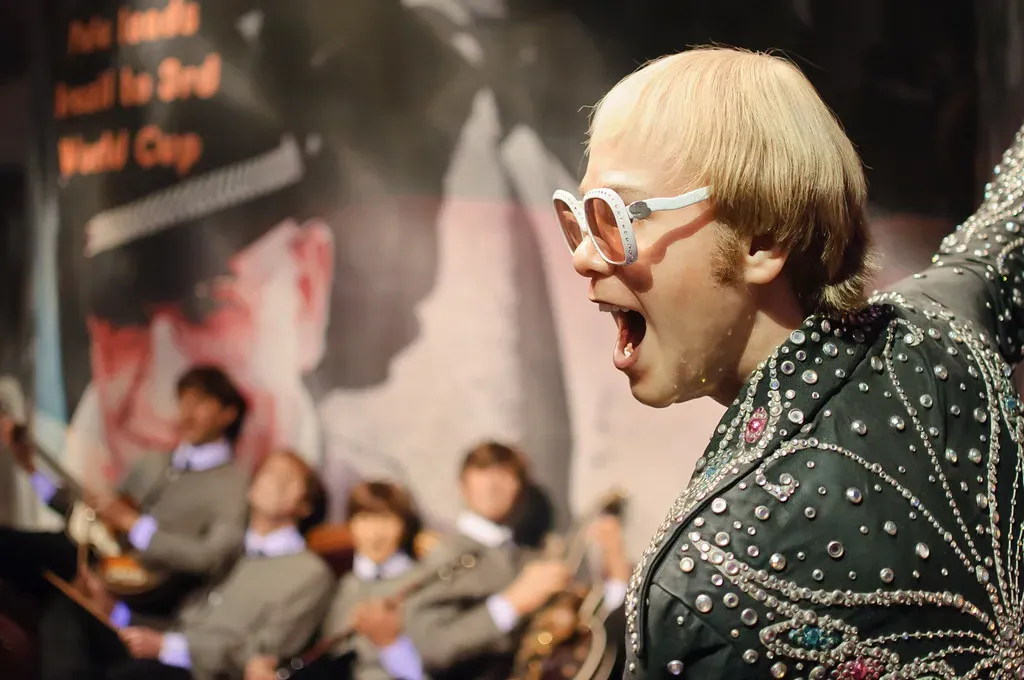
One of the most frequently misheard lyrics, the Elton John blooper “Hold me closer, Tony Danza” instead of “Hold me closer, tiny dancer” has spawned a life of its own. The sitcom star Tony Danza had nothing to do with it. Coming in as one of the most famously misheard artists, you can chalk this up largely to Americans, who believed the opening track on John’s 1971 album Madman Across the Water was really an ode to the sitcom star.
The mishearing gained extra cultural momentum over the years. A 2024 analysis lists Elton John as the most frequently misunderstood musician of all time, with more than 2,500 reports of misheard lyrics. “Tiny Dancer” alone accounts for a significant portion of those reports, largely because “Tony Danza” sounds plausible enough in the melody that the brain locks in and refuses to let go.
5. Manfred Mann’s Earth Band – “Blinded by the Light” (1976): Revved Up Like a Deuce


Taking the crown as the most misunderstood song is “Blinded by the Light” by Manfred Mann, released in 1976. Despite its relatively slow pace of 80 words per minute, this rock classic ranks as the least readable in one analysis, with a lyric readability score of just 85. The specific culprit is the opening line, which Bruce Springsteen originally wrote. The song’s opening line, “Blinded by the light, revved up like a deuce, another runner in the night,” is often misheard as “wrapped up like a douche when you’re rollin’ in the night.”
The word “deuce” here refers to a 1932 Ford hot rod, a piece of automotive slang that has largely vanished from everyday speech. Bruce Springsteen’s hot rod reference “revved up like a deuce” became the infamous “wrapped up like a douche” – a mishearing that has been called the most misheard lyric of all time, proving that automotive slang from the 1950s doesn’t translate well to modern ears. Even AI transcription tools struggle with it: when put to the test, AI only accurately transcribed 63% of its lyrics.
6. The Beatles – “I Want to Hold Your Hand” (1963): “I Can’t Hide,” Not “I Get High”
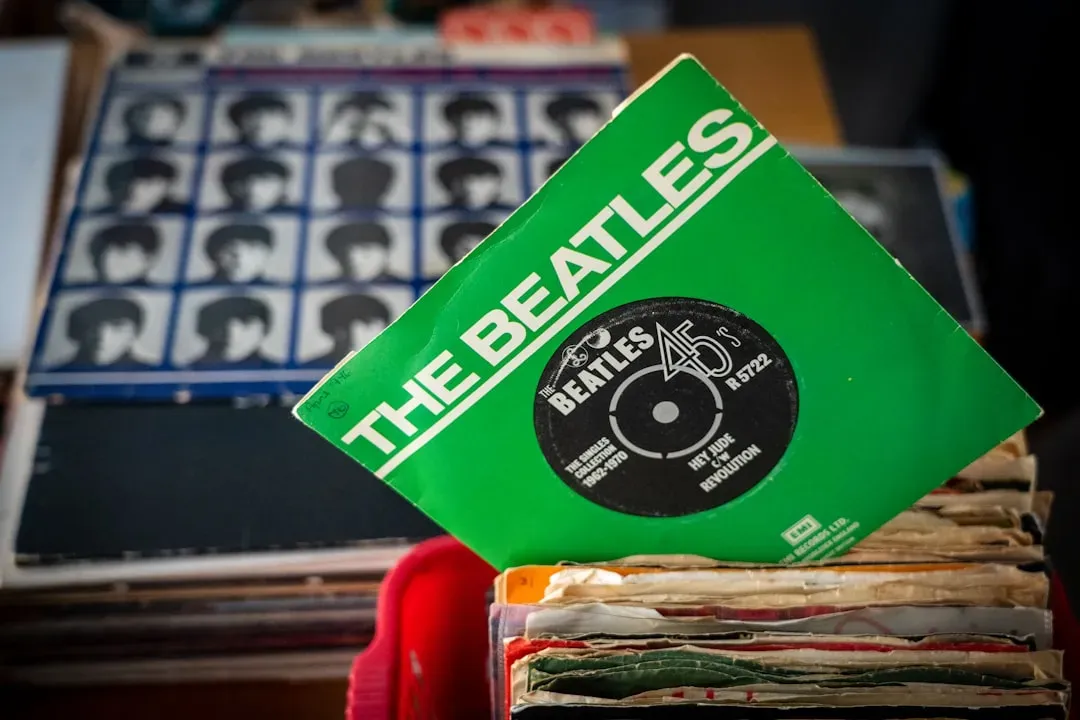
The bit where the Beatles sing “I can’t hide” in “I Want to Hold Your Hand” was often confused for “I get high.” The mix-up is understandable given the era, when audiences were primed to hear drug references in rock music. So often, in fact, that even Bob Dylan, famous for his own muddled enunciation, reportedly thought the lyric was “I get high.”
The original line is part of a straightforward declaration of infatuation, not a coded invitation to recreational drug use. There is an entirely separate list that could be made of 1960s songs that were incorrectly assumed to be drug references. In this case, two words that sound nearly identical at speed, layered under dense harmonies and excitement, were all it took to rewrite the song in millions of listeners’ minds.
7. Bon Jovi – “Livin’ on a Prayer” (1986): Make It, Not Naked

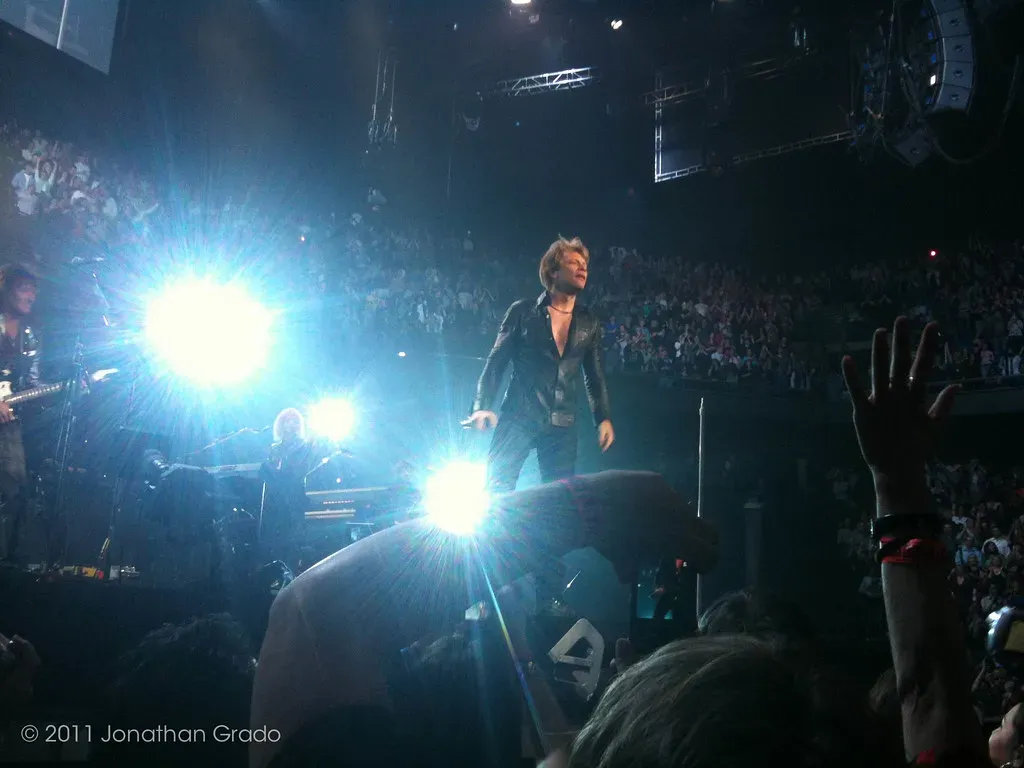
Bon Jovi’s 1986 anthem is one of the most-sung songs at karaoke bars around the world, which makes it all the more remarkable that a core lyric is regularly mangled. While it is often misheard as “It doesn’t make a difference if we’re naked or not,” the correct lyric is “It doesn’t make a difference if we make it or not.” The misheard version introduces a dramatically different atmosphere to what is otherwise a working-class love song.
The song has remarkable staying power. Originally, Jon Bon Jovi didn’t think that “Livin’ on a Prayer” was up to the same standard as the rest of the band’s work, and intended to leave the track off of their third album “Slippery When Wet.” The group convinced him to include it, and in 2013 the track was certified by the RIAA as three-times multi-platinum. Countless people have been singing the wrong version of it ever since.
8. Creedence Clearwater Revival – “Bad Moon Rising” (1969): Bad Moon, Not Bathroom

This one is almost too good to correct. The actual lyric is “There’s a bad moon on the rise” – a portent of doom set against a deceptively sunny melody. What many people hear instead is “There’s a bathroom on the right.” When Creedence Clearwater Revival’s “There’s a bad moon on the rise” reaches your ears through compressed audio or background noise, your mind hears “bathroom on the right” because that phrase fits your everyday experience better than apocalyptic imagery. This cognitive shortcut explains why your brain wants lyrics that connect to your world.
Jimi Hendrix and John Fogerty also embraced and sang their own mondegreens. Fogerty famously performed the bathroom version live on multiple occasions, playing along with the audience’s collective mishearing. One fan saw John Fogerty in Portland, Oregon, and during “Bad Moon Rising,” he sang the “bathroom on the right” lyrics – everyone got a big kick out of it, including Fogerty.
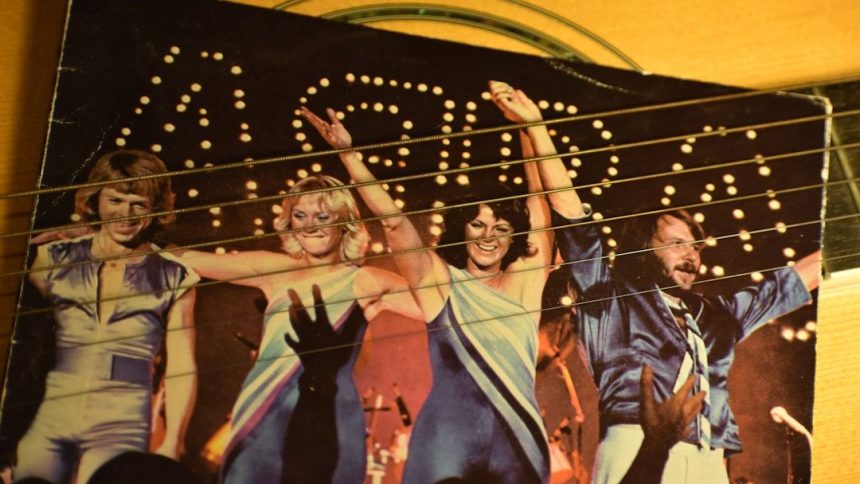
9. ABBA – “Dancing Queen” (1976): Tambourine, Not Tangerine
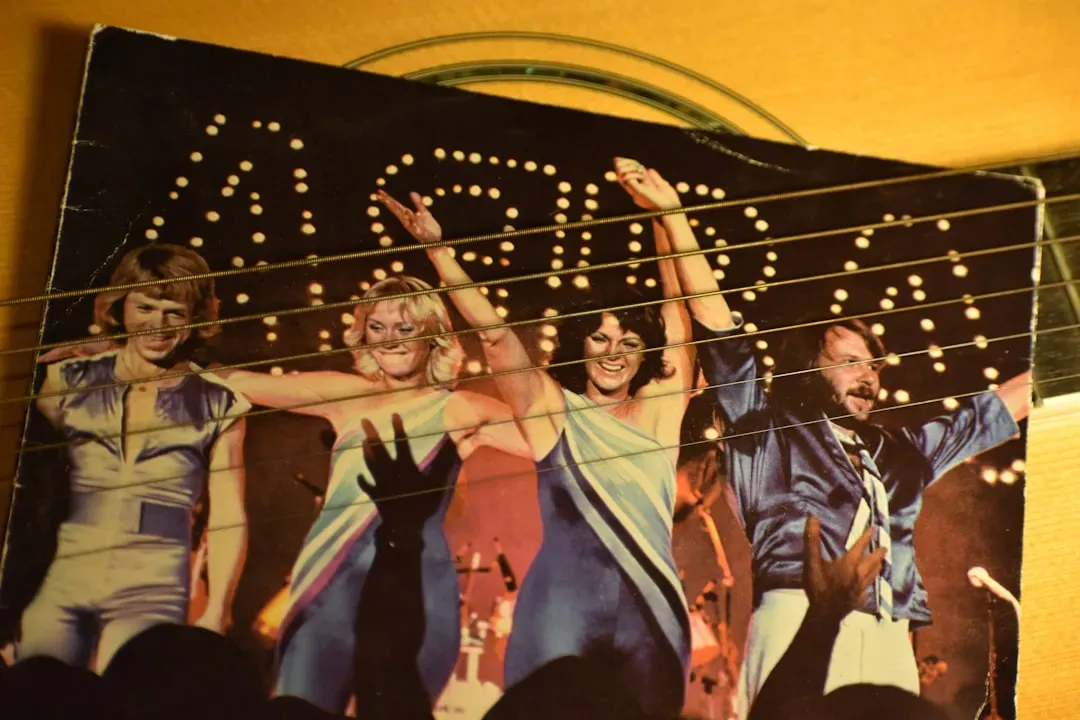
There’s nothing to suggest ABBA is against citrus fruits, but the lyric to “Dancing Queen” is not “feel the beat on the tangerine” – it’s “feel the beat from the tambourine.” The two words share enough phonetic overlap that the swap happens almost effortlessly, especially when the song is playing at full volume at a wedding reception. Another commonly misheard version turns the chorus into something more alarming: “See that girl, watch her scream, kicking the dancing queen,” when the correct line is “See that girl, watch that scene, digging the dancing queen.”
“Dancing Queen” has been a staple of pop culture since its release, which means generations of listeners have reinforced each other’s wrong version. It’s possible that the Swedish pop superstars were huge fans of the martial arts action star Jackie Chan, but it’s unlikely they knew about him in 1977 when they wrote “Take a Chance on Me” – another ABBA track that has generated its own share of mishearings, showing the band has a particular gift for phonetically slippery lyrics.
10. The Kingsmen – “Louie Louie” (1963): The Song That Fooled the FBI
“Louie Louie” is probably music’s most notoriously misheard song, so much so that its lyrics sparked their share of controversy in the early 1960s. The words – flowing lackadaisically from The Kingsmen’s garbled jaws – were thought to be obscene and caused several government agencies, even the FBI, to launch an investigation into what those no-good rockers were poisoning teenagers with. The investigation found nothing.
The words the pearl-clutching powers that be claimed the band was slurring were assumed to be explicit, but they were actually singing innocent lines about a sailor dreaming of a girl and smelling the rose in her hair. The phenomenon may, in some cases, be triggered by people hearing “what they want to hear,” as in the case of the song “Louie Louie”: parents heard obscenities in the Kingsmen recording where none existed. It remains the rare case where a misheard lyric triggered a federal investigation – which, in its own strange way, only cemented the song’s legend.
Misheard lyrics are a reminder that listening is never purely passive. The brain is always filling in gaps, substituting the familiar for the unfamiliar, and occasionally turning a bad moon into a convenient bathroom. Social media has transformed these accidents into communities – dedicated websites and apps now catalog famous mondegreens, creating shared cultural moments around our collective inability to hear things correctly. The songs above have been playing for decades, and people are still getting the words wrong. Somehow, that feels like part of what makes them stick.