Music has a strange relationship with time. A song can feel so locked to a specific feeling that it’s easy to forget it was born into a specific, messy, complicated world. The chart hit you grew up with, the anthem that defined a summer, the protest song that still plays at rallies – each one dropped into a particular moment in history, surrounded by events that shaped it or were shaped by it in return.
Seven songs, seven snapshots. Here is what the world actually looked like when some of the most enduring records of all time first reached listeners’ ears.
“Strange Fruit” – Billie Holiday (1939): Jim Crow, Lynching, and a Song That Frightened the Government

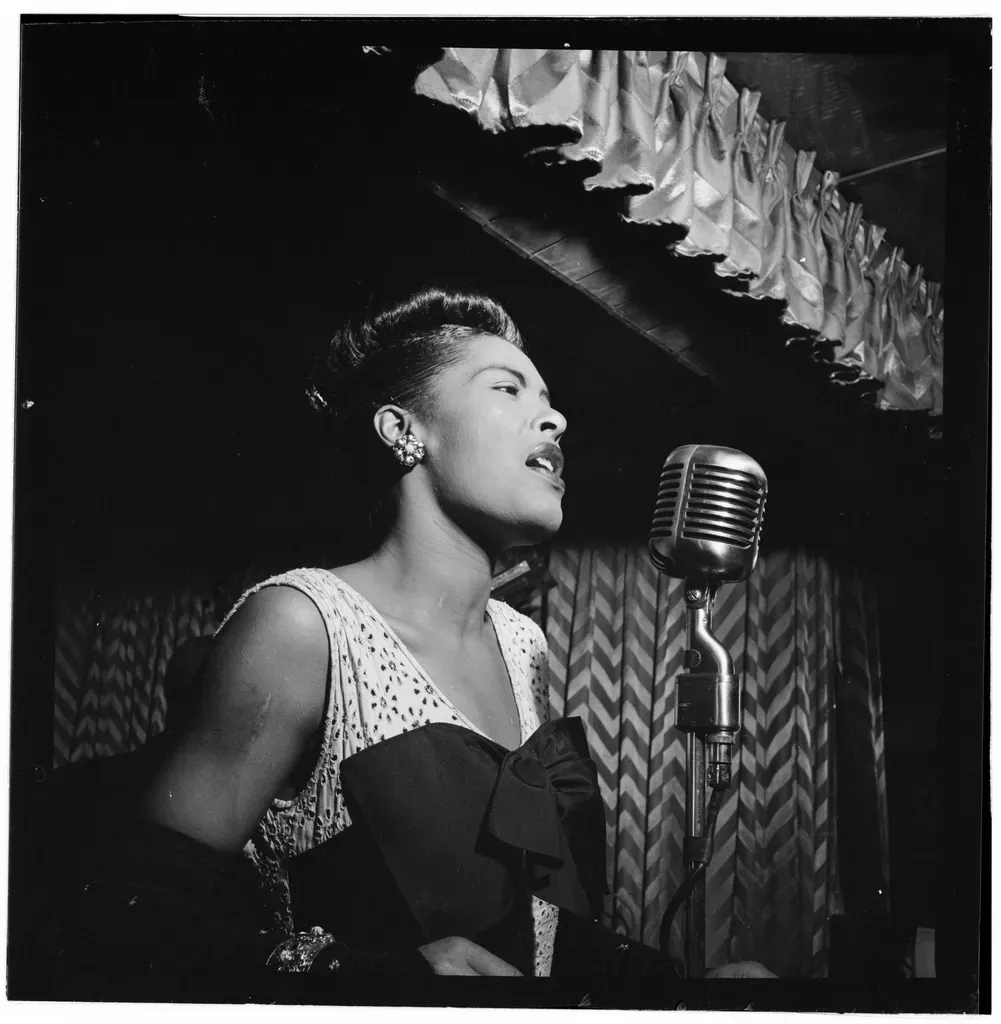
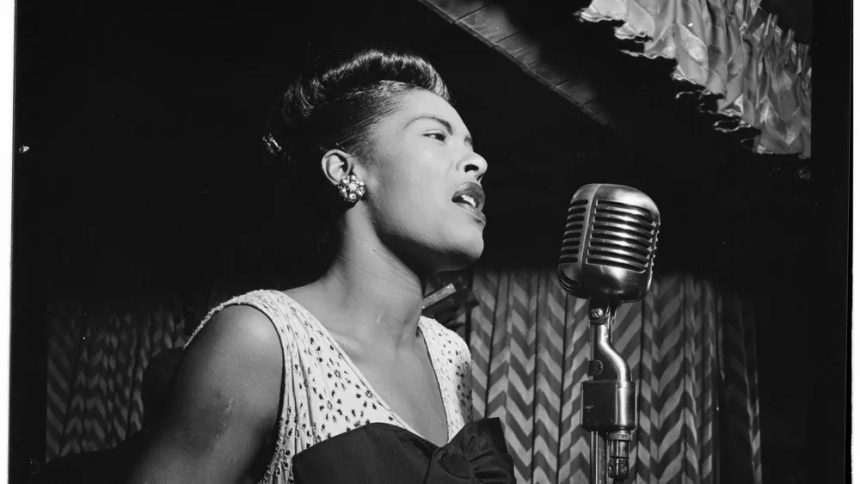
“Strange Fruit” was written and composed by Abel Meeropol and recorded by Billie Holiday in 1939. The lyrics were drawn from a poem Meeropol had published two years earlier, and the song protests the lynching of African Americans with imagery comparing victims to the fruit of trees. Meeropol was a high school English teacher who had been deeply upset by the more than 6,400 documented lynchings of Black Americans between 1865 and 1950.
It was Billie Holiday who brought the song to a far wider audience when she recorded her version in April 1939. Columbia Records, with whom she usually recorded, refused to have anything to do with it, and it was eventually released through the Commodore label. “Strange Fruit” was later described as “a declaration of war” and “the beginning of the civil rights movement” by Atlantic Records co-founder Ahmet Ertegun. It became known as a powerful protest anthem that irked the conservative U.S. government, and Federal Bureau of Narcotics commissioner Harry Anslinger made it his personal mission to silence Holiday. After she refused to stop performing the song, agents from his department framed her on drug charges.
“Rock Around the Clock” – Bill Haley and His Comets (1954/1955): A Generation Finding Its Voice

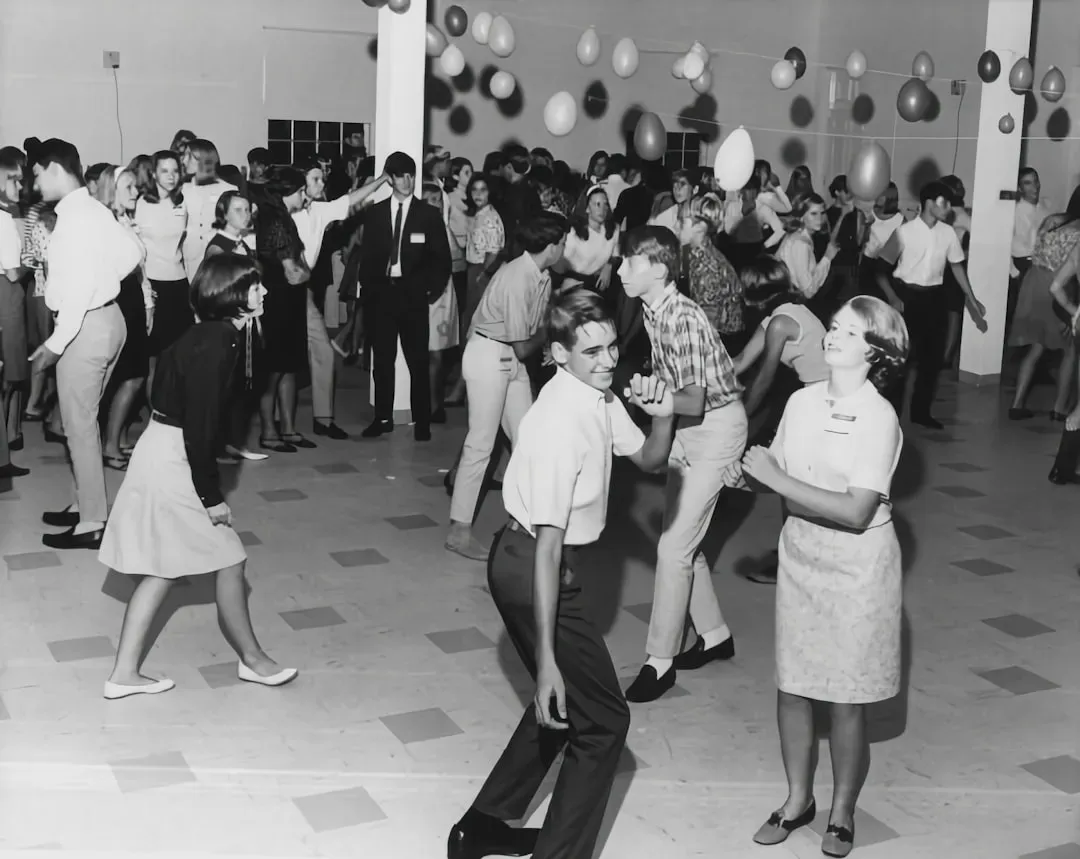
During the mid-1950s, a youthful generation was finding its voice for the first time, and teenage life would never be the same again. “Rock Around the Clock” was originally released as a B-side in May 1954, but came to more widespread prominence when it featured in the 1955 movie Blackboard Jungle. Director Richard Brooks chose the song because he believed its brash, untamed energy perfectly captured the mood of the film, which was about juvenile delinquents at an inner-city school.
As the first chords of “Rock Around the Clock” played during the movie’s opening credits, teenagers are said to have risen from their seats and started dancing in the aisles in movie theaters across the nation. The country was still processing the Korean War armistice, McCarthyism was still in full swing, and racial segregation remained federal law. The song arrived at exactly the moment a generation was hungry for something that felt entirely its own, and it gave them a sound that matched the tension they were living through.
“Ohio” – Crosby, Stills, Nash & Young (1970): Four Students Shot, a Nation in Shock

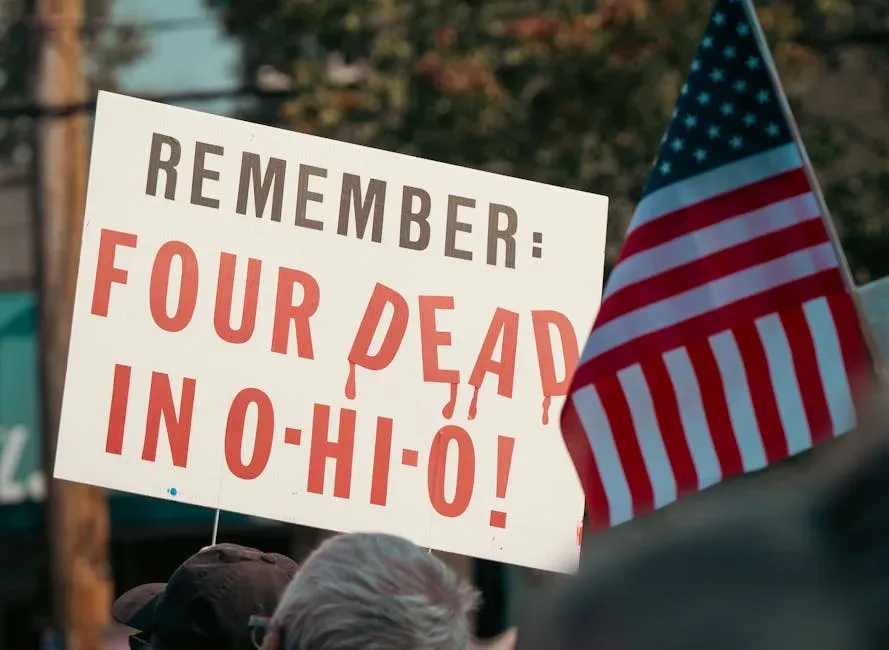
“Ohio” by Crosby, Stills, Nash & Young was written in direct response to the Kent State shootings on May 4, 1970, when National Guardsmen killed four unarmed students protesting the Vietnam War. Neil Young penned the song almost immediately after seeing the haunting images in Life magazine, and it was recorded and released within weeks, capturing the raw emotion of a nation in mourning.
Neil Young wrote “Ohio” as a response to the shooting of students protesting America’s plan to bomb Cambodia at Kent State University. The National Guard was called in to settle things but opened fire, killing four students and injuring nine. The war had stretched into its fifth brutal year. Student protests were spreading across American campuses, and the government’s reaction at Kent State had crossed a line that could not be uncrossed. The song was in record stores within weeks, a feat of urgency that still feels remarkable today.
“San Francisco (Be Sure to Wear Flowers in Your Hair)” – Scott McKenzie (1967): The Summer the World Held Its Breath

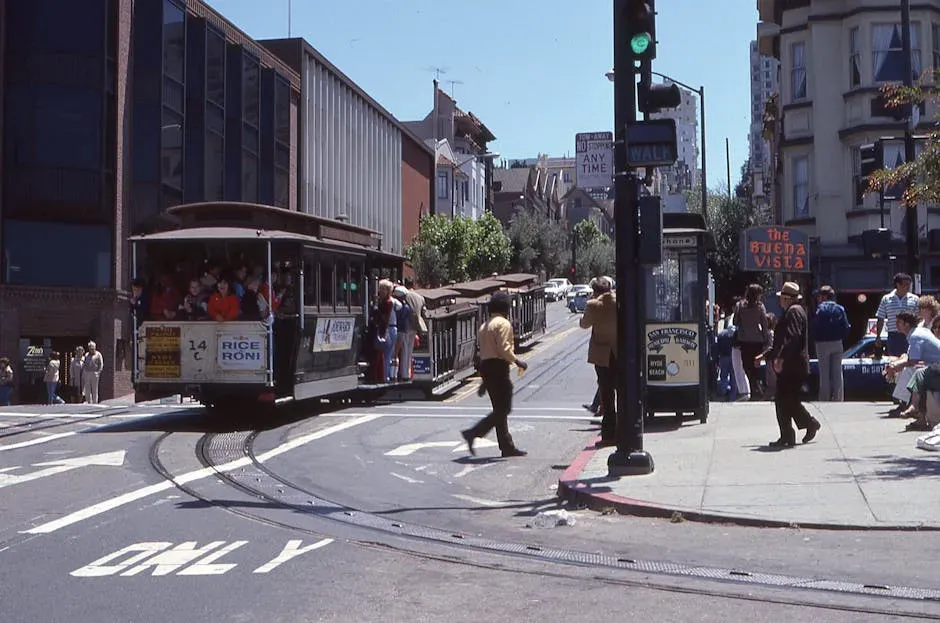
John Phillips of The Mamas and the Papas wrote “San Francisco” for his friend Scott McKenzie, and it became a huge global hit during the summer of 1967. The song was originally conceived as a way of promoting the 1967 Monterey International Pop Music Festival. That summer, the counterculture was at its peak. The Vietnam War was claiming hundreds of thousands of lives. Protests were erupting globally. The Six-Day War reshaped the Middle East in June of that same year.
By autumn it was all over, with most who had gathered in San Francisco returning home to college and work. The mood had soured and the city’s authorities, faced with law and order and overcrowding issues, were glad to see them go. Yet the song will forever encapsulate that unforgettable summer when a generation of young people believed anything was possible. It is a document of a very specific kind of hope, one that could only have existed in exactly those twelve weeks.
“War” – Edwin Starr (1970): Motown Enters the Political Arena

This anti-war protest song was made famous by Edwin Starr in 1970 at the height of the Vietnam War. “War” was originally recorded by the popular Motown act The Temptations, but the record label refused to release their version as a single, concerned that the song’s message might alienate some sections of its fanbase. The label turned instead to Edwin Starr, and it proved to be an inspired choice.
Written by Norman Whitfield and Barrett Strong, “War” openly protested the Vietnam War and relayed the need for harmony in everyday life. It was the first Motown song to make a political statement of this kind. The draft lottery had just entered its second year. American military deaths in Vietnam had passed the 40,000 mark. The song sold rapidly, and its furious energy matched the mood of a country that was tired, angry, and increasingly divided over a war it could not seem to end.
“Zombie” – The Cranberries (1994): The Troubles, Grief, and a Song That Refused to Stay Quiet


The Cranberries released their second album, No Need to Argue, in 1994, featuring the guitar-heavy protest song “Zombie.” It is about the young victims of a bombing during the conflict in Ireland known as The Troubles. Dolores O’Riordan’s anguished vocals and grungy guitars brought international attention to the ongoing strife in Northern Ireland, with lyrics that decry the cycle of violence and its devastating impact on families. The line “It’s the same old theme since 1916” references the long history of conflict.
The lyrics of “Zombie” describe the horror felt by an observer of the Troubles, particularly after British paratroopers killed 13 Irish citizens at a civil rights protest in Derry in January 1972. By 1994, peace talks were advancing, but bombings were still occurring and the ceasefire was still a year away. Even decades after its release, “Zombie” remains a staple at protests, memorials, and peace rallies, a reminder of the innocent lives lost and the urgent need for reconciliation.
“Wind of Change” – Scorpions (1991): A World Holding Its Breath as the Cold War Ended

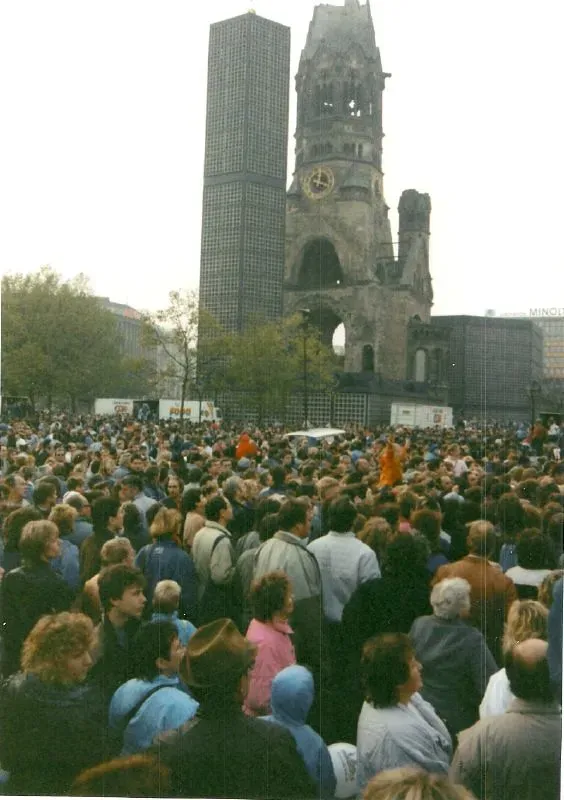
“Wind of Change” was composed by lead singer Klaus Meine following the band’s visit to the Soviet Union at the height of perestroika, when the enmity between the communist and capitalist blocs subsided alongside large-scale socioeconomic reforms in the Soviet Union. Meine was specifically inspired by his participation in the Moscow Music Peace Festival on August 13, 1989, at Lenin Stadium, where the Scorpions performed in front of roughly 300,000 fans. The magic of the song is that it was written before the Berlin Wall came down, which didn’t happen until a few months after Meine wrote it. The single and the video didn’t come out until 1991, and by that time the world had completely changed.
Politically, massive change was already underway when the single was released. Communism was collapsing, and the Soviet Hammer and Sickle would fly above the Kremlin for the last time in December of that very year. With over fourteen million copies sold worldwide, “Wind of Change” is one of the best-selling singles of all time, and its message of peace and unity continues to resonate with generations seeking change. Few songs have ever been so precisely timed to match a moment in history, even by accident.