A chart position is a snapshot, not a verdict. Plenty of songs that sat quietly in the lower half of the Hot 100, or missed it altogether, ended up as fixtures of weddings, karaoke nights, film soundtracks and radio playlists.
The ten songs below all had unremarkable or modest first runs on the charts. Each one found its real audience later, through a reissue, a cover, a film or TV placement, or simply decades of listeners passing it along.
Heroes by David Bowie

When Bowie released this single in 1977, it reached only number 24 on the UK singles chart. It also failed to make a dent on the US Hot 100, which seems almost unthinkable given how the song is treated today.
Its reputation grew through live performances, the later Berlin era mythology, and countless uses in film, television and sporting events. Today it’s regularly named among Bowie’s defining recordings, even though its original chart run was quiet.
Born to Run by Bruce Springsteen

The title track of Springsteen’s 1975 breakthrough album peaked at number 23 on the Billboard Hot 100. That’s respectable, but it was no runaway hit, and it didn’t signal how central the song would become to his career.
Over the following decades it turned into his signature concert closer and a staple of classic rock radio. Its standing now comes from endurance, not from the numbers it posted in 1975.
Piano Man by Billy Joel

Billy Joel’s 1973 song reached number 25 on the Hot 100 in 1974. It was his first real taste of radio success, though it was hardly a smash.
Its slow, waltz like storytelling and singalong harmonica made it a natural crowd favorite in concert. Over time it became the song most closely tied to his name, proof that a mid chart single can outlast bigger hits from the same era.
Jolene by Dolly Parton
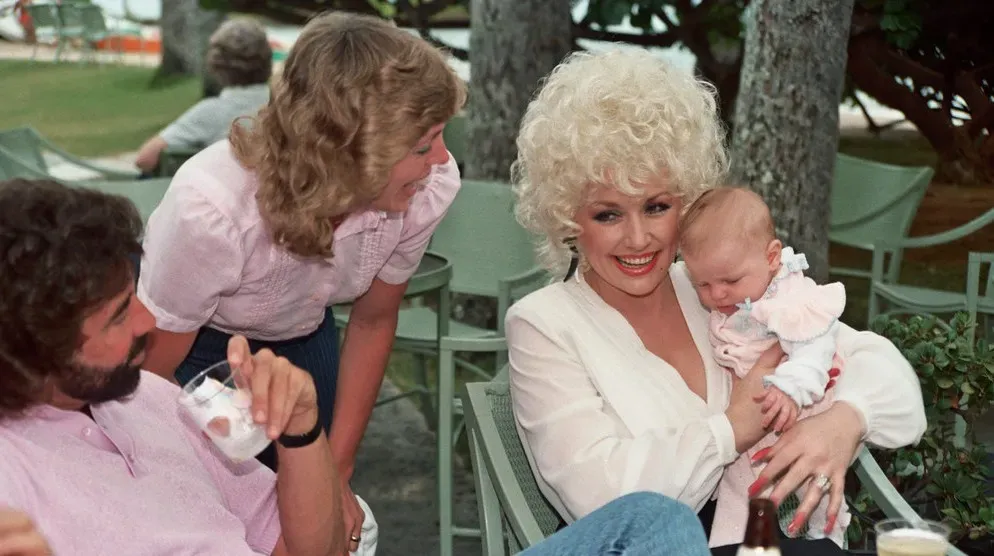
Released in late 1973, Dolly Parton’s song hit number one on the country chart. On the all genre Hot 100, though, it peaked only around number 60.
Its reputation as a modern standard owes much to covers, from rock artists to pop stars, that keep reintroducing it to new listeners. The song’s pop chart showing says little about how widely it’s known now.
Dream On by Aerosmith

Aerosmith’s first single from 1973 peaked in the American charts at number 59 on its initial release. At the time it looked like a modest start for a band still searching for a wider audience.
After the band gained momentum with later albums, the song was reissued in the mid 1970s and climbed all the way to number 6. The same recording that had stalled then became one of the band’s best known ballads.
Layla by Derek and the Dominos

The original single release in 1971 only reached about number 51 on the Hot 100. The full length version, with its famous piano coda, ran well over seven minutes, which didn’t suit radio programmers of the day.
A reissue in 1972 did much better, peaking at number 10. Eric Clapton later performed it in a stripped down acoustic arrangement, which gave the song yet another life and cemented its place in his catalog.
Don’t Stop Believin’ by Journey

Journey’s 1981 single reached number 9 on the Hot 100, which was a solid result but not a number one. For years it was simply one of several well loved songs from the band’s peak period.
Its status changed dramatically after it closed the 2007 finale of The Sopranos and then became a centerpiece of the TV series Glee in 2009. Those moments pushed it into a new generation’s consciousness and turned it into a near universal singalong.
Running Up That Hill by Kate Bush
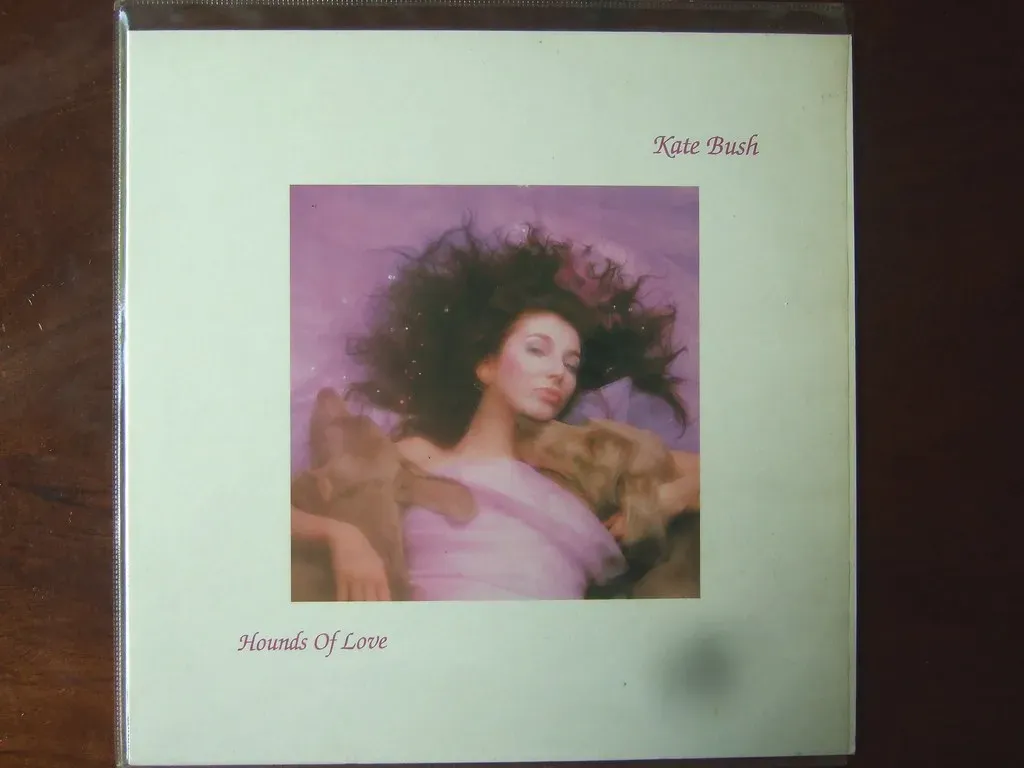
Kate Bush’s 1985 single did well in Britain, reaching the top 5, but it only got to number 30 on the US Hot 100. In America, it was a respectable cult favorite rather than a mainstream hit.
That changed in 2022, when the song featured prominently in the fourth season of Netflix’s Stranger Things. It surged back onto charts worldwide and reached number 3 on the Hot 100, nearly four decades after its original release.
Hallelujah by Leonard Cohen
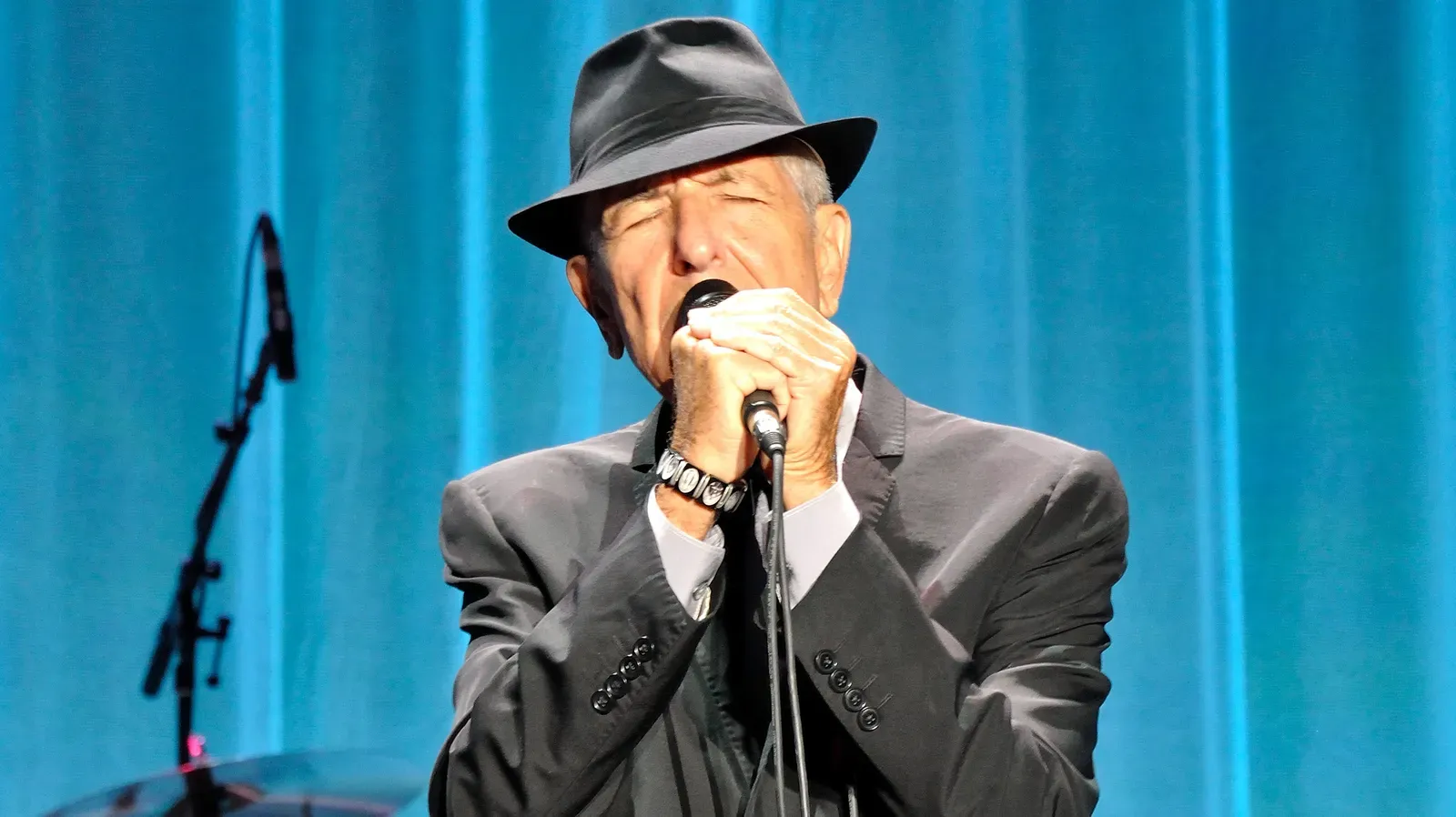
Cohen’s song appeared on his 1984 album Various Positions, and it didn’t become a major chart presence in its original form. The song was largely a deep cut for a long time, admired by fans but not widely known.
Jeff Buckley’s 1994 cover on the album Grace brought it to a much larger audience, especially after his death in 1997. In 2008 a talent show version by Alexandra Burke became the UK Christmas number one, while Buckley’s recording also climbed to number 2 that same week.
Creep by Radiohead

Radiohead’s debut single barely registered in the UK when it first came out in 1992. Radio resistance and a lukewarm reception meant the song looked like a one off that wouldn’t go anywhere.
After it found an audience abroad, including strong airplay in the United States, it was reissued in Britain in 1993 and became a hit. The band has had a complicated relationship with the song since, yet it remains one of their most recognized recordings.