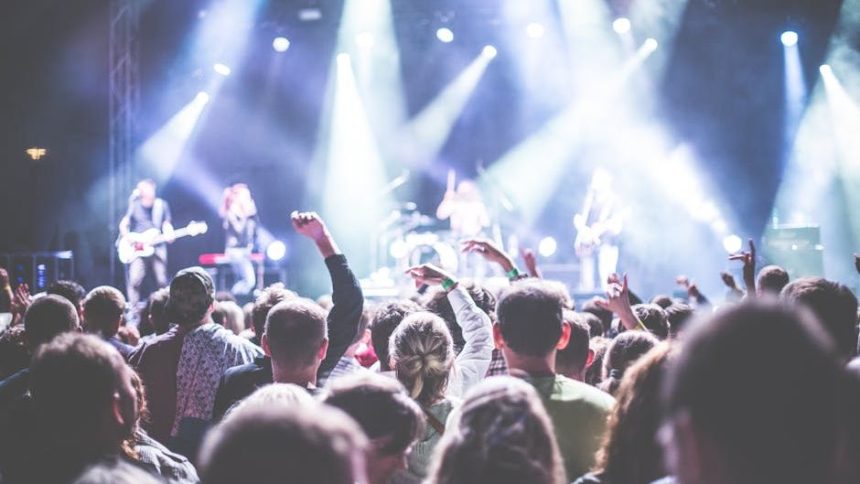
Live music is one of the few shared experiences that genuinely brings people together. The energy, the sound, the crowd moving as one – it’s a kind of joy that’s hard to replicate anywhere else. Most people who attend concerts do so because they love it, and most leave glad they went.
Still, for a striking number of women, that experience comes with an undercurrent of discomfort that rarely makes it into the official conversation around live events. It’s not always dramatic. Sometimes it’s something small that nags at the back of the mind. Sometimes it’s something that changes the night entirely. These are ten – things that deserve to be said plainly.
1. Being Groped or Touched Without Consent in a Crowd
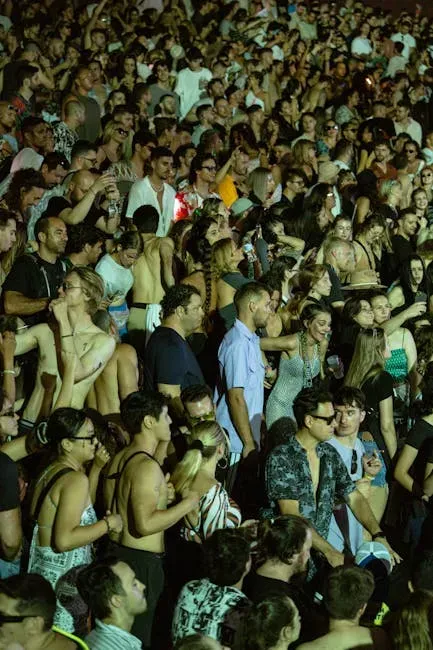
A study published in the journal Injury Prevention found that roughly six in ten U.S. concertgoers say they’ve experienced some form of sexual misconduct at live music events, ranging from lewd comments to outright assault. The crowd provides cover for behavior that would be completely unacceptable anywhere else. Among respondents, more than eight in ten women reported experiencing sexual harassment or assault at a live event.
Three out of four victims said their experience negatively impacted their enjoyment of the music, and some changed their behavior to avoid future incidents – women reported steering clear of mosh pits, altering their outfits, and some even stopped going to concerts altogether. That’s not a minor inconvenience. That’s a real cost, and it falls almost entirely on women.
2. Being Unable to Report an Incident to Venue Staff
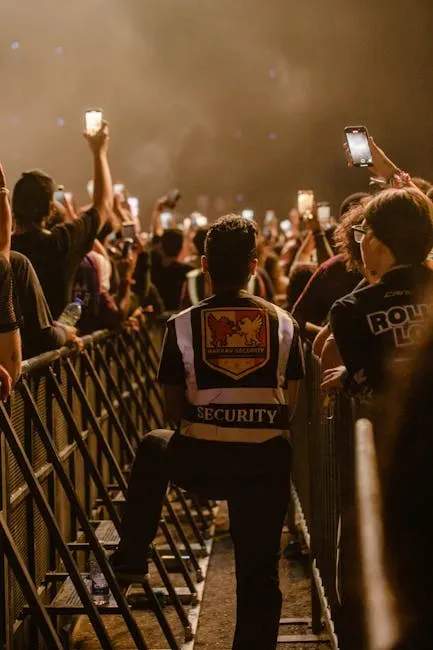
Respondents who experienced harassment were asked whether they felt they could report their most recent experience to staff or security at the venue. Many said they could not, citing barriers such as not knowing whom to approach, feeling uncomfortable due to alcohol consumption, and finding it difficult to locate help. The systems that are supposed to protect people are often functionally invisible in the middle of a packed show.
The vast majority of respondents – close to nine in ten – did not report the incident to the music venue at the time it occurred. Some women describe scanning the floor for a security guard and simply giving up after a few minutes. Knowing there’s no easy path to recourse makes the discomfort feel even more isolating.
3. Unwanted and Persistent Advances from Strangers
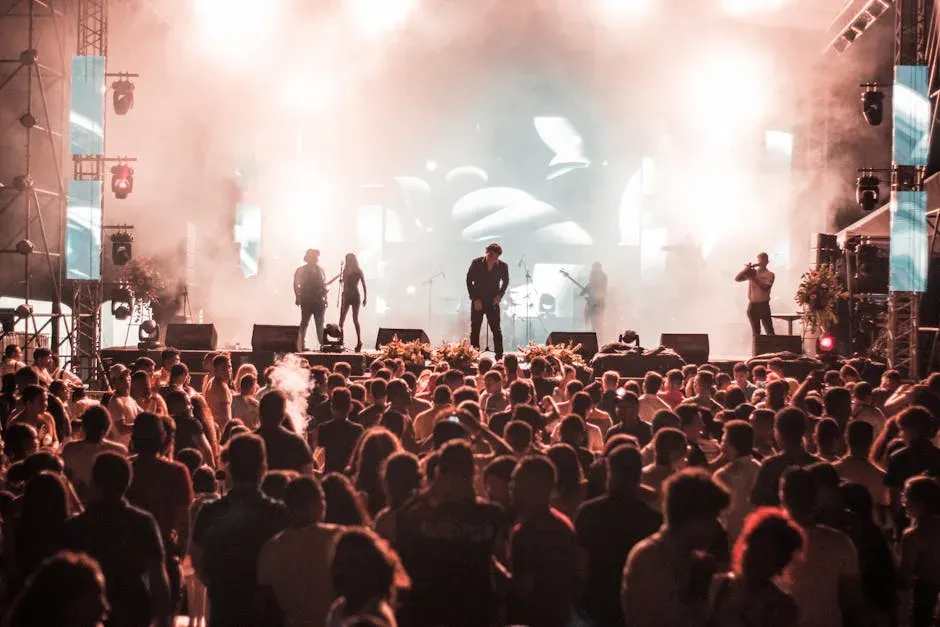
Over a third of women found being hit on at concerts “very” or “extremely” irritating, while men were less likely to report those same feelings. A concert crowd is not a social mixer, but it’s often treated as one – by some men, at least. Being repeatedly approached, having someone lean in too close, or being followed between the bar and the floor adds a layer of vigilance to what should be a relaxed night.
The social calculus women navigate in these moments is exhausting. Rejecting someone firmly in a loud space can feel confrontational or even risky. Many women resort to politely deflecting and then moving away, which means they’re managing someone else’s behavior on top of simply trying to enjoy the music.
4. Fear of Having a Drink Spiked
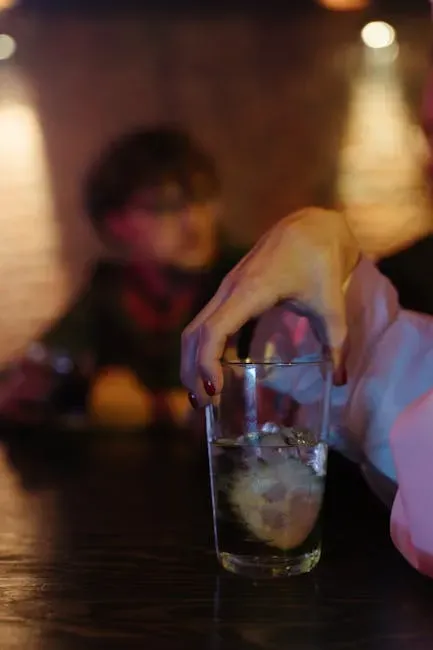
The rise of injection spiking means that covering a drink with a hand is no longer a reliable precaution, and packed concert crowds have been described by researchers as a “cloak of anonymity” that makes crimes like spiking easier to carry out without detection. The threat has changed the way many women approach the practical details of a night out – some avoid drinks entirely, others refuse to set a cup down even briefly.
This kind of hypervigilance has a real cost. It takes mental energy. It means not fully relaxing, not losing yourself in the music the way you wanted to. Women shouldn’t have to spend a concert managing risk assessments around their own beverages, but many do, and they do it quietly because the alternative feels worse.
5. The Discomfort of Being Followed Inside the Venue
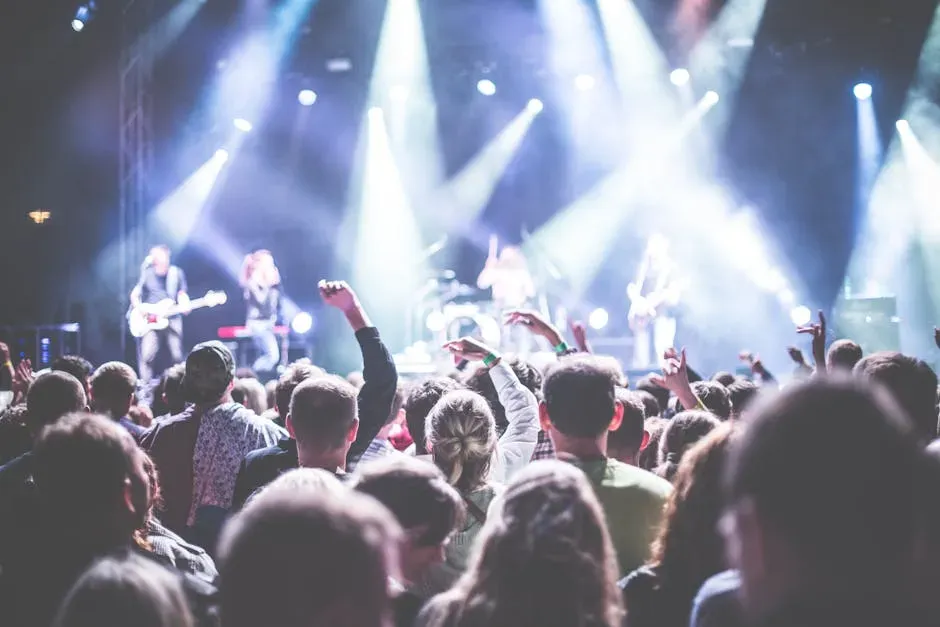
One of the more unsettling experiences women describe at concerts is noticing that someone is following them as they move through a venue. It might be the same face appearing repeatedly at the bar, in the crowd, near the exit. Looking for signs of following, harassment, and unwanted attention is something women are routinely advised to watch for at concerts and festivals. The fact that this advice is necessary says quite a lot about how normalized the problem has become.
Inside a large venue with thousands of people, being followed still produces a very specific and lonely kind of fear. You’re surrounded by people, none of whom may notice what’s happening. Leaving your group to find a restroom becomes a risk calculation. That kind of awareness is something many women carry throughout an entire evening without ever mentioning it to the people they came with.
Partner offer
6. Crowd Crush and the Feeling of Losing Physical Control

A crowd surge occurs when a large group of people moves uncontrollably, leading to a crowd crush that can cause severe injuries or fatalities. Common triggers include sudden shifts in the crowd’s movement, overcrowding, or poor crowd control. Women – particularly shorter women in dense general admission areas – often describe the terrifying experience of being pressed from all sides with no ability to move or breathe freely.
Swaying and surging are common at some kinds of concerts and, while they don’t normally cause problems, they can escalate into crushing and trampling situations without timely intervention to bring them under control. The physical disadvantage many women experience in a tightly packed crowd, where they may be shorter and lighter than those pressing around them, makes this fear both rational and specific. It’s not general anxiety about crowds – it’s the body registering a genuine physical threat.
7. Deafening Sound Levels and Worry About Hearing Damage
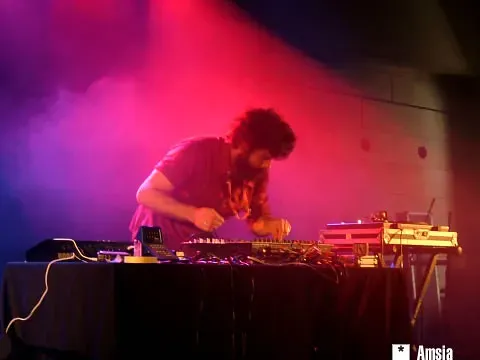
Concerts regularly blast sound at levels between 100 and 150 decibels, dangerously above the 85-decibel safety threshold. Many women quietly worry about this during shows but feel socially awkward about wearing earplugs or stepping away from the speakers. Tinnitus – the ringing in the ears – affects roughly half of people immediately after a loud concert.
Loud noises can damage the tiny hair cells in the inner ear. These cells vibrate in response to sound and send messages to the brain – and once destroyed, they do not grow back. The worry isn’t abstract. Women who attend concerts regularly describe waking up the morning after a show with ringing in their ears and a quiet dread that this time the damage might be permanent. With repeated exposure to loud noise, tinnitus is more likely to become permanent.
8. Inadequate or Unsafe Bathroom Facilities
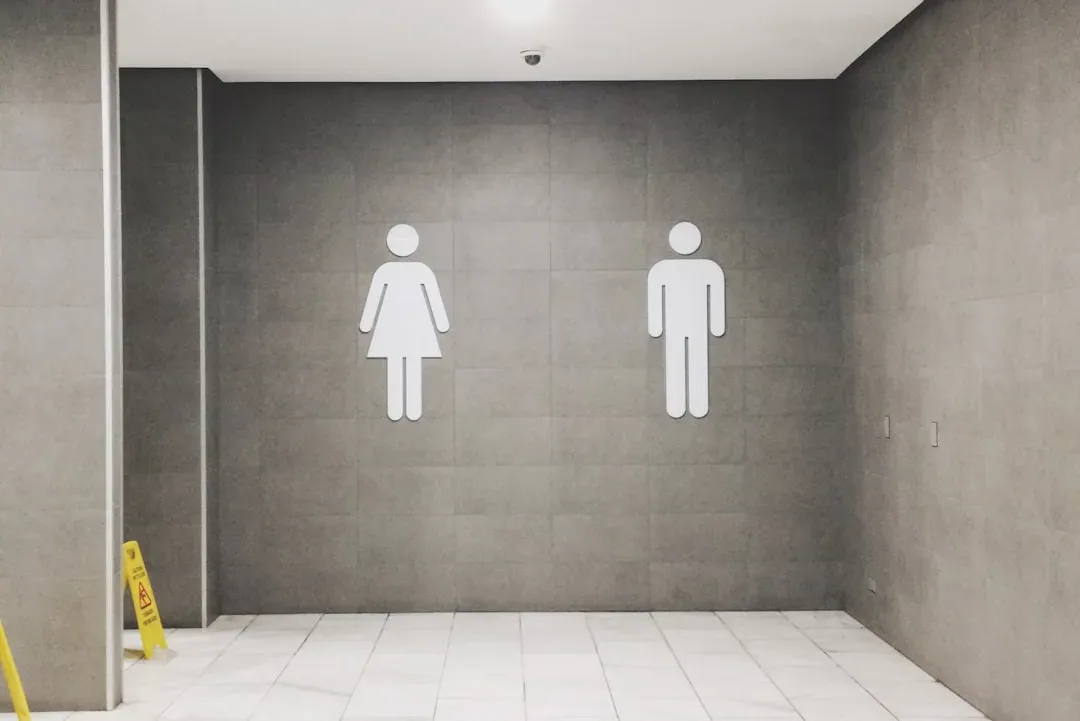
Restroom queues at concerts can stretch absurdly long, and the facilities themselves are often poorly lit, poorly maintained, and isolated from the main crowd. For women, who statistically require more time at restroom facilities than men due to the design of the infrastructure, this isn’t just inconvenience – it’s a repeated signal that the venue wasn’t really built with them in mind. Leaving a group to wait in a dim corridor alone is something many women think twice about, particularly at late-night events.
The concern extends beyond long lines. Isolated restroom corridors are among the spaces at venues where women report feeling most vulnerable, especially during the later hours of a show when intoxication in the crowd is higher. It’s one of those issues that sounds minor on paper but accumulates into a persistent low-grade discomfort across an entire evening.
9. Feeling Unsafe Getting Home Alone After the Show
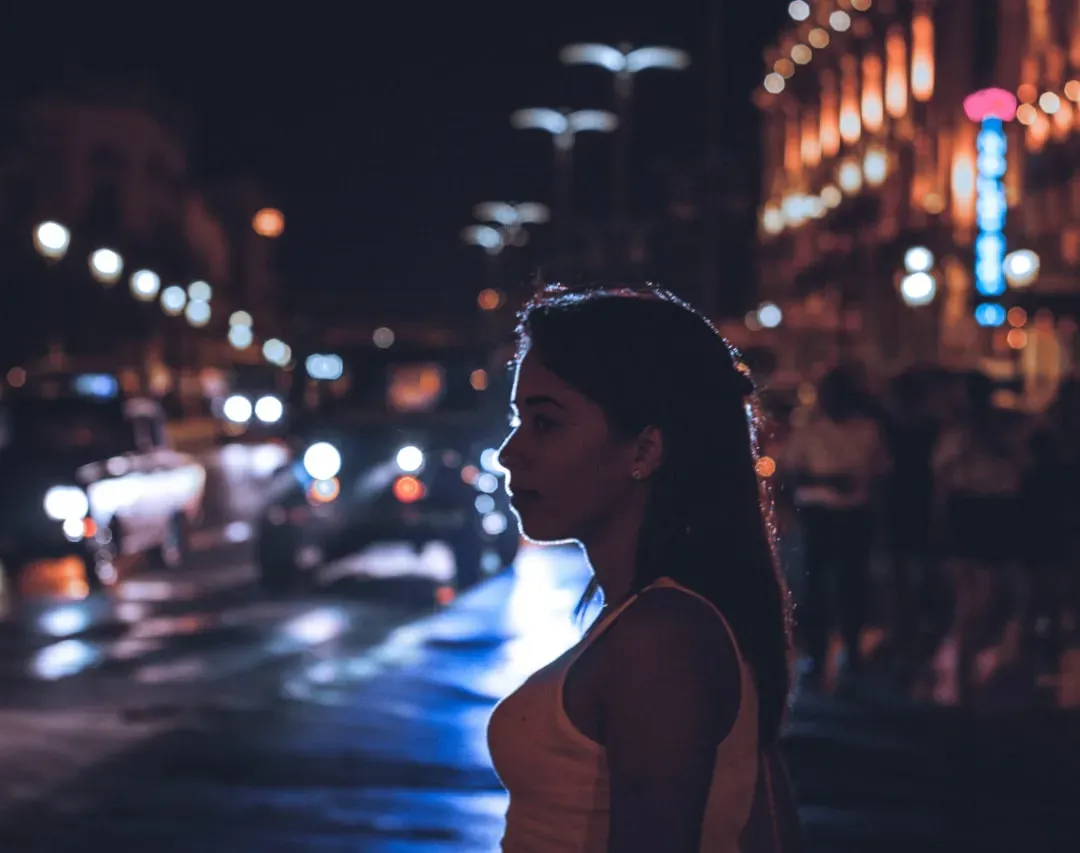
The concert ends, the crowd floods out, and suddenly the evening shifts. For women attending alone or who have been separated from their group, the journey home carries its own anxieties – waiting on a late-night platform, hailing a ride in a dark car park, walking through unfamiliar streets near a venue. Researchers in the UK found that sexual violence “significantly impacts on (predominantly) women’s musical participation,” with many victims stopping attending shows, avoiding particular venues, or experiencing panic attacks in crowded spaces.
The discomfort doesn’t end when the last song plays. Women often describe mentally planning their exit route long before the show finishes – texting a friend their location, pre-booking a car, deciding not to stay for the encore because leaving in a smaller crowd feels safer than leaving in a large one. These are real adjustments that shape the whole experience, from beginning to end.
10. Being Judged or Dismissed When Speaking Up

The dismissive response many women encounter when reporting discomfort or harassment likely contributes to the lack of women speaking up about their experiences at music events, and the lack of meaningful response when they do try. Whether it’s a friend who brushes it off, a security guard who looks skeptical, or the general sense that making a fuss will ruin the night for everyone – women consistently describe feeling that the burden of proof falls on them.
Women are more than twice as likely as men to have been affected by harassment at live events, yet various barriers prevented most respondents from reporting the incident at the time. The social cost of speaking up – being seen as dramatic, ruining the mood, or simply not being believed – keeps many women silent. That silence doesn’t mean the discomfort wasn’t real. It usually just means the environment made saying something feel more costly than staying quiet.
None of these discomforts are inevitable features of live music. They are the product of specific design choices, cultural norms, and accountability gaps that venues, organizers, and audiences have the power to address. The data is clear, the experiences are consistent, and the path toward better concert environments runs directly through acknowledging these things honestly rather than treating them as edge cases.
Partner offer
Planning a trip to Vegas?
Compare hotel rates and show tickets on VEGAS.com.