There’s a particular kind of silence that falls over a group conversation the moment someone drops a sentence that wasn’t asked for, wasn’t needed, and lands like a wet blanket on the room. In music discussions, that silence has a very specific cause. It usually comes from someone who has been listening to records since before most people at the table were born.
Older music fans carry real knowledge and genuine passion. The music that becomes yours during late teens and early twenties literally shapes who you become, and those preferences persist throughout life as fundamental identity formation. That’s a beautiful thing. The problem isn’t the love for older music. It’s the one-liner that arrives uninvited, wraps itself in authority, and quietly closes every door in the conversation.
1. “They Don’t Make Music Like They Used To”
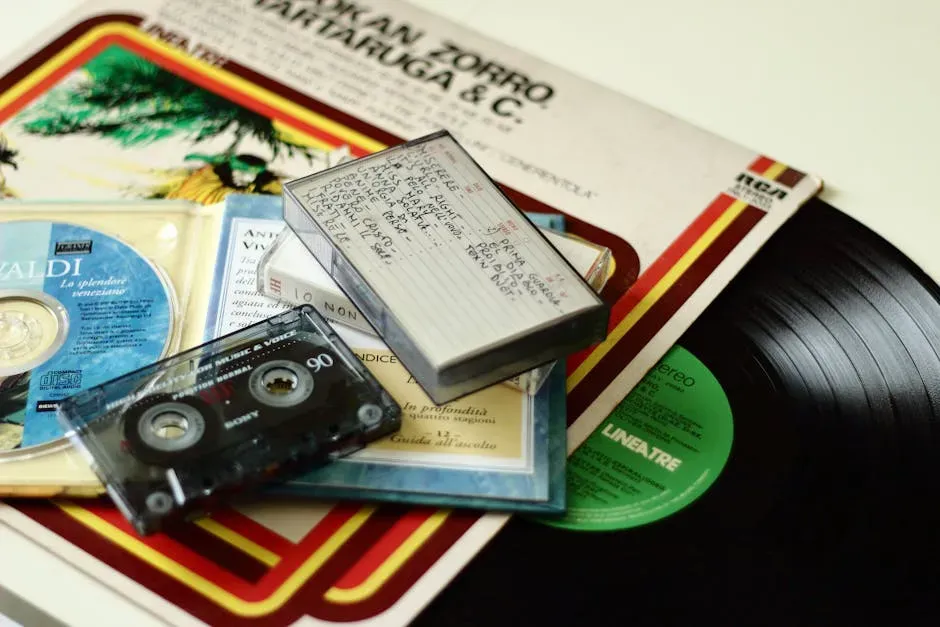
This is the classic, the all-timer. It gets deployed at dinner tables, in car rides, and in comment sections with the certainty of someone reading from a stone tablet. The phrase sounds like a music critique but it’s really just a brain chemistry update delivered as cultural fact.
Listening to new music between the ages of thirteen and twenty-three does not have the same effect as listening to new music past that age range. It has nothing to do with the quality of the sound, beat, or lyrics. It has everything to do with your brain chemistry. In other words, the music didn’t change. The listener did. Saying this one out loud tends to produce a polite nod from younger people in the room who are internally calculating how quickly they can change the subject.
2. “You Have to Hear It on Vinyl to Really Understand”
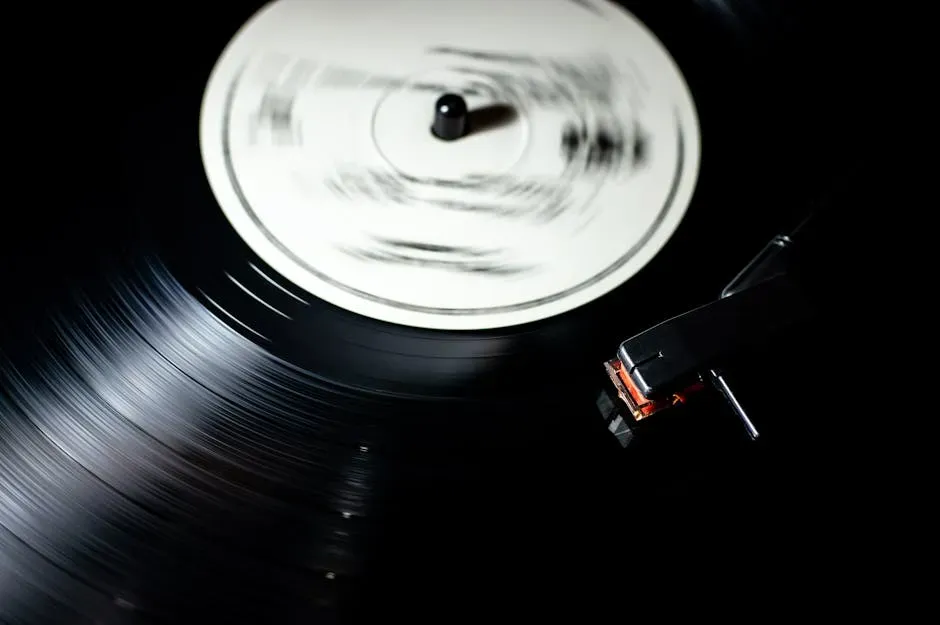
This one carries an air of ceremony. It’s said slowly, with the gravity of someone about to reveal the location of a buried treasure. The implication is that without a turntable, a dust-prone needle, and a sleeve you’re terrified to fingerprint, you simply haven’t experienced music properly.
Younger generations, who grew up in the streaming era, are increasingly drawn to vinyl’s tactile nature, the rich warmth of analogue sound, and the nostalgia of album art. So there’s genuine crossover appeal here. Vinyl isn’t just about sound, it’s about memories. Holding a record and hearing that crackle as the needle drops instantly transports listeners to another time. That’s a perfectly reasonable personal feeling. It just becomes a vibe-killer the moment it’s delivered as a prerequisite for being taken seriously as a music fan.
3. “The Original Is Always Better”
This phrase appears reliably whenever a younger artist covers a song, samples a classic, or references an older era in their work. It arrives before the newer version has even finished playing, fully confident in its verdict. There’s no deliberation, no curiosity. The conclusion was reached before the evidence came in.
Research shows that younger listeners associate older music with comfort, escapism, and a sense of emotional honesty that often feels missing from life online. Plenty of Gen Z listeners have found their way into older catalogs through contemporary artists who interpolate and reimagine classic material. This is not nostalgia. It is emotional alignment with music from a time they never lived through. Telling someone that their entry point into a great song is somehow the wrong entry point is a reliable way to make sure the conversation ends there.
4. “That’s Not Real Music, That’s Just Noise”
Few phrases have as much history attached to them as this one. It has been used to dismiss jazz in the 1920s, rock and roll in the 1950s, punk in the 1970s, hip hop in the 1980s, and electronic music in basically every decade since. Each time, the same conviction. Each time, the same audience rolling their eyes. Each time, the dismissed music went on to shape culture for decades.
Partner offer
As a new generation emerges first among consumers and then later among artists, conflict emerges between the aging establishment who are content with more of the same and the younger generation who want something new. This is a cycle that repeats reliably across generations, not a sign that one era’s instincts were uniquely correct. Old timers lamenting how their legacy bands sold out or peaked after their third album is just one of many forms of gatekeeping that consistently mistakes personal preference for objective standard.
5. “You Weren’t There, So You Can’t Really Get It”
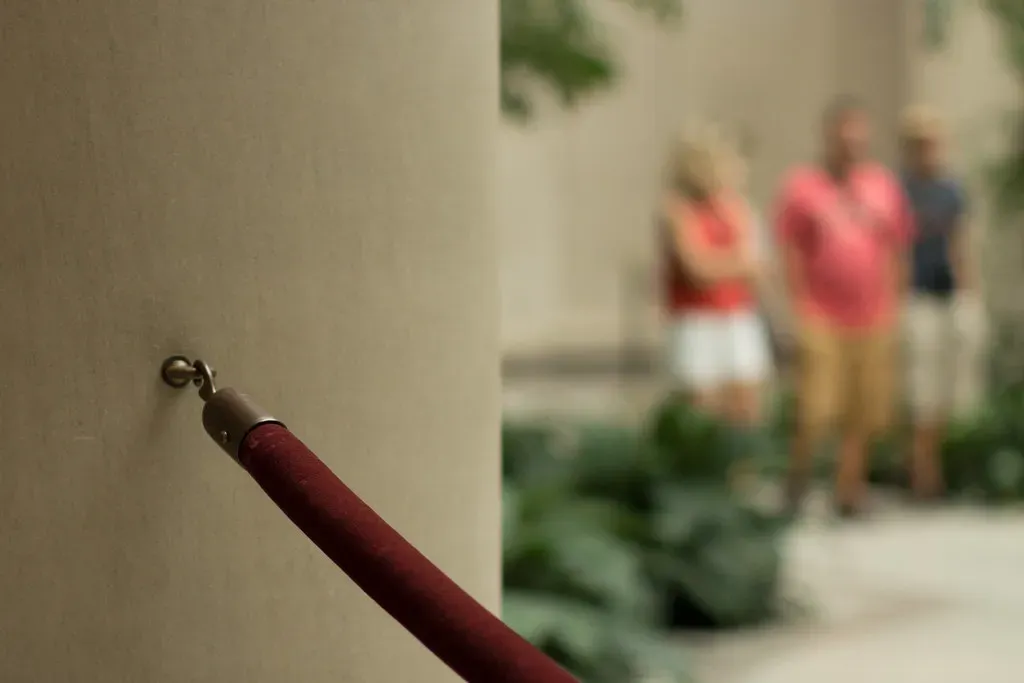
This one feels the most territorial. It essentially draws a velvet rope around a decade and tells anyone born after a certain year to stand at the back. It’s delivered with the gentle sadness of someone explaining something irreplaceable, but what it actually communicates is exclusion dressed up as context.
Gen Z was proudly outing itself as sonically Gen X, with Gen X music and even Baby Boomer music thriving with younger generations. Previous generations were limited by radio playlists and the physical records they could afford, but Gen Z types a mood or a word into a search bar and pulls up entire eras in seconds. The idea that only those who witnessed a cultural moment can access or appreciate it doesn’t hold up. Music travels across time because it’s designed to. That’s the whole point.
6. “Concerts Were So Much Better Before It Was All About the Visuals”

This phrase tends to surface after someone mentions an upcoming stadium show with elaborate stage production, and it’s usually followed by a fond recollection of a sweaty club in 1987. The implication is that modern production values have somehow corrupted the purity of the live music experience. Fog machines and light rigs are treated as evidence of artistic bankruptcy.
Differing musical preferences highlight the cultural shifts between generations. While Baby Boomers may prioritize nostalgia and the cultural significance of their music, Generation X often seeks innovation and authenticity. The longing for a simpler live show is real and understandable. What makes it a vibe-killer is the assumption that anyone enjoying a modern production is somehow settling for less rather than simply enjoying something different. Plenty of the artists being criticized for “too many visuals” are doing exactly what David Bowie did in 1972 and Pink Floyd did in 1977, just with better technology.
7. “Music Today Has No Soul”

This is the grandparent of all music one-liners. Vague enough to mean everything, specific enough to sting. It lands at the end of a conversation like a period at the close of a paragraph, signaling that no further discussion is welcome. It’s not an invitation to explore or compare. It’s a verdict.
The early years of the 2020s have seen increasing shares of streaming plays going to older music instead of new releases, which gives the phrase a certain statistical cover. Some theorize that it’s completely psychological, that old music holds dear memories that new music simply doesn’t. The truth is that music’s perceived “soul” is almost always a proxy for personal memory and emotional history. Research indicates that the primary motive for engaging in musical activities in later life is maintaining identity and agency, and regulating mood. Nostalgia is doing real, meaningful psychological work when older fans reach for these phrases. That’s worth understanding. It just doesn’t make for a great conversation opener.
None of these phrases come from bad intentions. Most of them come from a genuine love of music and the very human instinct to protect something that felt formative and irreplaceable. The issue isn’t the feeling. It’s the delivery, the timing, and the quiet assumption that passion for what came before makes everything that came after lesser. Music has always been most alive in the space where generations meet it on their own terms, not where they’re handed a ranking before they’ve even had the chance to listen.
Partner offer
Planning a trip to Vegas?
Compare hotel rates and show tickets on VEGAS.com.