There’s a quiet but meaningful difference between students who simply attend class and those who genuinely contribute to a room worth learning in. It’s rarely about grades or how loudly someone participates. More often, it comes down to a set of unspoken habits that either protect or erode the shared space everyone in that room depends on.
Learning is a group activity, and the behavior of each person in class affects the learning outcomes of others in ways that aren’t always immediately visible. The ten behaviors below represent what well-mannered students quietly avoid, not because they’re told to, but because they understand what’s at stake for everyone in the room.
1. Arriving Late Without Consideration

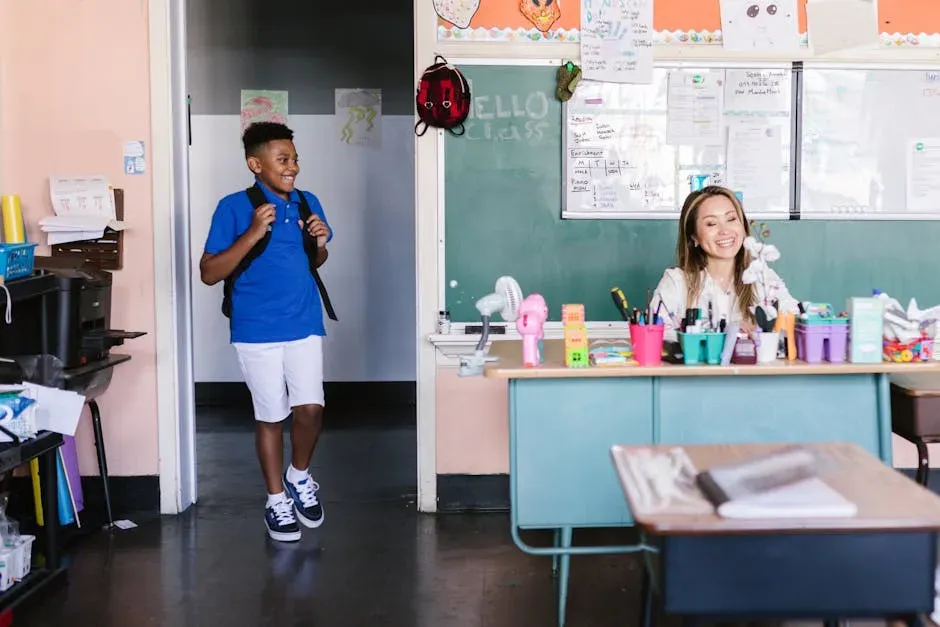
Arriving on time shows respect for teachers and classmates, and it ensures you don’t miss important instructions or disrupt the flow of the lesson. A well-mannered student treats punctuality as a basic form of courtesy, not a burden.
Late arrivals and early departures are disruptive. When someone shuffles in mid-sentence, backpack rattling and chair scraping, the entire class loses the thread of what was being said. Students who understand this either arrive on time or, if unavoidably late, quietly take a seat at the back of the classroom to minimize the disturbance to others.
2. Using Their Phone for Non-Academic Purposes
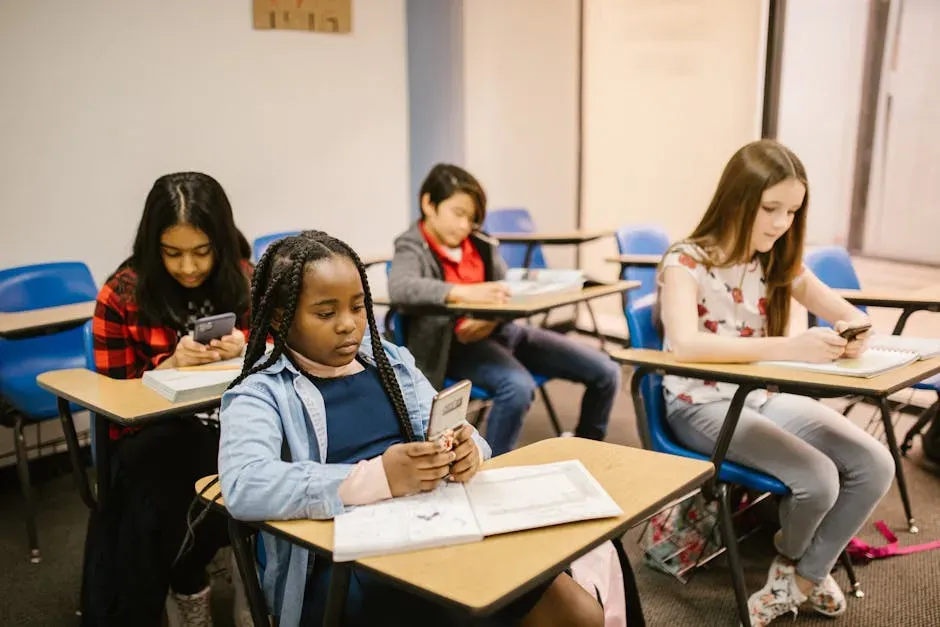
The pervasive use of devices such as cell phones, and the fact that some students are apparently unaware of the impact of their actions on others, can lead to repeated distractions and interruptions. A glowing screen in a quiet classroom pulls attention in ways that are genuinely hard for nearby students to ignore.
Students who use electronic devices for non-academic purposes during class, such as texting, browsing social media, or playing games, distract themselves and others from learning. Well-mannered students recognize that the phone can wait. Whatever is happening on that screen is almost never more important than the hour of instruction in front of them.
3. Interrupting the Teacher or Classmates

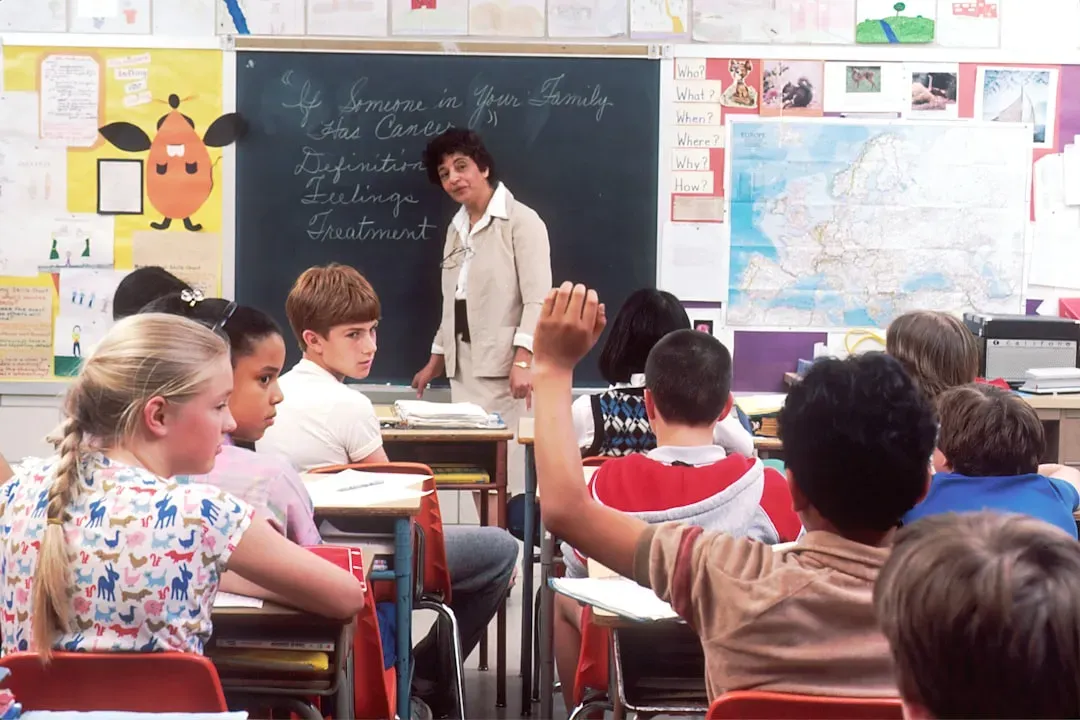
It is important not to interrupt another who is speaking. This is one of the most basic principles of respectful communication, yet it’s surprisingly easy to slip into, especially during energized discussions when everyone has something to say.
When you have a question or want to contribute to a discussion, raise your hand and patiently wait for your turn before giving your answers. The habit of waiting before speaking signals that a student values what someone else is saying, not just what they themselves want to express. Encouraging this habit helps students develop discipline and patience in classroom discussions.
4. Monopolizing Class Discussions
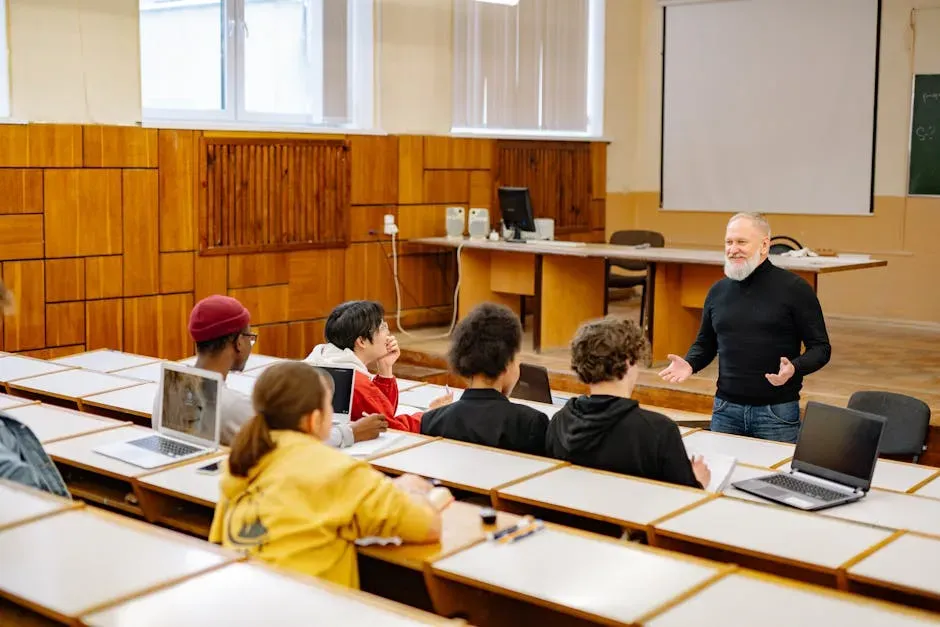
Monopolizing class discussion and refusing to defer to the instructor or listen to others is considered a form of disruptive behavior. There’s a real difference between being an engaged participant and becoming the student who dominates every conversation. The former helps the group; the latter quietly shuts others out.
Students should wait to be recognized before speaking and not try to dominate a discussion with questions or comments, giving others a fair opportunity to participate. Well-mannered students read the room. They contribute meaningfully, then make space. They understand that a classroom conversation is richer when more than one voice shapes it.
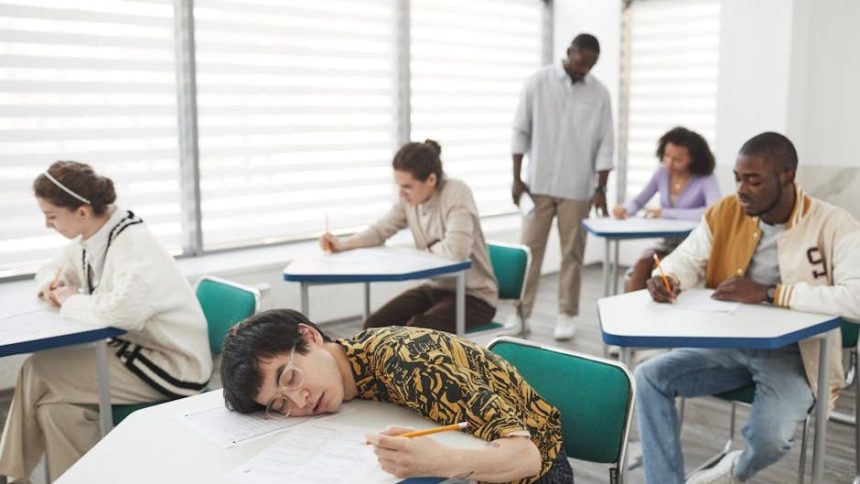
5. Sleeping or Showing Obvious Disinterest
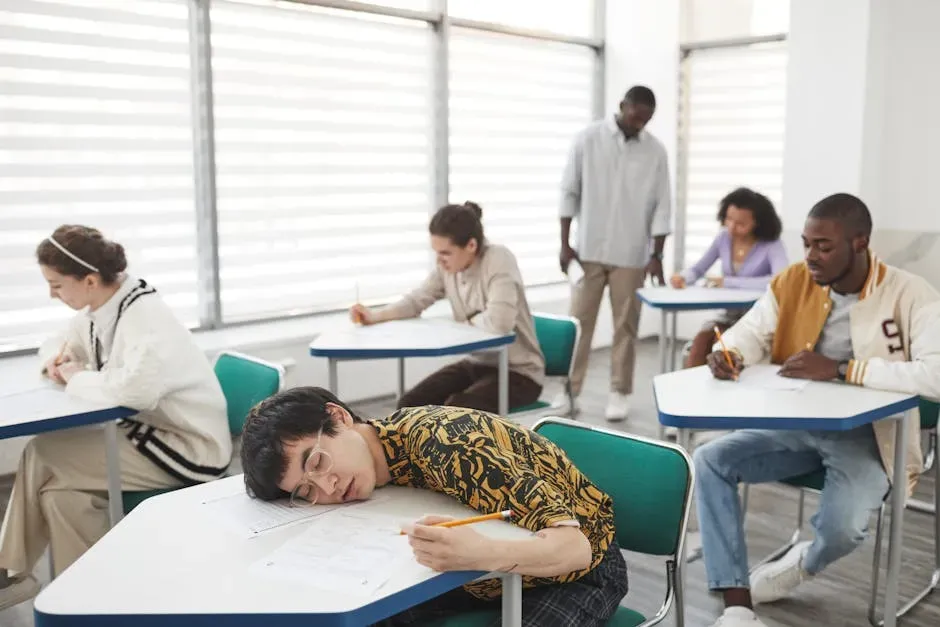
Sleeping in class is usually considered rude, and most faculty believe it should not be tolerated. Beyond the obvious signal it sends to whoever is teaching, it also sets a tone for the students nearby, who can’t help but notice.
Students need to know that their non-verbal behavior is perceived as disinterest. Slouching, staring blankly, or putting your head down doesn’t just affect personal learning. It subtly communicates that what’s happening in the room isn’t worth attention, which can be genuinely demoralizing for both teachers and fellow students who are actually trying to engage.
6. Eating Disruptive Foods or Making Unnecessary Noise

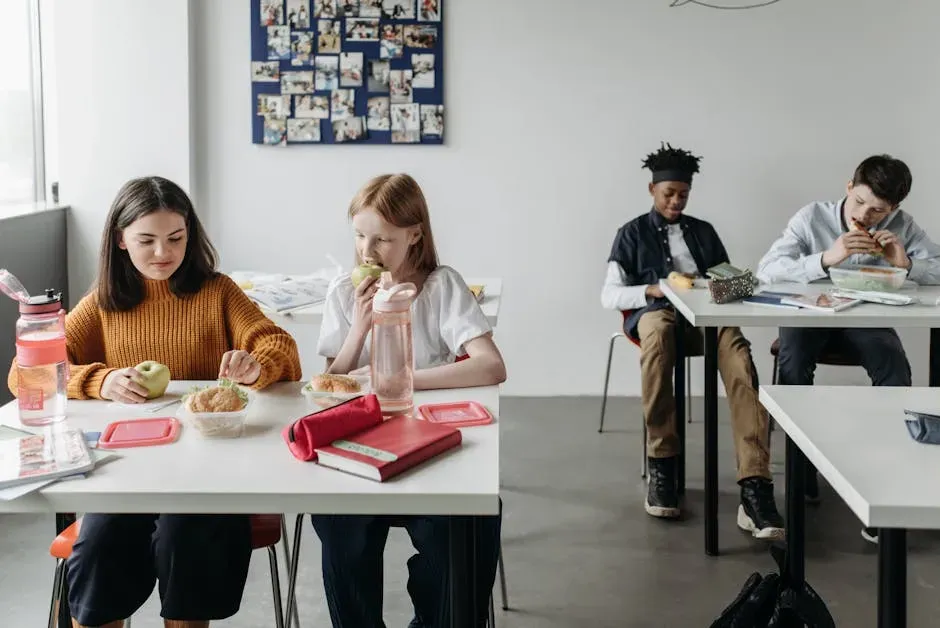
Food and drink are discouraged in class. There may be times that you need a beverage or small snack, but students should avoid bringing in large meals or food that is noisy when unpackaged or chewed. It sounds minor until you’re the person trying to follow a lecture while someone beside you unwraps a full meal.
Noise is one of the most underrated classroom disruptors. The shuffling of wrappers, the crunch of chips, and the clatter of cutlery fragment attention in ways that are hard to recover from. Good classroom etiquette helps in effective communication, fosters a sense of respect, and allows for better focus on learning. Well-mannered students are mindful of sensory distractions, not just behavioral ones.
7. Talking Out of Turn or Having Side Conversations
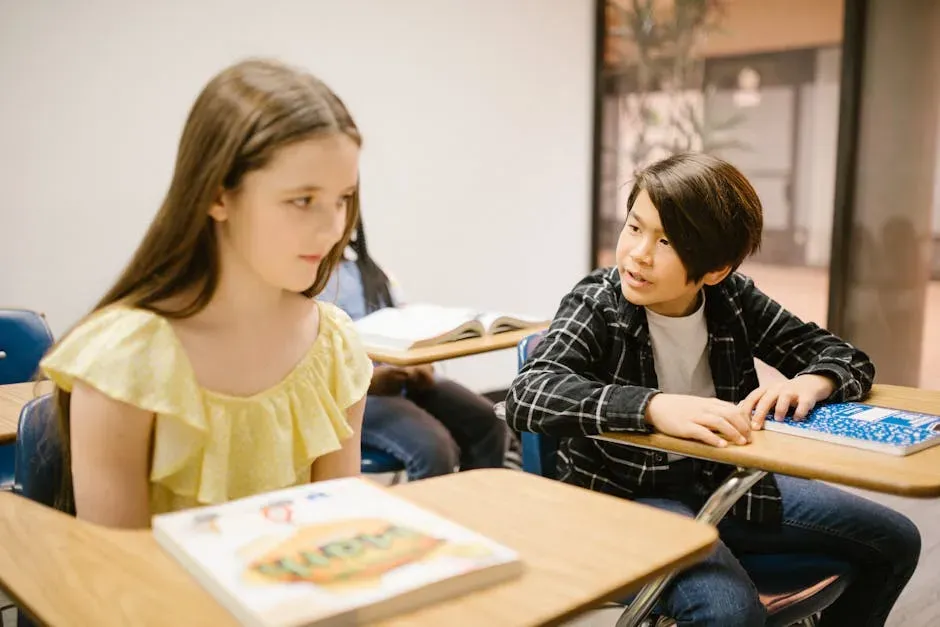
Talking out of turn is a recognized form of disruptive classroom behavior. Side conversations are especially corrosive because they create a competing layer of noise that fragments everyone’s concentration at once. It’s rarely done with malicious intent, but the effect is the same regardless.
According to a survey by EAB, student behavior disrupts the classroom for about 144 minutes per week. That’s a significant chunk of instructional time, much of it lost to low-level noise like off-topic chatter. When left unaddressed, disruptive behavior can hinder open discussions, diminish engagement, and disrupt the sense of community that fosters intellectual growth.
8. Disrespecting Diverse Perspectives or Using Unkind Language
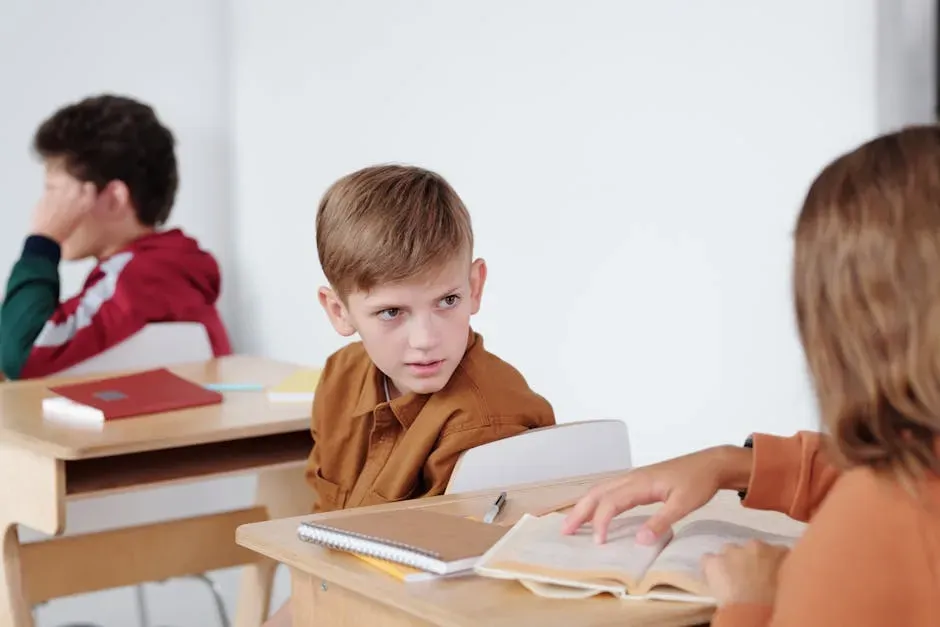
Students who use offensive or disrespectful language towards the teacher or classmates, engage in name-calling, or make derogatory comments create a hostile classroom environment. A well-mannered student understands that disagreement is healthy, but disdain is not. The two are very different things.
The school environment becomes more inclusive when students value diverse perspectives as well as different cultural backgrounds and abilities. Respectful disagreement is a skill worth developing, and well-mannered students practice it deliberately. Practicing good manners helps develop qualities like patience, empathy, and integrity, which are traits essential for personal and professional success.
9. Refusing to Take Responsibility for Their Own Actions
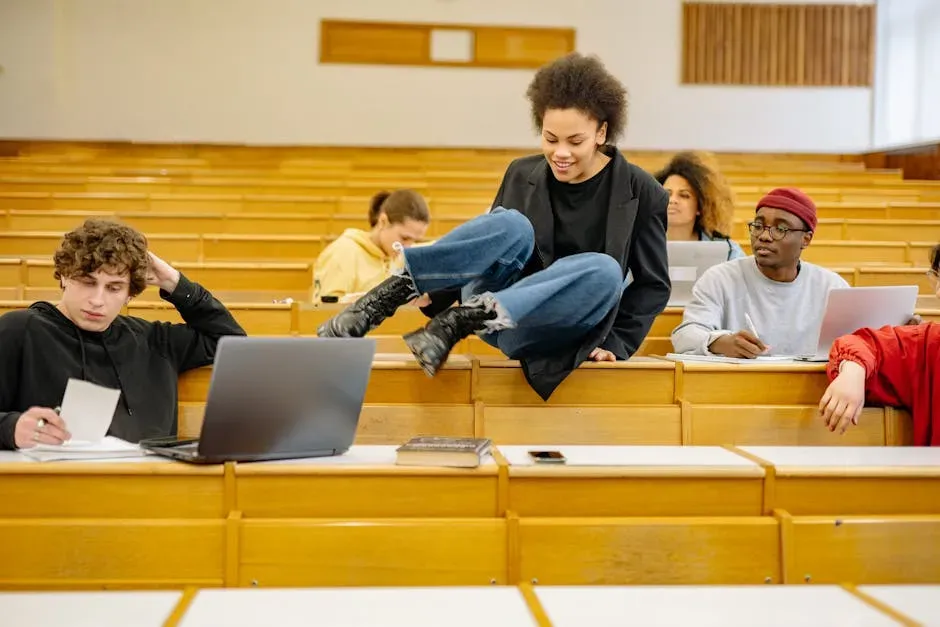
Owning up to mistakes and learning from them promotes personal growth and integrity. Students who deflect blame, make excuses, or argue defensively when corrected tend to create friction that extends well beyond themselves. Teachers have limited time and energy, and confrontational dynamics drain both.
Taking responsibility means owning your learning, behavior, and choices. A well-mannered student who makes an error, whether arriving late, forgetting an assignment, or speaking out of turn, acknowledges it simply and moves forward. Providing opportunities for students to reflect on their choices and set personal goals for improvement fosters self-awareness and responsibility for their actions.
10. Defying or Undermining the Instructor’s Authority
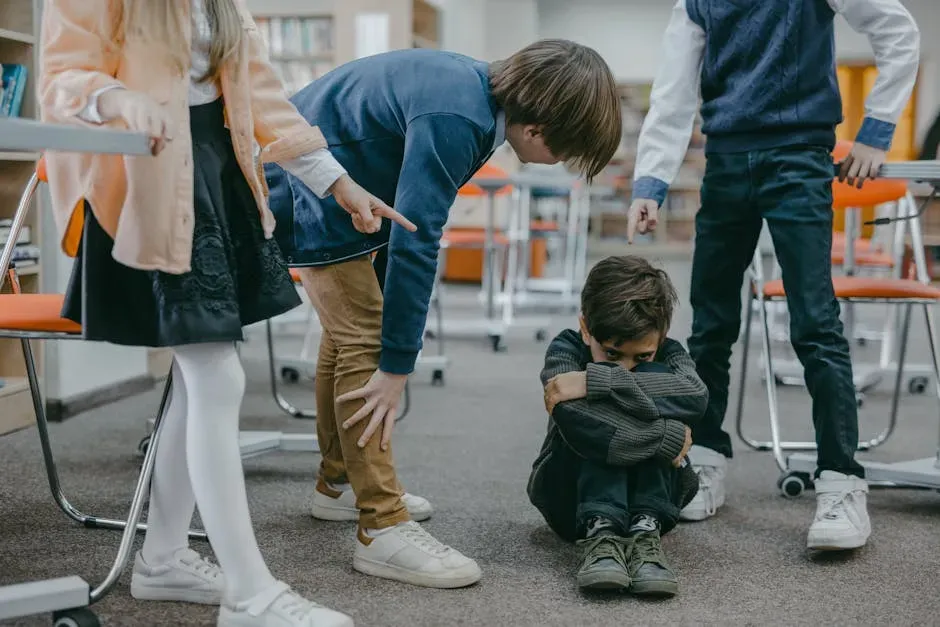
Students who consistently challenge the teacher’s authority, refuse to comply with requests or directives, or engage in power struggles create an environment where teaching becomes increasingly difficult for everyone involved. This kind of behavior goes beyond a single incident; it erodes the structure that the whole class depends on.
Learning is a group activity, and the behavior of each person in class affects the learning outcomes of others. Keeping these thoughts in mind makes the classroom experience a better one for everyone involved. Well-mannered students may not agree with every decision a teacher makes, but they find respectful ways to express disagreement, through questions, office hours, or calm dialogue, rather than open defiance that pulls the room into conflict.
Good classroom manners aren’t about obedience or performing politeness for its own sake. They reflect a genuine awareness that shared spaces require shared responsibility. The students who internalize that understanding don’t just make better classmates; they tend to become more thoughtful people outside the classroom too.