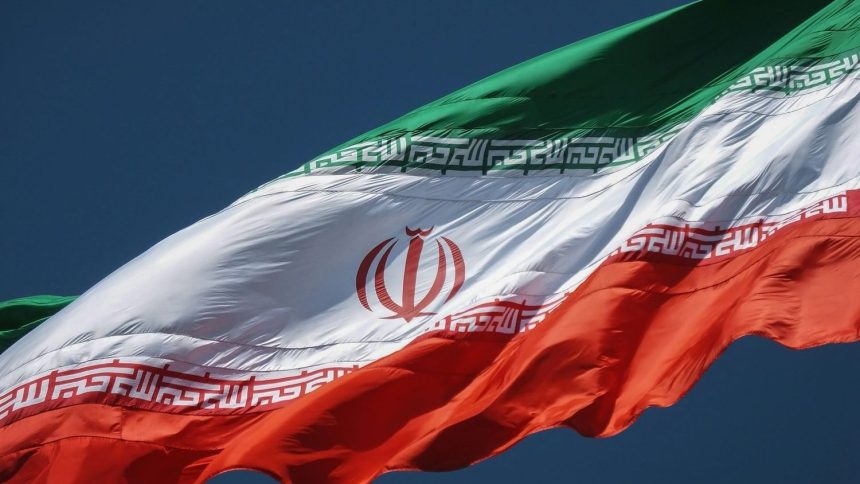
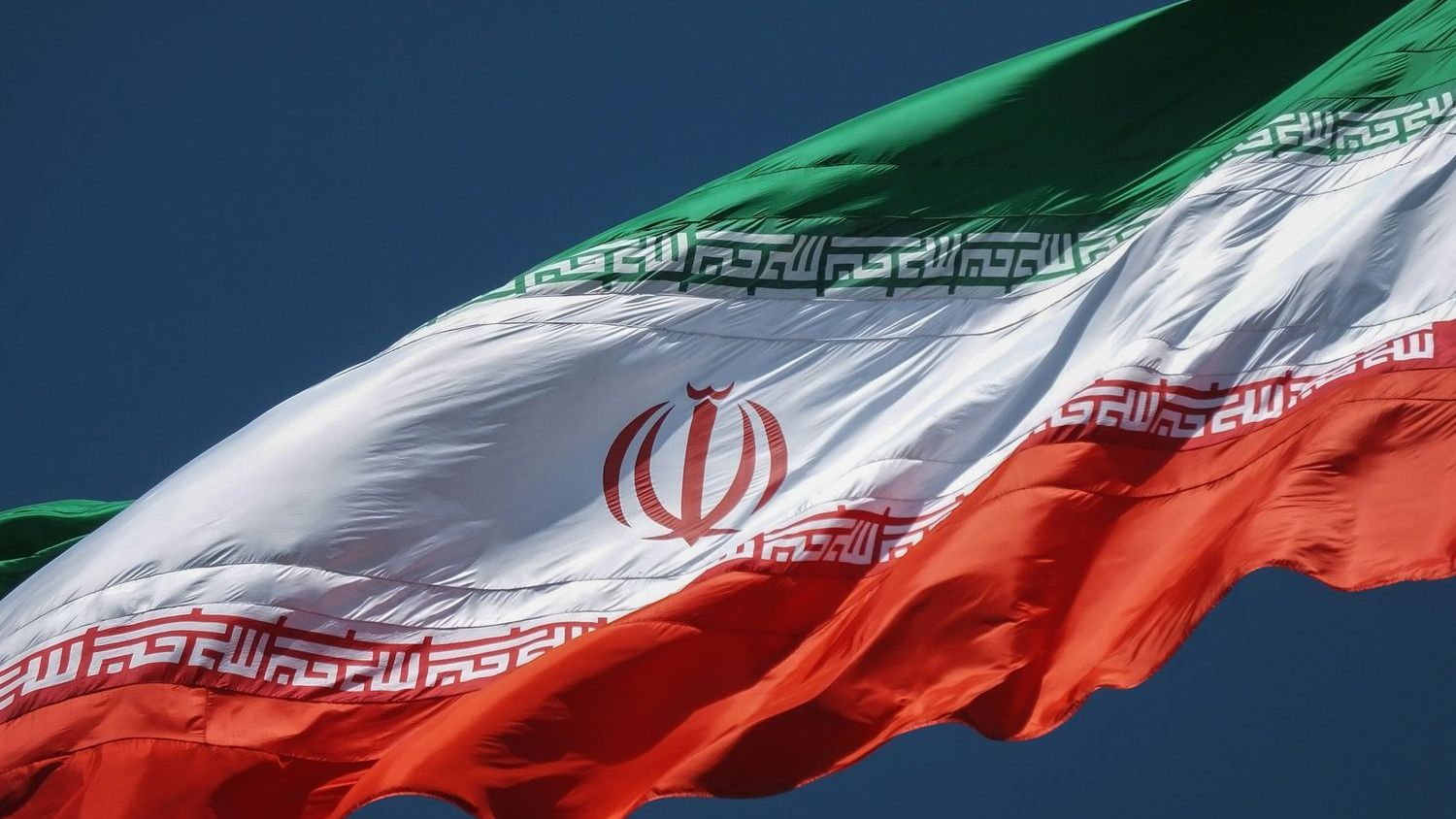

Trump says “Clock is Ticking” for Iran as shaky ceasefire continues – Image for illustrative purposes only (Image credits: Unsplash)
President Trump delivered a blunt assessment of the situation with Iran, making clear that the window for action is narrowing rapidly. His comments underscore the pressure on Iranian leaders to respond to ongoing diplomatic and security concerns before the fragile ceasefire unravels further. The remarks arrive at a moment when regional stability hangs in the balance, with multiple parties watching for any sign of escalation or de-escalation.
Urgent Words from the White House
During his statement, the president left little room for interpretation about the consequences of delay. He said there would not be anything left of Iranian leaders if they failed to get moving fast. The phrasing reflects a direct appeal for immediate steps rather than prolonged negotiations or hesitation.
Observers noted that the language aligns with a pattern of public pressure aimed at prompting quick decisions. Such statements often serve to signal resolve to both domestic audiences and international partners. The emphasis on speed suggests the administration views time as a critical factor in preventing further deterioration.
Fragile Truce Under Strain
The ceasefire in question has already shown signs of instability since it took effect. Violations or misunderstandings on either side could quickly erode the limited progress achieved so far. Stakeholders across the region, including neighboring governments and international organizations, continue to monitor compliance closely.
Partner offer

Practical effects of any breakdown would likely include disrupted supply lines, heightened security measures, and renewed uncertainty for civilian populations. The current arrangement has provided a temporary pause, yet its durability remains an open question for policymakers and analysts alike.
Stakeholders Watching the Timeline
Several groups stand to feel the direct impact of how events unfold in the coming days and weeks. These include:
- Regional governments seeking to avoid spillover effects from renewed conflict.
- International bodies tasked with facilitating talks or monitoring agreements.
- Commercial interests tied to energy markets and trade routes in the area.
- Humanitarian organizations preparing for potential displacement or aid needs.
Each of these parties has already begun adjusting contingency plans based on the latest signals from Washington. The shared goal remains avoiding a return to open hostilities while addressing underlying disputes.
Looking Ahead in a Tense Environment
The coming period will test whether the current pause can evolve into something more lasting. Iranian officials face internal and external pressures that could shape their response to the latest warning. Meanwhile, U.S. allies in the region weigh their own options for supporting stability or preparing for alternative scenarios.
Ultimately, the situation leaves ordinary citizens across affected areas facing continued uncertainty about safety and daily life. How leaders on all sides choose to proceed will determine whether the clock advances toward resolution or renewed confrontation.
Partner offer
Planning a trip to Vegas?
Compare hotel rates and show tickets on VEGAS.com.