A name on a book cover carries more weight than it might seem. It’s a declaration of identity, a signal to readers, sometimes a protective shield, and occasionally a completely invented persona with no direct connection to the person holding the pen. Throughout literary history, countless writers chose to step into print under a different name, whether to escape family judgment, dodge social prejudice, sidestep publishers’ expectations, or simply reinvent themselves entirely.
The reasons are as varied as the writers themselves. Some changes were practical. Others were deeply personal. A few were almost accidental. What’s striking, looking back across centuries of literature, is how often the assumed name outlasted the original one, and how thoroughly it shaped the work that followed.
1. Mark Twain (Samuel Langhorne Clemens)
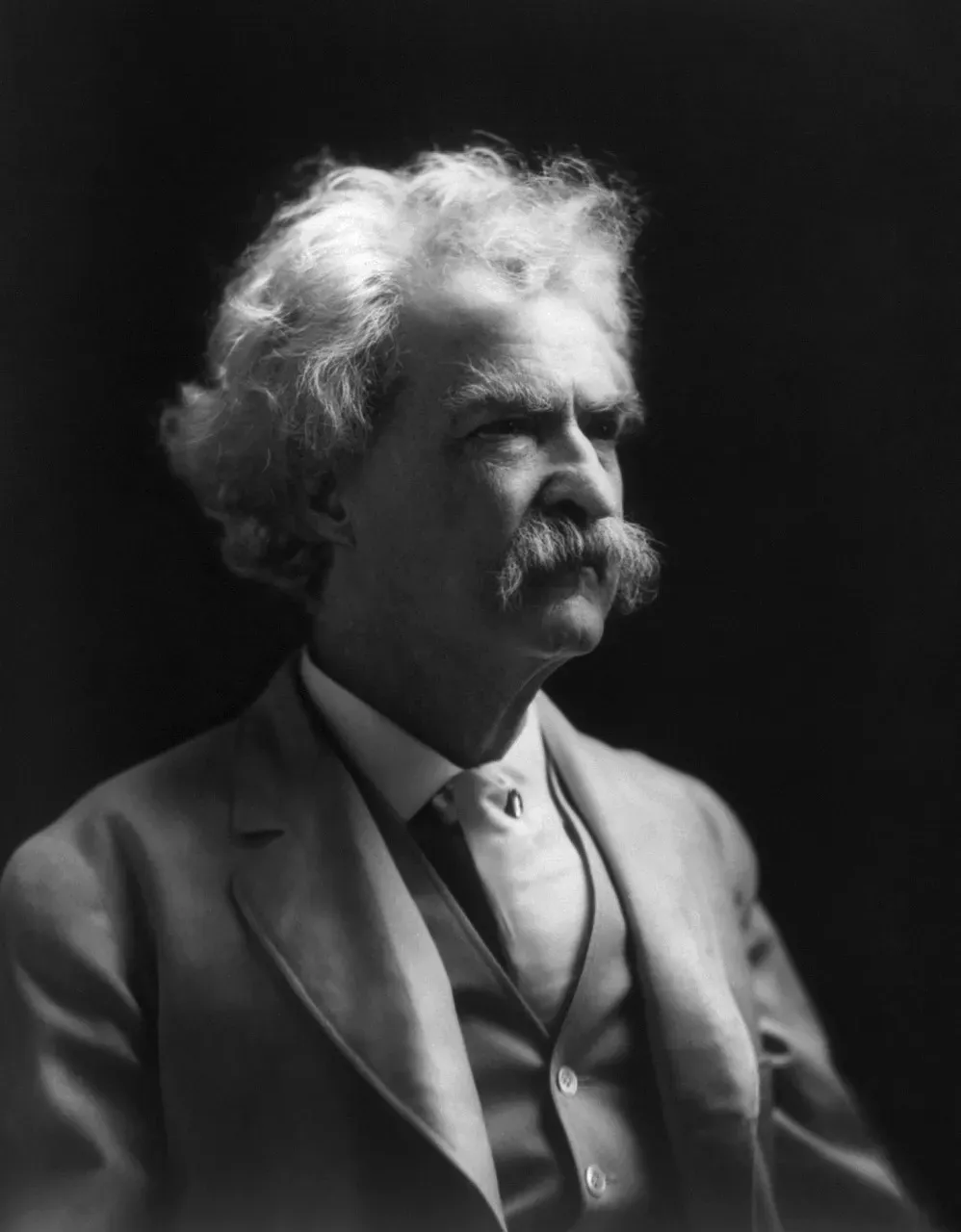
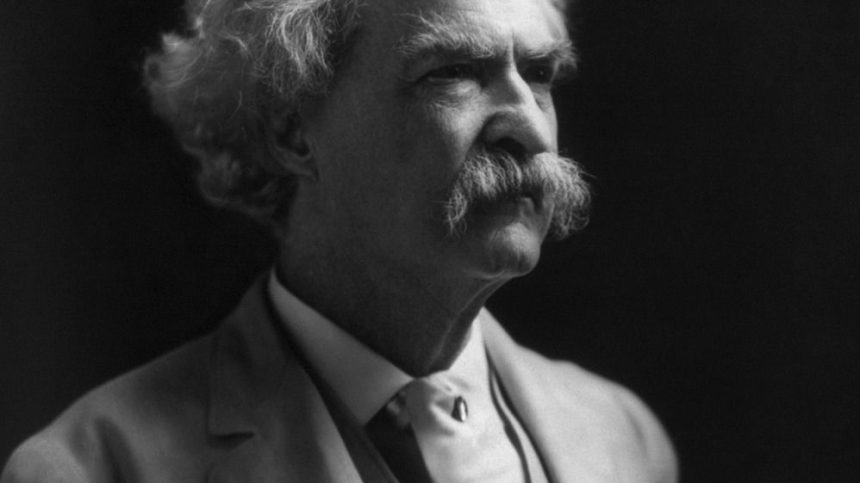
Samuel Langhorne Clemens adopted “Mark Twain,” a phrase from his days as a riverboat pilot, meaning two fathoms deep. The term “Mark Twain” is a river term that means “two fathoms,” or 12 feet, and its sounding on a riverboat meant it was safe to navigate the water. The name was practical in origin but became something far larger over time.
With works like The Adventures of Huckleberry Finn and The Adventures of Tom Sawyer, Twain exposed the contradictions and prejudices of his time, using wit as both shield and sword. What is less well known is that Clemens also wrote under the names Thomas Jefferson Snodgrass, Sergeant Fathom, and W. Epaminondas Adrastus Blab. He chose to write under pen names as a way to have literary freedom, and also as a way to protect his family from repercussions due to the content and opinions in his books.
2. George Orwell (Eric Arthur Blair)
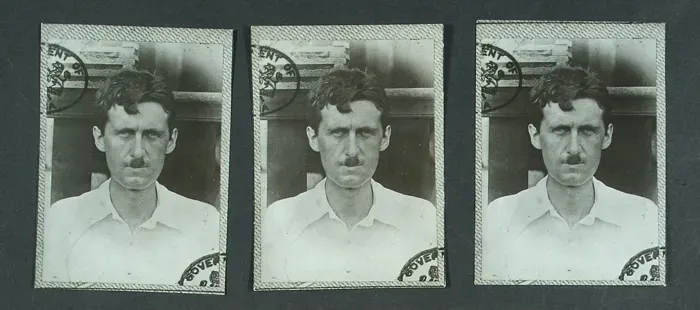
He worried that his writing would embarrass his family, so he adopted the pseudonym George Orwell prior to the publication of his first book, the nonfiction autobiographical work Down and Out in Paris and London, in 1933. According to the Orwell Foundation, the name George Orwell is a mix of the name of the reigning monarch, King George VI, and that of a local river. It was, in other words, a quintessentially English name chosen by a very English writer trying to sound like one.
In time his nom de plume became so closely attached to him that few people but relatives knew his real name was Blair. The change in name corresponded to a profound shift in Orwell’s lifestyle, in which he changed from a pillar of the British imperial establishment into a literary and political rebel. Orwell is best known for his allegorical novella Animal Farm (1945) and the dystopian novel Nineteen Eighty-Four (1949). Those two titles alone secured his place among the most influential writers of the twentieth century.
3. George Eliot (Mary Ann Evans)
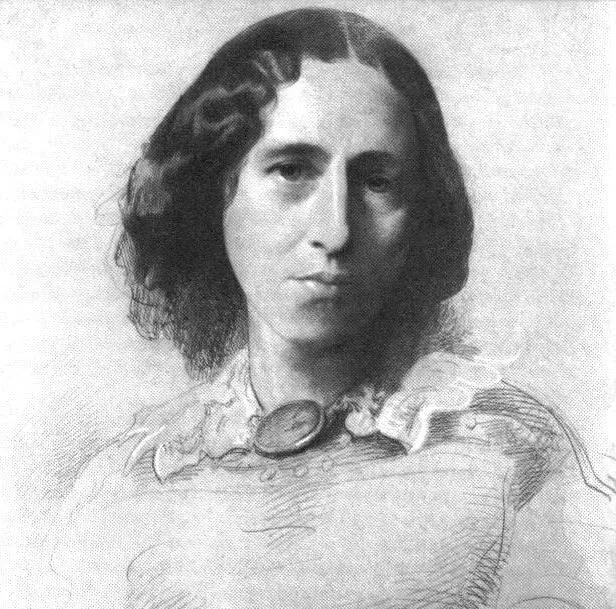
Like the majority of female writers in the 19th century, Mary Ann Evans used a male pseudonym so that her works would be taken more seriously. Her pen name, George Eliot, came around 1857 when Evans published her first short story titled “Amos Barton.” Evans took the name “George” from philosopher and her lover George Henry Lewes, to whom she never married but lived with until his death.
By age 27, she was Europe’s most popular writer, outselling Victor Hugo and Honoré de Balzac in England during the 1830s and 1840s. Evans crafted her entire literary career and legacy under her pen name. Works like Middlemarch went on to be considered among the greatest novels in the English language, a legacy built entirely under a borrowed identity.
4. George Sand (Amantine Lucile Aurore Dupin)
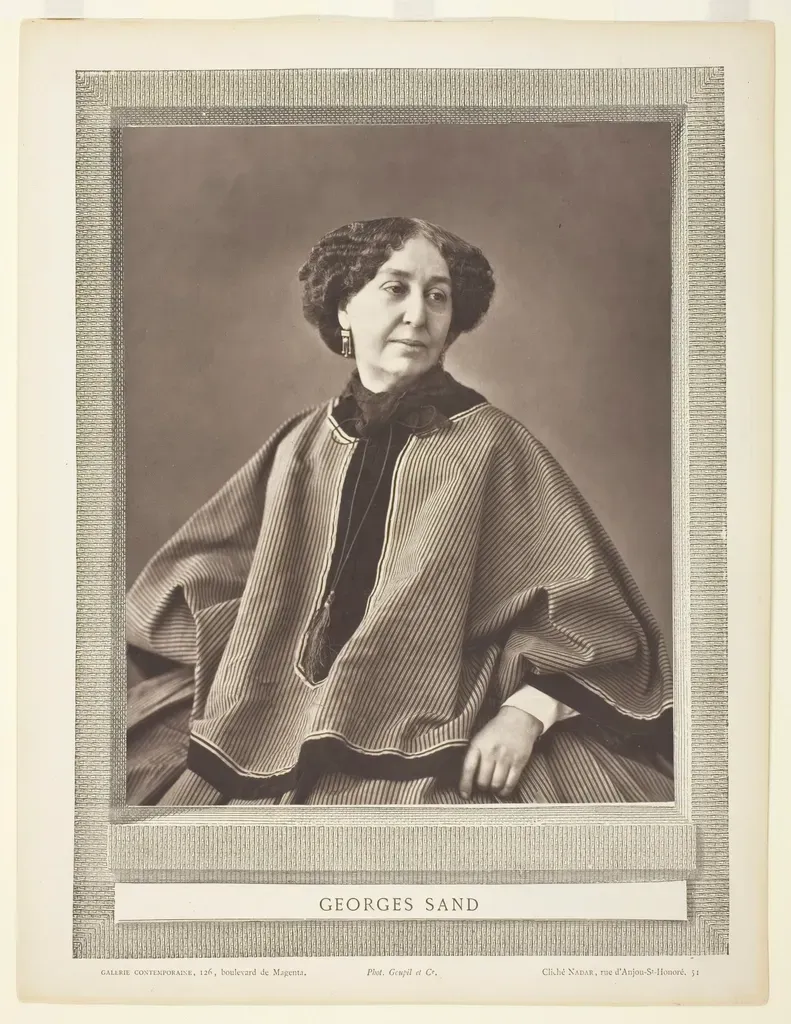
Amantine Lucile Aurore Dupin first collaborated with writer Jules Sandeau, signing their work “Jules Sand.” When she struck out on her own, she kept “Sand” and added “George” to create a deliberately ambiguous pseudonym. The masculinity of that name was strategic. It opened doors that a woman’s name, at that moment in French literary culture, would have kept firmly shut.
Amantine Lucile Aurore Dupin wrote under the pseudonym George Sand, a name partly generated from her romance and professional collaboration with French writer Jules Sandeau. Sand became one of the most prolific and controversial figures of 19th-century European literature, writing more than seventy novels and countless essays while also living openly outside the conventions expected of women of her time. The name George Sand became, paradoxically, more famous than the woman who invented it.
5. Lewis Carroll (Charles Lutwidge Dodgson)
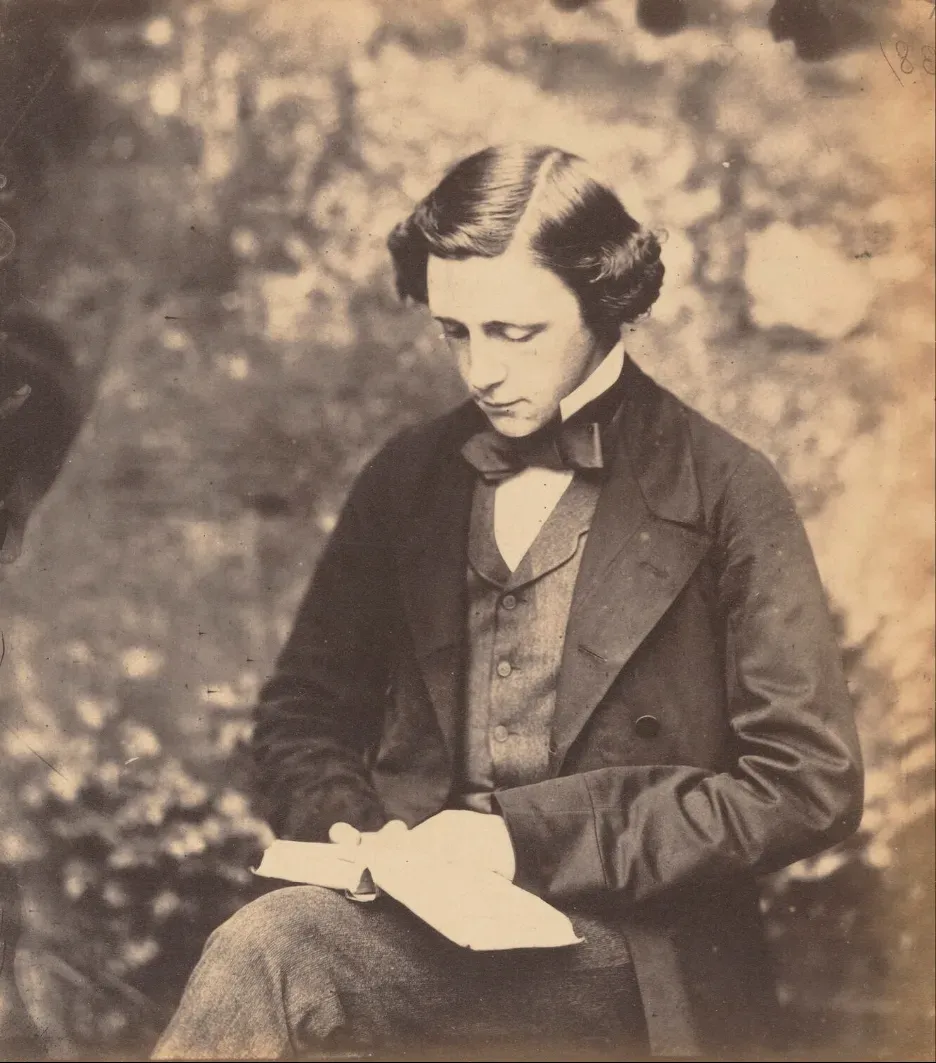
Dodgson adopted his pen name in 1856 because, according to the Lewis Carroll Society of North America, he was modest and wanted to maintain the privacy of his personal life. Dodgson came up with the alias by Latinizing Charles Lutwidge into Carolus Ludovicus, loosely Anglicizing that into Carroll Lewis, and then changing their order. It’s one of the more elaborate name constructions in literary history, built from the bones of his own birth name.
The Oxford scholar used this pseudonym to keep his academic life separate from his literary career, even refusing letters addressed to Lewis Carroll at his university office. Author of Alice’s Adventures in Wonderland and Through the Looking-Glass, Lewis Carroll was the pen name of Charles Lutwidge Dodgson. Those two books became among the most beloved and analyzed works in children’s literature, studied by academics for their logic puzzles, wordplay, and psychological undertones.
Partner offer
6. Pablo Neruda (Ricardo Eliécer Neftalí Reyes Basoalto)
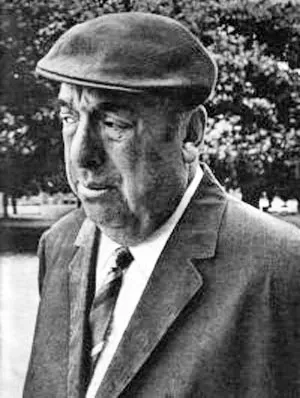
A young Neruda adopted his pen name around 1920 when he started writing for the literary journal “Selva Austral.” To avoid conflict with his family, who disapproved of his occupation, Neruda crafted his alias from the deceased Czechoslovak poet Jan Neruda. The family disapproval was real and immediate, making the name change both a creative act and a quiet act of defiance.
By 1946, Neruda legally changed his name to match and embrace the poetic and politically charged identity he had created for himself over the years. Neruda’s passionate voice and vivid imagery made him a literary superstar in Latin America and across the world. He received the Nobel Prize in Literature in 1971, and the name Ricardo Reyes Basoalto is today barely remembered even by devoted readers of his poetry.
7. Toni Morrison (Chloe Ardelia Wofford)
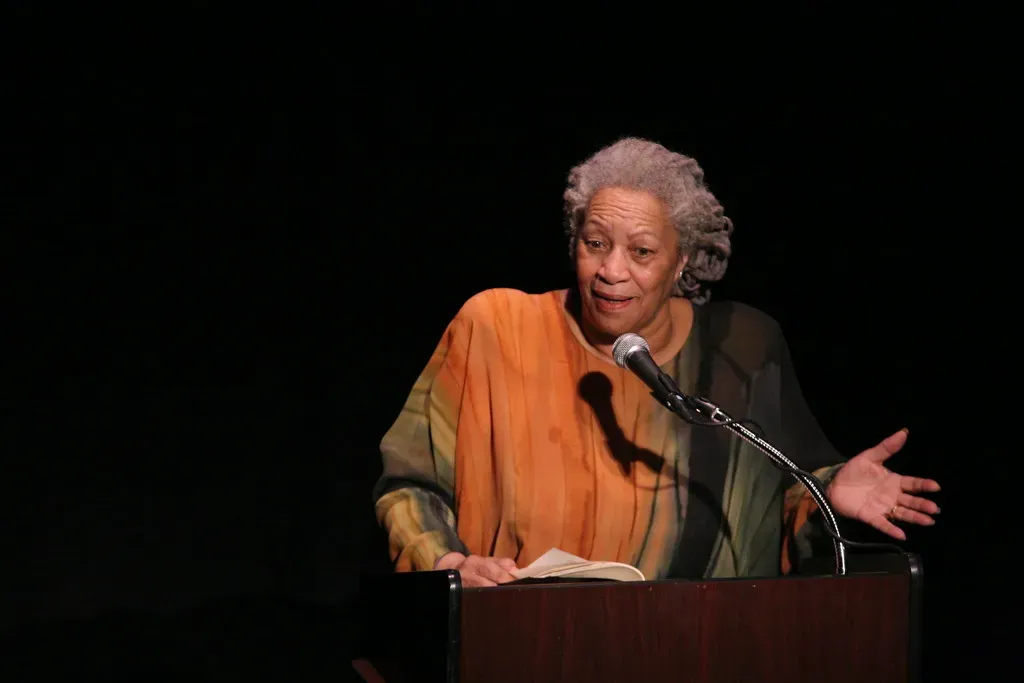
Chloe Anthony Wofford “Toni” Morrison was born Chloe Ardelia Wofford. Chloe apparently wasn’t a very common name at the time, and “nobody could pronounce it properly outside my family,” Morrison later said. When she went to college, someone called her Toni, and the nickname stuck. The name Morrison came from her marriage, and she kept it even after the divorce.
Ironically, Morrison once said she had hoped to publish under her maiden name. “I really would have preferred Toni Wofford,” she said, but the publisher of her first book had already registered it under “Toni Morrison.” In 1993 Morrison made history as the first African American woman to win the Nobel Prize in Literature. In 1988, Morrison won the Pulitzer Prize for Beloved. A name she’d initially preferred to change became one of the most decorated names in American literary history.
8. Voltaire (François-Marie Arouet)
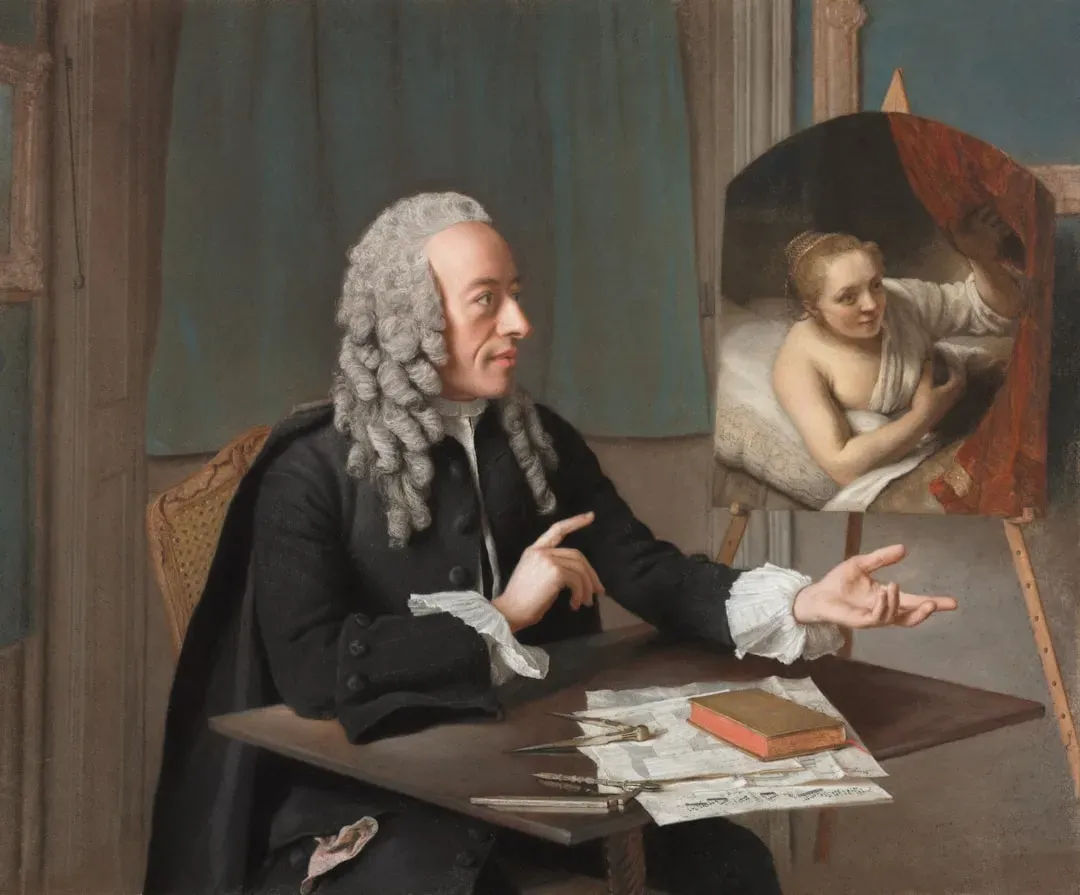
François-Marie Arouet published under, and is eternally known by, a pen name: Voltaire. That was just one of the nearly 200 pen names he used during his lifetime for various reasons, including to avoid the authorities when his writing became just a little too radical. The pen name wasn’t just a preference; at times it was a matter of personal safety.
With a literary career stretching over 60 years, Voltaire may be one of the most immortal pen names of literature. While the origins of his pen name are unclear, it’s been suggested that the adoption of Voltaire was a result of rejecting Arouet’s family name due to a strained relationship with his father. The most popular theory remains that “Voltaire” was an anagram of a Latinized spelling of “Arouet,” but others claim it could have been Arouet’s nickname “Voluntaire.” Today the birth name Arouet is a footnote; Voltaire is a monument.
9. Stephen King (as Richard Bachman)

When King first started his writing career, it was a common belief in the publishing world that an author could only successfully release one book per year. In order to bypass this belief, King created the pseudonym “Richard Bachman,” so that he could release multiple books per year. King came up with the name on a whim while on the phone with his publisher; with a Richard Stark book on his desk and a Bachman-Turner Overdrive song playing in the background, Richard Bachman was born.
King was also growing concerned over whether his success was due to skill or dumb luck. To duck the first problem and address the latter concern, he wrote Rage (1977), a now out-of-print book about a school shooting, under the name Richard Bachman. The pseudonym was exposed by Steve Brown, a bookstore clerk in Washington, DC who had noticed similarities between Bachman and King’s works. The prolific author would later dedicate his 1989 novel The Dark Half, about a pseudonym turning on the writer who created them, to “the deceased Richard Bachman.”
10. J.K. Rowling (Joanne Rowling)

Joanne Rowling’s publishers weren’t sure that the intended readers of the Harry Potter books, pre-adolescent boys, would read stories about wizards written by a woman, so they asked her to use her initials on the book instead of her full name. Rowling didn’t have a middle name, though, and had to borrow one from her grandmother Kathleen to get her pen name J.K. Rowling. A borrowed initial became one of the most recognized combinations of letters in publishing history.
As a dynamic writer, Rowling ventured into writing crime fiction where she adopted the pseudonym Robert Galbraith to release new work without hype or expectation. In fact, no one had any idea Rowling was Galbraith until an investigation into forensic linguistics led by England’s Sunday Times revealed an extremely similar writing style between the author’s works. The J.K. experiment succeeded beyond anything her publishers could have predicted, and the Robert Galbraith chapter revealed something else: that even after achieving global fame, a writer might still want to know whether the work can stand on its own, completely stripped of the name attached to it.
What runs through all ten of these stories isn’t just reinvention. It’s the quiet recognition that a name shapes how a book is received, sometimes even before a single page is read. The writers here understood that, each in their own way, and the names they chose or stumbled into became inseparable from the work they created beneath them.
Partner offer
Planning a trip to Vegas?
Compare hotel rates and show tickets on VEGAS.com.