Every band has an origin story, but not every band has a name to go with it right away. Some of the biggest acts in rock history spent months, or sometimes just a few frantic hours, without any real identity at all. A gig would be booked, a demo would be ready to send out, or a record label would set a deadline, and suddenly a scramble would begin to figure out what to call themselves. What’s striking about these stories is how often the name that stuck was never the plan. It came from a shouted suggestion, a legal threat, a rejected list, or sheer exhaustion after rejecting dozens of other options. Here are eleven bands whose now iconic names were decided closer to the wire than most fans realize.
Guns N’ Roses: a merger with no time to spare
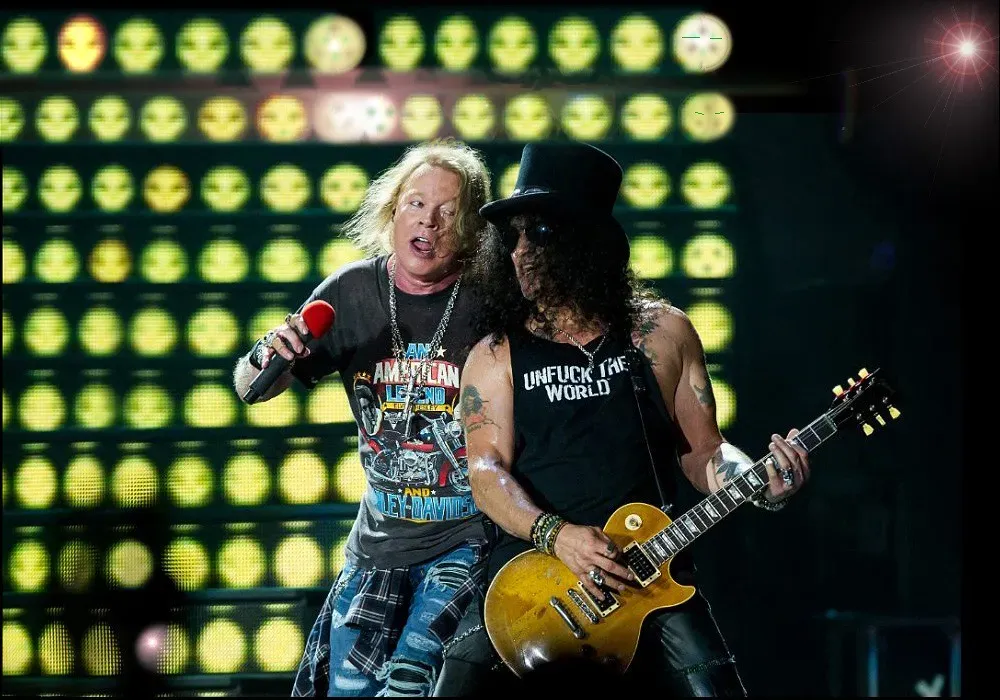
Before there was Guns N’ Roses, there were two separate, struggling Los Angeles bands trying to survive the competitive Sunset Strip scene of the mid 1980s. In March 1985, Hollywood Rose merged with L.A. Guns to become Guns N’ Roses. The new name was simply a combination of the two groups that had just folded into one, chosen quickly so the band had something to call itself before they even played a show.
The chaos didn’t stop once the name was settled, either. Shortly after forming, before Guns N’ Roses even played a commitment, guitarist Tracii Guns left to reform L.A. Guns. That meant the band that debuted under the freshly merged name wasn’t even fully the lineup that had inspired it, a detail that makes the last minute nature of the whole thing even more obvious.
Radiohead: a rename pulled from a Talking Heads song

Long before “Creep” made them famous, the five members of Radiohead were playing under a name that referred to nothing more than their weekly practice schedule. Radiohead was not always known as Radiohead, and when they first started as a band, they named themselves “On a Friday” because that was when they held their rehearsals. It was a placeholder name from the start, the kind bands pick when they’re focused on the music and not the branding.
The actual switch came together quickly and under some pressure. It didn’t take long for them to move away from the original name, and just a few years later, their record label requested the change. Their new name came from the Talking Heads’ song “Radio Head” in a last minute decision, made only once the label made clear that “On a Friday” wasn’t going to work.
The Who: a name picked the day before it mattered

Roger Daltrey, Pete Townshend, and John Entwistle spent years performing as The Detours, a fairly ordinary name for a fairly ordinary young band. The problem arrived suddenly, when they discovered they weren’t the only ones using it. After finding out about another band called The Detours in 1964, they had to change their name to The Who.
What followed was a genuinely last minute brainstorm. Townshend and his housemate Richard Barnes thought up a few joke names like No One, The Group, and The Hair, before Daltrey picked The Who from their list the next day. A single overnight decision, made from a list of throwaway options, gave one of rock’s most enduring bands its permanent identity.
Fall Out Boy: named by a stranger in the crowd

Pete Wentz and Joe Trohman had already recruited Patrick Stump and booked their second ever gig before they had settled on a name for the group. After the successful audition of Patrick Stump, the group had its members but did not know what to call themselves, so at their second show in 2001, the then nameless band shouted out to the crowd asking what they should be called. It’s a remarkably casual way to solve a problem most bands agonize over for weeks.
The answer came from someone in the audience, not from the band itself. An audience member shouted out “Fallout Boy,” the name of Radioactive Man’s sidekick on The Simpsons, and the band adopted it on the spot. They reportedly didn’t even realize it was a cartoon reference at first, which makes the decision to keep it feel even more spontaneous.
Nirvana: rejecting a joke name at the eleventh hour
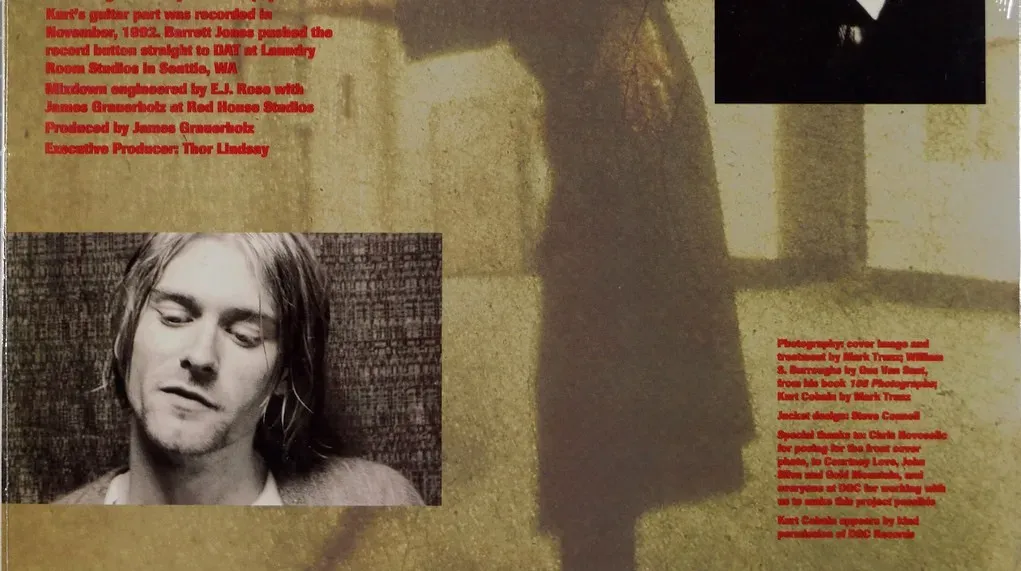
Kurt Cobain’s band wasn’t originally called Nirvana at all. They performed for a while as Skid Row, a perfectly reasonable choice until it collided with another band using the exact same name. When the ’80s hair metal band Skid Row got successful, a punk influenced rock band from Washington also named Skid Row had to change its name.
What happened next is one of the more amusing footnotes in rock history. After rejecting the option “Pen Cap Chew,” the band went with Nirvana instead. It’s hard to imagine one of the defining bands of the 1990s performing under a name that sounds more like a dental hygiene product, and yet that was seriously on the table before Nirvana won out.
Blur: chosen from a label’s suggestion list

Damon Albarn’s band started life under a much more literary name, one that referenced a piece of classic American fiction. The band Seymour formed in England in 1988, named for J.D. Salinger’s story “Seymour: An Introduction,” and Food Records signed them a year later but insisted the group change its name. The label wasn’t offering a suggestion so much as an ultimatum, and the band had to move fast.
Partner offer
Rather than let the band brainstorm freely, the label simply handed them options to pick from. A label employee gave them a list to choose from, including Sensitized, Whirlpool, and the one they went with, Blur. It’s a strange way for one of Britpop’s defining names to come into existence, essentially chosen off a shortlist under time pressure from a record company.
Pearl Jam: a temporary name that almost became permanent

Before settling on Pearl Jam, the Seattle band needed something to put on a flyer for an upcoming show, and they weren’t picky about where the inspiration came from. Pearl Jam originally named their band after the NBA basketball player Mookie Blaylock, and at the time they just needed a temporary name for a show. It was meant to be a stopgap, not a lasting identity.
The temporary tag turned out to carry real risk, and the band had to react quickly. However, to avoid legal trouble, they quickly settled on their permanent name, Pearl Jam. Blaylock’s jersey number, 10, still shows up as a nod to the band’s original working name on their debut album, a small trace of just how close the placeholder came to sticking.
The Beach Boys: renamed without even knowing it
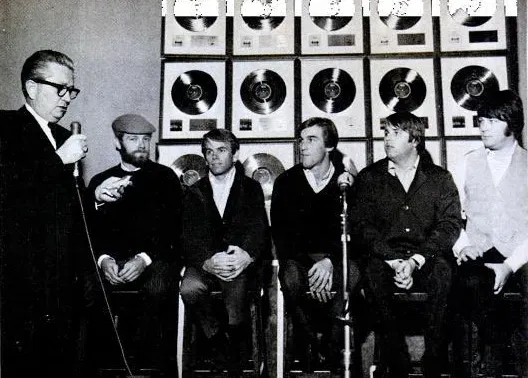
Before they were harmonizing about California and surfboards under the name Beach Boys, the group performed as The Pendletones, a nod to a popular brand of wool shirt in the surf scene. In dedication to surf culture, The Beach Boys originally named the band The Pendletones after the Pendleton wool shirts, but their record label pushed back, wanting to rename the group The Surfers. That name, however, was already taken by someone else.
What happened next is one of the more unusual name changes in music history, mostly because the band had no say in it. After discovering it was already taken, music executive Russ Regan committed to renaming them The Beach Boys without alerting the band members, and in fact they found out after their records were released. The label made the call on its own timeline, and the band simply had to accept the name that greeted them on their own single.
Green Day: a quick fix to avoid confusion

Billie Joe Armstrong’s band started out under a far more innocent sounding name during their earliest days playing around the East Bay punk scene. Green Day once went by the name Sweet Children. It fit the band’s youthful energy at the time, but it created a practical problem almost immediately.
The overlap with another act proved too confusing to ignore for long. There was another popular band named Sweet Baby, and many confused the two, so Green Day made their switch in 1989, just one year after forming. The change happened quickly once the mix ups became a regular headache, and the new name has carried the band for nearly four decades since.
Death From Above 1979: forced to rename under legal pressure

The Canadian dance punk duo originally performed simply as Death From Above, a name that fit their aggressive, stripped down sound perfectly. The duo were originally known simply as Death From Above but ran into some legal trouble with the influential New York City label, DFA Records. The clash wasn’t a coincidence of similar branding so much as a direct conflict with an active project on the label’s roster.
The real complication came from one specific person at that label. Label co-founder James Murphy had pegged Death From Above as a working name for an LCD Soundsystem side project, which put the duo’s original name in direct dispute. Facing a legal threat rather than a creative disagreement, the band tacked on “1979” to their name as a quick resolution, a fix that let them keep almost everything about their original identity intact while settling the conflict.
Deftones: kept their name only because time ran out

Long before Deftones became one of the defining names in alternative metal, the band came close to losing that name entirely. After facing pressure from industry executives, Deftones nearly changed their band name before signing their first record deal. A Roadrunner Records executive had concerns that the name felt too tied to other trends of the early 1990s and pushed hard for something different.
What ultimately saved the name wasn’t a clever counterargument from the band. It was simply a lack of time. The band’s manager later revealed that another label had also pushed for a name change, but the band took too long to decide, so the label just went along with “Deftones.” In other words, one of nu metal’s most recognizable names survived purely because nobody made a final call before the deadline passed.
Looking back at all eleven of these stories, a pattern emerges that has little to do with careful branding strategy. Names arrived through mergers forced by circumstance, suggestions shouted from a crowd, legal letters from unrelated labels, or simple indecision that ran out the clock. What connects Guns N’ Roses to The Who, or Fall Out Boy to the Beach Boys, is that none of them treated their name as sacred until it was already too late to change it. The lesson, if there is one, is that a band’s identity often has less to do with intention than with whatever happened to be available when the deadline hit.Partner offer
Planning a trip to Vegas?
Compare hotel rates and show tickets on VEGAS.com.