History books tend to credit the big names, the presidents, the generals, the philosophers who shaped their eras. Yet behind many of the decisions that changed borders, ended wars, or founded nations, there was often a quieter figure: a friend with no official title, no army, and no vote, but with just enough trust to tip the scales. These relationships rarely make it into textbooks, though their fingerprints are all over the twentieth century and beyond. What follows are nine such friendships, pairs of people whose personal bond quietly steered decisions that outlasted them both. Some of these names will be familiar. Others have been reduced to footnotes, even though their influence was anything but minor.
Harry Truman and Eddie Jacobson: the haberdasher who helped birth a nation
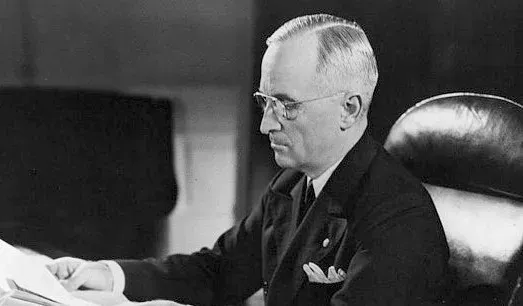
Harry Truman and Eddie Jacobson met in 1906 at a Kansas City bank where Truman worked as a clerk and Jacobson, then a teenager, made deposits for a local dry goods store. They met in 1906, when Eddie was 15 and Grandpa, 22. The two later served together in World War I and even ran a failed haberdashery business afterward, a shared failure that somehow deepened rather than damaged their bond.
By 1948, that decades old friendship mattered more than anyone could have guessed. During a memorable face-to-face encounter at the White House on March 13, 1948, it was Jacobson who persuaded Truman to meet with Dr. Chaim Weizmann, the leader of the Zionist movement. Two months later, on May 14, 1948, the United States became the first nation to grant diplomatic recognition to the new state of Israel. It was a private favor between old friends that helped set American foreign policy on a course still felt today.
Woodrow Wilson and Colonel Edward House: the advisor with no office
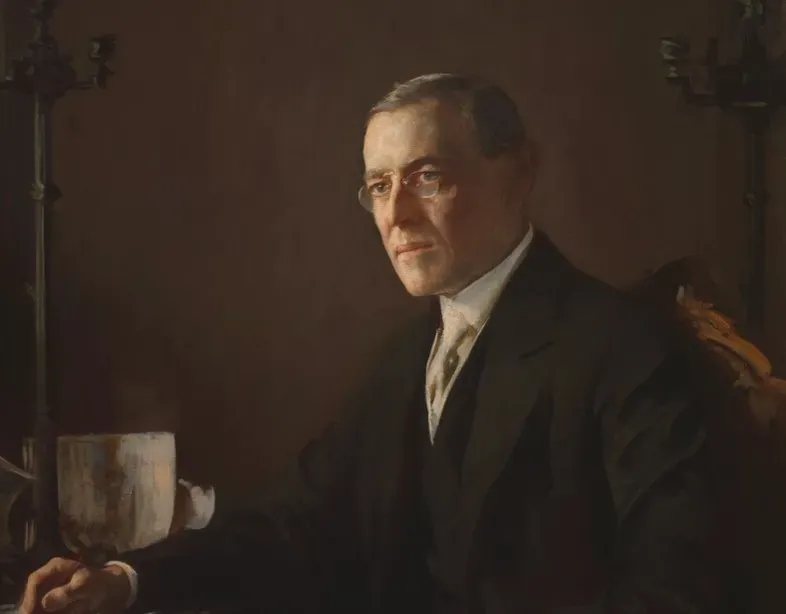
Edward Mandell House never held elected office, yet he became arguably the second most powerful man in Washington during World War I. Edward Mandell House, better known as Colonel House, was a pivotal figure in American politics and diplomacy during World War I, serving as President Woodrow Wilson’s closest advisor and confidant from 1913 to 1919. He had already made his name in Texas politics before turning his attention to Wilson’s national ambitions.
House’s private diplomatic missions to Europe shaped Wilson’s thinking well before the United States entered the war. Between 1913 and 1917, Colonel Edward House, President Woodrow Wilson’s closest friend and advisor, undertook several missions to Europe, and his advice deriving from these trips was extremely influential upon Wilson’s foreign policy, evolving into a pro-Allied stance that influenced Wilson’s ultimate decision to have the United States enter the war on the Allied side. Wilson once said of him that their thoughts were one, a closeness that eventually collapsed in 1919 over disagreements at the Paris Peace Conference, but not before House had helped push America into the war and shape the peace that followed.
Franklin Roosevelt and Harry Hopkins: the friend who lived in the White House
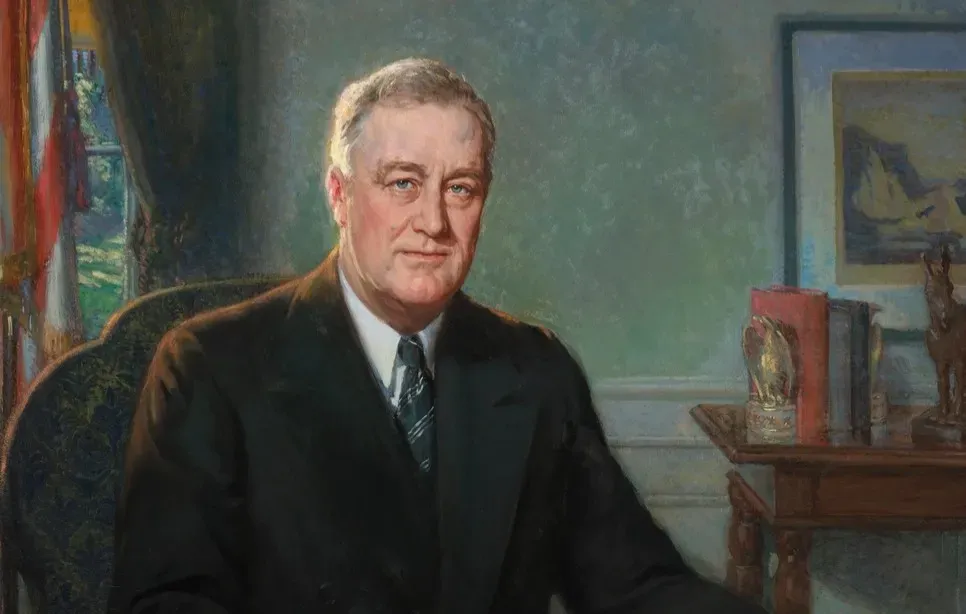
Few friendships in American political history were as physically close as this one. Hopkins was the president’s trusted advisor, his close friend, his gatekeeper, and for three and a half years, his house guest. He had never held elected office either, yet Roosevelt gave him extraordinary authority over the country’s response to the Great Depression.
When war broke out in Europe, that same trust carried Hopkins into an entirely different role. During the war years, Hopkins acted as FDR’s unofficial emissary to Winston Churchill and Joseph Stalin, as administrator of Lend-Lease, and as the shadowy figure behind Roosevelt at the Big Three conferences. A friendship built on relief programs and shared purpose ended up shaping the alliance that defeated fascism.
T.E. Lawrence and Prince Faisal: an alliance that redrew the map
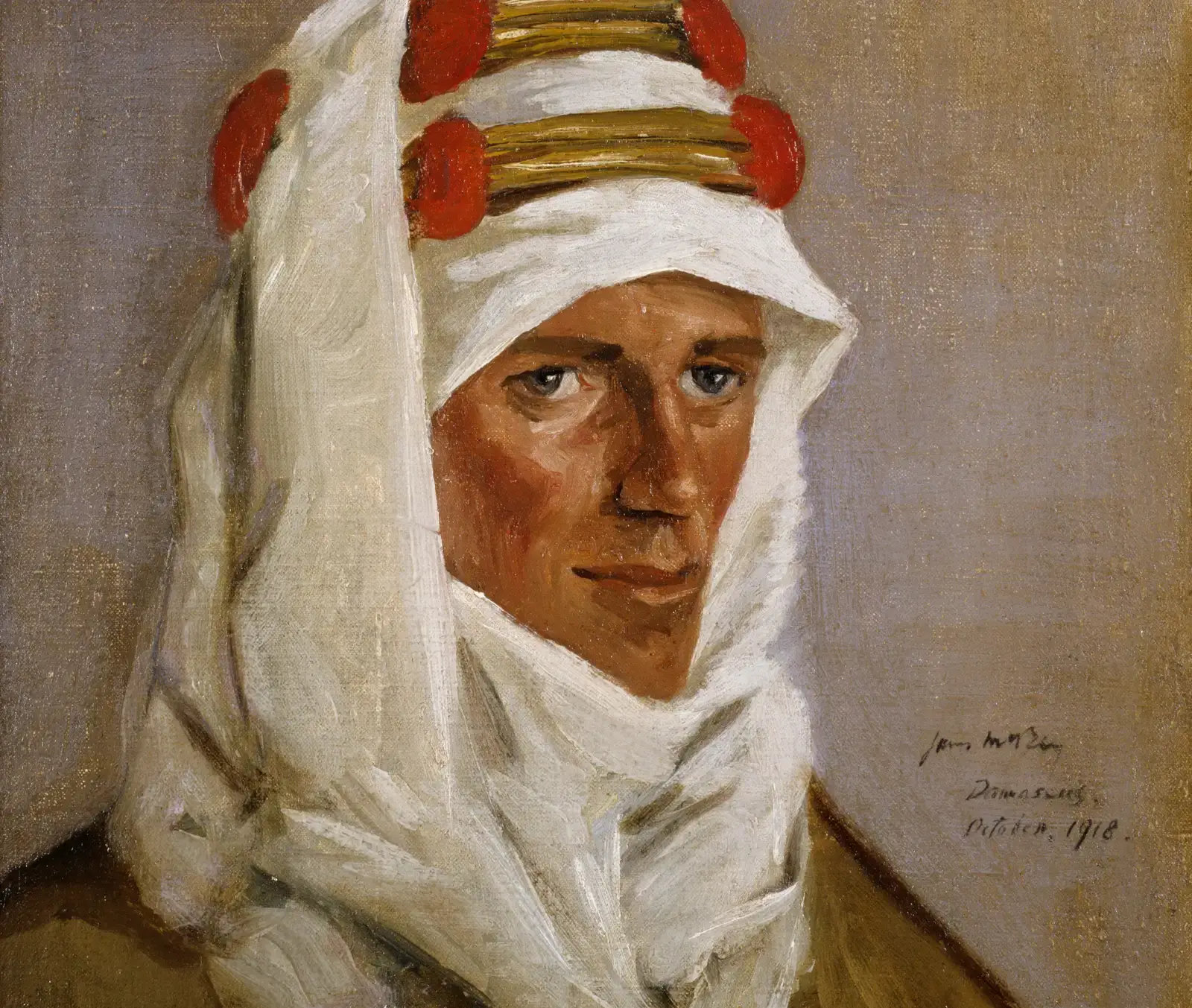
T.E. Lawrence arrived in Arabia in 1916 as a junior British officer with an unusual gift for connecting with people far outside his own world. Over the course of that ten-day visit, Lawrence managed to fully insinuate himself in the Arab rebel cause, and to win the confidence of Hussein’s chief battlefield commander, his third son, Faisal. What began as a wartime assignment grew into a genuine friendship between the two men.
That bond helped drive the Arab Revolt against Ottoman rule and later carried both men to the negotiating table in Paris. Lawrence was seeking a ruler to lead the stalled Arab rebellion against the Ottoman Empire, and with the Emir in charge and the British supplying aid, the rebellion began in 1916, with Arab troops reaching the city of Damascus two years later. The borders that emerged from those postwar negotiations still shape Middle Eastern politics, a legacy neither man fully anticipated when they first met in the desert.
John F. Kennedy and David Ormsby-Gore: the ambassador who helped avert a nuclear war
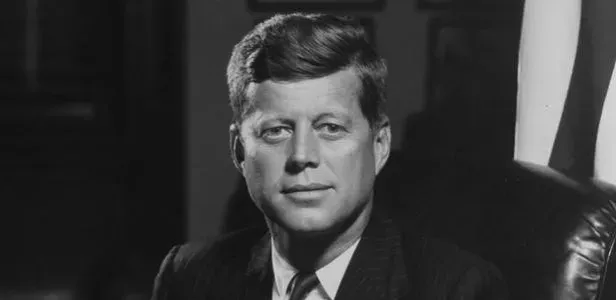
Kennedy and Ormsby-Gore had known each other since the 1930s, when Kennedy’s father served as American ambassador in London. His long-standing friendship with John F. Kennedy began years earlier when Joseph Kennedy Sr., JFK’s father, served as the American Ambassador in London. By the time Ormsby-Gore became British ambassador to Washington, he had become far more than a diplomat to the Kennedy family.
Partner offer
During the tensest days of October 1962, that friendship gave Kennedy a sounding board unlike any other advisor in the room. During lunch on October 21, Kennedy told Ormsby-Gore of the missiles and the two choices that he saw, a blockade or an air strike, and when asked which option was best, Ormsby-Gore said a blockade, because an air strike would damage the U.S. politically, and Kennedy said that was the choice he had made. A quiet conversation between two old friends helped confirm the path that avoided a catastrophic escalation.
Catherine the Great and Voltaire: letters that shaped an empire’s image
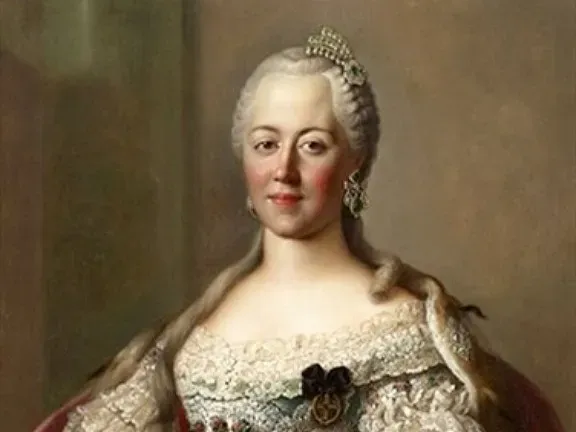
Catherine II of Russia never met Voltaire in person, yet their correspondence, stretching across the 1760s and beyond, became one of the most consequential pen friendships of the Enlightenment. She wrote to him regularly, seeking his approval and using his praise to burnish her reputation as an enlightened monarch in the eyes of Western Europe. Voltaire, for his part, was flattered to have a reigning empress as a correspondent and became one of her most vocal defenders abroad.
This unlikely friendship gave Catherine political cover for reforms she wanted associated with progress, from legal codification efforts to her patronage of the arts and sciences. It also shaped how Russia was perceived internationally at a time when the country was often dismissed as backward by Western courts. The correspondence did not dictate specific policies, but it gave Catherine a framework of Enlightenment language and legitimacy that influenced how she justified her rule at home and abroad.
Abraham Lincoln and Joshua Speed: the friendship that shaped a young politician
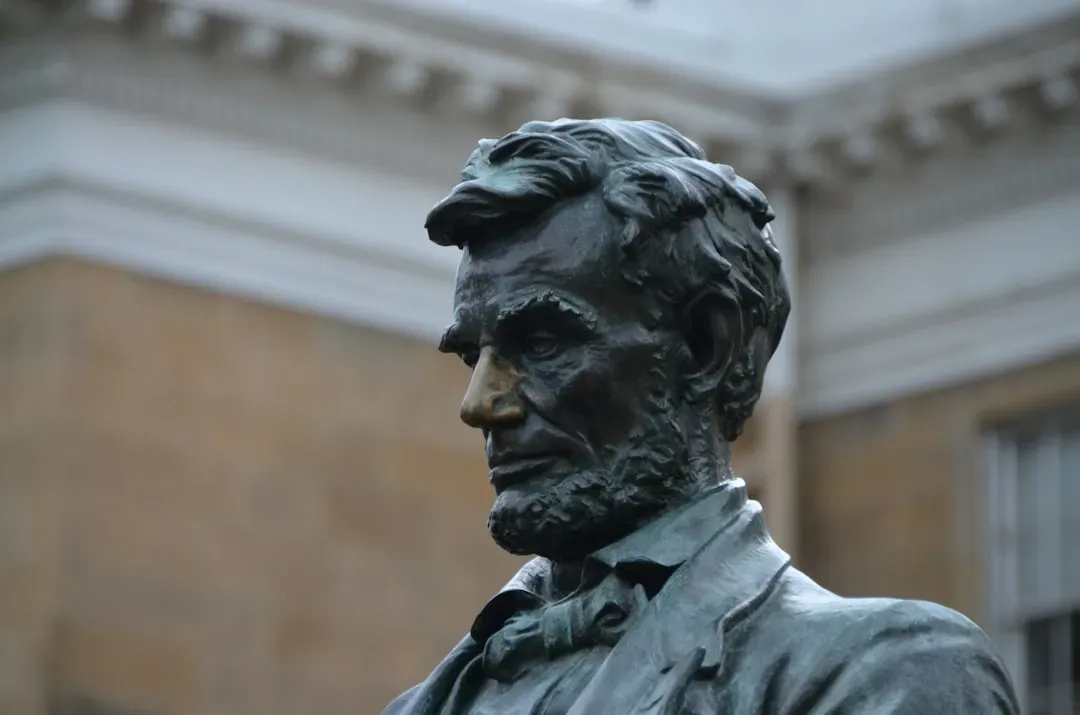
Long before he was president, Abraham Lincoln arrived in Springfield, Illinois in 1837 with almost nothing to his name. He shared a bed above Speed’s general store for years, and the two became famously close, exchanging letters that historians still study for insight into Lincoln’s private thoughts and struggles during his depressive episodes. Speed’s steady friendship helped Lincoln through some of the loneliest years of his early adulthood.
The relationship had a quieter but real political afterlife. Speed’s brother James later served as Lincoln’s Attorney General, a connection rooted in the trust Lincoln had built with Joshua years earlier in Springfield. It is a reminder that some of the most consequential appointments in American history trace back to ordinary friendships formed long before anyone involved held power.
Mahatma Gandhi and Charlie Andrews: an unlikely bridge between empire and independence
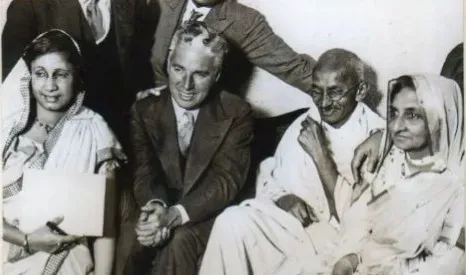
Charles Freer Andrews was an English clergyman who became one of Gandhi’s closest friends, first meeting him in South Africa and later following him to India. Their friendship crossed lines of nationality and empire at a time when few British figures were willing to publicly champion Indian self rule. Andrews became a tireless advocate in Britain for the causes Gandhi championed, lending a credibility to the independence movement that was hard for British audiences to dismiss.
Andrews reported firsthand on British colonial abuses, including his account of the Champaran indigo farmers’ plight, which helped draw wider attention to Gandhi’s early campaigns. His writings and lobbying in Britain gave Gandhi’s movement a sympathetic voice inside the very establishment it was challenging. It was a friendship that helped translate a colonial independence struggle into a moral argument that resonated well beyond India’s borders.
George Washington and the Marquis de Lafayette: a friendship that secured an alliance
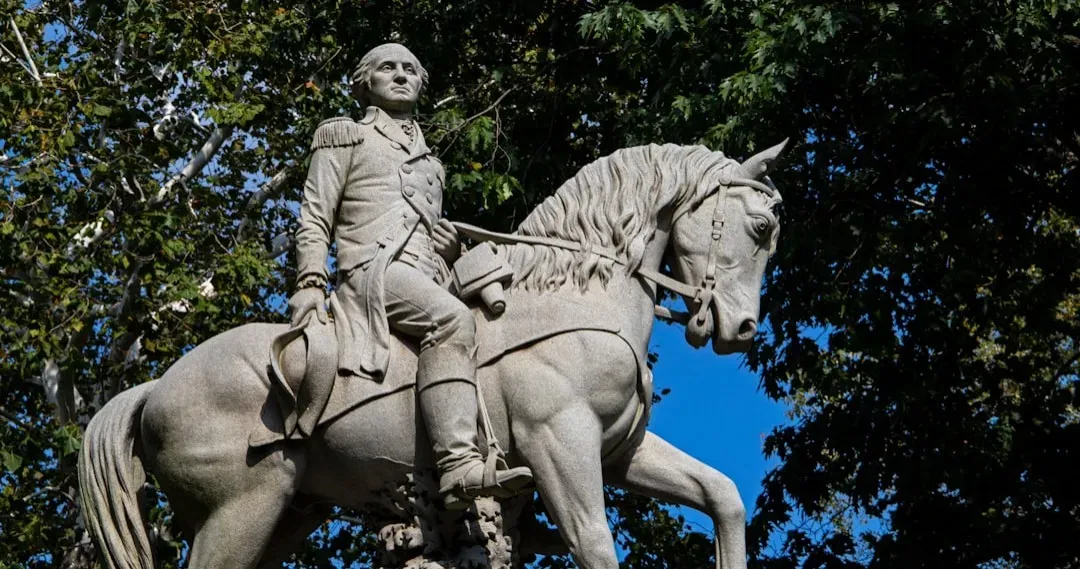
Lafayette arrived in America in 1777 as a young French aristocrat eager to fight for a revolution not his own, and Washington, initially skeptical, grew to treat him almost as a son. Their bond deepened through shared hardship at Valley Forge and on the battlefield, becoming one of the most personally affectionate relationships of Washington’s life. Lafayette’s genuine devotion to Washington helped convince French officials that the American cause was worth backing.
That trust mattered enormously when Lafayette returned to France to lobby for more troops, ships, and money, appeals that helped secure the military support crucial to the American victory at Yorktown. Washington’s letters to Lafayette after the war reveal a warmth rare in his usually formal correspondence, underscoring how personal affection had become entangled with international strategy. Few alliances in American history owe as much to genuine friendship as the one that helped win independence.
Each of these friendships shares a common thread: influence that flowed not through formal titles or official channels, but through years of accumulated trust between two people who happened to like each other. Historians will keep debating how much any single relationship changed the course of events, but in each case, the timing and depth of the friendship clearly mattered. It is worth remembering, the next time a major decision gets attributed to a single powerful figure, that there was often a quieter friend standing just off to the side.Partner offer
Planning a trip to Vegas?
Compare hotel rates and show tickets on VEGAS.com.