There’s something oddly satisfying about watching a movie for two hours and realizing, only after the credits roll, that you never actually caught the protagonist’s name. It’s a small trick, but a deliberate one. Filmmakers use anonymity to turn a person into an idea, a symbol, or sometimes just a blank space the audience can pour themselves into.
Some of these characters go by nicknames, others by job titles, and a few by nothing at all. Below are eleven films that made a lasting impression while keeping their lead character’s identity deliberately incomplete.
1. The Man with No Name – The Dollars Trilogy

Clint Eastwood’s poncho-wearing gunslinger in Sergio Leone’s A Fistful of Dollars, For a Few Dollars More, and The Good, the Bad and the Ugly is the textbook example of this trope. He’s called different things by different characters across the three films, but none of it amounts to an actual name. Leone reportedly wanted the character to feel mythic rather than specific, more archetype than person.
The nickname stuck so hard that most audiences assume it’s his actual title within the films, when really it was coined by marketing and critics afterward. The character’s silence and lack of backstory became a defining feature of the spaghetti western genre. Decades later, he’s still one of the most recognizable “nameless” figures in cinema history.
2. The Driver – The Driver (1978)

Walter Hill’s minimalist crime thriller stars Ryan O’Neal as a getaway driver who is credited, quite literally, as “The Driver.” No backstory, no last name, not even a first one. The film strips away almost every conventional character detail, focusing instead on cars, chases, and cool detachment.
This stripped-down approach influenced later films in the genre, including a much more famous one further down this list. Hill wanted the anonymity to emphasize professionalism over personality, treating the character almost like a machine built for one purpose. It’s a quiet, moody film that rewards patience, and its influence outlasted its modest box office run.
3. The Narrator – Fight Club

Edward Norton’s character in Fight Club is one of modern cinema’s most famous nameless leads. Throughout the film, he’s simply referred to as “The Narrator,” and other characters address him by borrowed identities like “Cornelius” or “Rupert” during his insomnia-fueled meetings. The screenplay by Jim Uhls, adapting Chuck Palahniuk’s novel, keeps this ambiguity intact from page to screen.
The lack of a name reinforces the film’s larger point about identity, consumerism, and the loss of self in modern life. Even the twist involving Tyler Durden plays into this theme, since the Narrator’s entire sense of self becomes unstable. It’s a rare case where the anonymity isn’t just a stylistic choice but central to the plot itself.
4. V – V for Vendetta

Hugo Weaving’s masked revolutionary in V for Vendetta is known only by the letter V throughout the entire film. Adapted from Alan Moore and David Lloyd’s graphic novel, the character’s real identity remains hidden behind the Guy Fawkes mask for virtually the whole runtime. Even his backstory, revealed through Evey’s imprisonment, never actually supplies a birth name.
This anonymity became part of the character’s cultural power, turning the mask itself into a symbol used far beyond the film, most notably by protest movements around the world. The Wachowskis, who wrote the screenplay, kept this ambiguity deliberately intact from the source material. It’s one of the clearest examples of a nameless character becoming bigger than the actor who played him.
5. Baby – Baby Driver

Edgar Wright’s 2017 film features Ansel Elgort as a getaway driver known only as “Baby,” a nickname tied to his youthful looks and his love of music. The film never reveals whether this is a legal name, a family nickname, or something he adopted himself. It’s left intentionally vague, fitting the character’s guarded, private nature.
Wright has spoken about wanting a lead character who felt more like a musical conduit than a fully fleshed biography, letting the soundtrack do much of the emotional heavy lifting. The nickname also nods to earlier films in this same driving-and-crime subgenre, including the two entries already mentioned above. Baby Driver earned strong reviews and box office numbers upon release, proving audiences didn’t need a full name to connect with the character.
6. Driver – Drive (2011)
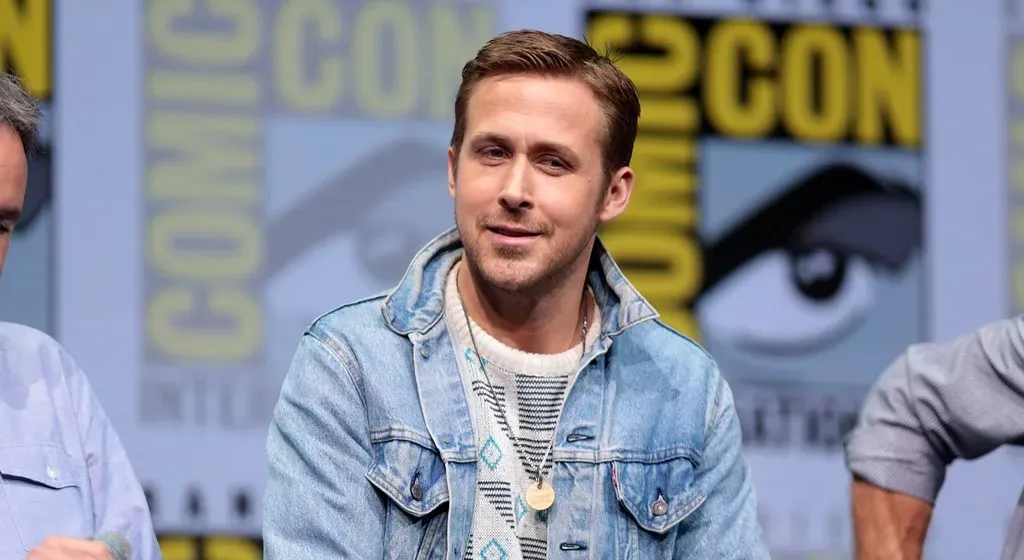
Nicolas Winding Refn’s Drive gave Ryan Gosling one of his most iconic roles, and yet the character is credited in the film simply as “Driver.” Adapted from James Sallis’s novel of the same name, the anonymity was preserved from the source material rather than invented for the screen. Gosling’s quiet, controlled performance leaned heavily into this lack of identity, letting silence do most of the character work.
Partner offer
The film’s stylized visuals and synth-heavy soundtrack turned Driver into something closer to a modern noir figure than a conventional movie hero. Critics frequently compared the anonymity to Eastwood’s Man with No Name, noting the shared lineage between the westerns of the 1960s and this neon-lit Los Angeles thriller. Drive remains one of the most stylish entries in this now-familiar nameless-driver tradition.
7. Jay – It Follows

David Robert Mitchell’s 2014 horror film It Follows keeps its lead character’s full identity vague, referring to her only as “Jay,” short for Jamie. While this counts as a first name, no surname is ever given, leaving her identity intentionally incomplete. The choice fits the film’s dreamlike, almost timeless setting, where specific details are often deliberately withheld.
Maika Monroe’s performance carried much of the film’s critical acclaim, with reviewers praising her ability to convey dread without heavy exposition. The film’s vague sense of time and place, blending different decades of fashion and technology, mirrors the vagueness around Jay’s own identity. It’s a smaller-scale example of the trope, but an effective one within horror cinema.
8. The Man and the Boy – The Road
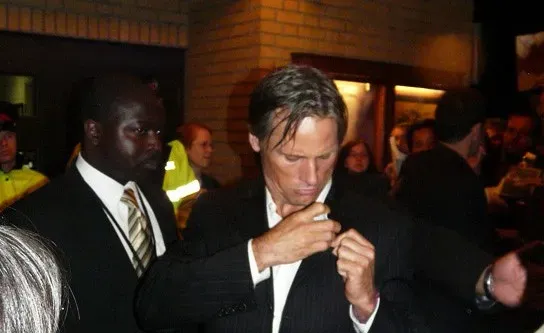
John Hillcoat’s 2009 adaptation of Cormac McCarthy’s novel The Road follows a father and son traveling through a post-apocalyptic America, and neither character is ever given a name. They’re referred to throughout as simply “Man” and “Boy,” both in the film’s credits and McCarthy’s original prose. This choice universalizes the story, turning a specific survival tale into something closer to parable.
Viggo Mortensen’s performance as the unnamed father received widespread praise for its restrained emotional weight. The absence of names also strips away any sense of a world before the disaster, reinforcing how completely identity and history have been erased. It’s one of the more literary examples of this device, carried over faithfully from page to screen.
9. The Female – Under the Skin

Jonathan Glazer’s Under the Skin stars Scarlett Johansson as an alien entity disguised as a human woman, credited only as “The Female” or “Laura” in some promotional materials, though no full name is ever confirmed on screen. The character’s lack of identity mirrors her literal lack of human origin, wandering through Scotland picking up unsuspecting men. Glazer’s minimalist, often improvised approach to filming added to the sense of detached observation running through the entire film.
Critics noted how the anonymity heightened the film’s unsettling tone, since audiences are given almost nothing to hold onto beyond her physical presence. The film received strong reviews for its atmosphere and visual style, even as some viewers found its ambiguity frustrating. It remains one of the more unusual entries in Johansson’s filmography precisely because of how little the character reveals about herself.
10. Mother – mother!

Darren Aronofsky’s 2017 film mother! stars Jennifer Lawrence as a character listed in the credits only as “Mother.” Every character in the film, in fact, goes by a symbolic title rather than an actual name, including “Him,” played by Javier Bardem. The choice fits the film’s heavily allegorical structure, which many critics read as a commentary on creation, environmental destruction, and religious mythology.
The film was divisive upon release, earning both harsh criticism and passionate defenses for its symbolism-heavy approach. Lawrence’s performance, largely built on physical and emotional reactions rather than dialogue, relied on this anonymity to keep the character feeling archetypal. Whatever one thinks of the film’s ambition, it’s a clear modern example of names being deliberately withheld for thematic effect.
11. Walker – Point Blank
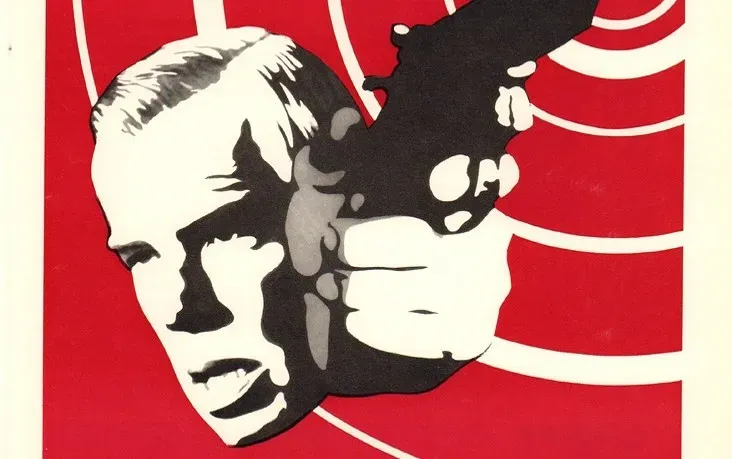
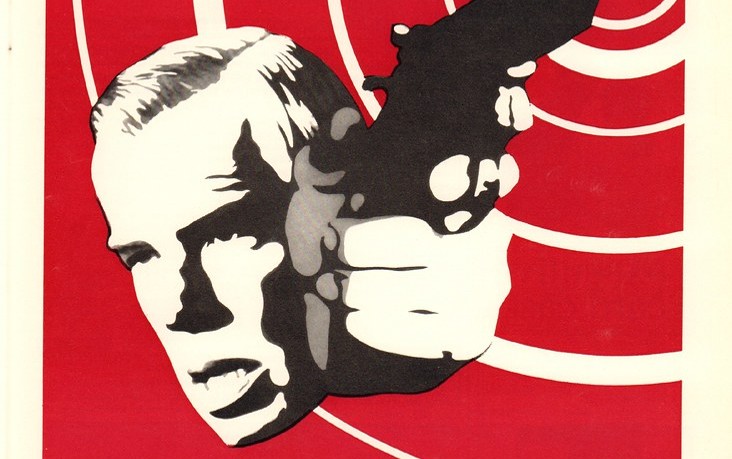
John Boorman’s 1967 crime thriller Point Blank stars Lee Marvin as a betrayed criminal known only by the surname “Walker,” with no first name ever given. Adapted from Richard Stark’s novel The Hunter, the character’s stripped-down identity matches his single-minded pursuit of revenge against the men who wronged him. Boorman’s fragmented, nonlinear editing style added to the sense that Walker himself is less a fully realized person than a force of pure motion.
The film influenced countless later crime thrillers, and Walker’s terse, almost wordless demeanor became a template for antiheroes who followed. Marvin’s performance is often cited among his best, built almost entirely on physicality rather than personality. Even decades later, Point Blank stands as an early and influential example of a lead character defined more by function than by name.
Taken together, these eleven films show how withholding a name can do more storytelling work than most viewers realize. Whether it’s used to build myth, symbolize a theme, or simply keep an audience at arm’s length, the choice rarely feels accidental. Each film on this list found a different reason to leave its lead character just out of reach, and in nearly every case, that absence became part of what made the story memorable.
Partner offer
Planning a trip to Vegas?
Compare hotel rates and show tickets on VEGAS.com.