Voices are strange instruments. Unlike a guitar or piano, they live inside a body that ages, gets sick, smokes too many cigarettes, or simply wears down after decades of nightly shows. Some singers try to hide that erosion. Others lean into it, turning the cracks and rasp into a new kind of artistry that fans end up loving just as much as the smooth original. The five singers below didn’t just get a little raspier with age. Their voices transformed in ways that reshaped how audiences heard them, sometimes for medical reasons, sometimes from the simple math of decades on the road.
1. Bob Dylan
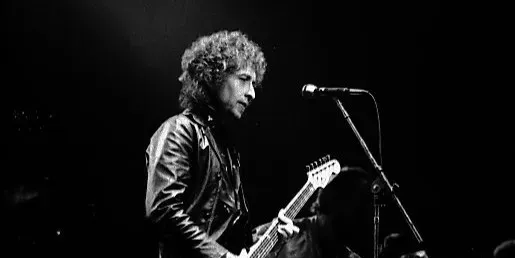
Dylan’s voice has gone through so many phases that critics have joked about needing a field guide. Even the great singers have to contend with age and the inevitable changes that occur to the larynx, and Dylan’s voice got more rumbly in the 1980s and early 90s. By the time Time Out of Mind arrived in 1997, listeners were hearing something closer to a growl than a melody.
Years of heavy touring and, by his own account, years of smoking took their toll. As more years went by, Dylan’s voice began to suffer the effects of ageing and extensive touring, and the fact that he was once a heavy smoker likely contributed to the longer-term impacts of time on his vocal cords, causing it to sound hoarser over time. Rather than apologize for it, Dylan has defended the sound outright, once pointing out during a public speech that critics never seemed to give Tom Waits the same grief for a similarly rough voice.
2. Rod Stewart
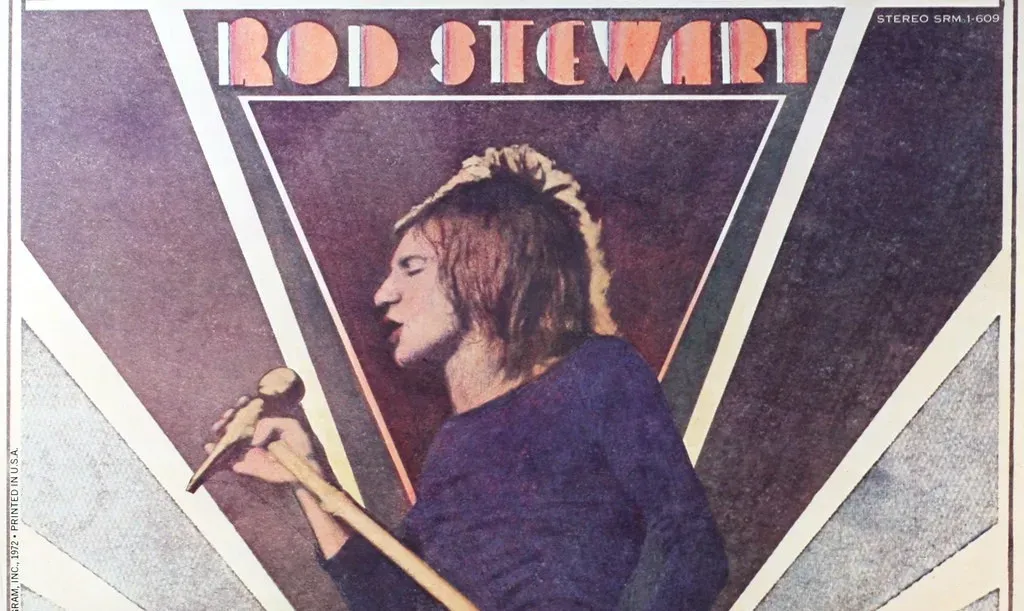
Stewart’s raspy tenor was always part of his brand, but a health scare in 2000 forced him to relearn how to sing almost from scratch. He was treated for thyroid cancer, and the surgery came dangerously close to permanent damage. The procedure took four hours and brought the surgeon’s knife to within a fraction of an inch of his vocal cords, and any slip at that point would have ended his career.
The recovery was not quick or comfortable. He had to relearn how to sing after the procedure, but as he recovered he felt it was actually better than it had been before. Interestingly, Stewart has said the signature husk in his voice was never really about the cancer at all. He says that sound isn’t the result of his cancer battles, but rather a football injury from years ago, with doctors telling him it’s because he broke his nose playing football.
3. Johnny Cash
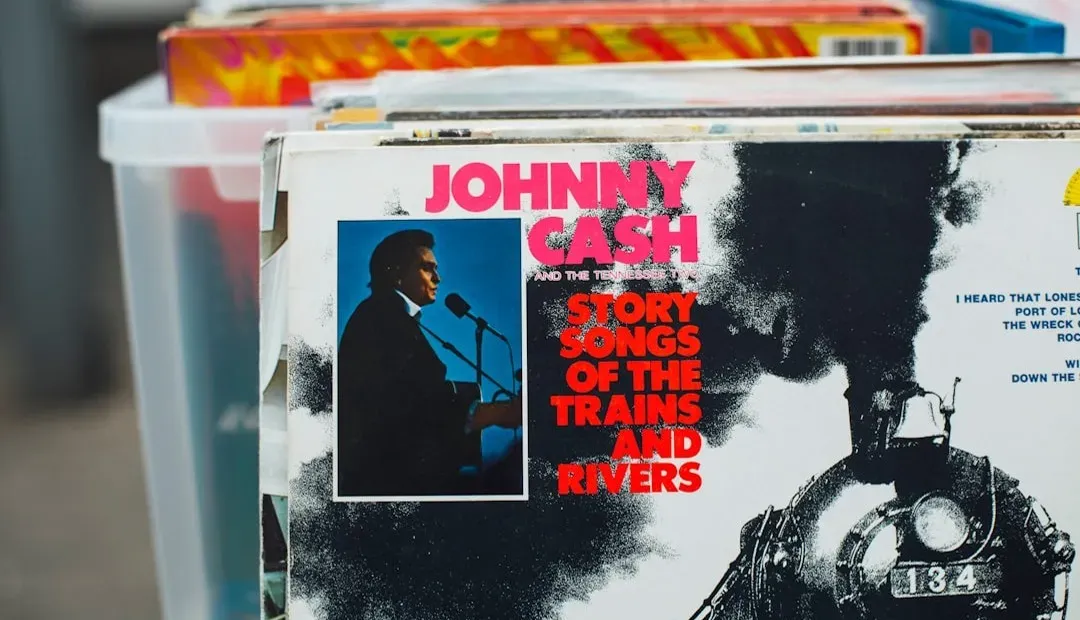
Few voice transformations in music history are as well documented, or as moving, as Johnny Cash’s late-career decline into something rawer and more fragile. He was diagnosed with a nervous system disorder that reshaped both his health and his sound. A diagnosis of autonomic neuropathy, a disease that affects the nervous system, led him to take an extended hiatus from touring.
The illness showed up plainly on record, especially on the American Recordings series he made with producer Rick Rubin. You can hear his age and illness in his voice on these songs; his famous oaken baritone is still there, but there are cracks, and some of the S sounds have a slight slur that starts to show up with age. Rather than mask it, the production leaned into the vulnerability. The extra reverb on some tracks seems designed to help cover the shakiness that age and illness were bringing to his voice. The result, particularly on his cover of “Hurt,” became one of the most emotionally devastating vocal performances of his career.
4. Willie Nelson
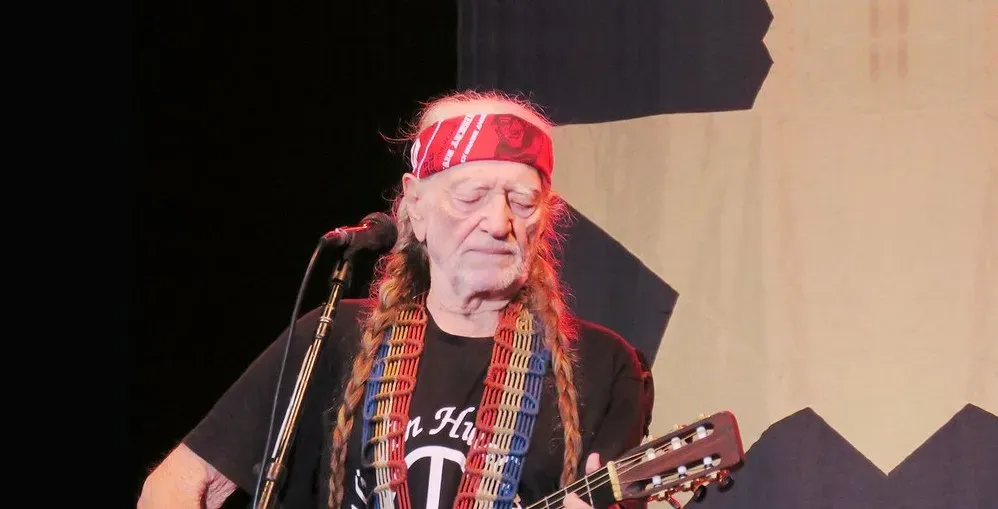
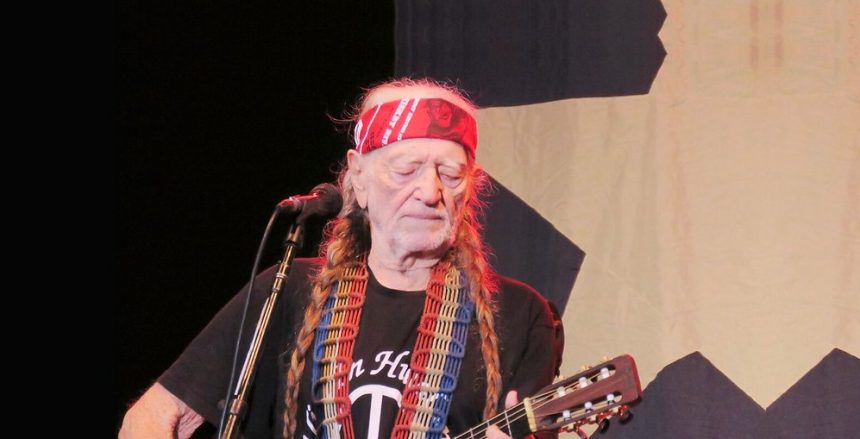
Nelson’s voice was never a conventional instrument to begin with. His behind-the-beat phrasing and nasal twang set him apart from the polished Nashville sound of his era. But decades of touring, now well past ninety years old, have left an audible thinness and papery quality that wasn’t there in his younger recordings.
What’s remarkable is how little that has slowed him down. He estimated to Sammy Hagar that he plays about 150 to 200 nights a year, a touring schedule he’s maintained for decades. Even into his nineties he kept releasing new material, including 2025’s Workin’ Man: Willie Sings Merle, a tribute album to his late friend Merle Haggard, showing that a changed voice doesn’t have to mean a finished career.
5. Frank Sinatra
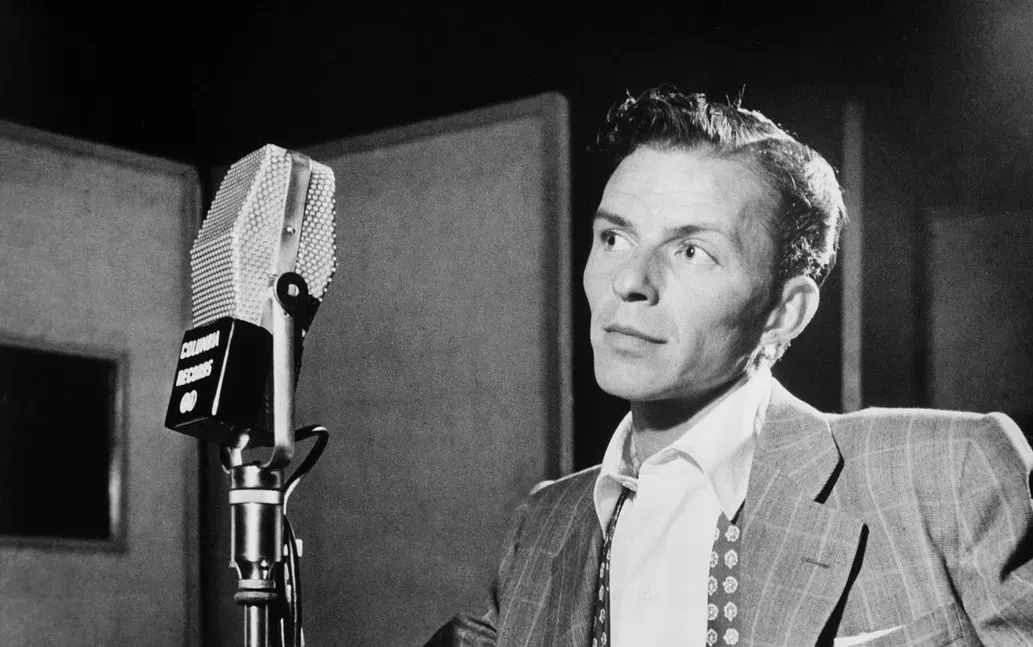
Sinatra’s early voice, the one that made bobby-soxers swoon in the 1940s, was light, boyish, and almost delicate. By the time he recorded albums like September of My Years in the mid-1960s, that voice had deepened into something huskier and more weathered, shaped by cigarettes, whiskey, and the wear of thousands of live performances.
Rather than fight the change, Sinatra used it. The lower, grittier tone suited the melancholy material he gravitated toward later in his career, songs about aging, regret, and mortality that would have felt hollow coming from his younger, brighter voice. It’s a reminder that a changed voice isn’t always a loss. Sometimes it’s just a different instrument for a different chapter.
Voices age the way everything else does, unevenly and sometimes unfairly. What ties these five singers together isn’t the specific cause behind the change, whether surgery, illness, cigarettes, or simple decades on stage. It’s what they did with the new sound once it arrived, choosing to keep singing rather than stepping away.