Some movies get discovered the hard way. They open quietly, get dismissed by critics or ignored by audiences entirely, and then spend years circulating on VHS, late night cable, or word of mouth before anyone admits they were onto something special. The gap between a film’s first weekend and its lasting reputation can stretch for decades, and sometimes it takes a home video release, a streaming platform, or a new generation of viewers to finally catch up. What follows are eleven films that struggled, stumbled, or outright bombed when they first hit theaters, only to be reclaimed later as some of the most important movies of their era.
The Shawshank Redemption (1994)

Frank Darabont’s prison drama arrived in October 1994 and immediately ran into a buzzsaw of competition. The movie entered an unusually competitive market in a year that witnessed two other classics of similar stature, Pulp Fiction and Forrest Gump, with Darabont’s film released in the middle of the widely successful run of the Tom Hanks movie. Audiences simply had other things to see that autumn, and a quiet character study about two convicts had a hard time cutting through.
The numbers told a rough story at the time. The Shawshank Redemption was initially released in theaters, the film only made $29.4 million at the box office against a reported budget of $25 million. Everything changed after awards season and home video, and the film was released on over 320,000 VHS rentals across the United States, with strong word-of-mouth helping it become the best-selling VHS release of 1994. Today it consistently tops best-of-all-time lists compiled from public voting.
Blade Runner (1982)
Ridley Scott’s dystopian noir landed in the summer of 1982 and got buried almost immediately. Pulling in $6 million on opening weekend against a $28 million budget, the director’s vision of the future didn’t quite connect with audiences. It also had brutal timing, since it opened just two weeks after E.T., and Blade Runner didn’t exactly give people the warm fuzzies.
Critics of the day weren’t much kinder than moviegoers. Rotten Tomatoes later summarized the reaction, noting it was “misunderstood when it first hit theaters.” The film’s fortunes shifted gradually through home video, director’s cuts, and a growing appreciation for its production design, and since 1993 it has been preserved in the National Film Registry by the Library of Congress for its cultural relevance. It now sits comfortably among the most influential science fiction films ever made.
The Thing (1982)

John Carpenter’s Antarctic creature feature had the misfortune of opening the same summer as several blockbusters. Released in theaters in the U.S. on June 25, 1982, the film was initially a commercial flop, grossing around $19.5 million against a production cost of $15 million, and factoring in marketing costs, the movie lost money. It also opened the very same week as another future classic that shared its fate.
Critics were savage at the time, and the fallout was serious for Carpenter’s career. As a result of The Thing’s reception and box office performance, grossing just under $20 million worldwide, Carpenter was fired from his next gig, the 1984 adaptation of Stephen King’s Firestarter. The film slowly rebuilt its reputation through cable reruns and home video, eventually earning recognition as one of the most technically accomplished horror films ever produced, complete with practical effects that still hold up decades later.
Donnie Darko (2001)

Richard Kelly’s time-loop teen drama had almost impossible timing. Donnie Darko barely made any noise at the box office, grossing a measly $517,735 in America, with its $4.5 million budget making it seem like a complete disaster, and the film’s October 2001 release, featuring a jet engine crash just weeks after 9/11, couldn’t have been worse timed. Marketing teams simply didn’t know what to do with a film that mixed teen angst, wormhole physics, and a six-foot rabbit.
The rebound came almost entirely through home video. Richard Kelly’s mind-bending tale of a troubled teenager and his six-foot rabbit friend Frank struck a chord with audiences discovering it on DVD, with the word-of-mouth hit reportedly making $10 million off the back of DVD sales worldwide. A director’s cut followed a few years later, cementing the film’s place as a defining cult object of the early 2000s.
Fight Club (1999)
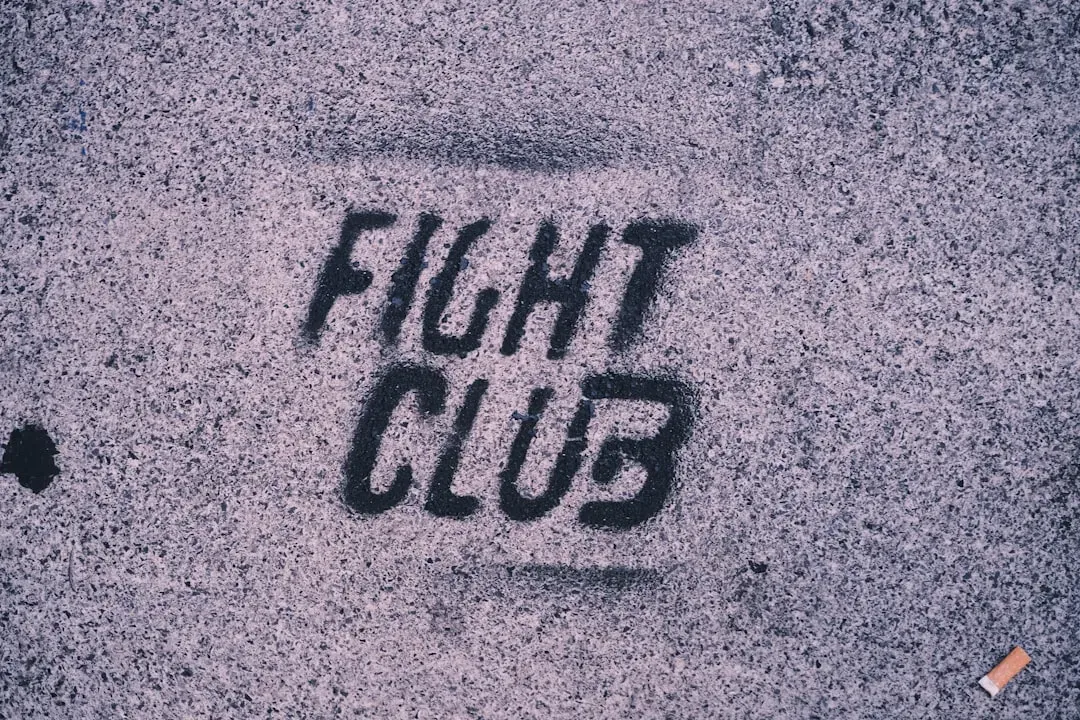
David Fincher’s adaptation of Chuck Palahniuk’s novel confused audiences and critics alike on release, arriving with a marketing campaign that made it look like a straightforward action movie rather than the satirical, unsettling film it actually was. Its domestic box office run fell well short of studio expectations for a movie carrying a substantial production budget and two major movie stars. Reviews at the time were sharply divided, with some critics calling it nihilistic or gratuitously violent rather than recognizing its commentary on consumerism and masculinity.
The film found its real audience on DVD, where its layered structure and quotable dialogue rewarded repeat viewings in a way theatrical releases rarely allow. Over the following decade, film schools, critics, and eventually mainstream audiences reassessed it as one of the sharpest satires of late-nineties American culture. It’s now regularly cited among the defining films of its decade, a reputation that would have seemed unlikely to anyone tracking its opening weekend numbers.
The Big Lebowski (1998)
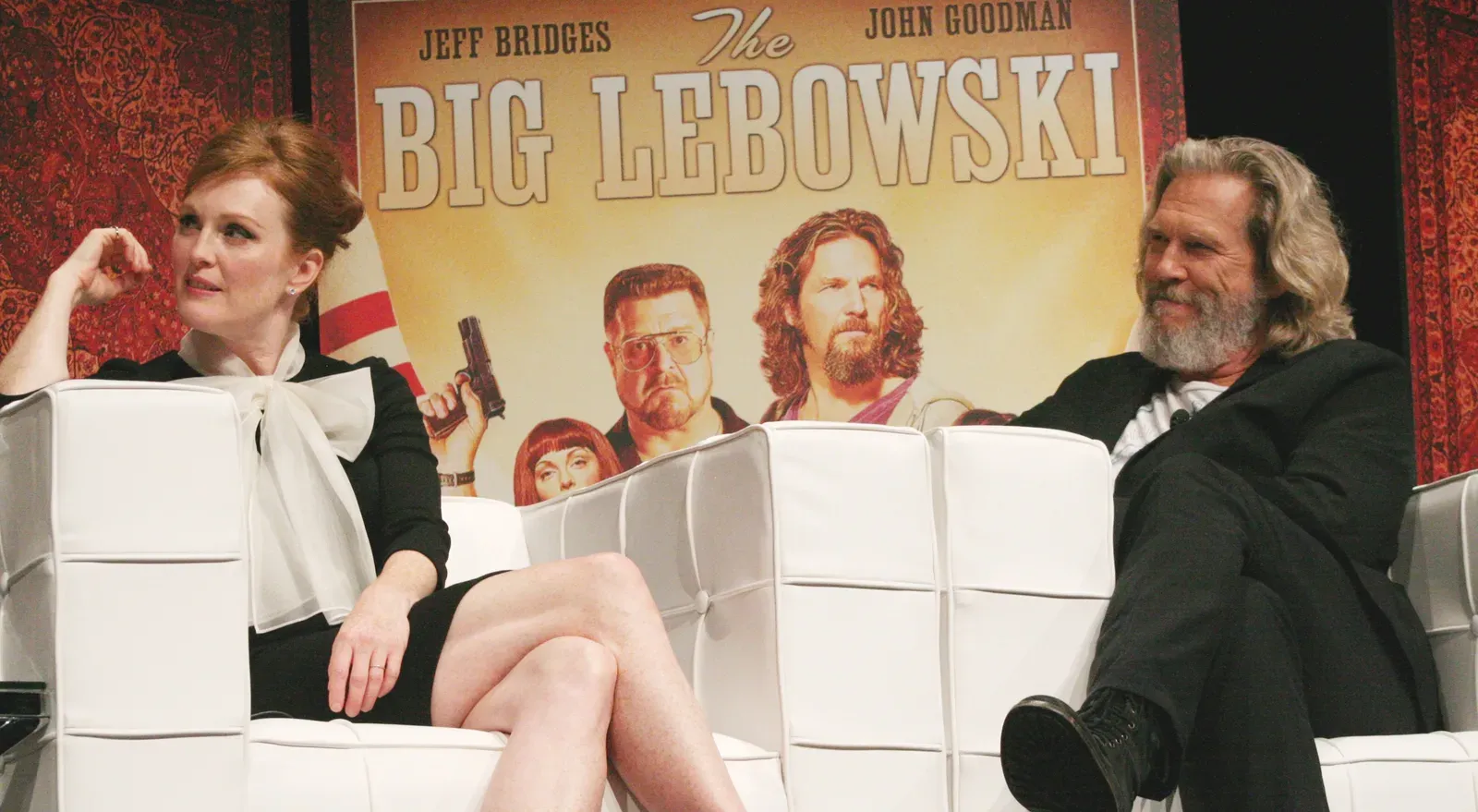
Joel and Ethan Coen followed the critical success of Fargo with a shaggy, meandering noir parody that left many critics puzzled about what exactly it was trying to be. Reviews at the time ranged from lukewarm to openly dismissive, and the box office return was modest at best for a film with recognizable stars and a well-known creative team behind it. Compared to Fargo’s awards run, Lebowski felt to many observers like a step backward or, at best, a shrug.
What changed everything was repetition. Cable television airings and word of mouth turned lines and characters into cultural shorthand, and by the early 2000s the film had spawned fan festivals, academic essays, and a devoted subculture built entirely around its offbeat rhythms and characters. The Coens’ shaggy detour is now frequently ranked among their very best work, a reversal few would have predicted from its opening reception.
Partner offer
Office Space (1999)

Mike Judge’s workplace satire about cubicle drudgery and corporate absurdity barely registered at the box office when it opened, pulling in a fraction of what a modest theatrical marketing budget would typically require to be considered a success. Critics were generally warm toward it, but audiences stayed away, and the film left theaters quickly without making much of a dent in the cultural conversation. It seemed destined to be a minor footnote in a very busy release year.
Cable reruns changed its trajectory almost entirely. Comedy Central aired it repeatedly through the early 2000s, and its portrayal of soul-crushing office life resonated far more with cubicle workers watching at home than it ever had with opening weekend crowds. Phrases from the film entered everyday workplace vocabulary, and it’s now regularly cited as one of the most accurate satires of corporate American life ever put on screen.
It’s a Wonderful Life (1946)
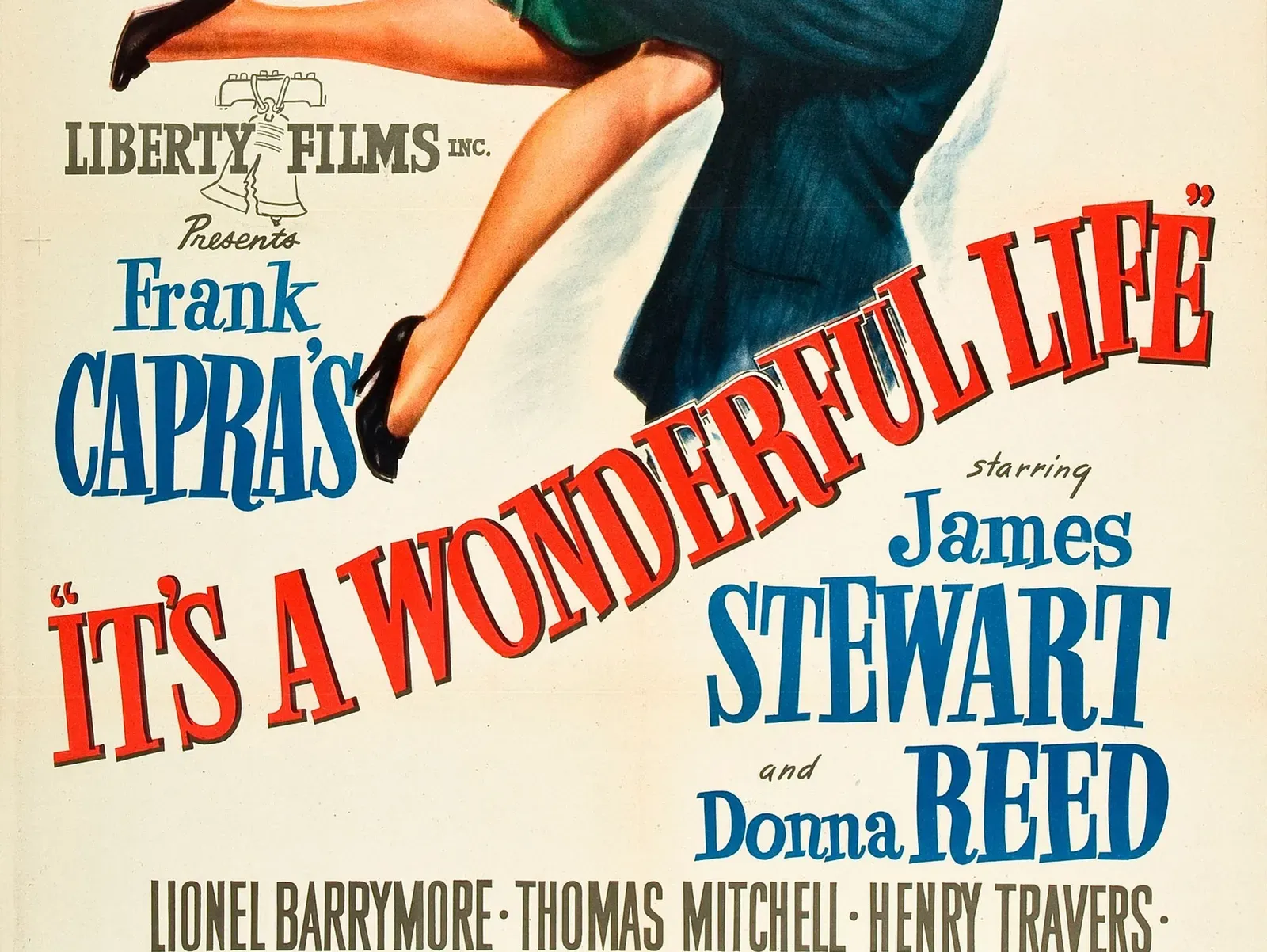
Frank Capra’s holiday drama, now treated as an essential piece of American Christmas tradition, actually underperformed at the box office when it opened just after World War II. Audiences exhausted by wartime hardship weren’t necessarily looking for a story built around a man contemplating suicide on Christmas Eve, however hopeful its resolution. The film’s costs outpaced its earnings badly enough that it contributed to financial strain at Capra’s production company.
Its second life came through an unusual legal quirk rather than a deliberate rediscovery campaign. A lapse in copyright renewal allowed television stations to air the film for free during the 1970s and 1980s, and constant holiday broadcasts gradually turned it into the seasonal staple it is today. What began as a financial disappointment became, decades later, one of the most beloved and frequently watched films in American households every December.
Vertigo (1958)
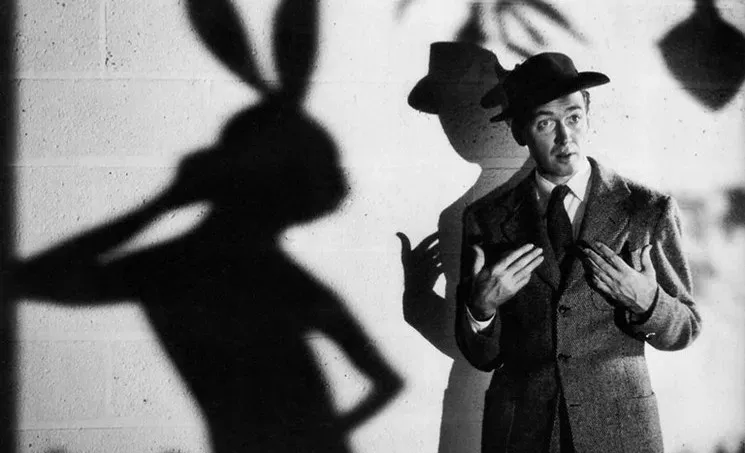
Alfred Hitchcock’s psychological thriller about obsession and doubling opened to a mixed critical reception and a box office performance that trailed several of his other films from the same period. Some reviewers found its slow pacing and dreamlike structure confusing or self-indulgent compared to the tighter thrillers audiences expected from Hitchcock. It was pulled from circulation for years afterward, further limiting its ability to build an audience through re-releases.
The reassessment took decades to fully arrive, but it arrived decisively. Critics gradually recognized the film’s psychological complexity, and in 2012 the British Film Institute’s Sight and Sound poll named Vertigo the greatest film ever made, displacing Citizen Kane after fifty years at the top. It stands as perhaps the clearest example on this list of a film whose reputation completely inverted itself over half a century.
Idiocracy (2006)

Mike Judge’s satire about a future dumbed-down America received almost no theatrical marketing from its studio, opening in a small number of theaters with virtually no advertising push behind it. The muted release meant most audiences never even knew it existed during its brief theatrical window, and it quietly disappeared from screens within weeks. At the time, it looked less like a box office disappointment and more like a film the studio had simply decided to abandon.
Streaming and internet culture rescued it almost entirely on their own. Clips and references spread across message boards and social media through the 2010s, with viewers pointing to the film’s satirical predictions about anti-intellectualism and media saturation as eerily accurate. It’s now frequently cited in political and cultural commentary as a prescient piece of satire, a reputation built years after its theatrical run had already ended in obscurity.
Scott Pilgrim vs. the World (2010)
Edgar Wright’s hyperkinetic adaptation of the graphic novel series arrived with a comic book aesthetic, video game logic, and a fast-talking visual style that didn’t translate into strong opening weekend numbers. Competing against more conventional studio releases that same August, the film underperformed badly relative to its production costs, leading to headlines calling it one of the summer’s biggest disappointments. Studio executives reportedly viewed the underwhelming result as a cautionary tale about stylized filmmaking aimed at niche audiences.
Home video and streaming told a very different story. Younger audiences discovering the film years later responded strongly to its editing style, video game references, and ensemble cast, many of whom went on to bigger careers. It’s now widely regarded as one of the most influential visual comedies of its decade, frequently credited with shaping the editing rhythms of later action comedies.
What links every one of these films is timing. Each one arrived slightly out of step with what audiences were ready for, whether that meant a crowded release calendar, unfair marketing, or subject matter that needed a few more years to feel relevant. None of them were rescued by a single dramatic moment. They built their reputations slowly, through repeat viewings, cable reruns, and the kind of word of mouth that no studio can manufacture on demand. That slow build is worth remembering the next time a movie disappoints on opening weekend, since box office numbers have never been a reliable verdict on lasting value.
Partner offer
Planning a trip to Vegas?
Compare hotel rates and show tickets on VEGAS.com.