There’s a specific kind of memory that lives only in your ears. You don’t need to see the album cover or hear the first lyric. A single guitar chord, a drum fill, a synth stab, and suddenly you’re back in a bedroom with a boombox or riding in the backseat of someone’s car with the windows down. The 1990s produced a run of songs whose opening seconds became just as famous as the choruses that followed, instantly recognizable snippets that still trigger a jolt of recognition decades later. What follows is a gallery of nine tracks with intros so distinct they’ve become cultural shorthand. Some open with a single instrument, others with a vocal hook that needed no build-up at all. If you can hum along before the first verse even starts, congratulations, you probably lived through it the first time around.
Nirvana, “Smells Like Teen Spirit” (1991)
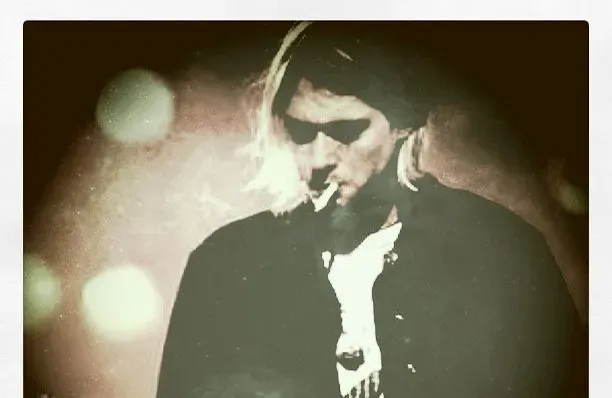
Kurt Cobain’s four-chord guitar riff, played alone for a few bars before the full band crashes in, is often cited as one of the most instantly identifiable openings in rock history. It arrived on Nirvana’s second album, Nevermind, and effectively closed the book on the glam-metal era that had dominated the previous decade.
The song’s stripped-down intro was deliberate, a slow build meant to lull listeners before Dave Grohl’s drums exploded into the mix. That contrast between quiet and loud became a blueprint copied by countless alternative rock bands throughout the rest of the decade.
The Notorious B.I.G., “Juicy” (1994)
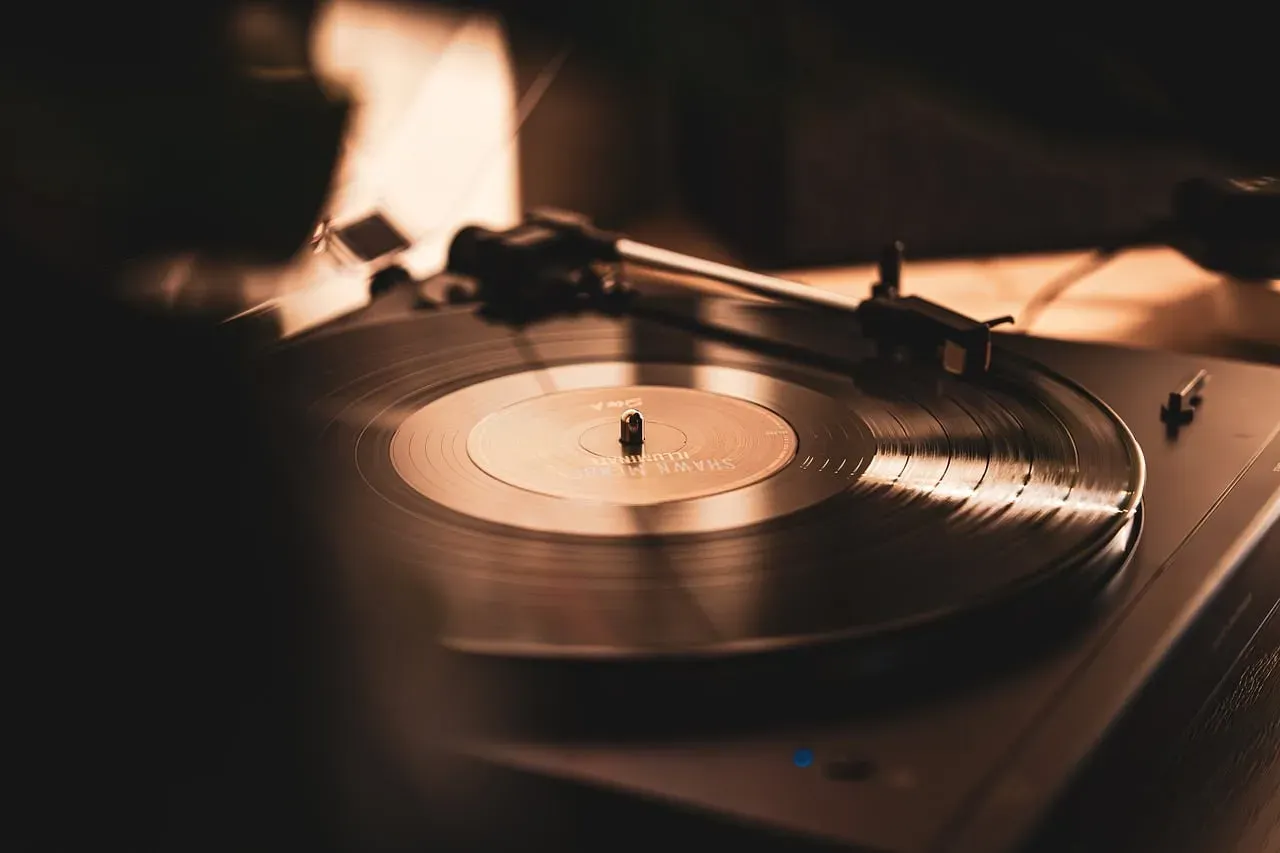
Released as Biggie’s debut single from Ready to Die, “Juicy” opens with a warm, looping sample that immediately sets a nostalgic, almost cinematic tone before the first bars are even spoken. The track was produced by Poke of the duo Trackmasters and Sean Combs, and appeared on his debut album, Ready to Die, released in 1994. The production leans on a smooth groove built from a well-known 1980s R&B sample, giving the intro an unmistakable warmth.
“Juicy,” the lead single, peaked at number 27 on the Billboard Hot 100, number 14 on Hot R&B/Hip-Hop Singles & Tracks and reached number 3 on the Hot Rap Singles. Decades later, hip-hop historians still point to those opening seconds as one of the genre’s most quoted entry points, a sound that announces exactly what kind of story is about to unfold.
Spice Girls, “Wannabe” (1996)
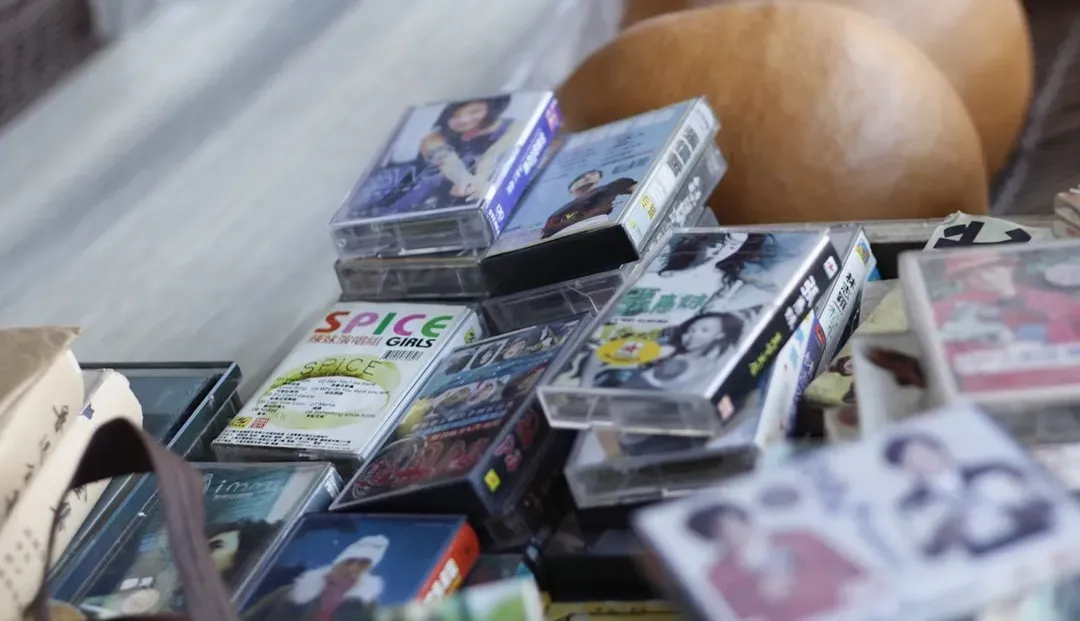
Few pop intros are as immediately chaotic and joyful as the one that opens “Wannabe,” a burst of energy that set the tone for the entire girl-power era. The song is the debut single by the British girl group the Spice Girls, released on 26 June 1996. It was recorded quickly, almost as an afterthought, yet became the group’s defining statement.
Wannabe topped the UK Singles Chart for seven weeks and in January 1997 it was released in the United States, topping the Billboard Hot 100 for four weeks. By the end of 1996, Wannabe had topped the charts in 22 nations and by March 1997 this number had climbed to 37, becoming one of the best selling singles ever. That opening rush of voices overlapping each other became instantly recognizable across the globe, regardless of language.
Britney Spears, “…Baby One More Time” (1998)
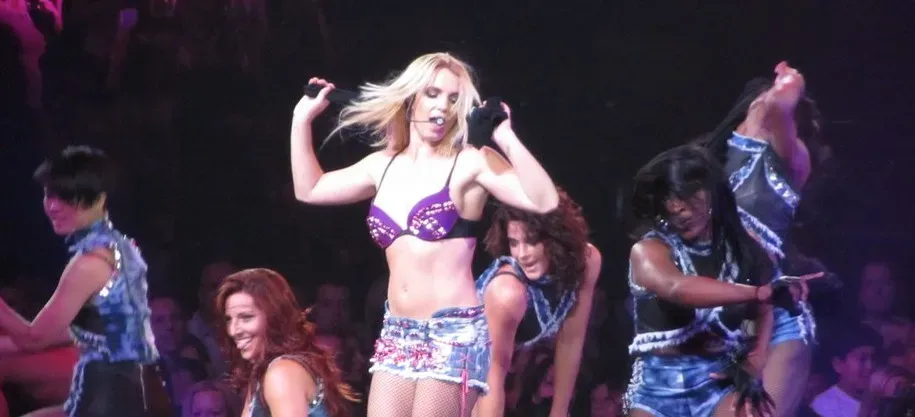
The piano riff that opens “…Baby One More Time” is arguably one of the most parodied and beloved intros of the late 1990s. It was written and produced by Max Martin, the Swedish hitmaker who would go on to shape much of pop music for the next two decades. The song marked Britney Spears’ debut single and effectively launched the teen-pop explosion that defined the turn of the millennium.
That descending piano line, paired with the song’s iconic music video set in a high school hallway, became inseparable from late-90s pop culture. It remains one of the most instantly identifiable openings of the era, still played at parties and karaoke nights nearly three decades later.
Whitney Houston, “I Will Always Love You” (1992)
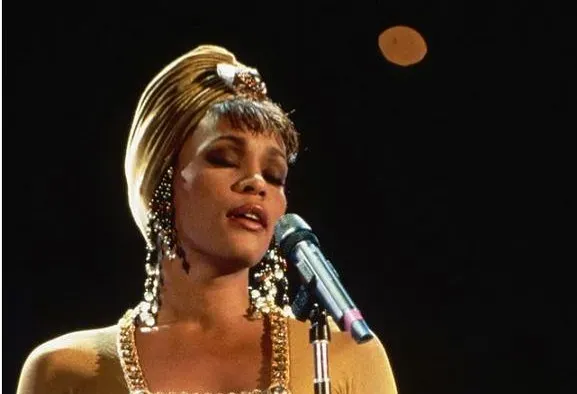
Few intros carry as much emotional weight as the a cappella opening of Whitney Houston’s version of “I Will Always Love You.” Originally written by Dolly Parton, Houston’s rendition for The Bodyguard soundtrack transformed the song into something entirely new, a vocal showcase that begins with nothing but her voice, unaccompanied, before the strings and drums arrive.
That unaccompanied opening became one of the most imitated vocal moments in pop history, inspiring singing competition contestants for decades afterward. It’s a masterclass in restraint before release, holding back the full arrangement just long enough to make its eventual arrival feel earned.
R.E.M., “Losing My Religion” (1991)
The mandolin riff that opens “Losing My Religion” was unusual for a rock radio hit in 1991, a delicate, almost folk-like sound that stood apart from the grunge and hair metal dominating the airwaves at the time. Peter Buck picked up the mandolin somewhat by accident while experimenting, and the resulting melody became the song’s defining hook.
That intro helped the track become R.E.M.’s biggest commercial hit, introducing college rock sensibilities to a mainstream audience that hadn’t necessarily been paying attention before. The instrument’s unusual texture made the song stand out on the radio dial in a way few other 90s hits managed.
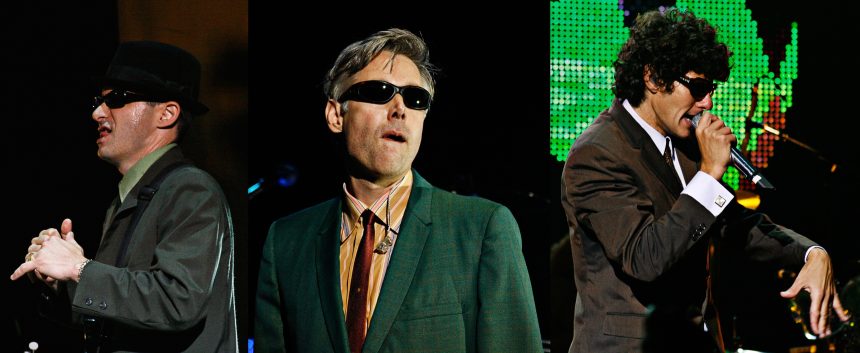
Beastie Boys, “Sabotage” (1994)
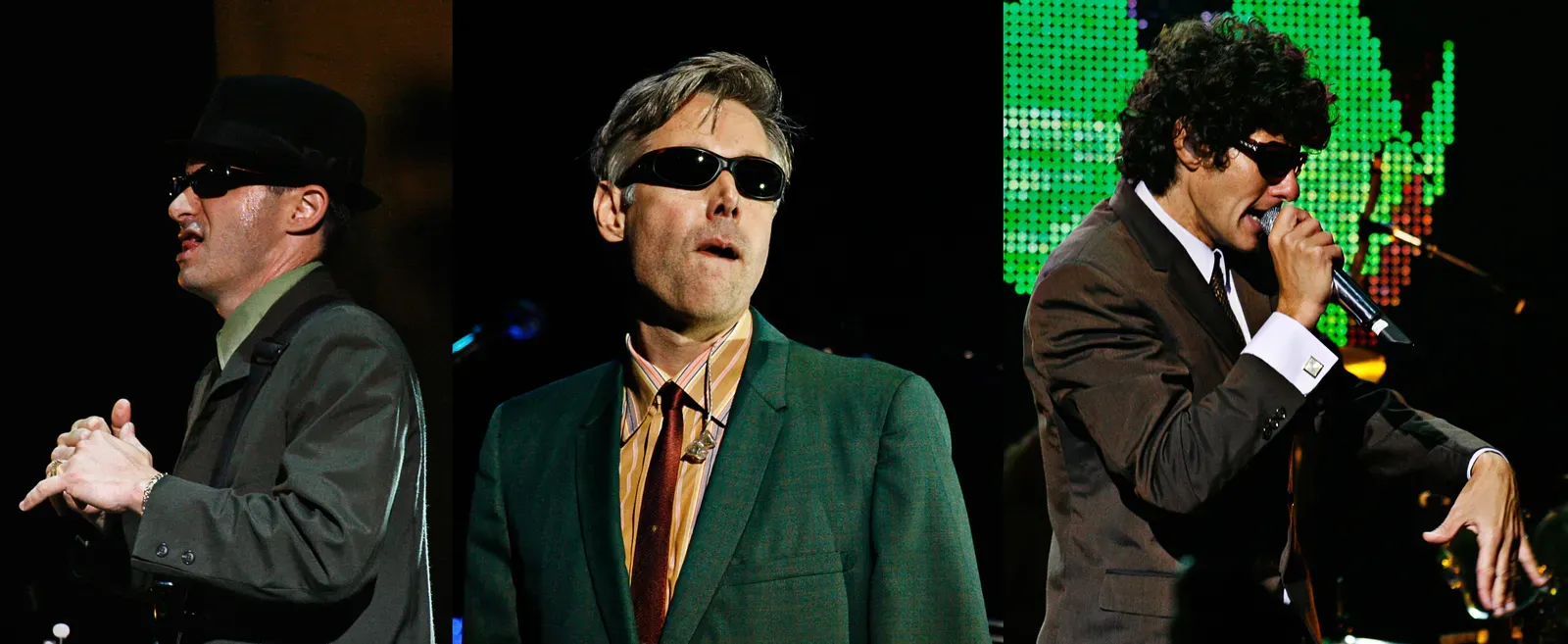
The distorted bassline and drum fill that kick off “Sabotage” feel almost like an alarm going off, a jolt of aggression that perfectly matches the song’s frantic energy. It appeared on the group’s fourth album, Ill Communication, and marked a shift toward heavier, more punk-influenced production.
The Spike Jonze-directed music video, a parody of 1970s cop shows, became just as iconic as the song’s opening riff, cementing “Sabotage” as one of the most recognizable rock-rap crossovers of the decade. Even stripped of its visuals, the intro alone is enough to trigger recognition within seconds.
Alanis Morissette, “You Oughta Know” (1995)
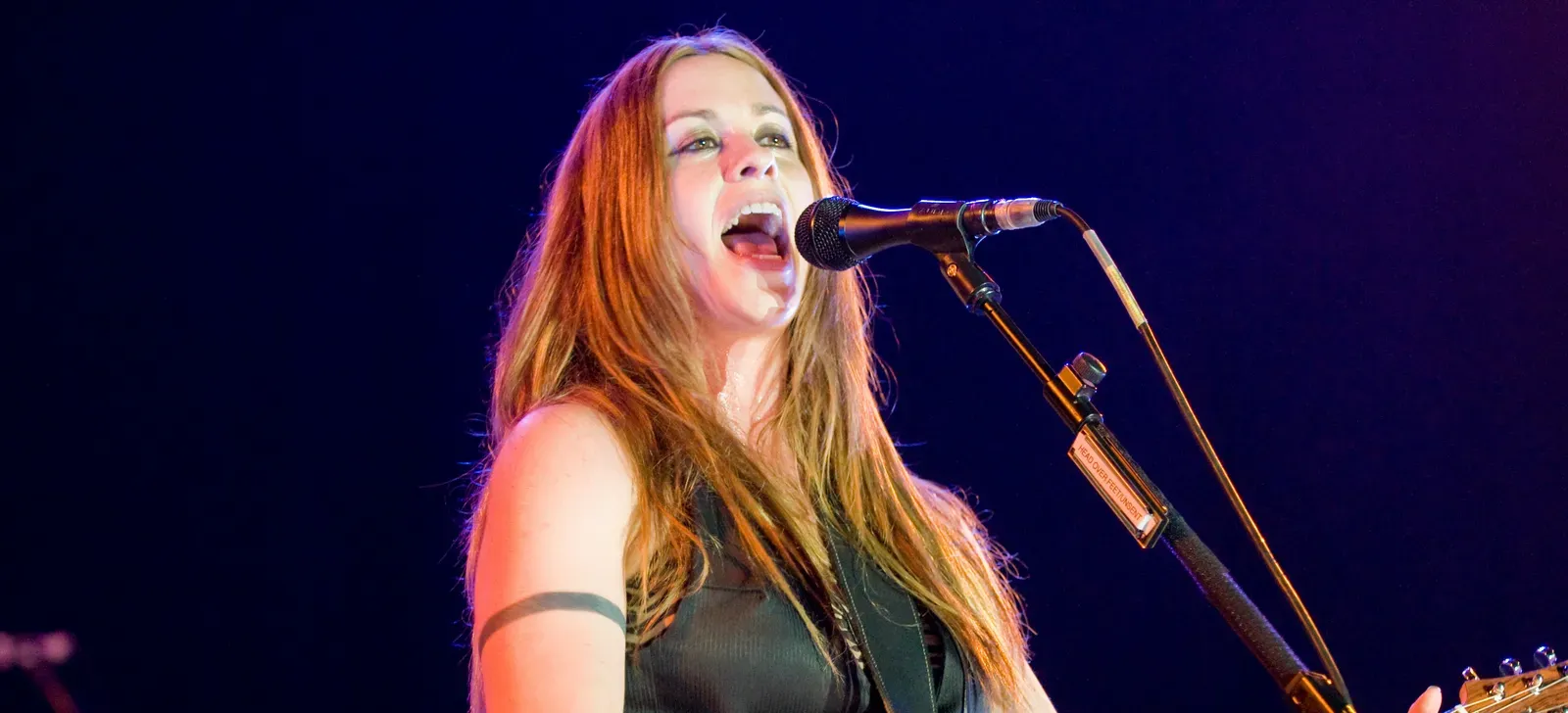
The rumbling bassline that opens “You Oughta Know” sets an unmistakably confrontational tone before Morissette even utters a word. The track appeared on Jagged Little Pill, an album that became a defining statement of mid-90s alternative rock and turned Morissette into one of the decade’s most talked-about new artists.
That bass intro, played by Flea of the Red Hot Chili Peppers, gives the song an immediate sense of tension that never really lets up. It’s a rare case of an intro perfectly foreshadowing the raw emotional intensity of everything that follows.
Backstreet Boys, “Everybody (Backstreet’s Back)” (1997)
The spoken opening line that kicks off “Everybody” is one of the most quoted intros of the boy band era, immediately signaling that the group had arrived and had no intention of being subtle about it. The track appeared on the group’s second studio album and became one of their signature performance pieces.
Its theatrical, almost horror-movie-inspired production made the intro stand apart from other boy band singles of the period, which tended to lean softer and more ballad-driven. That bold opening choice helped “Everybody” become a defining anthem of late-90s pop, still instantly recognizable at any nostalgia-themed party today.
Final Thoughts