Some movies arrive so fully formed, so complete in themselves, that a sequel almost feels like an act of trespassing. The story is told, the characters have earned their ending, and the audience walks out satisfied. Then the studio crunches some box office numbers and reaches for the phone. Though some sequels turn out great or even better than the original film, there comes a point where the franchise derails itself, making audiences wish it had stopped when it was at its best. These eleven franchises all started with something genuinely special. What came next is another story entirely.
1. Jaws (1975)
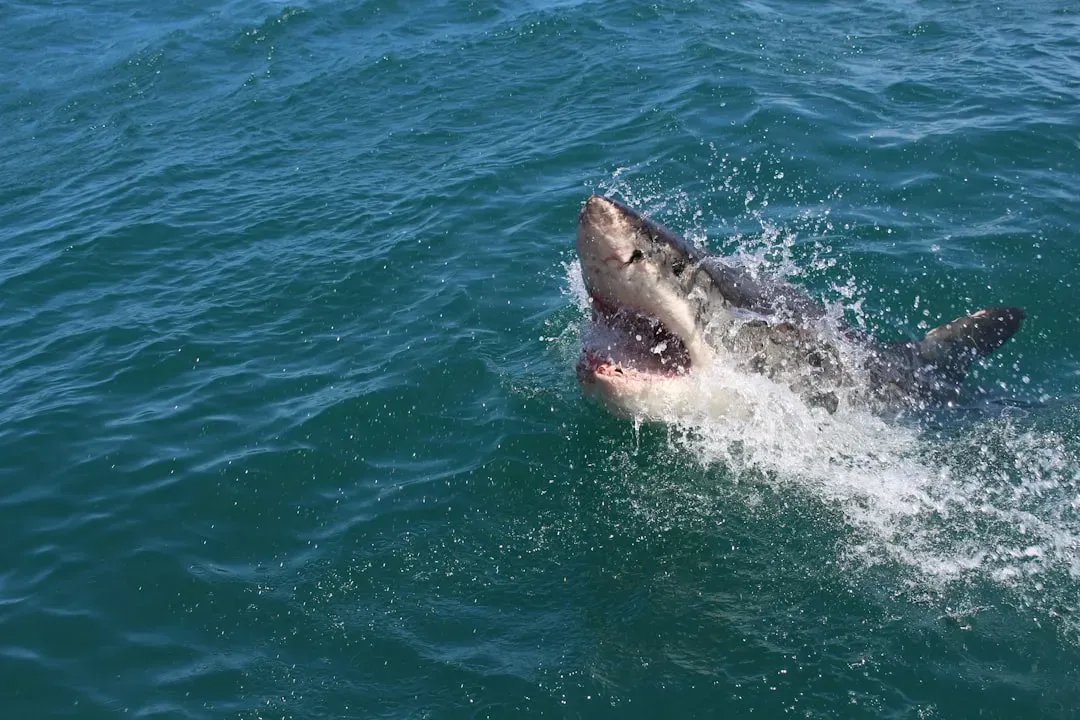
Steven Spielberg’s original adaptation of Peter Benchley’s novel made for a truly seminal chapter in Hollywood history, practically creating the summer blockbuster as we know it. Spielberg built suspense masterfully, barely showing the shark and instead focusing on human reactions, fear, and slow-burning tension. It’s a complete movie with well-drawn characters and a sharp, well-paced narrative.
Each sequel got worse, relying on cheap effects, lazy storytelling, and laughable ideas, including a shark that supposedly seeks revenge on a family. If any franchise could have preserved a perfect reputation by quitting at just one, it’s Jaws. Today, the film is seen as a case study of when studios simply don’t know when to quit, and there hasn’t been a new Jaws film in nearly four decades, despite the industry’s dependence on sequels.
2. The Blair Witch Project (1999)
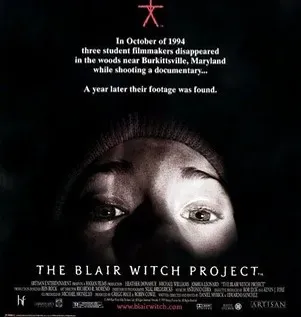
Two young directors made a minimalist independent picture and, thanks to an impeccable marketing campaign, managed to convince much of the world their movie was real. Blair Witch helped usher in the found-footage craze, and while it may not terrify modern viewers the way it did audiences in 1999, it’s still remembered fondly as an important piece of horror history.
After the massive success of the original, Artisan was eager to produce a sequel while the film’s popularity was still at its peak. However, the original creators were not ready to begin work on a follow-up, preferring to wait. In late 1999, Artisan decided to proceed without them. Book of Shadows: Blair Witch 2 was poorly reviewed by critics, with only roughly one in seven critics offering a positive assessment on Rotten Tomatoes. The original’s power came from what it withheld. The sequel forgot that entirely.
3. Halloween (1978)
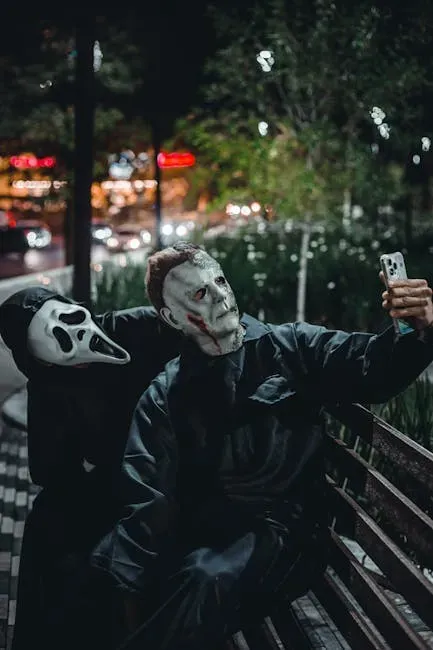
A horror landmark, the original Halloween earned its status exactly because it was so simple. Michael Myers was terrifying because he was inexplicable, pure evil, silent, unstoppable, and with no clear motive. The film leaned on silence, POV shots, and a lack of gore to create an eerie, unsettling atmosphere that stuck with audiences. It was the kind of horror that thrived on suggestion, not excess.
The sequels completely wrecked that vibe, and most people don’t even remember they exist, let alone the remakes. In trying to give Michael a backstory, with cults, family trees, and alternate timelines, the franchise ended up watering down what made him scary. Even David Gordon Green’s legacy reboot continued the trend of messy, uneven entries, with Halloween Kills being a very odd and chaotic film.
4. Die Hard (1988)

An action classic, Die Hard is brilliant for one simple reason: it gave us a human protagonist, flawed, vulnerable, and stuck in an extreme situation where he had to rely on his wits to survive. John McClane wasn’t a superhero; he was just a regular cop facing off against terrorists with little more than guts and quick thinking. The film had real stakes, a tight pace, and a solid character arc.
Then came four sequels that completely tore that concept apart. Suddenly, McClane turned into an invincible action hero, jumping out of fighter jets, blowing up helicopters, and walking away from the most ridiculous scenarios without a scratch. The franchise got more and more generic, swapping tension for mindless spectacle, losing everything that made the original stand out. There’s been no real appetite for more Die Hard since.
5. The Matrix (1999)
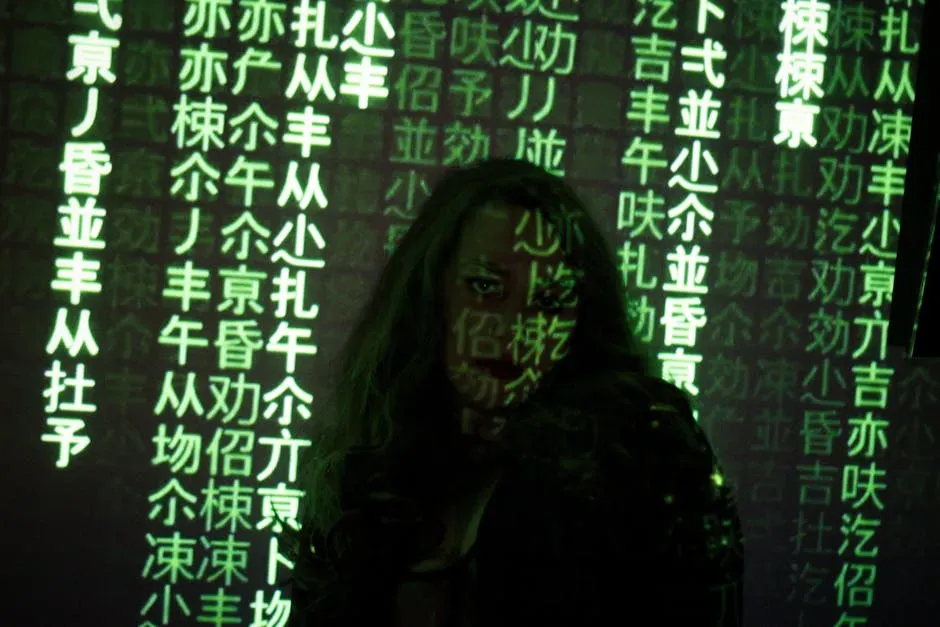
The Matrix immediately captured the fans’ imagination. Through its state-of-the-art effects and anime-inspired fight sequences, the film almost instantly cemented itself among the most esteemed films in geek culture. With a heavy dose of philosophy and a Messianic figure awakened from his digital slumber, the film transcended the screen, resulting in frequent copies and parodies.
After The Matrix pushed the technical and philosophical boundaries of sci-fi action, viewers were eager for sequels. It was disappointing enough when The Matrix Reloaded divided audiences, but most agreed that Revolutions was a poor ending to the trilogy. The epic mythos the Wachowskis built came down to convoluted reveals and truncated ideas. The themes were bent-spoon-fed, and the characters were overwhelmed by computerized action.
6. Highlander (1986)
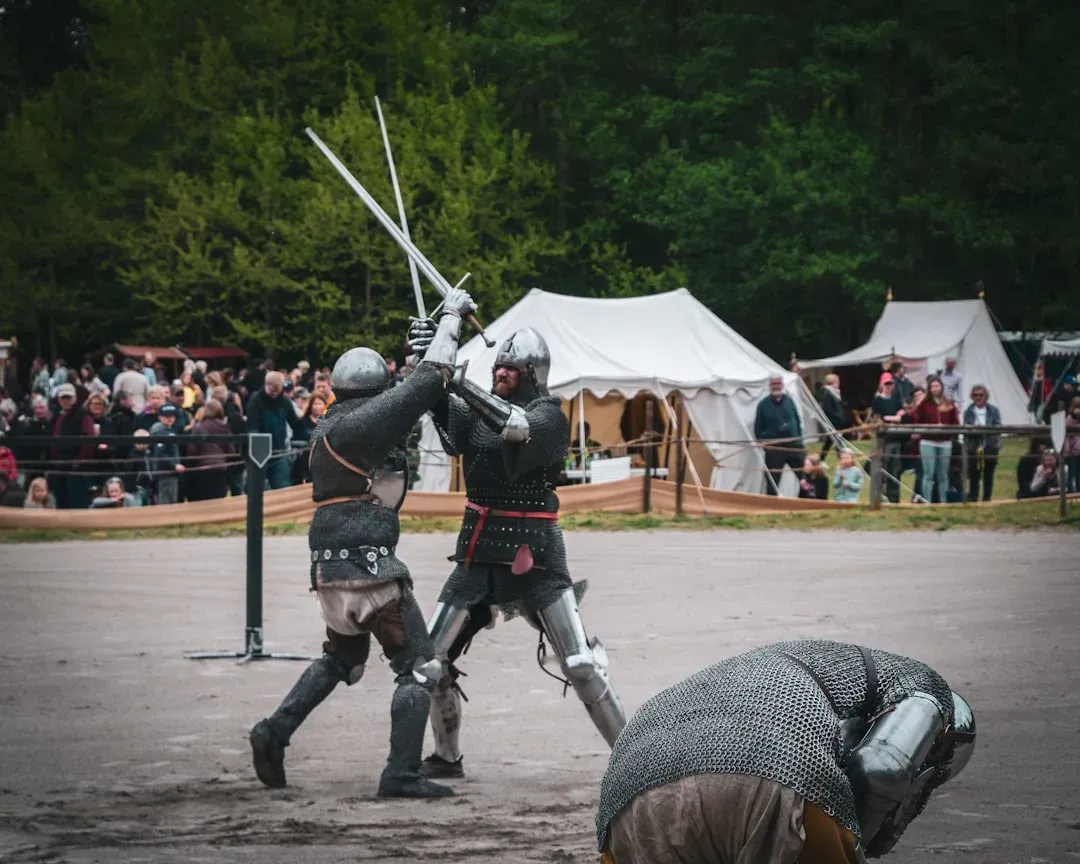
While years of poorly received sequels have let down fans, the original Highlander remains a work of art anchored by incredible performances from Christopher Lambert, Clancy Brown, and Sean Connery. When the movie isn’t indulging in swashbuckling action, it’s embracing a surprisingly heartfelt plot about the cost of immortality and the power of love. Highlander is an incredible slice of 1980s science-fantasy.
Partner offer
The reason the Highlander movie series is so unlikely is that the original ended on an extremely conclusive note. MacLeod slays his final foe the Kurgan, wins the “Prize,” and is turned mortal by the end. Making a sequel that undid this ending would prove tricky, and the subsequent follow-ups tied themselves in knots trying to make it work. Highlander II is regarded as one of the worst sequels ever made. A lengthy time skip erases everything of note from the original’s finale, while a massive retcon raises more questions than answers.
7. Speed (1994)
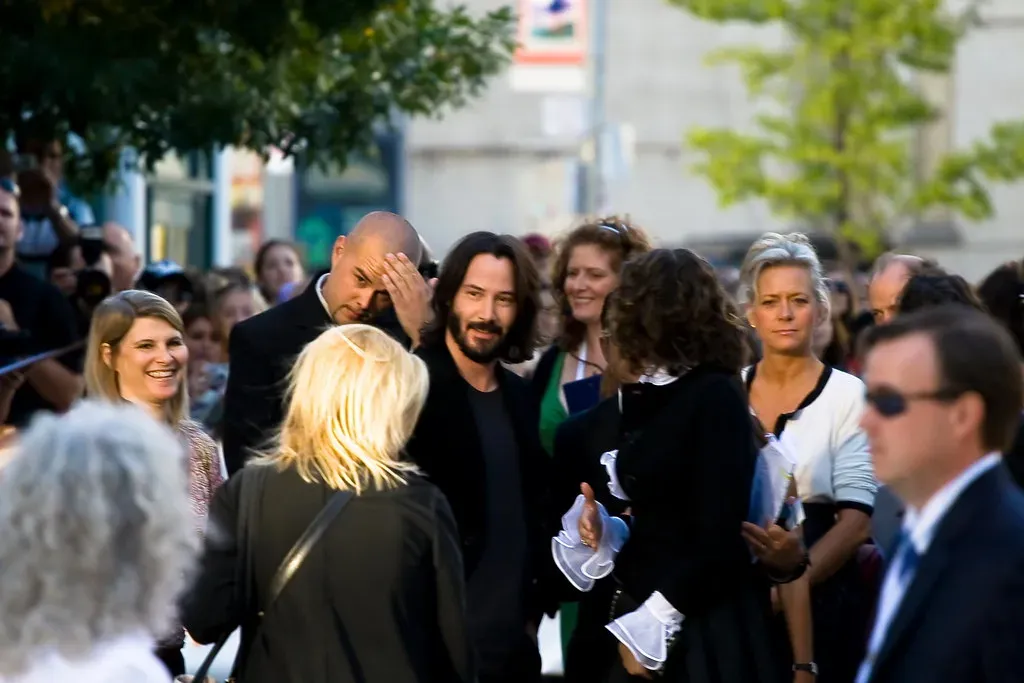
With intense chases, an unrelentingly fast pace, wildly fun characters, and jaw-dropping stunts, Speed became a wildly praised classic that every action movie fan needs to see. A bomb-rigged bus and Keanu Reeves’ heroics made this action flick a tense masterpiece. Its tight pacing and stakes kept audiences glued.
Speed’s attempt at securing a franchise was immediately squashed once Speed 2: Cruise Control was released to extremely negative reviews and imploded at the box office. Today, it’s even considered one of the worst action movies of all time. From the poor direction and soulless script to the fact that the filmmakers couldn’t even get Keanu Reeves to come back, Speed 2 was a complete trainwreck.
8. The Hangover (2009)
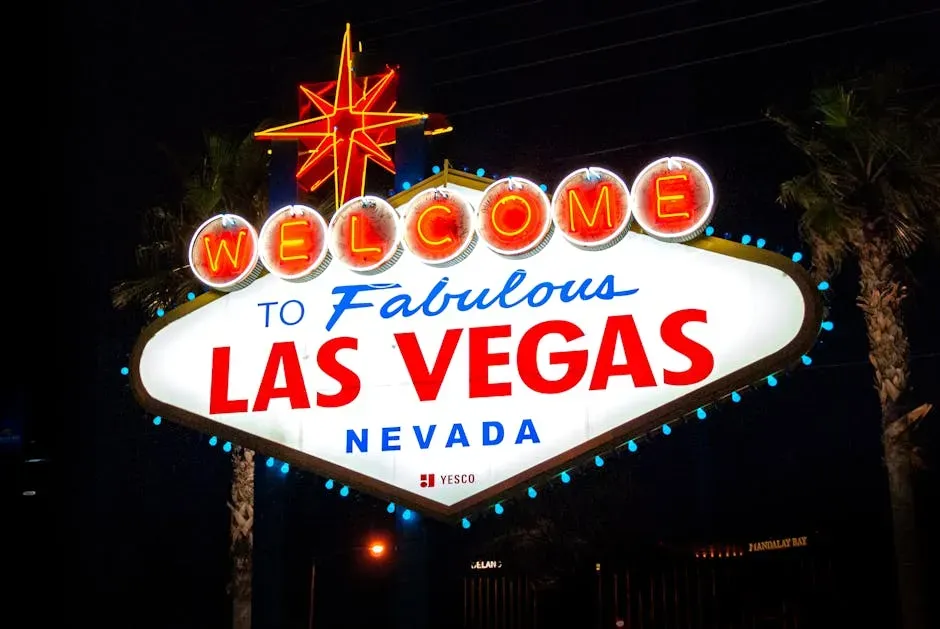
The Hangover was fresh, outrageous, and unapologetically raucous. It gave audiences a gloriously funny and unexpected ride through a Vegas bachelor party gone horribly wrong. The chemistry among the central trio felt genuinely accidental and unrepeatable, which is precisely what made the film work so well.
The sequels essentially treated the first film’s premise as a template rather than a one-off lightning strike. A wild Vegas bachelor party gone wrong had delivered gut-busting comedy, and the chemistry of the Wolf Pack carried the chaotic fun. Trying to bottle that a second and third time just exposed how much of the original’s charm depended on the element of surprise. The law of diminishing returns rarely applies so swiftly.
9. The Exorcist (1973)

Hardly any other film is more well-known for its intensity and timeless terror than William Friedkin’s The Exorcist. It’s one of the most compelling horror movies of all time, hailed by fans for being endlessly terrifying and seen as a must-watch for every horror lover. One might think the franchise it spawned would stand alongside the original, but nothing in the Exorcist franchise even comes close.
Exorcist II: The Heretic was an abomination that many fans seriously wish to forget about. It was poorly written, acted, and painfully confusing. Exorcist III was technically more refined, and there are those who defend its quality, but it comes nowhere close to the success of the first one. The 2023 sequel, The Exorcist: Believer, fared little better, reinforcing a consistent pattern of diminishing returns across five decades.
10. Friday the 13th (1980)
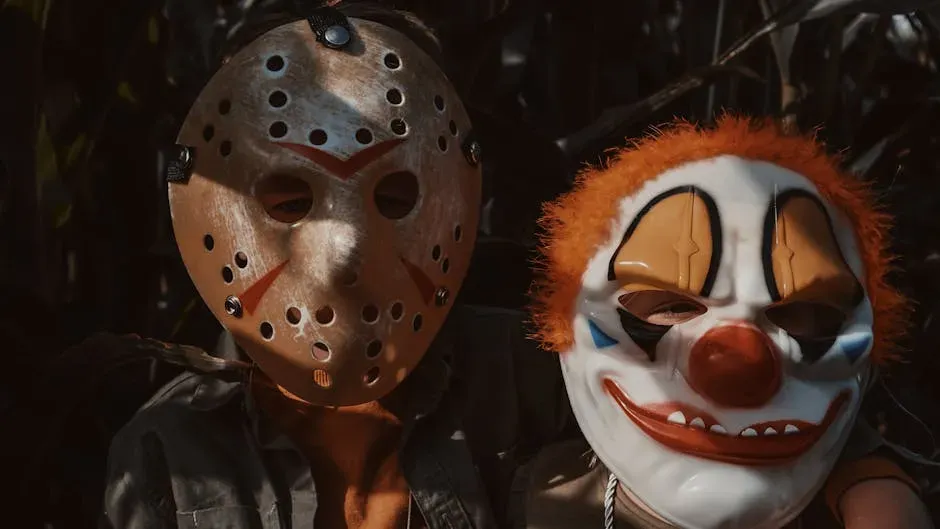
In terms of slasher films, the first Friday the 13th is a masterclass. It’s a simple but effective horror movie, with a solid suspenseful atmosphere and a twist ending that lands. It works as a revenge story with some psychological horror thrown in, and if it had ended there, it would’ve been remembered as a standout in the genre.
Commercial success pushed Jason Voorhees, a character who was barely in the original, into becoming the face of a franchise that had nothing new to offer. From that point on, it turned into a parade of creative kills with zero substance, recycling the same formula over and over. Jason became a completely implausible villain, brought back from the dead countless times, even going up against telepaths and heading to space.
11. Taken (2008)
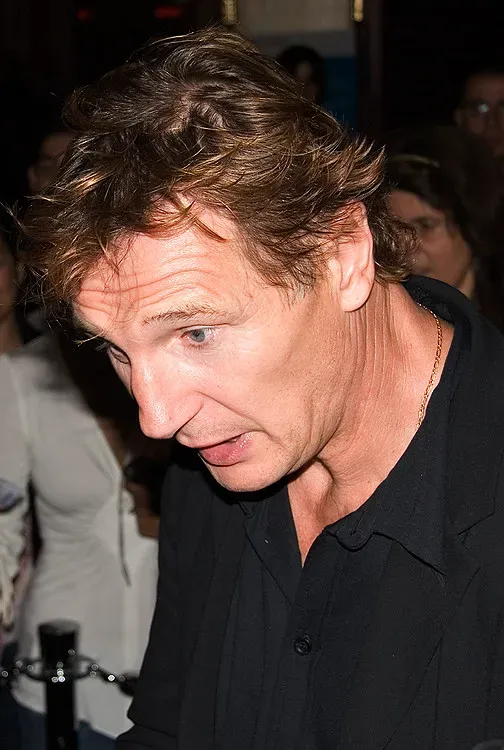
In the original Taken, former CIA operative Bryan Mills finds out his daughter has been abducted by shady people, so he makes the world’s scariest phone call before kicking and shooting his way through Eastern Europe to get her back. It’s a simple premise that serves as an action showcase for Liam Neeson. The film was a massive hit, earning over two hundred million dollars worldwide off a surprisingly small budget.
Four years later, Taken 2 hit theaters, and this time it’s Bryan who gets taken, by the father of a man he killed in the original. This was followed by a third installment where Bryan is framed for the murder of his ex-wife, and a prequel TV show that raised serious questions about continuity. The premise, by definition, had nowhere left to go. Every sequel required a new contrivance to justify the same basic plot, and audiences gradually stopped buying it. The pattern across all eleven franchises is hard to ignore. Often, sequels are just baseless cash grabs with no heart. Other times, the premise of the original is so unique and high-concept that it simply doesn’t leave room for sequels, and yet the producers don’t let that stop them. As studios become complacent with the success of franchises, it’s easy to under-invest in good writers and directors, turning sequels into dull cash grabs. A single great film, left alone, can endure for generations. A franchise that overstays its welcome tends to leave a different kind of legacy entirely.
Partner offer
Planning a trip to Vegas?
Compare hotel rates and show tickets on VEGAS.com.