Some movies live in our memory because of a plot twist or a killer line of dialogue. Others stick around because of a room. Kitchens, oddly enough, tend to outlast the stories built around them, becoming the setting people picture years after they’ve forgotten who did what to whom.
Maybe it’s because kitchens feel lived in, cluttered with the small details that production designers love to sneak past us. Whatever the reason, these eleven movie kitchens have a way of upstaging everything else on screen, including the actual story.
1. Gusteau’s kitchen in Ratatouille (2007)
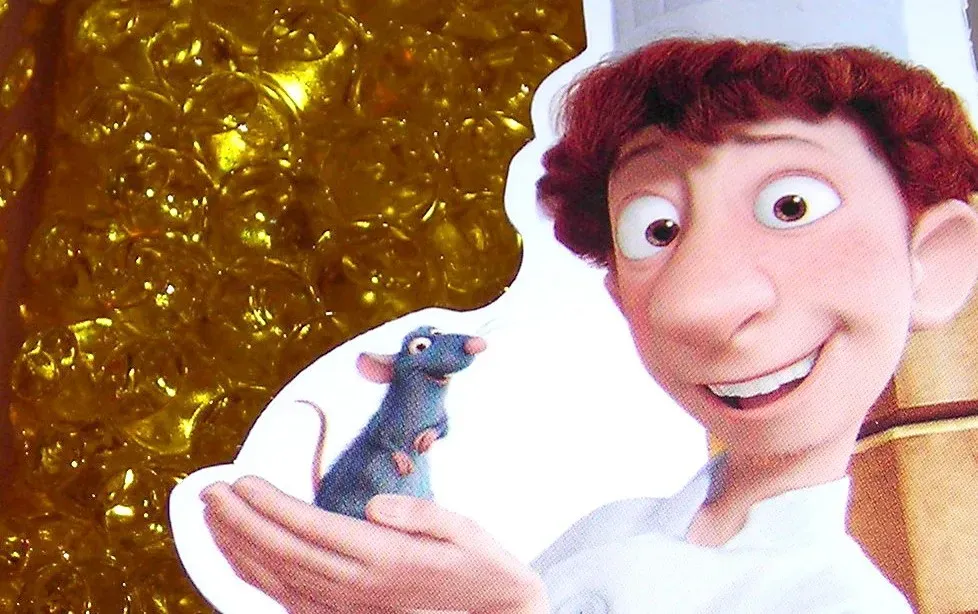
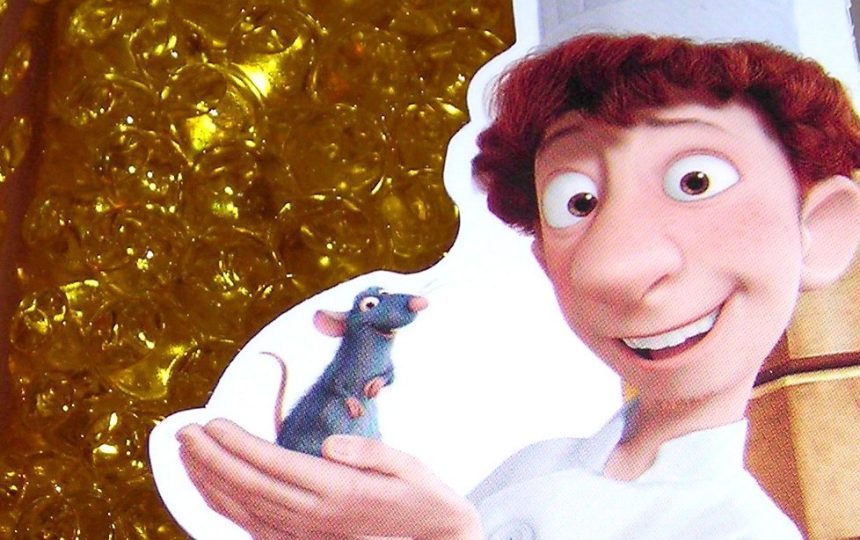
Pixar’s animators spent months studying real Parisian kitchens before building Gusteau’s, and the result is a space so detailed it feels almost tactile despite being entirely digital. Copper pans hang in exact rows, steam curls off simmering pots, and the chaos of a professional service is choreographed down to the second. It’s a kitchen designed to make cooking look like both art and warfare.
What makes it linger isn’t just the visual polish but the way the film treats the space as a character in its own right. Remy’s journey through the pipes and shelves gives viewers a rat’s eye view of a working kitchen that most people never get to see, professional or otherwise. Long after the film ends, that gleaming, frantic room is often the first thing people remember.
2. The prison kitchen in Goodfellas (1990)
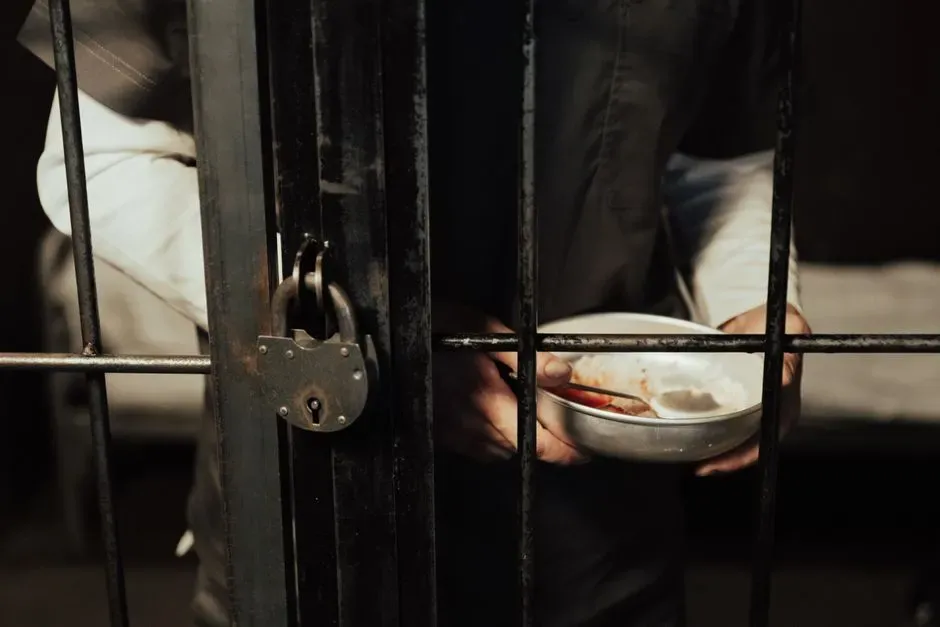
Martin Scorsese’s mob epic has plenty of iconic scenes, yet the sequence of gangsters cooking an elaborate meal behind bars remains one of the most quoted. The detail of slicing garlic with a razor blade so thin it liquefies in the pan has become genuine culinary folklore, repeated in cooking shows and food blogs for decades. It’s a strange twist that a prison kitchen, of all places, became a reference point for how to properly prepare a sauce.
The scene works because it flips expectations. Instead of menace, there’s domestic pride, guys bragging about bread and wine like it’s the most important meal of their lives. That contrast between hardened criminals and careful cooking technique is why the moment has outlived much of the surrounding narrative in pop culture memory.
3. The Overlook Hotel kitchen in The Shining (1980)
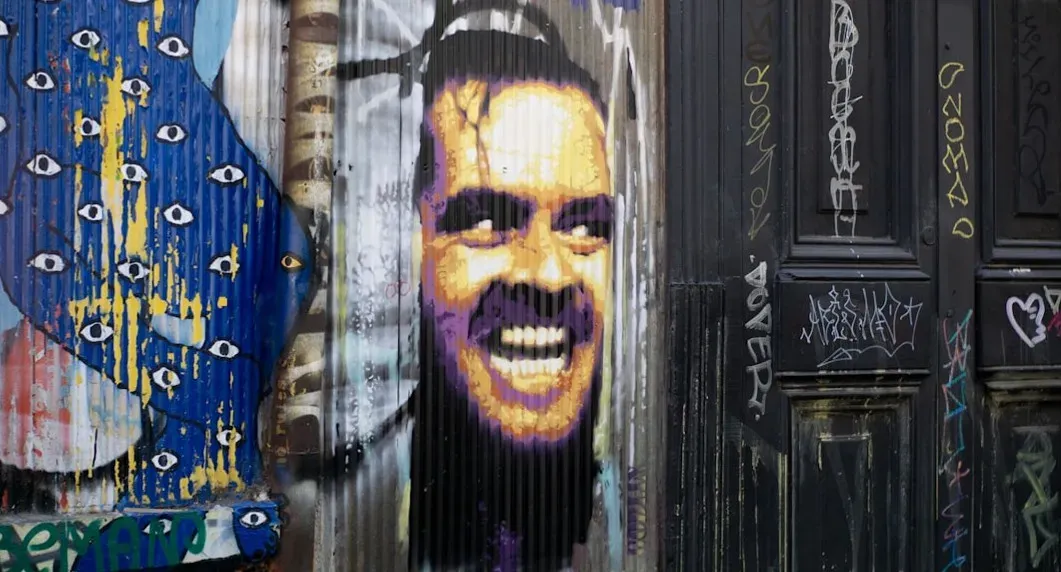
Stanley Kubrick’s ominous horror film features a sprawling, stainless steel kitchen that Dick Hallorann tours with young Danny early in the story. The sheer scale of the room, lined with walk in freezers and endless shelves of canned goods, hints at the hotel’s isolation long before anything supernatural happens. It’s a quietly unsettling space precisely because it looks so normal and so vast for a hotel that’s about to be empty for months.
Production designers built the kitchen set with obsessive realism, stocking it with actual food brands of the era to sell the illusion of a functioning commercial kitchen. That level of detail is part of why fans still dissect the room today, searching for hidden meaning in shelf placement and lighting. Few horror films have made a pantry feel this ominous.
4. The McCallister kitchen in Home Alone (1990)
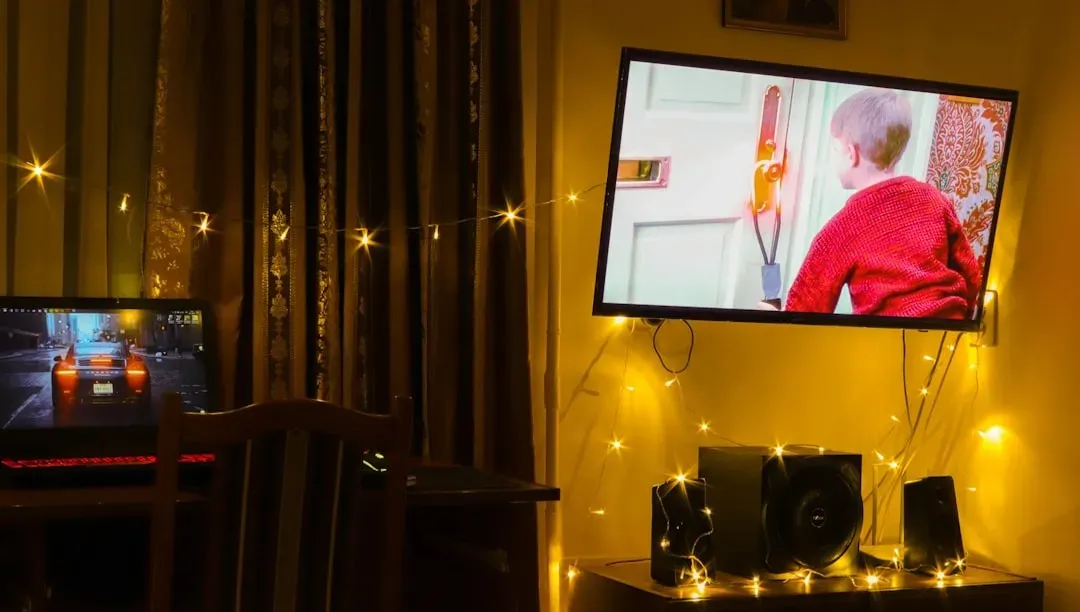
Before Kevin McCallister rigs paint cans and blowtorches to fend off burglars, his family’s suburban kitchen sets the tone for the film’s chaotic holiday energy. The busy countertops, overflowing fridge, and general sense of a household in full Christmas panic make it instantly relatable to anyone who has hosted a big family gathering. It’s a space that feels authentically middle class Chicago suburb, right down to the patterned wallpaper.
The kitchen later becomes a battleground, most memorably when Kevin sets up a series of booby traps that turn the room into a minor disaster zone. That transformation from cozy family hub to slapstick war zone is part of what makes the film’s midsection so rewatchable every December. The kitchen essentially tells its own mini story of order collapsing into gleeful chaos.
5. Julia Child’s Cambridge kitchen in Julie & Julia (2009)
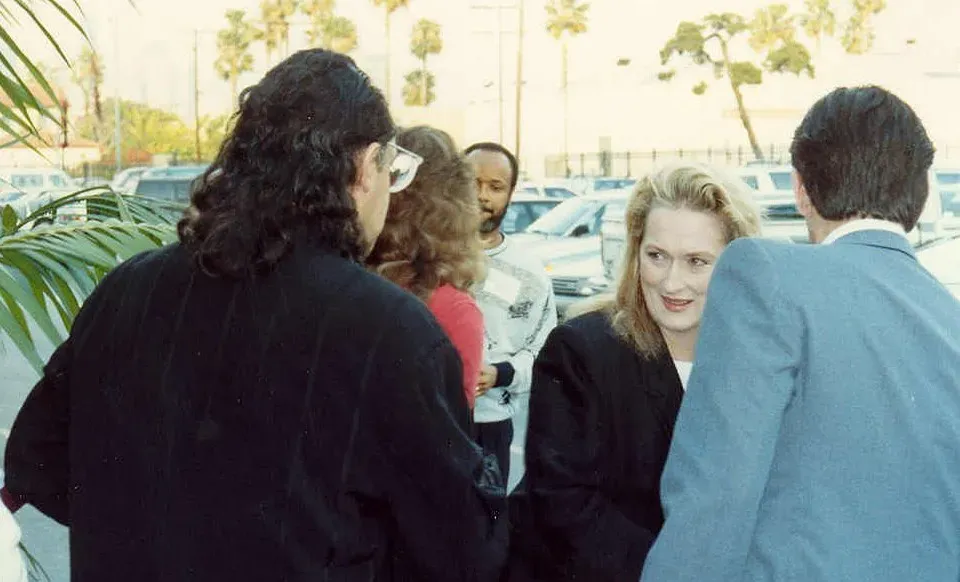
Nora Ephron’s film recreated the real kitchen Julia Child used in her Cambridge, Massachusetts home, a space so beloved by fans that the actual counter height was raised specifically to accommodate Child’s six foot two inch frame. That detail, faithfully replicated for the film, gives the set an authenticity that food history buffs immediately recognize. Meryl Streep’s performance in that kitchen, flipping omelets and battling stubborn chickens, turned the room into shorthand for joyful, unpretentious cooking.
The real kitchen was eventually donated to the Smithsonian’s National Museum of American History, where it remains on display, which only reinforced how much cultural weight this particular room carries. Seeing it recreated on screen gave audiences a sense of stepping into television history, since Child’s original kitchen was also the set for her groundbreaking cooking show. Few movie kitchens carry that kind of real world legacy.
6. The Park family kitchen in Parasite (2019)
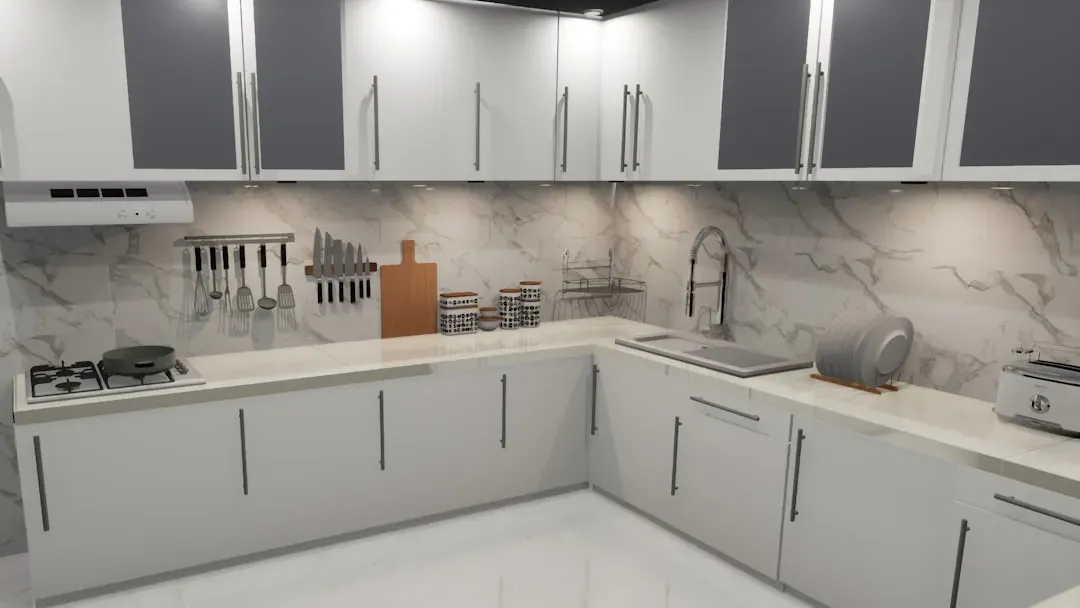
Bong Joon Ho’s Oscar winning film uses the wealthy Park family’s sleek, minimalist kitchen as a visual marker of class division from the very first scenes set inside their home. The open, airy design contrasts sharply with the cramped semi basement apartment the Kim family lives in, and that contrast does a lot of narrative heavy lifting without a single line of dialogue. The kitchen’s clean lines and abundance of natural light quietly communicate privilege in a way words never could.
Partner offer
Later in the film, that same kitchen becomes the site of some of the story’s most tense and violent moments, which makes the earlier calm feel almost eerie in retrospect. Production designer Lee Ha Jun built the space with meticulous attention to how light would move through it across different scenes. That kitchen has since become a reference point in discussions of how architecture can reinforce a film’s social commentary.
7. The restaurant kitchen in Big Night (1996)
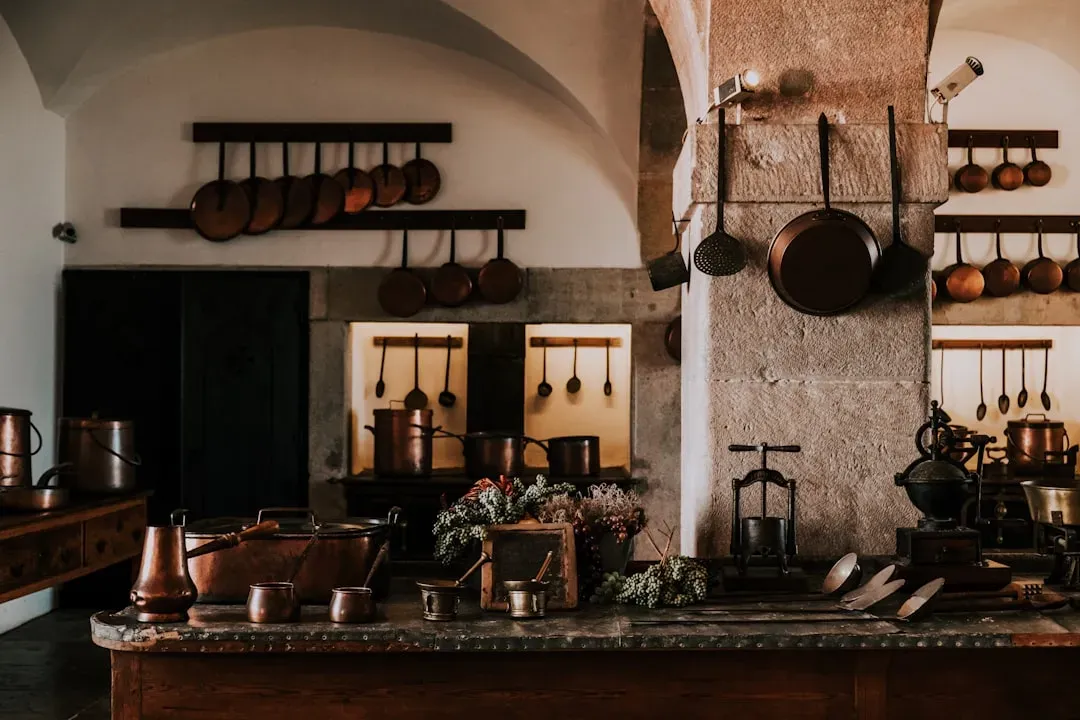
This lesser known but beloved film centers almost entirely around two Italian immigrant brothers trying to save their failing New Jersey restaurant, and its kitchen scenes are where the movie truly comes alive. The camera lingers on pasta being rolled, sauces being tasted, and plates being assembled with a patience that turns cooking into its own form of drama. For many food lovers, this film’s kitchen sequences feel more compelling than the actual plot about the restaurant’s uncertain fate.
Critics and chefs alike have pointed to Big Night over the years as one of the most accurate cinematic portrayals of what real kitchen work looks like, stress, precision, and pride all tangled together. The famous timpano dish prepared in the film’s climax has since become something of a cult recipe among home cooks. It’s a rare case where the kitchen scenes are widely considered better than the story surrounding them.
8. Patrick Bateman’s kitchen in American Psycho (2000)
The stark, minimalist kitchen in Patrick Bateman’s Manhattan apartment is almost aggressively sterile, all white surfaces and hidden appliances that give away nothing about the person using them. That coldness is deliberate, mirroring Bateman’s own emotional detachment and obsession with surface level perfection. It’s a kitchen designed to look expensive and empty at the same time.
The space becomes darkly memorable during one of the film’s most talked about scenes, when Bateman chases a victim through the apartment with a chainsaw, the kitchen briefly transforming into something far more sinister. That jarring shift from clinical minimalism to horror is part of why the room has become a recurring reference in discussions of the film’s visual style. Design blogs still cite the apartment’s late 1980s aesthetic as a touchstone for a certain kind of cold, status driven interior.
9. The Whistle Stop Cafe kitchen in Fried Green Tomatoes (1991)
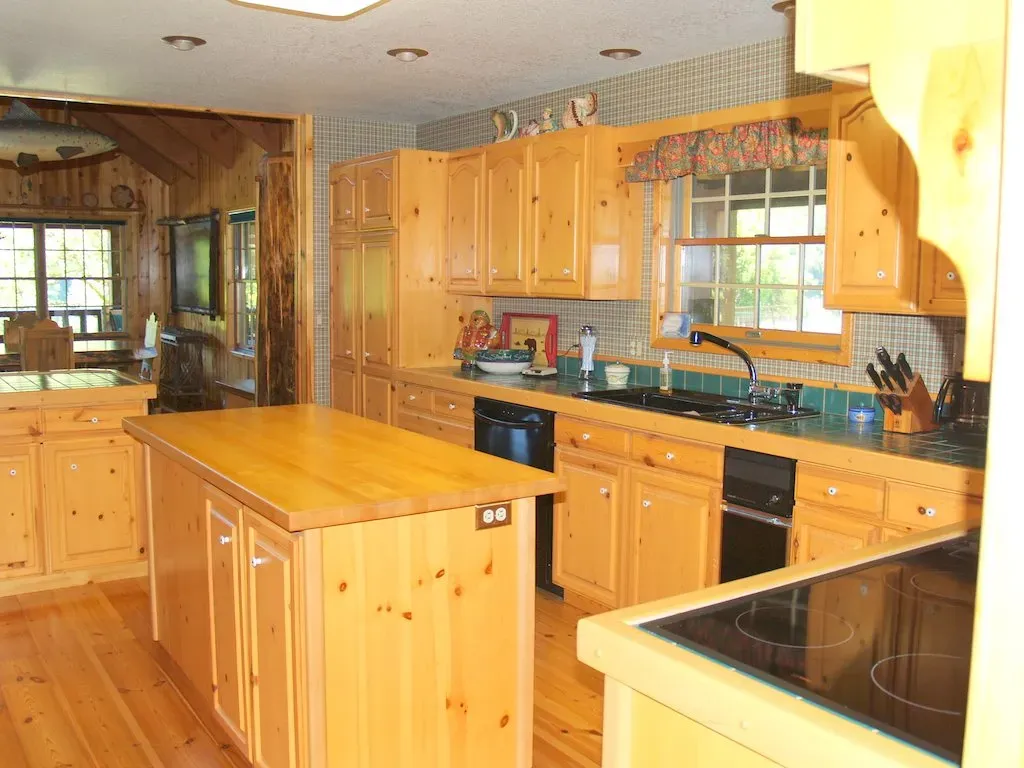
Set in a small Alabama town, this film’s cafe kitchen becomes the emotional center of the entire story, a place where friendship, grief, and community all intersect over plates of fried green tomatoes and barbecue. The warm, cluttered space feels genuinely Southern, with worn countertops and mismatched dishware that suggest decades of daily use. It’s the kind of kitchen that feels like it has actual history baked into its walls.
The film’s enduring popularity has turned the cafe into something of a pilgrimage site, with the real filming location in Juliette, Georgia still operating as a working restaurant that draws visitors decades after the movie’s release. That real world continuation is rare for movie sets, and it speaks to how deeply the kitchen resonated with audiences. Few fictional cafes have managed to become actual tourist destinations quite like this one.
10. The Griswold kitchen in National Lampoon’s Christmas Vacation (1989)
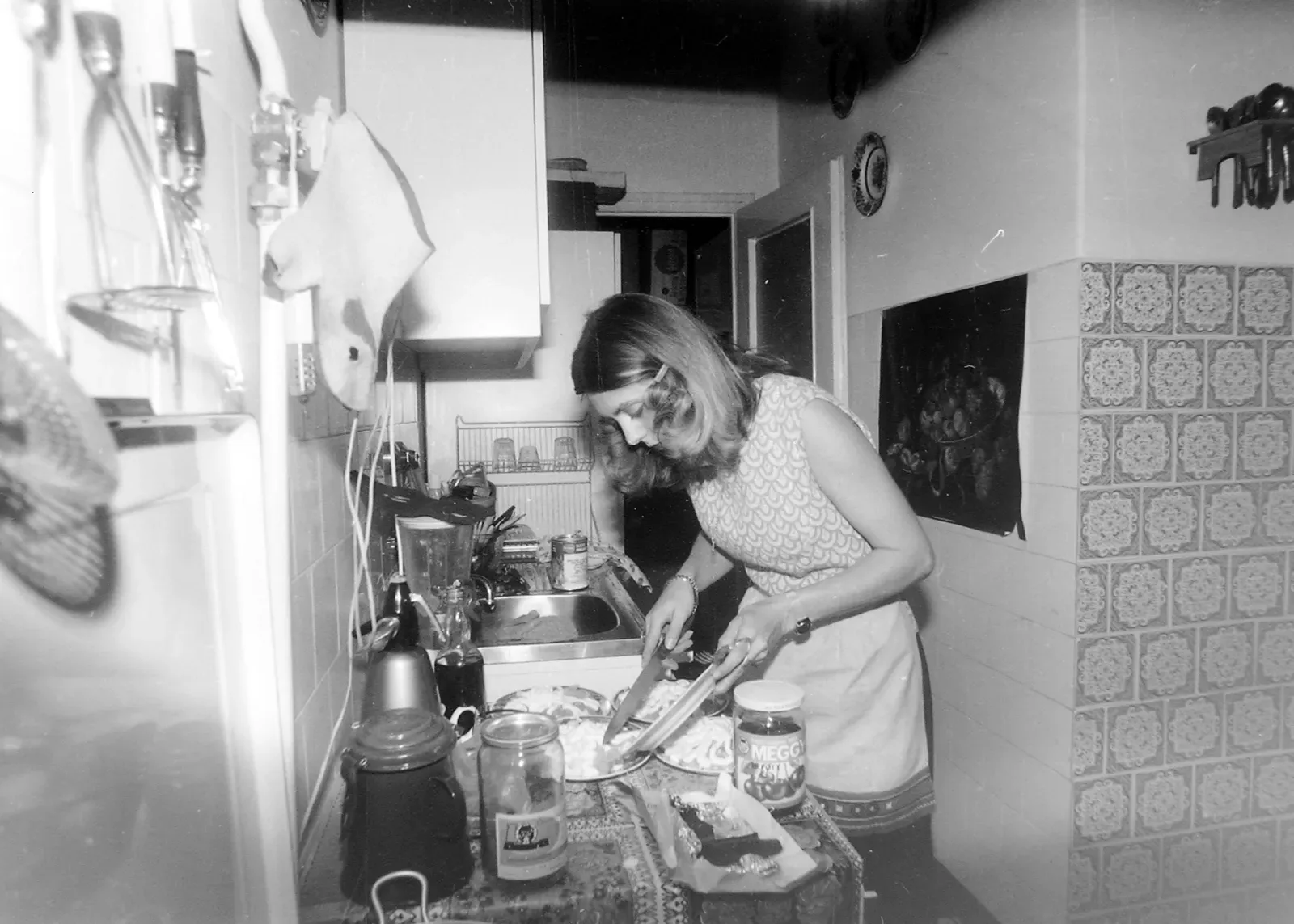
Clark Griswold’s chaotic attempt to host the perfect family Christmas unravels largely in his kitchen, where an overcooked turkey explodes into a shriveled, deflated mess in one of the film’s most quoted scenes. The kitchen’s cheerful 1980s decor, all warm wood tones and patterned curtains, makes the escalating disaster feel even funnier by contrast. It’s a space built for comfort that gets absolutely wrecked by holiday stress.
That turkey scene alone has become a holiday viewing staple, referenced constantly during Thanksgiving and Christmas seasons even by people who haven’t watched the whole film recently. The kitchen’s practical, lived in look helped ground the film’s more absurd moments in something relatable, since most families have had at least one holiday meal go slightly wrong. It remains one of the most quoted domestic disaster scenes in comedy film history.
11. Julieta’s healing kitchen in Encanto (2021)

In Disney’s Colombian set animated musical, Julieta Madrigal’s kitchen is where her magical healing power comes to life, turning ordinary arepas and soups into something quietly extraordinary. The warm color palette and detailed textures, from woven baskets to hanging herbs, reflect the film’s broader commitment to authentic Colombian design and culture. Disney’s animators reportedly researched traditional Colombian kitchens extensively to get the details right, down to specific cookware and food presentation.
The kitchen becomes emotionally central during the film’s climax, when Julieta’s cooking helps restore both her family and their magical home. That blend of the domestic and the magical struck a chord with audiences, and the space has since appeared frequently in fan art and merchandise. It’s a rare modern example of an animated kitchen becoming as iconic as any live action counterpart on this list.
Taken together, these eleven kitchens prove that a well designed room can carry as much emotional and narrative weight as any script. Whether built from real history, careful research, or pure imagination, each one found a way to become the part of the film audiences remember most clearly.
Partner offer
Planning a trip to Vegas?
Compare hotel rates and show tickets on VEGAS.com.