Walk past a repertory cinema on a weeknight and you’ll often find a line for a film that’s older than most of the people in it. The title on the marquee didn’t get there by accident. Behind every revival is a stack of small decisions about rights, prints, timing and audience.
Those decisions have become more interesting lately, because classic films are drawing attention across the industry. Here’s a look at what programmers weigh when they decide which old movies earn another run on the big screen.
A Built In Audience Is a Big Advantage
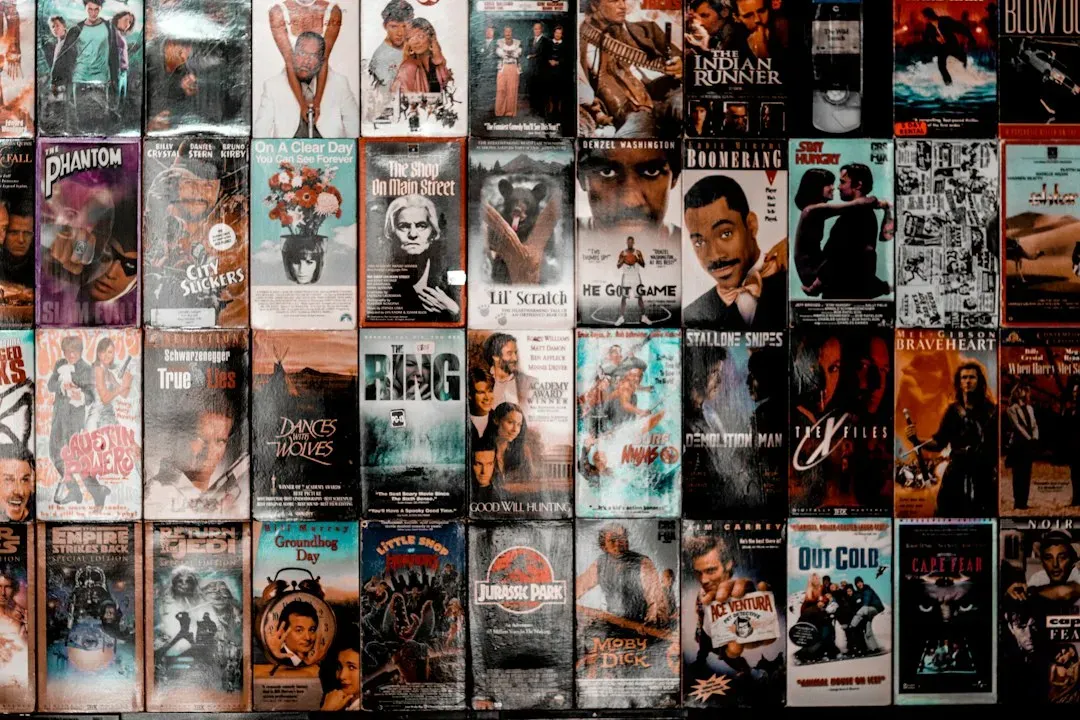
Most programmers start with a simple observation. Classic films, whether loved golden oldies or more esoteric cult movies, usually come with pre-existing, built-in audiences. A new release has to build awareness from scratch, while a familiar title already has fans who remember it.
That head start matters for budgets as well. One longtime programmer argues that classic films bring stability to quarterly revenue, and they are usually cheaper to show than newer titles. It’s one person’s view from experience, not an industry-wide measurement, but it explains why many venues keep a core of reliable favorites.
Knowing Who Actually Shows Up
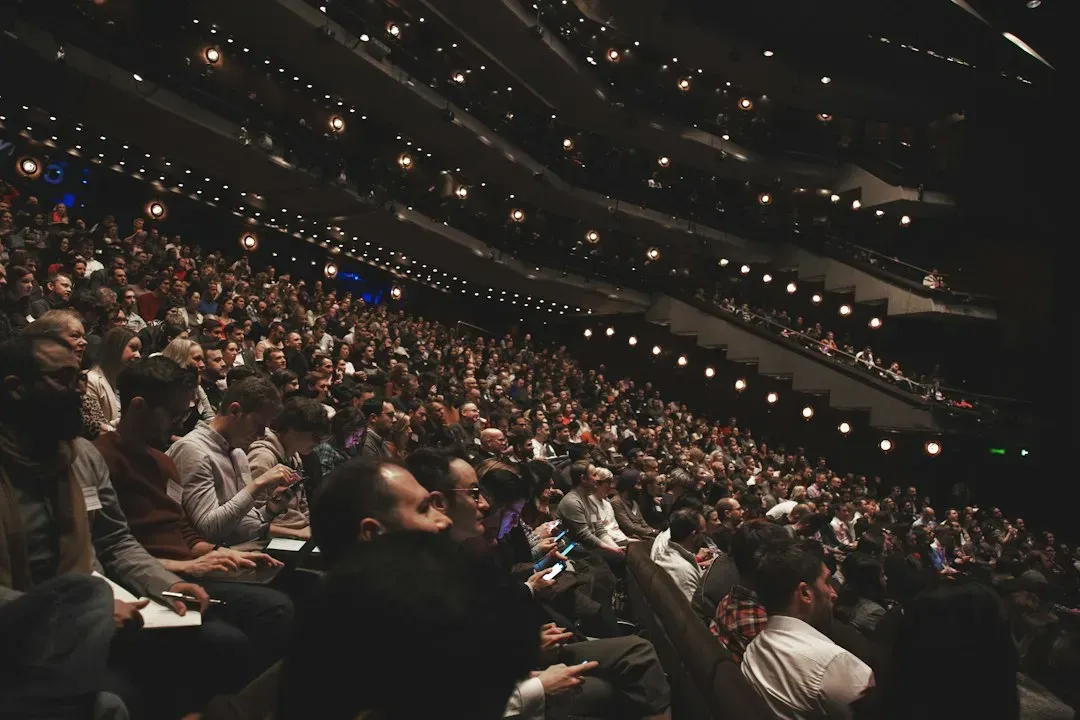
Good programming isn’t just personal taste. Programmers can’t simply pick the films they like best, and an understanding of the audience is essential, so they often carry out audience research. That research can draw on box office data, focus groups and surveys.
Some cinemas go further. For some, information from loyalty schemes, which lets them track individual customer behaviour, is also important. A title that sold well to members last spring is a safer bet than a hunch.
Matching the Film to the Time Slot
The same movie can succeed or flop depending on when it plays. A Golden Age Hollywood film in a mid-afternoon weekend slot might perform reliably with older cinemagoers, while late night cult and genre screenings can connect with younger audiences. Programmers think about the room as much as the movie.
This is why a venue’s identity shapes its calendar. Programmers can choose titles to target key demographics, either to tap into the venue’s existing strengths or to build attendance among new age groups. A midnight slot and a matinee call for different instincts.
Anniversaries, Restorations and a Reason to Go Now

A revival usually needs a hook. 4K restorations and anniversary re-releases can create a sense of occasion around repertory programming. A round number birthday or a freshly scanned print gives the press, and the audience, a reason to care this month rather than next year.
Presentation helps too. New marketing materials, trailers and posters are effective ways to repackage older titles. An old film with a fresh poster can look like a new event.
The Pull of 35mm and 70mm

For some audiences, the format is the attraction. Special events built around analogue prints are part of this, and 35mm and 70mm screenings are enjoying a resurgence, perhaps partly thanks to advocacy from filmmakers like Christopher Nolan and Quentin Tarantino. A film that looks spectacular on celluloid can justify a screening on its own.
Still, film prints are fragile and limited in number. A programmer has to know whether a print exists, what shape it’s in, and whether the archive will lend it, which narrows the field quickly.
Rights, Materials and the Hunt for Who Owns What
Wanting a film isn’t the same as being able to show it. A key barrier many programmers face is finding those films in the first place. Ownership of older titles can be tangled, and tracking down the right contact takes time.
One filmmaker and distributor behind a project called Arkino has described three bottlenecks: finding the rights holder, getting materials and subtitles, and getting fair financial conditions to screen the film. Those obstacles quietly decide many programming calendars before taste even comes into it.
New Platforms Are Easing the Booking Process

Several services have appeared to smooth this out. Timeless Cinema launched at Cannes, and according to its founder, around 1,500 cinemas had signed up, with access to over 800 titles from 10 rights-holding companies. The platform was first shown as a prototype in October 2025 at the Marché International du Film Classique, with support from the CNC.
The need was real. As classic films enjoy a resurgence, some independent exhibitors have struggled with discovering who holds the rights, plus booking, clearance and delivery details. Easier access tends to widen what a small cinema can realistically program.
Planning Around New Releases

Revivals also fit into a wider schedule. Older titles can be accessed well in advance, so marketing campaigns, special events and thematic tie ins can be planned earlier than with newer releases. That lead time is a practical luxury.
It also allows clever pairing. Director retrospectives can tie in with a high profile new title from an established filmmaker, or a contemporary release can become a jumping off point into film history. One programmer advises against scheduling popular rep titles on a new release’s opening weekend, and suggests showing them in the weeks before or after to promote the new film or bring people back later.
Balancing Safe Bets With Discoveries
Every programmer has to balance crowd pleasers with risk. The same veteran says showing something like The Godfather or Lawrence of Arabia every year gives a cushion when you take a chance on something else. Familiar hits can quietly fund the adventurous choices.
Programmers also think about the program as a whole. They aim to start a conversation with the audience or draw attention to lesser-known films. In practice, that often means a Hitchcock favorite sits next to an overlooked title the audience might never have tried alone.
Where Revivals Go From Here

The venues doing this work vary widely. Film Forum in New York, for example, has had Bruce Goldstein programming repertory since 1986, a period when the format was contracting elsewhere in New York. Los Angeles’s New Beverly is described as the last continuous repertory revival house in Los Angeles.
Taken together, the choices come down to a handful of questions. Is there an audience, can we get a good copy, do we have the rights, and is there a reason to show it now? When the answers line up, an old film gets its night on the big screen again.