Some film music works so well that you can name the movie before a single image appears. A few notes drift out of a speaker, and you’re already in a theater seat from decades ago. That kind of instant recognition is rarer than you’d think.
The eleven themes below all earned it in different ways. Some rely on a simple rhythm, others on a bold brass call or an unsettling string sound. Here’s what makes each one stick.
Jaws (1975)
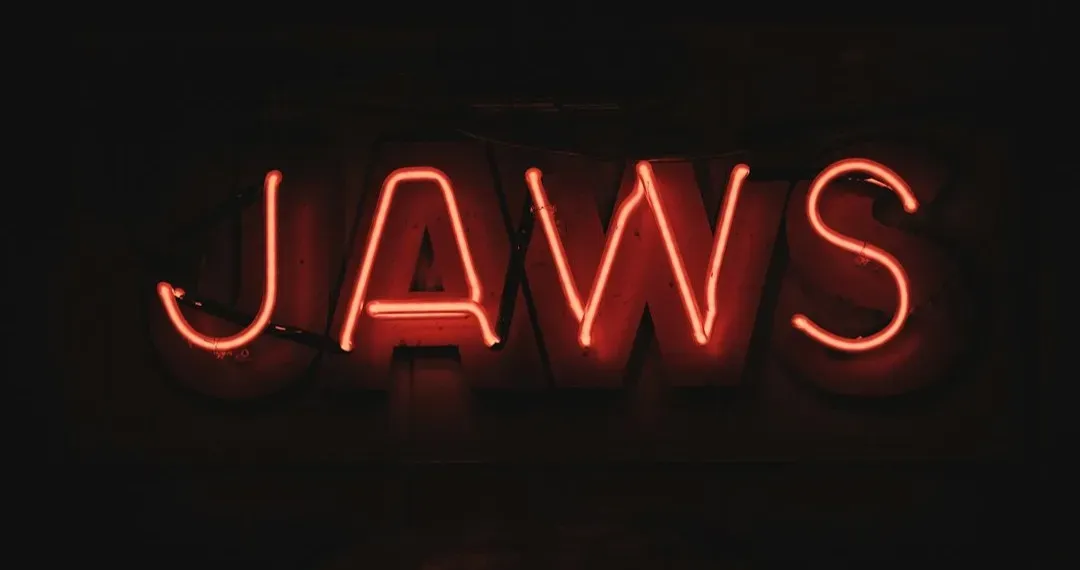
Two notes are all it takes. John Williams built the shark’s theme on a low, alternating pattern that starts slowly and speeds up as the danger nears. It’s about as minimal as film music gets.
The score won Williams an Academy Award for Best Original Score. The pattern also worked as a stand in for the shark itself, since it could signal a threat without the creature appearing on screen. Even people who’ve never seen the film use it as a joke when something ominous approaches.
Star Wars (1977)
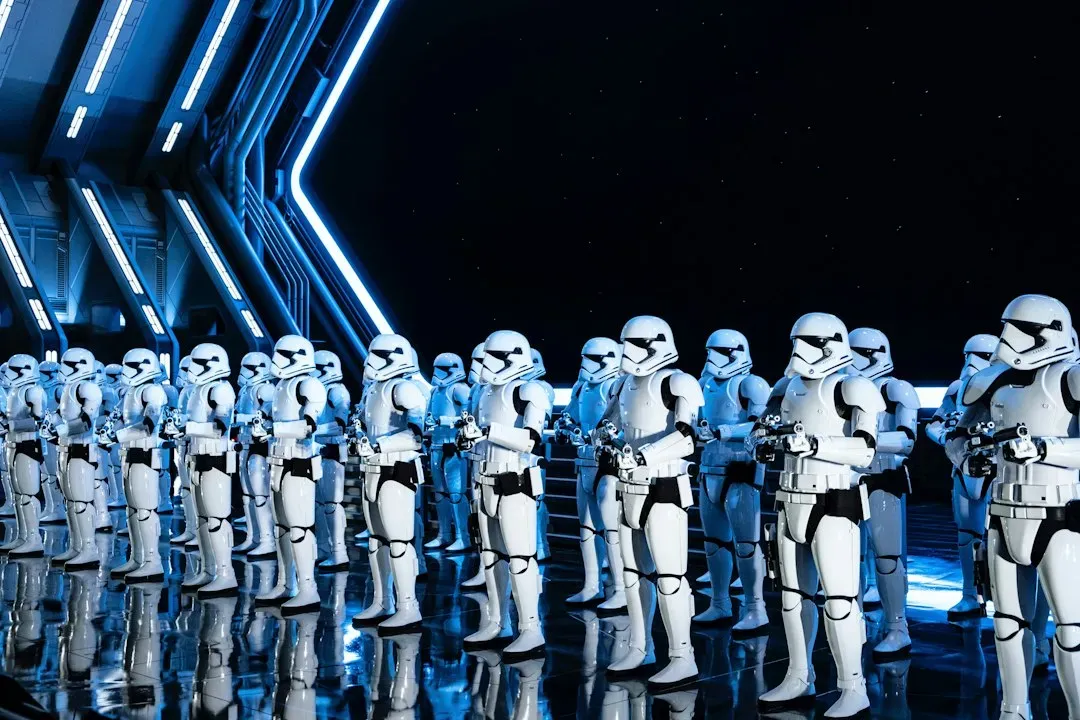
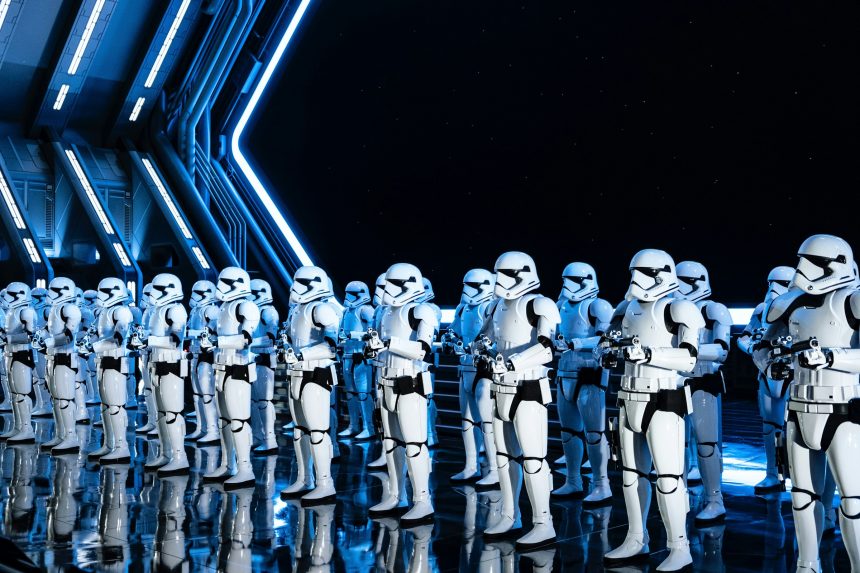
The main title begins with a bright, rising brass fanfare that feels like a declaration. Williams wrote it in a grand orchestral style, and the London Symphony Orchestra recorded the score. It’s hard to hear those opening bars without picturing scrolling yellow text.
The score also won the Oscar for Best Original Score. Its success helped push large orchestral scoring back into fashion in Hollywood. Nearly fifty years on, the fanfare remains one of the most widely known pieces of film music.
Psycho (1960)
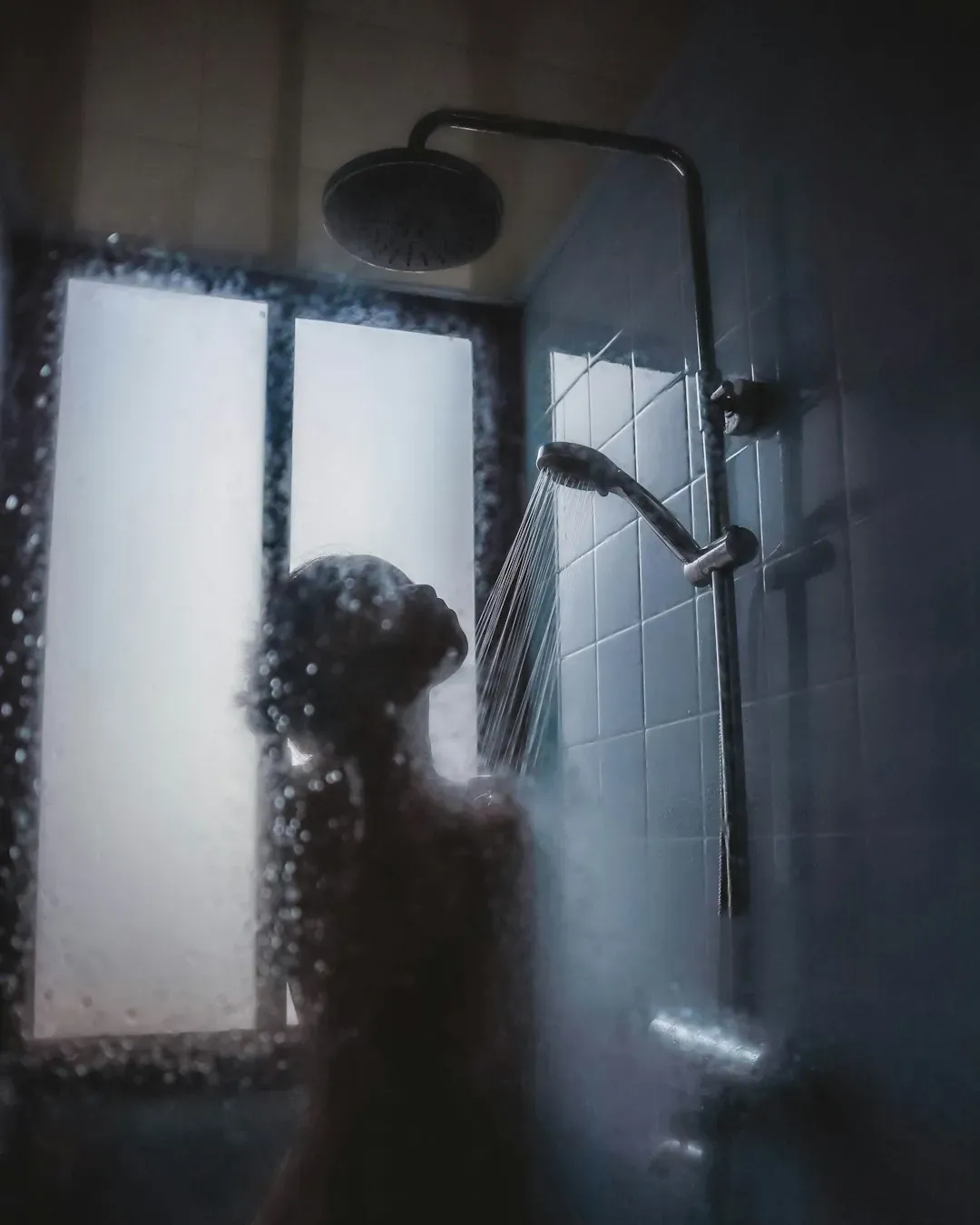
Bernard Herrmann wrote the Psycho score for strings alone. The result is sharp, scratchy and tense, and it sounds nothing like a lush Hollywood orchestra. The shrieking violins in the shower scene are among the most imitated sounds in cinema.
Herrmann’s choice suited the film’s black and white look. Using only one family of instruments gave the music a stripped, nervous quality. Many later horror scores borrowed the idea of using strings as a weapon.
The Godfather (1972)
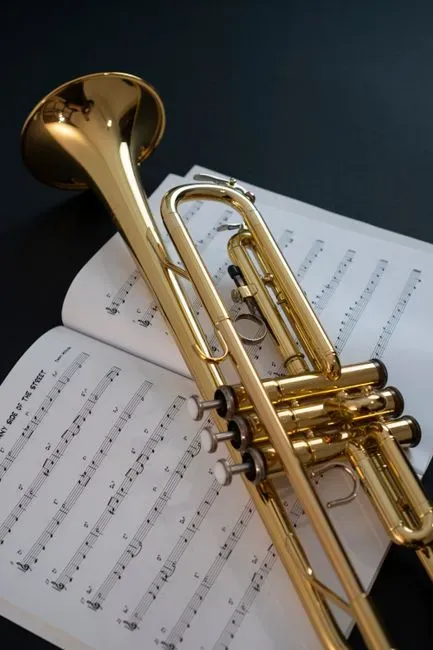
The Godfather theme opens with a solo trumpet playing a slow, mournful melody. Nino Rota composed it, and it carries a sense of old world dignity with something darker underneath. Hearing it, you think of the Corleone family before anything else.
Rota’s score has a curious awards story. It was originally nominated for an Oscar, but the nomination was withdrawn because part of the music had been used in an earlier Italian film. That doesn’t change how closely the melody is tied to the movie today.
Mission: Impossible (1996)
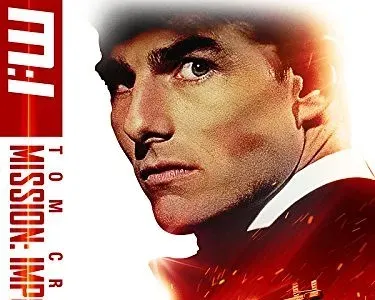
The theme was written by Lalo Schifrin for the original television series, which began in 1966. Its most distinctive feature is the driving rhythm in five beats per bar, which gives it a lopsided, urgent feel. That odd meter is why it sounds like a fuse burning.
Partner offer
When the film franchise launched in 1996, the theme came along and has been reworked for each new installment. The melody stays recognizable even when the arrangement changes. It’s a good example of a television tune that grew larger on the big screen.
Harry Potter (2001)
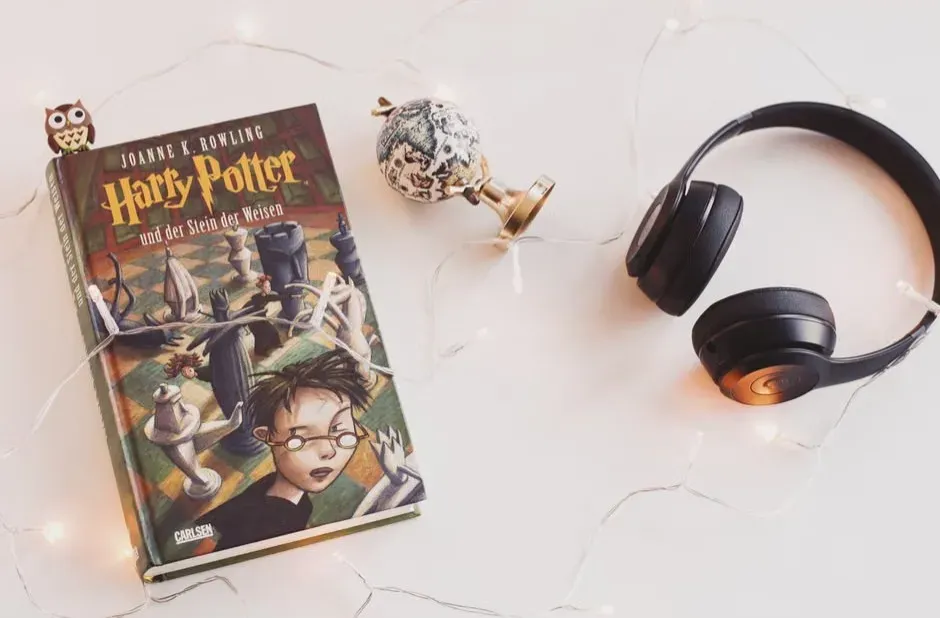
Hedwig’s Theme opens with a soft, twinkling sound from the celesta, an instrument that resembles a music box. John Williams composed it for the first film, Harry Potter and the Sorcerer’s Stone. It feels like a door opening into a hidden world.
The melody swirls in a waltz like rhythm and shifts between playful and eerie. Later films in the series had other composers, yet this theme kept returning as the franchise’s musical signature. A few notes are still enough to bring the whole series to mind.
Jurassic Park (1993)

Williams gave Jurassic Park a theme that leans on wonder rather than fear. A gentle, soaring melody first appears as the characters see the dinosaurs, and it swells with awe. The film also has a separate, harsher motif for the danger, which keeps the two moods distinct.
The main theme has since become a standard for concerts and film music tributes. It works because it captures the moment of seeing something impossible for the first time. Steven Spielberg directed the film, and this was one of many collaborations with Williams.
Pirates of the Caribbean (2003)

The swashbuckling theme from The Curse of the Black Pearl was credited to Klaus Badelt, with work from the team at Hans Zimmer’s Remote Control Productions. It bounds along on rolling strings and brass, and it gives the sea adventure a sense of momentum. The tune is catchy enough to hum after one listen.
Zimmer later wrote music for the sequels, and the main melody carried through the series. The theme has become a favorite at school bands and live concerts. It shows how a strong tune can outlast a franchise’s ups and downs.
The Good, the Bad and the Ugly (1966)
Ennio Morricone’s theme for this Sergio Leone western starts with a sound that resembles a howling coyote. The call is built from instruments and voices, and it repeats across the film. It gave the western genre a sound that was strange, wide open and slightly comic.
Morricone’s work with Leone changed how westerns were scored. Rather than relying on traditional orchestral cowboy music, he mixed in whistling, electric guitar and unusual vocal effects. That unconventional palette is why the theme is instantly identifiable.
Back to the Future (1985)
Alan Silvestri’s theme for Back to the Future is a triumphant, brassy march that feels like a rush forward. It sounds like a hero’s arrival, which suits a story about a teenager racing through time. The opening horn line is enough to signal the film.
Silvestri wrote it for a full orchestra, and it has stayed popular in concerts and sports arenas. The score fits neatly beside the film’s playful pace and adventurous tone. Few themes capture the energy of an entire movie as quickly.
Partner offer
Planning a trip to Vegas?
Compare hotel rates and show tickets on VEGAS.com.