Las Vegas is not simply a city built for entertainment. It is, in a very deliberate sense, one of the world’s largest applied laboratories for behavioral science. Every detail, from the carpet underfoot to the air you breathe, has been considered and calibrated to influence what you do next. The concept of nudge theory, developed by behavioral economists Richard Thaler and Cass Sunstein and formally introduced in their 2008 book Nudge, describes how subtle changes to a choice environment can steer people toward certain decisions without restricting their freedom. In behavioral science, “nudge” describes situations where a choice architect aligns a system with consumers’ best long-term interests. In Las Vegas, however, those interests frequently belong to the house.
The Two Schools of Casino Design: Friedman vs. Thomas

Any serious look at Las Vegas behavioral design starts with two competing philosophies. The original school of thought was developed by Bill Friedman, a professor of casino management at the University of Nevada Las Vegas, who argued that the sole factor in casino design comes from understanding what percentage of visitors come to gamble and how many of those return, since the games are the same everywhere and architecture is the differentiating factor.
Friedman’s classic design philosophy included low ceilings, windowless rooms, and a maze-like floor layout, creating an intimate space where gamblers could focus their entire attention on gambling rather than the surroundings. The slot machines themselves were the intended decor.
In the last thirty years, casino design has favored Las Vegas-native Roger Thomas, whose strategy for the Bellagio, developed with Steve Wynn, bet on a more “evoca-tecture” design palette that would stimulate the senses to the extreme. Thomas’ gamble paid off, as the Bellagio generated the largest profits for a Las Vegas property in history, with guests entering a greater sense of mental restoration and relaxation, leading them to place larger and riskier bets.
No Clocks, No Windows: Erasing Time
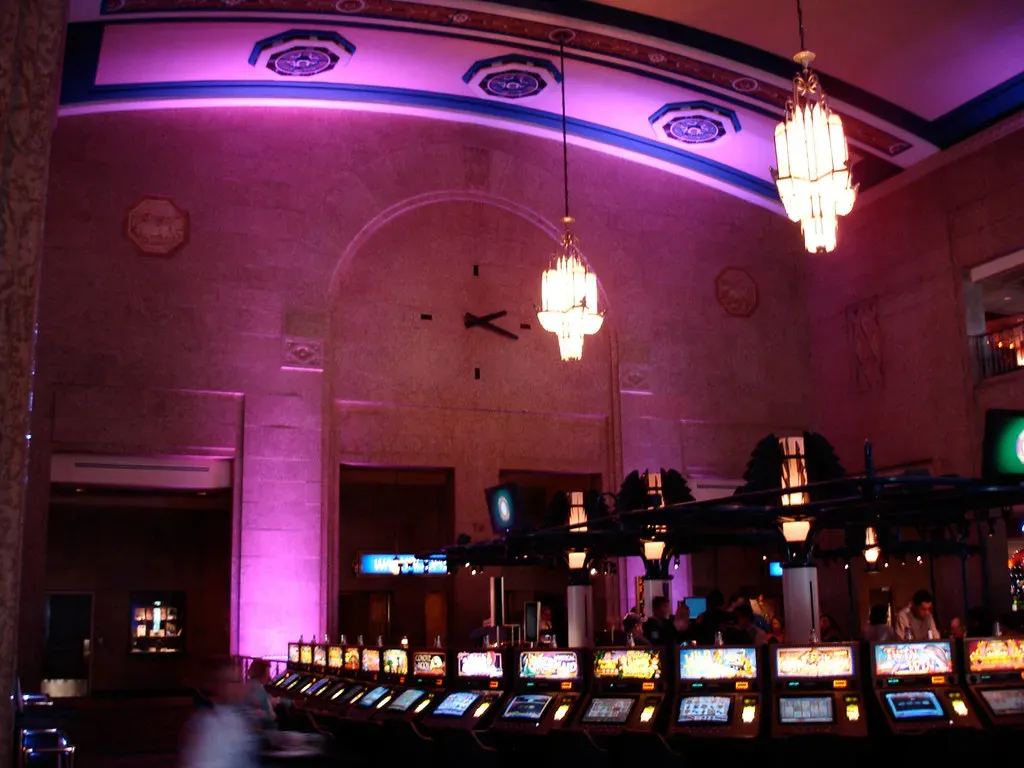
Two things Las Vegas casinos almost never have: windows and clocks. This is not accidental. Time awareness is one of the most powerful behavioral regulators humans have, and removing it is a nudge of considerable force.
It is the lack of windows and wall clocks that makes it challenging for players to realize exactly how much time they have spent in the casino. Without those cues, the decision to leave becomes far less instinctive.
Casinos also control the temperature, air quality, and even the lighting inside the building. These environmental controls compound the time-distortion effect, keeping guests in a kind of ambient comfort that discourages the impulse to leave.
The Scent Environment: How Fragrance Nudges Spending
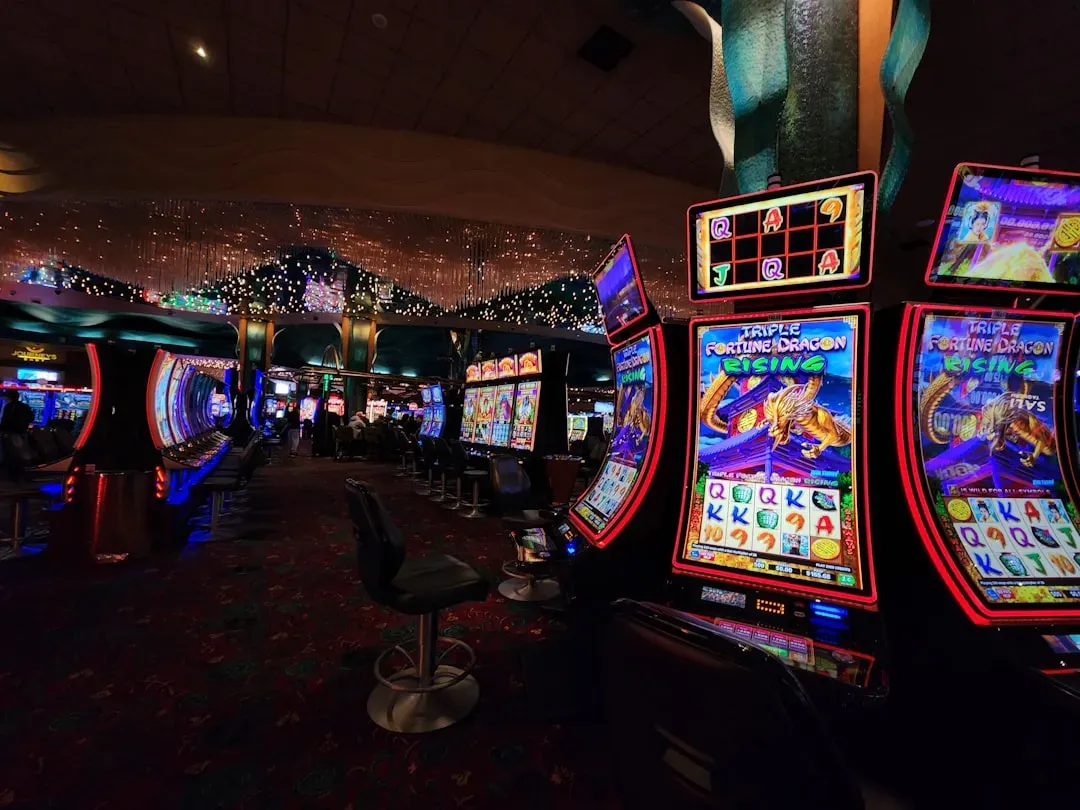
Studies have shown scents can affect behavior, so casinos actively manage the “scent environment.” When Harrah’s in Las Vegas sprayed a pleasant perfume around specific slot machines, those machines’ revenue dramatically increased and was found to be 45% higher than revenue from similar odorless machines.
Each casino has a signature scent that they pump into the air through ventilation systems. This is not a branding exercise. It is a direct application of environmental psychology, used to heighten positive feelings and reduce the mental friction associated with spending.
The scent nudge operates almost entirely below conscious awareness, which is precisely what makes it so effective. Visitors rarely connect a pleasant smell with their decision to sit down at one more machine.
The Power of Chips: Abstracting Real Money
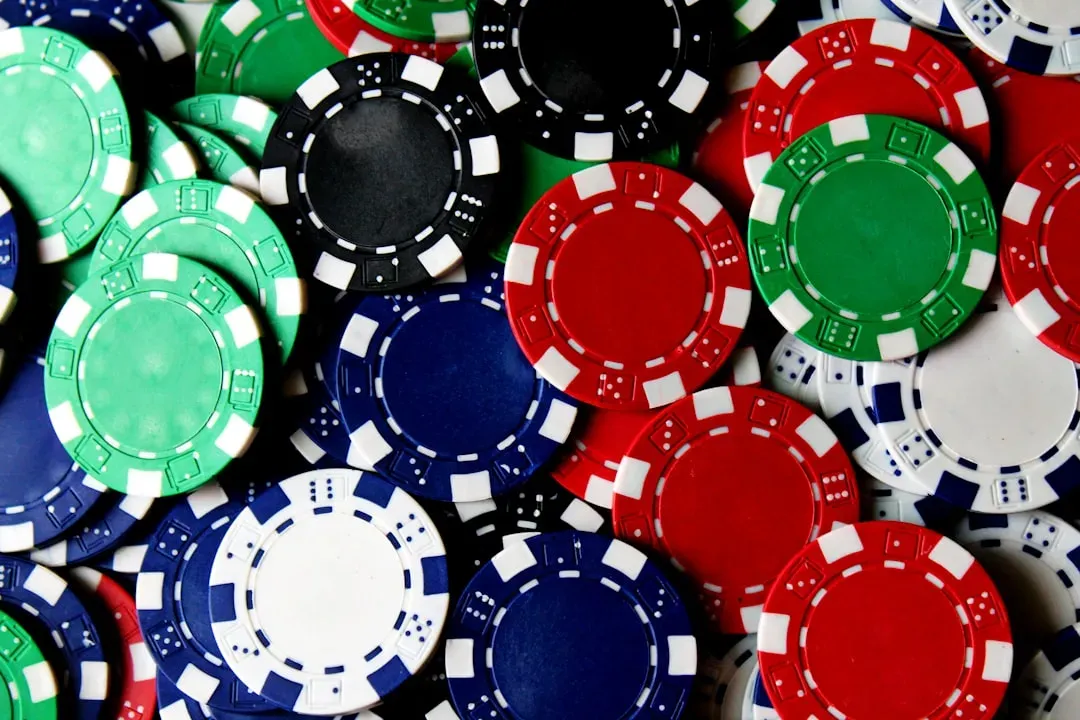
Casinos have long used chips instead of cash as part of their strategy to keep players gambling longer and spending more, leveraging psychological principles to separate the value of money from the act of betting.
Chips feel like game pieces rather than actual money, and this abstraction means players will take bigger risks and gamble for longer periods because the act of betting chips does not feel as real as spending cash. For example, placing a $350 bet in cash would require a player to physically count out the money, which could give pause or second thoughts, but betting the same amount with a single chip erases that hesitation.
When you play a slot machine, you first feed cash into it and your money is converted into digital credits. When it is time to cash out, the machine will not give you your change but will instead print a voucher, and these convenient vouchers make it easier for guests to forget they are spending real money.
Slot Machines and the Variable-Ratio Schedule
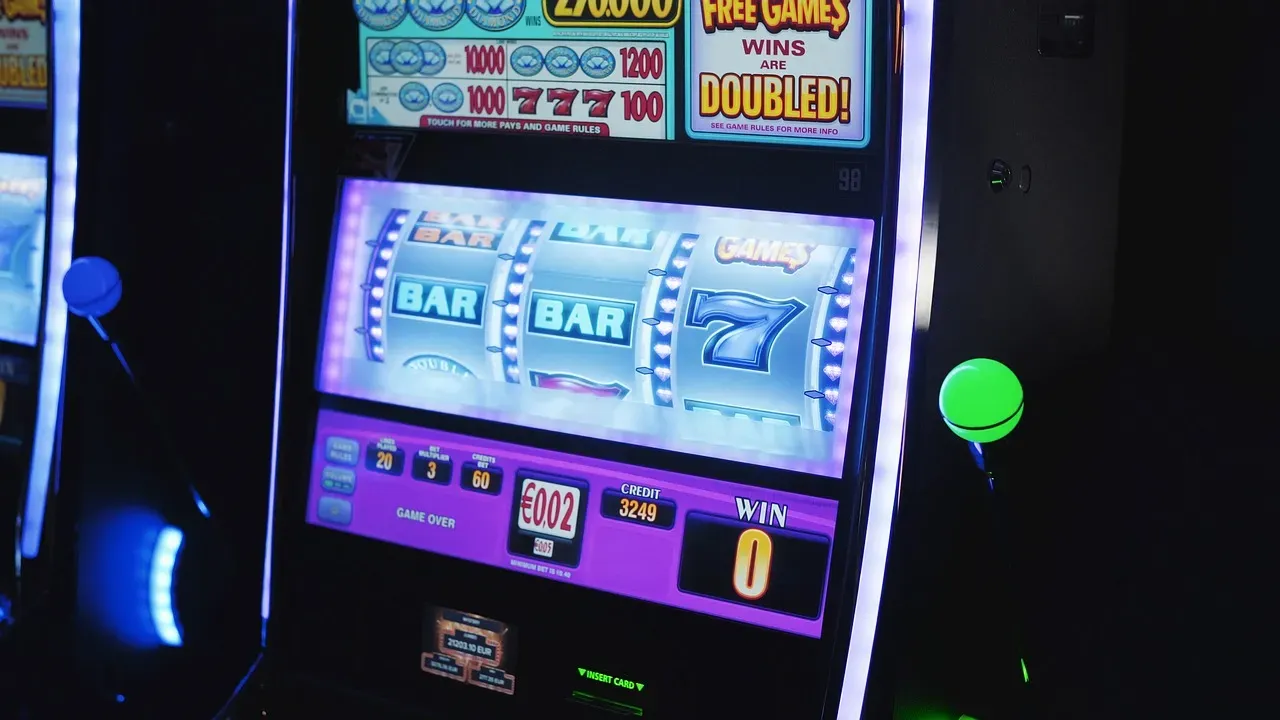
Slot machines operate on a “variable-ratio schedule,” which means that reinforcement is given after an unpredictable number of responses, and research shows that behaviors reinforced on these schedules tend to reoccur again and again.
A slot player has no way of knowing how many times they have to play before a winning combination comes up, but they do know that eventually the machine will pay off. Consequently, it is always possible that the next play will be a winning one, and this makes it very hard for the player to walk away.
Slot machines account for roughly 80% of a casino’s gambling revenue. The variable-ratio schedule is not a side effect of slot design. It is the engine of it, and it mirrors the same behavioral conditioning first documented by psychologist B.F. Skinner.
Near Misses: The Illusion of Being Close
Slot machines are designed to display near misses, which are combinations just one symbol away from a win. These are not random but are strategically programmed to happen at a rate that keeps players engaged, making players feel like they are always on the verge of winning.
The psychological impact of near misses is intense. When players experience one, it triggers the same neural pathways as an actual win, and this activation of the brain’s reward system generates excitement and anticipation, reinforcing the desire to keep playing. The intermittent nature of these near misses, combined with occasional small wins, creates a powerful cycle of reinforcement that can be very hard to break.
Partner offer
A 2025 study published in the Journal of Gambling Studies found that participants with high levels of impulsivity showed greater persistence in continuing to play when near misses occurred more frequently, though there was no such effect observed in the low impulsivity group. The nudge, in other words, does not work equally on everyone.
Sound Design: Engineering the Emotional Atmosphere
The role of sound goes beyond mere entertainment. Jackpot chimes or celebratory jingles can evoke positive emotions, creating a sense of achievement even in loss, and the mere act of hearing these sounds can trigger players’ impulses to keep playing.
A study published in the Journal of Neuroscience suggests that sensory features in casinos may directly influence a player’s decisions and encourage riskier choices, including increased betting. Sound is one of the most studied of those sensory features, with researchers pointing specifically to the way winning sounds normalize and reward continued play.
Studies show that loud music can be distracting, but softer, ambient music can increase spending as long as it matches the design theme. The tuning of a casino’s audio environment is as deliberate as any other element in the space.
Layout and “Mystery”: The Architecture of Curiosity
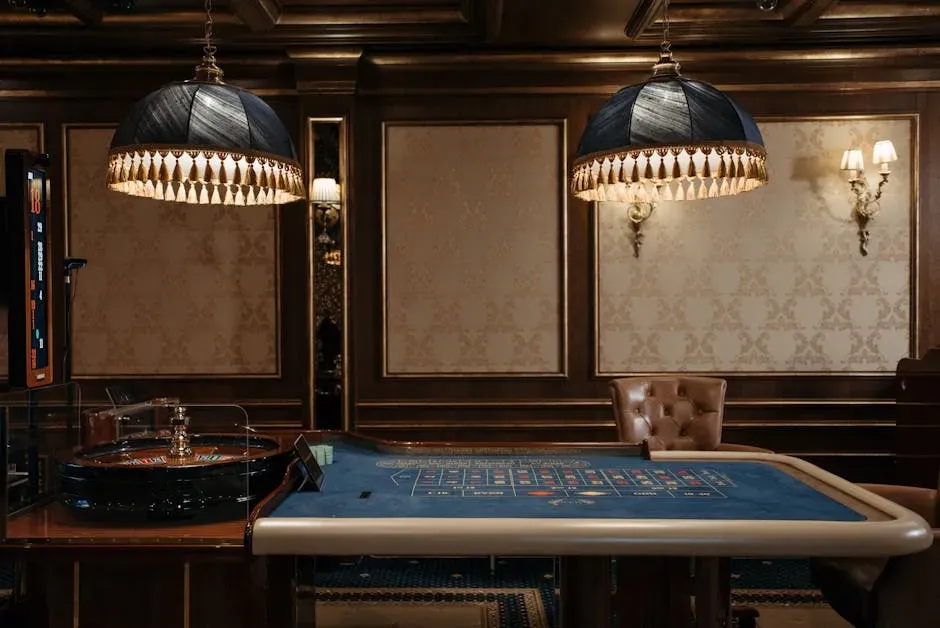
Friedman urged that casinos take advantage of a property called “mystery,” long known by environmental psychologists to increase the appeal of a scene or place. Mystery is defined as the likelihood that further investigation of a scene will yield new information, with the classic example being the appearance of a winding forest trail that promises new vistas just around the next corner.
Casinos want you to get a bit lost and distracted on your way to something you absolutely need. We all need to use the bathroom at some point, and if the route there is long, winding, and littered with enticing gaming opportunities along the way, there is a good chance at least one of them will take your fancy. With smaller winding passages you are much more likely to explore as well, as the line of vision is greatly reduced.
Although casinos are huge and sprawling, they also have design elements to ensure it is always easy to find a crowd of people having a good time, and getting to a destination inside a casino such as a restaurant or theater requires walking through the gambling areas.
Crowd Management and Social Proof
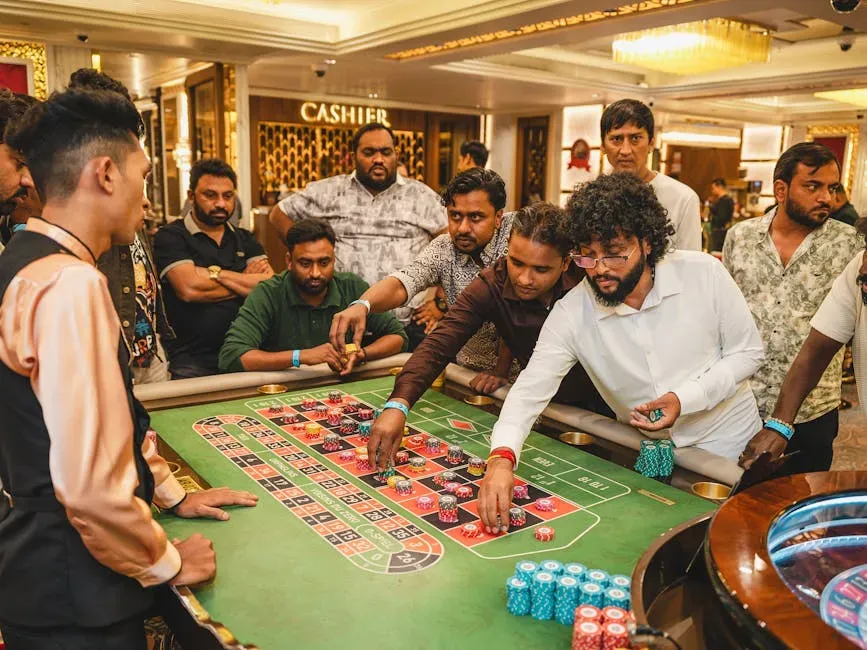
The number of open tables is calibrated to current activity levels so that you do not see many lone gamblers at tables, and the open tables tend to be closest to the highly trafficked areas for maximum observation potential. Any casual observer would conclude that gambling here is really fun and that it must be socially acceptable because lots of people are doing it.
These crowd-management techniques help normalize gambling behavior and disinhibit typical routines. Social proof is one of the oldest and most reliable nudges in human psychology. Seeing others engage in a behavior makes it feel safer and more acceptable to do the same.
Loyalty programs amplify this further. Many casinos have rewards programs that help them identify their most frequent players and provide incentives for repeat play, with these cards also allowing casinos to track players’ every move, including meals at restaurants and purchases within the casino.
Dark Nudges and the Research Response

Not all researchers treat these techniques as neutral. Gambling’s “dark nudges” are designed to exploit gamblers’ biases, and they reveal the contradictions of industry-led responsible gambling initiatives, showing how stronger regulation may be required to address gambling’s public health costs.
The scale of the industry makes this a meaningful concern. Las Vegas drew 41.7 million visitors in 2024, up 2.1% from the previous year, according to the Las Vegas Convention and Visitors Authority. Nevada’s casino licensees won $15.8 billion from gamblers in 2025, a year-over-year increase over the previous record set in 2024.
Online gambling platforms are often designed in deceptive ways to maximize the amount of time and money that people spend on them, as a digital extension of research on the deceptive design of land-based casinos. The behavioral architecture of Las Vegas is no longer confined to Las Vegas. It has migrated to screens, apps, and digital platforms, carrying the same nudges into living rooms and pockets around the world.
Conclusion: When Design Becomes Behavior
What Las Vegas perfected over decades is now studied in academic journals, applied in retail stores, and replicated across the digital economy. The nudge, in the hands of casino designers, was never about health or welfare. It was a revenue tool, refined through observation and behavioral science to near-invisible precision.
Studies of gambling behavior in simulated settings suggest that the environment in which gaming takes place exerts a strong but subtly nuanced influence on our emotional state, and that such influences are very likely to translate into increased profit margins for casinos. The subtlety is the point.
Understanding these mechanisms does not ruin the experience of a casino visit, but it does change it. Awareness is, in the end, the one counter-nudge available to every visitor who walks through those doors.
Partner offer
Planning a trip to Vegas?
Compare hotel rates and show tickets on VEGAS.com.