Television networks order far more pilots than they can ever put on the air. According to Variety’s estimate, only a little over a quarter of the roughly 100 pilots reviewed each year by the big four American networks move on to a series. Whatever doesn’t get picked up has to go somewhere.
Sometimes that somewhere is a cinema screen, a home video shelf, or a late night TV slot. The films below started life as pilots or planned series, then took a different path. Some became classics, and others are mostly footnotes.
Mulholland Drive
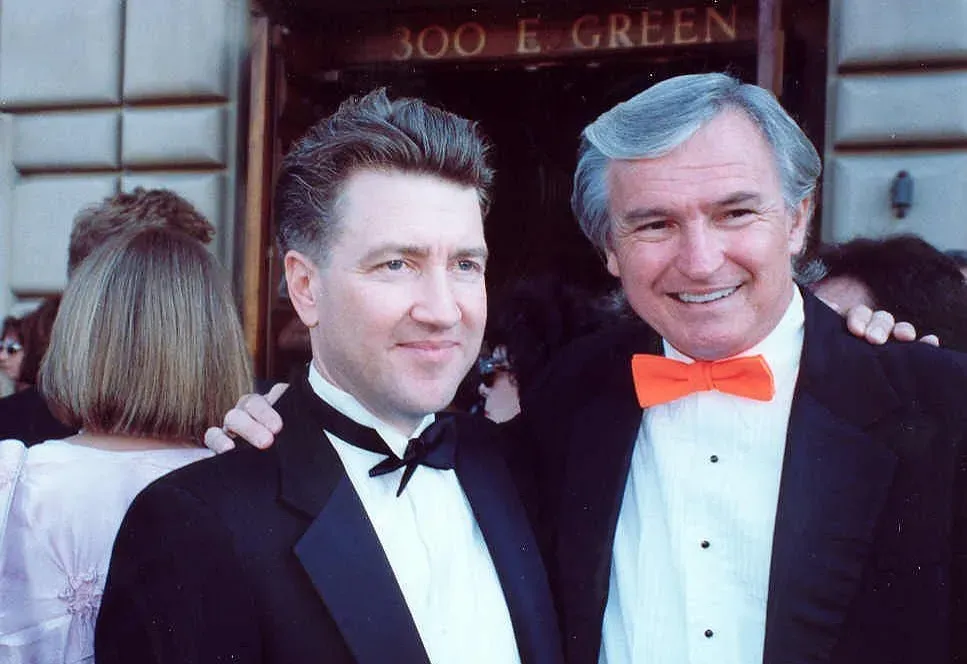
This is probably the best known case. Mulholland Drive was conceived as a television pilot. David Lynch shot it for ABC at the end of the 1990s, and the network passed on it.
Lynch later reworked the material into a feature, which reached theaters in 2001. You can still feel the pilot underneath. Plot threads open up that never quite resolve, which fits the story’s dreamlike logic.
Star Trek: The Motion Picture
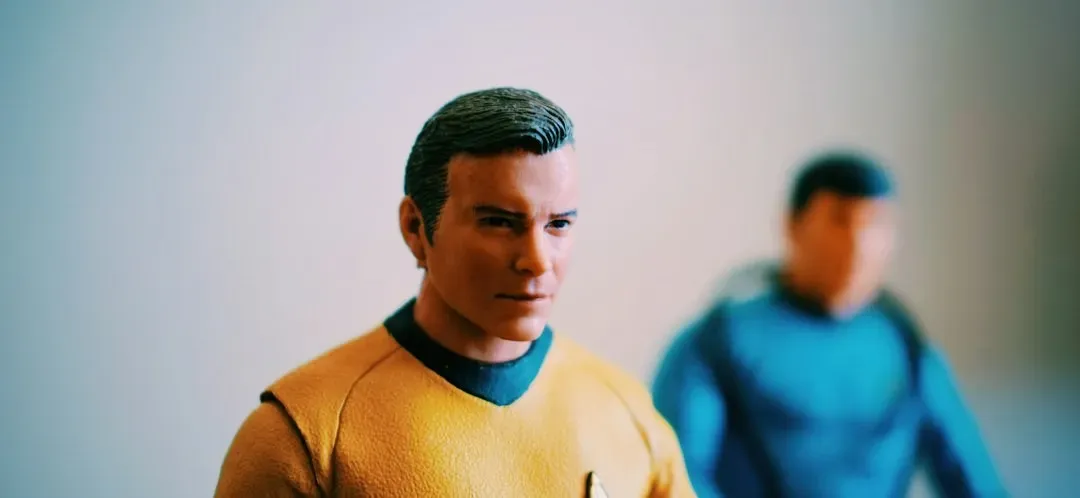
The first Star Trek film nearly arrived as a television revival. It was going to be the pilot for a Star Trek revival, with many of the sets, casting and Enterprise design already set to go. That earlier project is usually remembered as Star Trek: Phase II.
When plans switched to a movie, the production changed course. Some elements were reworked, and the sets and designs were retooled to be more cinematic. Leonard Nimoy came on board as part of that shift.
Being Charlie
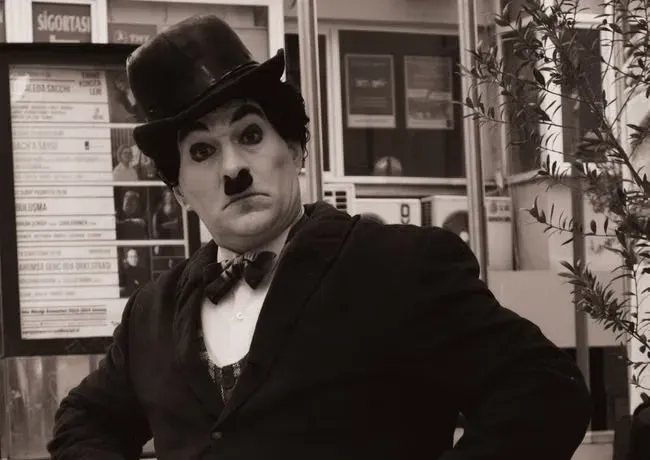
This 2015 drama is a more modern example. According to Nick Reiner, it began life as a pilot script for a half hour comedy series. It was personal material from the start.
He developed the concept while sitting in a rehabilitation clinic, and it eventually became a movie script with his father’s help. The half hour sitcom idea faded, and the story settled into feature form.
Doctor Who (1996)
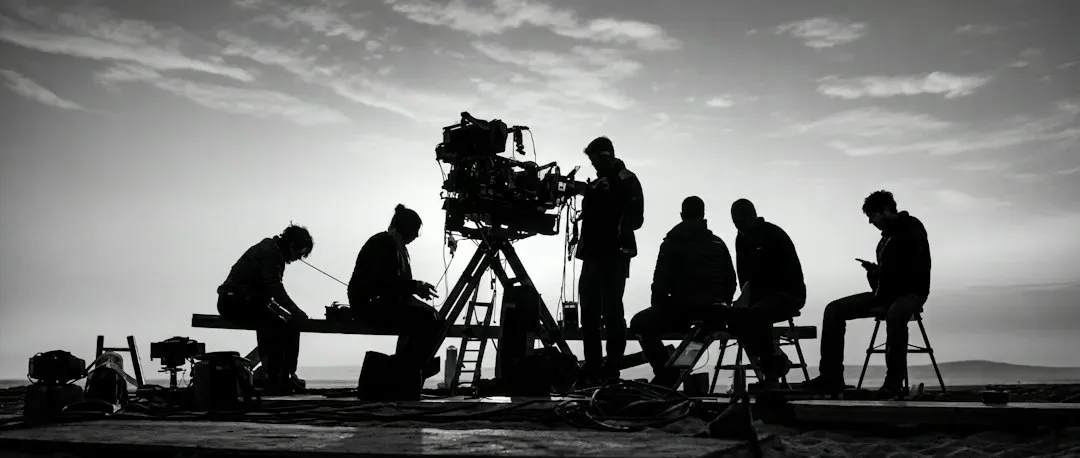
The 1996 Doctor Who TV film had an unusual job to do. It reused some ideas from an abandoned pilot for a revival of the show. Not every idea made it across, and some of the stranger ones were dropped.
It also carried real hopes. It was sort of intended as a pilot itself, if enough people in the USA watched. They didn’t, and the series stayed off the air for years.
Battlestar Galactica

The original Battlestar Galactica is one of the clearest cases of a pilot doubling as a movie. The TV pilot was edited into a big screen release. That kind of repackaging was a way to get more value out of an expensive opening episode.
The approach worked as a pitch to audiences too. Viewers could see the scale of the show in a theater before it settled into weekly television. It gave the series a larger first impression than a normal premiere would.
The Scarface Mob
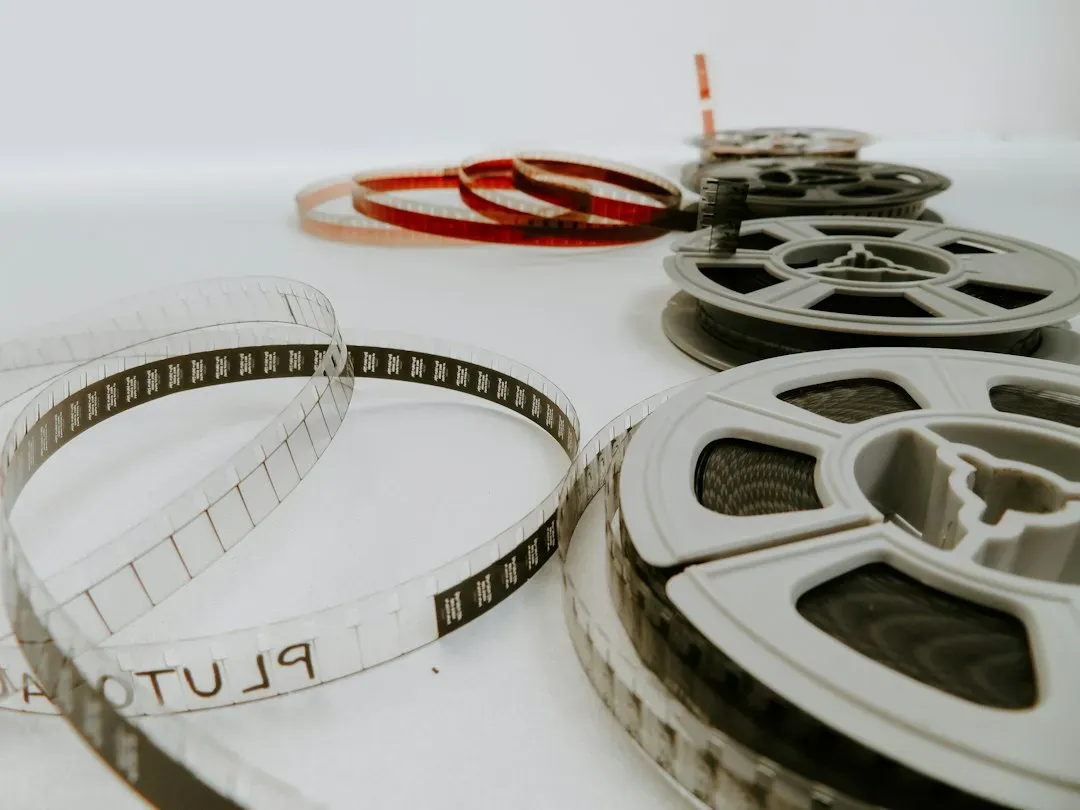
Repackaging pilots is not a new habit. The Untouchables pilot was edited into a film for theatrical release as The Scarface Mob in 1962. The gangster drama used its feature length episode to reach a bigger audience.
It’s a useful reminder that the line between TV and film was always blurry. Studios have long treated an expensive pilot as an asset that can be sold in more than one format.
Prescription: Murder
Columbo began as a TV movie rather than a regular episode. Columbo’s TV movie pilot was titled Prescription: Murder. It introduced the rumpled detective who would become one of television’s best known investigators.
That early film worked as a proof of concept. It showed networks that a feature length mystery could carry a recurring character. The format later grew into a long running franchise of TV movies.
Belle’s Magical World
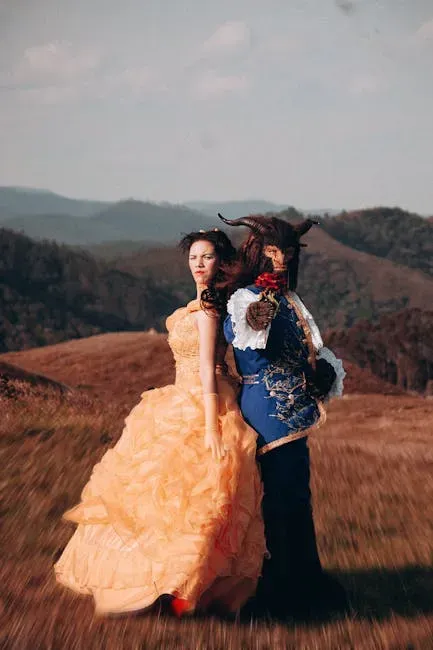
Disney has done this too. Belle’s Magical World, from 1998, was originally conceived as the pilot for a proposed series that was never realised. It came out as a standalone release instead.
It’s a quiet example of how an unsold idea can still find an audience. Families who bought it probably never knew a series had once been planned. The project ended up as a small piece of the Beauty and the Beast story.
Atlantis: Milo’s Return
A similar story sits behind the Atlantis follow up. Atlantis: Milo’s Return, from 2003, was originally conceived as the pilot for a proposed series that was never realised. The sequel followed the 2001 animated feature.
Rather than shelve the footage, Disney released it as a film. That makes it a straight to video sequel with a television pilot behind it. It’s a reasonable example of studios stretching a pilot’s value.
Twin Peaks
Twin Peaks reached some viewers as a movie before it became a phenomenon. The TV pilot was released as a film in Europe. It was a notable example of a pilot working as a self contained story.
That version needed a firmer ending than the American broadcast version offered. A pilot meant to open a long mystery had to be reshaped into something that could stand alone. Few pilots are built to survive that treatment.
Mobile Suit Gundam F91
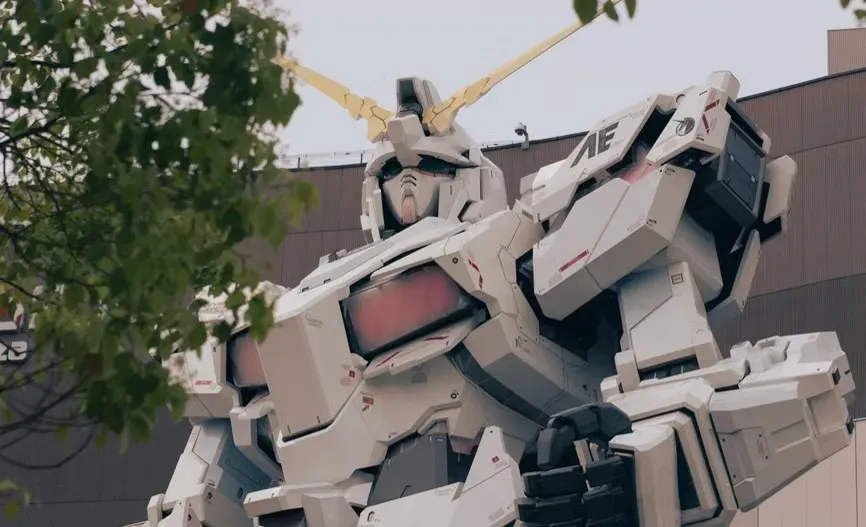
The 1991 anime film has a development history that fans often point to. The 1991 Gundam movie F91 was originally also intended to be the pilot, or the first few episodes, for a new TV series. That detail comes from a fan discussion thread rather than an official source, so treat it with some caution.
If it’s accurate, the film’s crowded cast and dense story make more sense. A feature that was meant to launch a series would be packed with setup. It would also explain why some plot threads feel as though they were waiting for more episodes.