For most of the twentieth century, watching a film meant going to a theater, renting a tape, or waiting for it to turn up on television. A single company changed that routine within about two decades. Its red envelopes once sat in American mailboxes, and now its logo sits on hundreds of millions of screens.
Netflix didn’t just add a new way to watch. It shifted how studios make money, how actors and writers get paid, and how audiences expect to consume stories. The details of that shift are worth looking at closely, including where things stand in late 2026.
From Red Envelopes to Instant Playback
Netflix was founded in 1997 by Reed Hastings and Marc Randolph as a DVD by mail rental service. Its pitch was simple: no late fees, and a catalog far bigger than any corner store could stock. That model gave the company a loyal customer base and a lot of data about what people liked to watch.
In 2007 it began streaming over the internet. The early library was thin, and the picture quality was modest by today’s standards. Still, it set the direction. Once broadband became common, the mail business slowly faded while streaming took over.
House of Cards and the Original Content Bet
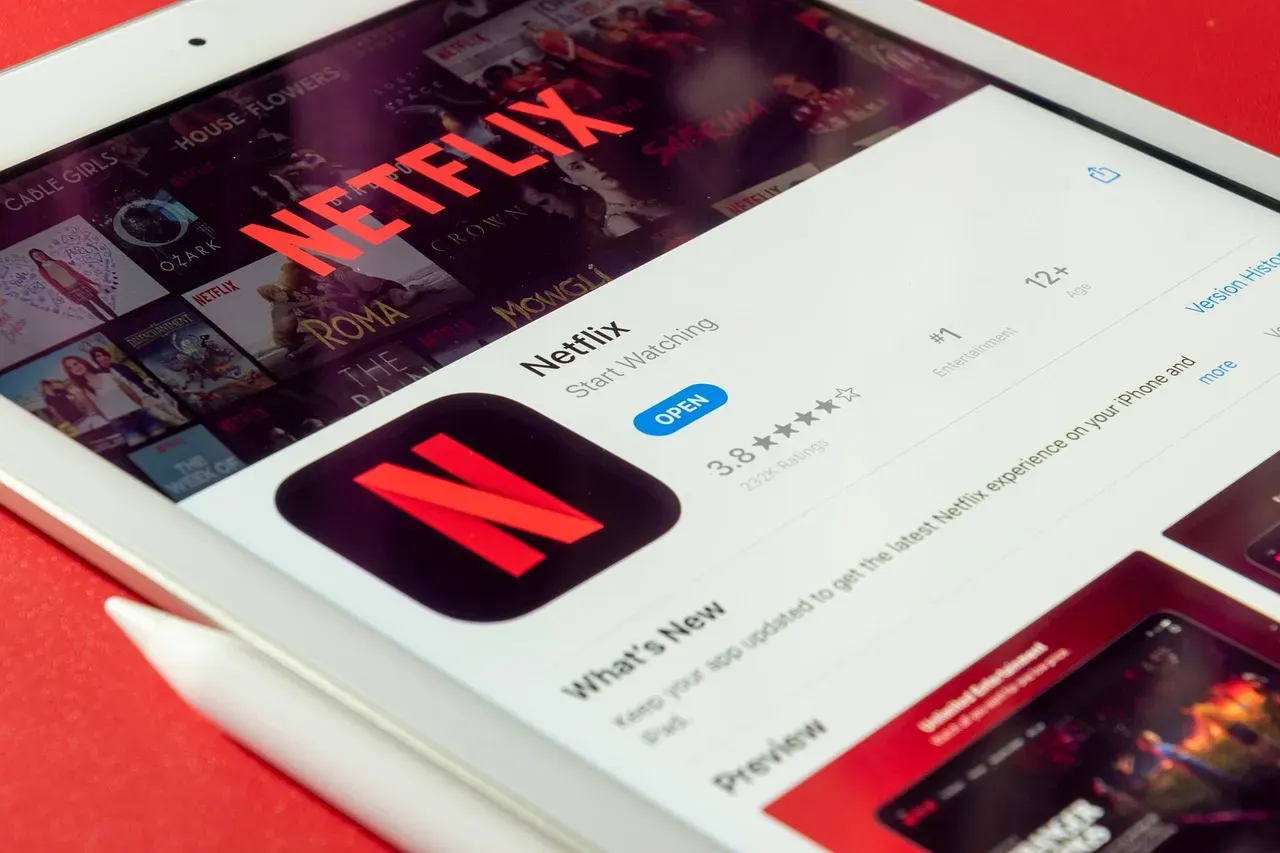
Early on, Netflix relied on licensing films and shows from the major studios. The risk was obvious, since those same studios could pull their titles or raise prices whenever they wished. The answer was to make its own programming.
House of Cards arrived in 2013 and is widely remembered as the first big original drama from a streaming service. Orange Is the New Black and Stranger Things followed. Owning the content meant Netflix could control its catalog and build a brand that viewers associated with the service rather than with any outside network.
The Binge Model Rewrites the Schedule
Traditional television ran on weekly episodes and fixed time slots. Netflix often dropped an entire season at once and let viewers set their own pace. It sounds like a small change, yet it altered how writers structure stories and how fans talk about them online.
The approach also affected how shows are judged. Instead of overnight ratings, the company tracks viewing hours and completion, and it publishes its own engagement reports. In the second half of 2025, view hours rose 2% year over year, driven by a 9% rise in viewing of branded originals, which shows how heavily the platform leans on its own productions.
The Fight Over What Counts as a Movie
Netflix’s move into feature films stirred real resistance from theater owners and some filmmakers. The company’s films often skipped wide theatrical runs, which clashed with the long held rule that a release window protects cinemas. Roma, directed by Alfonso Cuarón, won three Academy Awards in 2019, and it became the clearest sign that streaming releases could compete for top honors.
Awards bodies and festivals have since adjusted their rules, and Netflix has made limited theatrical runs part of its strategy for select titles. The debate hasn’t fully gone away. Studios and exhibitors still argue about how long a film should play in theaters before it reaches a living room.
A Global Audience, Not Just an American One
Hollywood used to export American films and hope they traveled well. Netflix flipped that logic by commissioning local productions in dozens of countries and sending them everywhere through subtitles and dubbing. Squid Game, a South Korean series released in 2021, became one of the most talked about examples.
The numbers support the trend. Non English viewing has grown from under 10% of total viewing a decade ago to more than a third today, according to one 2026 industry statistics roundup. Netflix also reported that it crossed 325 million paid memberships during the fourth quarter of 2025.
The Financial Scale of the Business
Netflix is no longer a scrappy challenger. For 2025 it delivered $45.2 billion of revenue, up 16% year over year, with an operating margin of 29.5%. Those are figures that traditional studios, with their weaker streaming arms, have struggled to match.
The momentum carried into 2026. In the third quarter, revenue was $12.87 billion, up 11.8% from a year earlier. The full year forecast stands at $51.1 billion in revenue, up 13%, with an operating margin of 31.5%.
Advertising Changes the Pricing Model
For years Netflix insisted it would never show ads. Then it launched a cheaper plan with commercials in late 2022, and the strategy has become central to its growth. Ad revenue rose more than two and a half times in 2025, to over $1.5 billion.
The company expects the trend to continue, saying ad revenue should roughly double in 2026. One reading of the October 2026 results is that this cheaper tier is helping profit grow faster than revenue, though that analysis comes from a third party outlet rather than from Netflix itself. Either way, the old promise of an ad free service has quietly turned into a menu of choices.
Strikes, Rivals and the Warner Bros. Saga
The 2023 strikes by Hollywood writers and actors were driven in large part by streaming. Performers and writers wanted better pay structures, since traditional residuals were built around reruns and broadcasts that no longer matched how shows were distributed. The conflict showed how thoroughly the economics of the industry had been rewired.
Consolidation followed. On December 5, 2025, Netflix announced a definitive agreement to acquire Warner Bros., including its film and television studios, HBO Max and HBO, at an enterprise value of about $82.7 billion. In January 2026 the two sides amended the agreement to an all cash transaction.
Where the Warner Deal Ended Up and What Comes Next
The deal didn’t reach the finish line. On February 26, 2026, Netflix said it had declined to raise its offer after Warner Bros. Discovery’s board decided that a rival proposal from Paramount Skydance was a superior one under the existing merger terms. Netflix’s own statement described the transaction as something it wanted at the right price, not at any price.
Netflix is pushing ahead on its own. Its 2026 priorities include live events, expanding into categories like video podcasts, and scaling a cloud first games strategy. Its third quarter report showed operating income of $4.46 billion, an operating margin of 34.6%, which leaves it with plenty of room to keep reshaping the entertainment business.