
A child on a film set looks like a kid with a job. Behind the cameras, though, there are contracts, schedules, money and expectations that most adults would find hard to manage.
Public fascination with former child stars tends to peak when a story goes wrong. The more useful questions are structural: who controls the money, what protections exist, and what happens when a child’s image becomes a family business? The answers have changed quite a bit between 2024 and 2026.
A Problem Older Than Modern Fame

The idea that child performers need legal protection isn’t new. The Coogan Law was inspired by Jackie Coogan, who played the title role in Charlie Chaplin’s “The Kid” and was one of Hollywood’s first child stars. His story became a template for what can go wrong.
As an adult, Coogan found that most of what he had earned was gone. At the time, under California law, any compensation paid to a minor belonged to their parents. That legal gap, rather than any single villain, was the heart of the problem.
What the Coogan Law Actually Does

The law is often mentioned but rarely explained. It requires employers of child performers to preserve at least 15 percent of a child’s gross earnings for creative or artistic services, for the minor’s use when they reach adulthood. The money sits in a protected trust account.
Parents also have a fiduciary duty to manage those accounts until the child reaches the age of majority. In practice, that means the money is supposed to be treated as the child’s, not the household’s. It’s a modest safeguard, and it only covers a slice of income.
Why Family Control Complicates Things
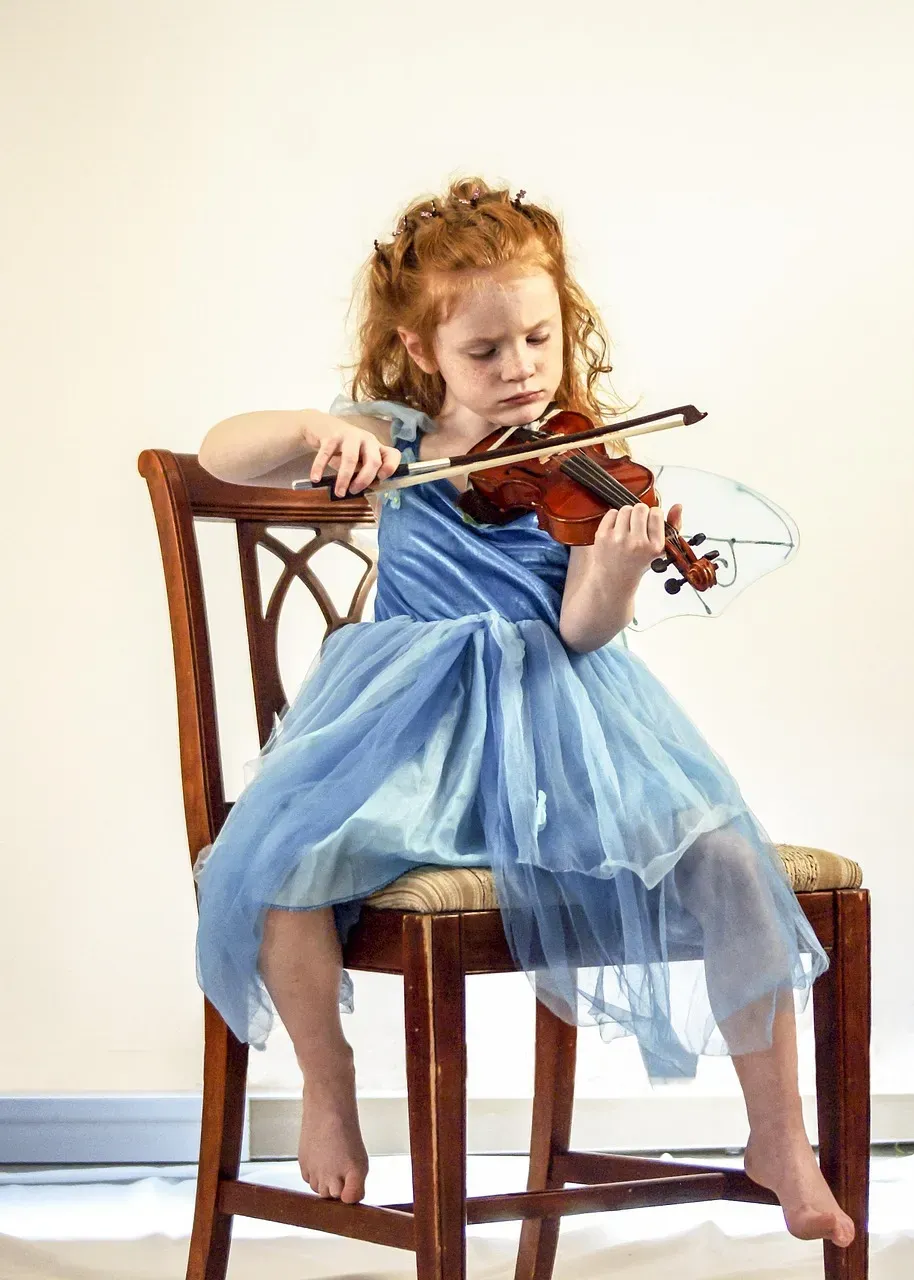
Most child performers work with a parent close by, often as manager, driver and decision maker all at once. That can be loving and practical. It also means the person guarding the child’s interests may depend on the child’s income.
The 1939 law was written because of this tension. Even now, the protections mostly focus on earnings, not on how much the child works, how their image is used, or what they want once they’re older. Money is easy to measure, so it’s where the law started.
The Rise of the Kidfluencer

Social media created a new kind of child performer with no studio and no formal contract. A parent films, posts and monetizes, and the child is simply the content. Child actors on film sets or in commercials have labor law protections, but kidfluencers fall into a legal gap, leaving them open to exploitation, sometimes by their own parents.
One advocate quoted by the New Jersey State Bar Foundation explained why the gap exists. Traditional Coogan laws apply only to formal entertainment contracts, like those signed between production companies and child actors. A family vlog doesn’t fit that mold.
California’s 2025 Update

California moved first among the large entertainment states. Bill AB 1880 extends Coogan’s law to cover kid influencers. The bill was supported by SAG-AFTRA and covers child content creators doing contractual work, including vloggers, podcasters, social media influencers and streamers.
A second bill reaches further. SB 764 goes past the Coogan Law, which protects only those under contract, to cover children featured by their parents or guardians in family content without any formal employment. Both laws took effect on January 1, 2025.
Other States Join In

California wasn’t alone for long. Illinois expanded its version of the Coogan Law to include kidfluencers in 2023, and California followed in 2024. Minnesota enacted its own rules in 2025.
In 2025, at least four states, Arkansas, Montana, Utah and Virginia, amended their child labor laws to mandate trusts and other protections for minor content creators. Hawaii included child influencers in its definition of minors engaged in theatrical employment. The patchwork is growing, though it’s still a patchwork.
Where the Numbers Don’t Line Up

Anyone trying to compare these laws will notice that the details vary. The baseline for traditional child performers is usually described as 15 percent of earnings. Yet one 2026 report says California’s expanded law raised the share that must be saved in trusts to 30 percent.
Other summaries of the same laws describe different thresholds, which suggests the rules depend on how much of a creator’s content features the minor. It’s worth checking the statute itself or a lawyer’s summary rather than relying on a headline figure. Thresholds and percentages are exactly where families and brands can get tripped up.
The Federal Gap

The U.S. has no single national standard for child performers. According to the American Influencer Council, federal child labor laws exempt all child performers from protections, so child actors and children who create online content must rely on state laws. That’s an advocacy group’s reading, though it matches how the rules are generally described.
The result is a map that changes at state lines. The New Jersey General Assembly and the New York Senate approved child influencer legislation in 2025, but neither had become law at the time. A child’s protections can depend heavily on where the family happens to live.
What the Laws Still Don’t Cover

Financial rules help, but they don’t address everything a childhood in public involves. A student journalist’s summary of the California rules notes that there are no protections regarding where the rest of a child’s earnings are stored. Money is only one part of the picture.
Privacy, schooling, working hours and the long term effects of growing up watched by strangers are harder to legislate. Research on these questions is thinner and mixed, especially for online creators, so firm conclusions would be premature. Still, a child can’t easily consent to a public identity, and that’s what several of the newer laws try to address.
Where Protections Stand Now

As of the latest reports, the legal picture is moving in one direction. Sixteen states had introduced legislation requiring trust accounts for minor content creators’ earnings, following pioneering laws in Illinois, Minnesota and California. Only some of those bills have become law.
The core rule has barely changed since 1939: a child’s earnings should be set aside for the child. What’s new is who counts as a performer. Child actors, streamers and family vloggers are increasingly treated as working minors, with state rules still catching up unevenly.